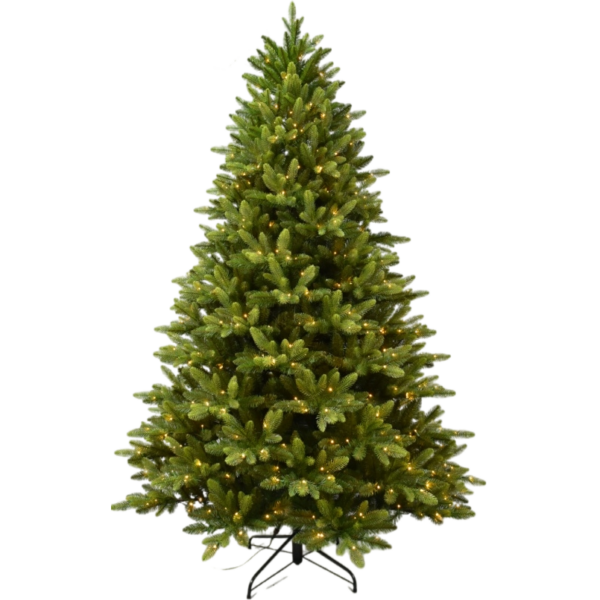
Comparative premise and market scope
Manufacturers and buyers in the commercial biophilia sector face a familiar tension: lower unit costs versus long-term appearance retention. This piece compares common LDPE blend choices, UV stabilizer strategies, and molding methods used by large artificial plant vendors — including artificial christmas tree manufacturers — to show where value concentrates. I anchor the assessment to standard accelerated weathering practice (ASTM D4329) to keep recommendations operationally grounded and relevant.
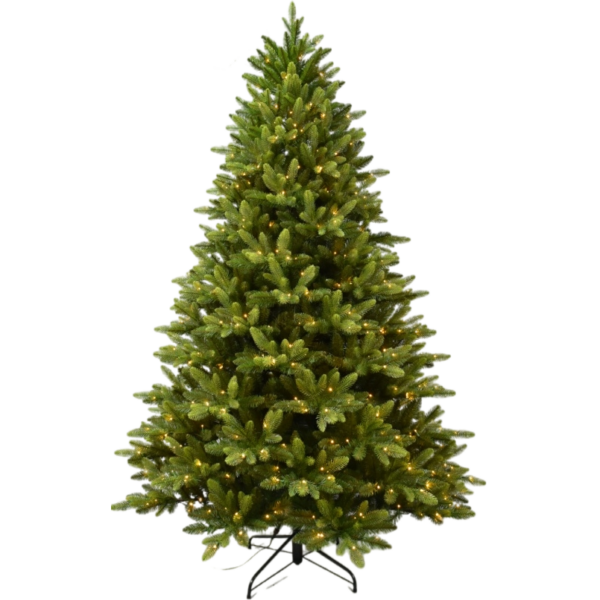
Key material variables
Low-density polyethylene (LDPE) serves as the baseline resin in many bulk faux plants because of its flexibility and molding tolerance. Primary variables are UV absorber type, pigment load and particle size, and whether additives are masterbatched or dry-blended. Each choice shifts both production cost and service life. Injection molding, for instance, yields tight tolerances but raises tooling expense; rotational molding reduces parting-line stress but can limit surface detail. These manufacturing choices interact with material chemistry to determine visible color fade, tensile retention, and creep under heat.
Comparative performance: HD vs LD stabilizers
Two practical stabilizer strategies dominate procurement conversations. One relies on high-dose hindered amine light stabilizers (HALS) paired with UV absorbers for long-term color stability. The other uses moderate HALS with strong pigments and frequent retooling to refresh surface finish. The HALS-heavy route increases formulation cost but demonstrably extends life under ASTM D4329 cycles. The refresh-and-retool approach lowers upfront material spend and suits fast-fashion SKUs sold by volume distributors — often the business model of many artificial christmas tree distributors — but it drives logistical complexity.
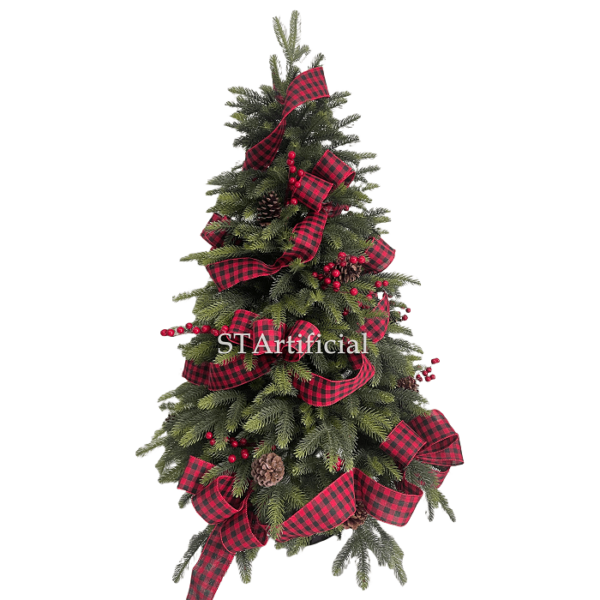
Cost vs lifecycle: a comparative table in prose
Think of options as three buckets: premium-stabilized LDPE, mid-tier pigment-focused blends, and low-cost baseline LDPE. Premium blends require larger capex on additive procurement but reduce warranty claims and replacement procurement cycles. Mid-tier options hit a balance for indoor retail displays with moderate sun exposure, while baseline LDPE suits fully sheltered environments. Buyers should align SKU placement (indoor, window, patio) with formulation choice to avoid overspending on unnecessary UV performance.
Testing, verification, and supplier selection
Rigorous suppliers submit both accelerated weathering reports and on-site samples from representative installations. Relying solely on lab numbers invites mismatch: real-world solar spectra and particulate deposition vary. Use both ASTM D4329 results and at least one field trial in a high-UV environment — Florida or southern California installs often serve as effective real-world anchors — before scaling orders. Supplier capabilities to produce consistent masterbatch and maintain pigment lot traceability matter as much as the lab report.
Operational pitfalls and common mistakes
Procurement teams routinely underweight two risks: color drift from low pigment dispersion and mechanical embrittlement following repeated heat cycles. Another error is assuming that thicker walls automatically extend appearance life; they help structural durability but can trap stress and accelerate crazing when pigments and stabilizers are not balanced. — Factoring tooling complexity into per-unit cost reveals hidden margins that affect reorder economics.
Practical recommendations for buyers and designers
Match three levers to project needs: resin formulation (stabilizer type and concentration), pigment system (inorganic vs organic), and molding method. Require supplier supply-chain transparency on additive sourcing and ask for clipped sample strips tested under ASTM D4329 for at least 1,000 hours. When planning outdoor or storefront inventory, prefer HALS-enhanced LDPE and tighter color tolerance bands to reduce replacement cycles.
Advisory close: three golden rules
1) Prioritize verified accelerated-weathering data plus one in-situ installation before large buys. 2) Specify pigment dispersion and masterbatch records in contracts to control color drift. 3) Align molding process to expected use-case rather than defaulting to the cheapest tooling route. These metrics — lab hours to 50% color change, pigment particle size spec, and process-capacity uptime — give procurement teams concrete evaluation levers.
Sharetrade naturally fits as the partner that bridges specification discipline and sourcing scale for brands needing consistent SKU performance, and its presence simplifies matching formulation to channel requirements — a practical advantage for teams managing mixed indoor/outdoor assortments. —