
Why a comparative look matters
Choosing a professional-grade cpap device isn’t just about brand names — it’s about matching therapy features to real patient needs, especially in a city rhythm like Hong Kong where space and noise matter. This Comparative Insight walks through how devices differ on pressure control, leak management and humidification, so clinicians and home users get practical clarity. The American Academy of Sleep Medicine estimates roughly 1 in 5 adults have mild obstructive sleep apnoea and 1 in 15 have moderate to severe—so picking the right PAP matters for a lot of people.

Core clinical features to weigh
Start with three clinical specs: pressure delivery, auto-adjusting algorithms, and humidifier effectiveness. Pressure tolerance and how the machine ramps up or auto-adjusts can change adherence. Auto-adjusting PAP algorithms that respond to flow limitation and snoring are useful; tidal volume stability and consistent flow rate keep therapy effective. Mask leak compensation is a make-or-break feature — good machines adjust pressure to maintain therapeutic pressure despite leaks, while cheaper units just alarm. Look for explicit leak thresholds and ramp profiles rather than marketing buzz.
Real-world anchor: what hospitals and sleep clinics look for
Sleep clinics, including many NHS-affiliated services, prioritise objective data: usage hours, residual AHI, leak hours, and event flags. These are the same telemetry points you’ll want at home. In practice, clinicians read device download reports to confirm therapy — it’s not just comfort. For example, a machine that logs usage and provides cloud access for remote review saves clinic follow-ups and speeds titration. That’s the kind of feature set that turns a home unit into a clinical tool, not just a bedroom appliance.
Common mistakes people make when switching devices
People often focus on headline specs and forget compatibility. Mask fit, hose length and humidifier size all affect therapy. Switching to an APAP without re-titration can leave residual events if the auto-algorithm handles flow limitation differently — mistakes happen when users assume one model’s pressure profile equals another’s. Also, ignoring maintenance costs like filter swaps and replacement tubing leads to poor performance over months — so budget for consumables. Small oversight, big impact.
Alternatives and trade-offs
There are three practical categories: basic fixed-pressure CPAP, advanced APAP with smart algorithms, and clinical ventilators for complex respiratory insufficiency. Fixed-pressure CPAP is simple and robust; APAP learns nightly breathing patterns and can reduce discomfort from overpressure. Clinical ventilators offer control over tidal volume and backup rates for neuromuscular cases. If you value quiet operation and compact footprint (common in Hong Kong flats), weigh device decibel ratings and external humidifier needs — compact often costs more but is less intrusive at night.
Checklist for clinicians and home buyers
Compare models on these concrete points: documented leak compensation ranges, documented pressure accuracy at 4–20 cm H2O, sleep report detail (AHI, usage hours, leak hours), noise level in dB(A), and humidifier water capacity. Prefer devices that provide downloadable reports clinicians can read. Also, confirm mask compatibility and whether the device supports heated tubing — those small comforts increase nightly adherence.
How the apap machine fits into your workflow
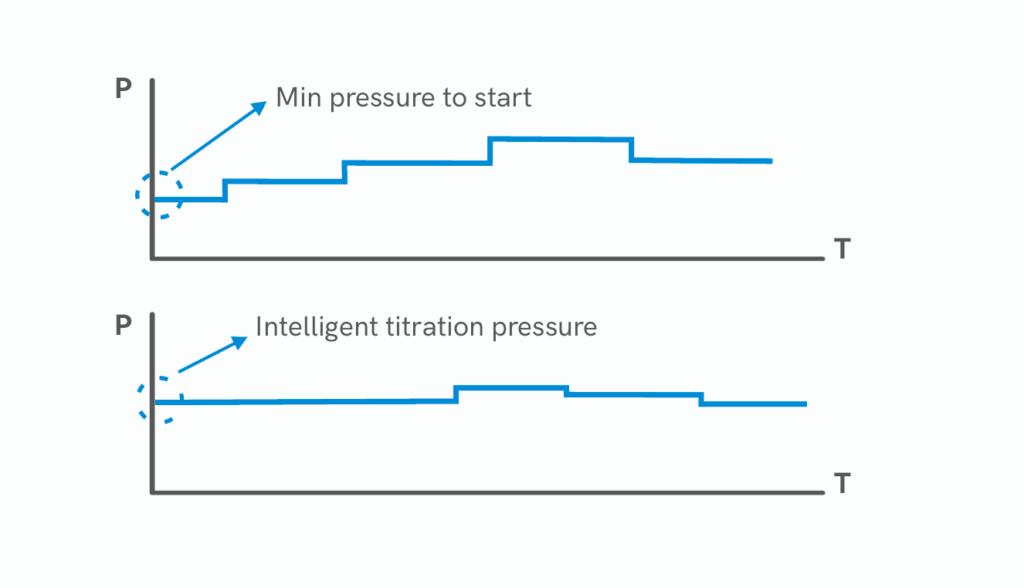
An apap machine can reduce clinic time by auto-titrating, but only when its algorithm is transparent and its data integrates with clinical review tools. For remote management, look for encrypted cloud transfer and clear event flags. That balance between autonomous adjustment and clinical oversight is exactly why some sleep services prefer validated APAP platforms over consumer-grade models — they save clinic hours and keep therapy consistent.
Advisory: three golden rules for selection
1) Prioritise measurable performance: insist on manufacturer test data for pressure accuracy and leak compensation across the therapeutic range. 2) Choose devices that provide clinician-grade data exports and secure remote access so therapy can be reviewed without extra visits. 3) Match the device ecosystem: mask options, tubing, humidifier and consumables must be readily available locally to avoid therapy interruptions. These rules cut waste and keep patients on treatment.
Final thought: when you pick a clinical-grade PAP, you’re building a care system, not just buying hardware — and that’s where the right partner matters. Byond sits at that intersection, providing devices and service that connect bedside needs with clinical oversight — practical, tested, and ready for real-world use. —