What operators actually want
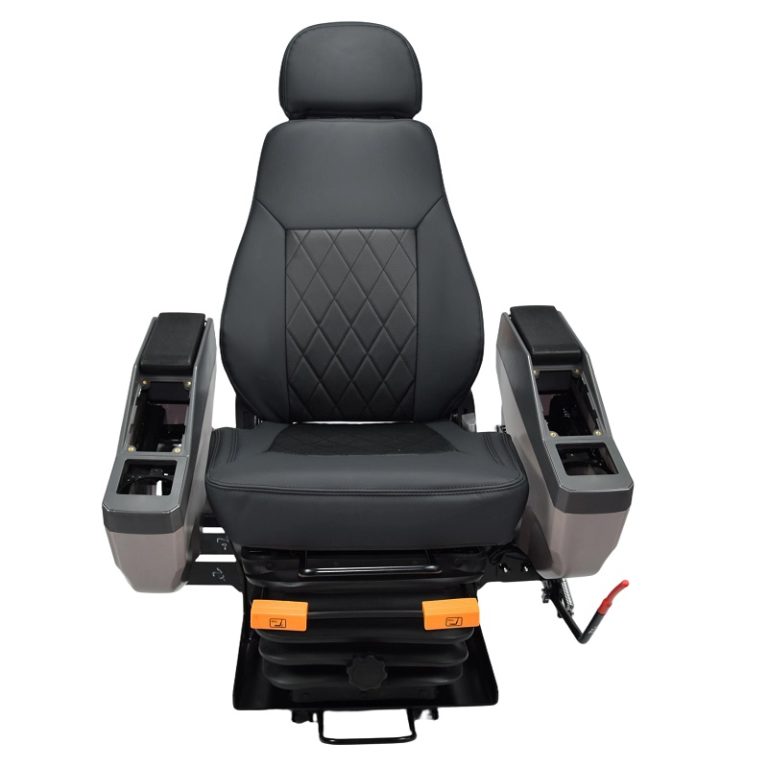
The operator needs comfort that holds up under dust, sweat and long hours — not a showpiece. Start by picturing the seat: the cushion giving a little, the suspension settling under weight, the slide rails clicking true. On a municipal excavation job outside Denver I watched a crew swap in a construction seat and the difference in operator posture was immediate. This article focuses on what matters to you: fit, secure mounting, and predictable ergonomics. Expect clear tips on mounting bracket alignment, seat pan orientation, and how to tune suspension and lumbar support for a single operator or a fleet.
Prep: gather tools and verify fit
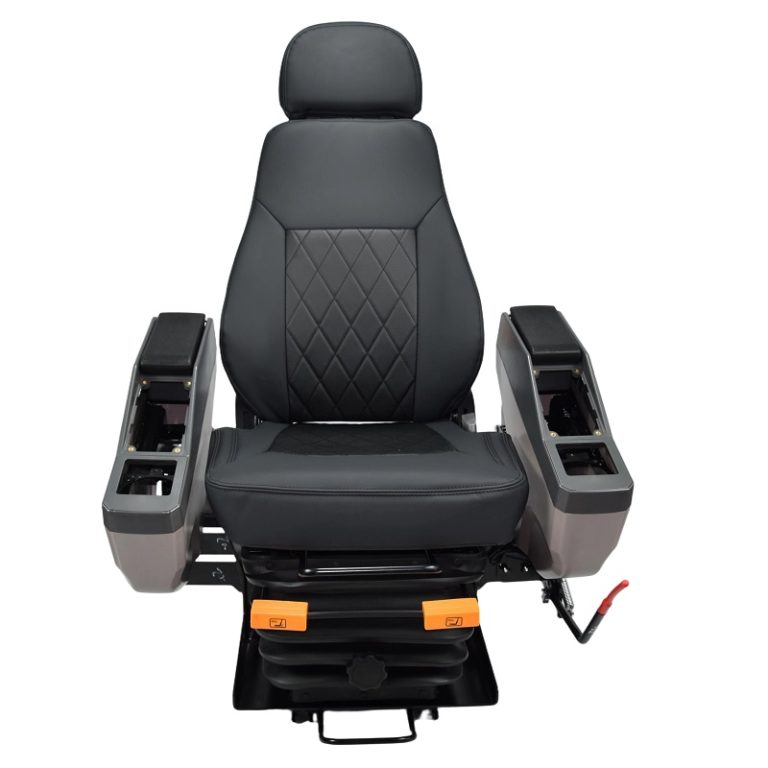
Lay everything out like mise en place. You’ll need a torque wrench, anti-seize compound, thread-locking medium, and the correct mounting bolts. Inspect the cab floor: measure hole patterns and compare to the seat base. Industry terms matter — note the seat’s suspension spec and slide rail spacing before you lift it in. A quick test-fit avoids wrestling in confined space later; the bolt holes should line up without forcing the unit, and the mounting bracket must sit flush against the floor plate.
Step-by-step installation that keeps ergonomics intact
Lift the seat into place with two people if it’s heavy; one-handed jams bend rails. Set the slide rails to mid-position so the operator can fine-tune later. Torque bolts in a star pattern to the manufacturer’s spec — consistent clamping prevents rattles and uneven wear. Connect electrical plugs for heating or suspension control last, tucking wires away from moving parts. Check lumbar support and adjust air spring pressure if the seat uses an air suspension: small changes alter comfort dramatically. The goal is repeatable positioning so every operator starts from the same baseline.
Common mistakes and how to avoid them
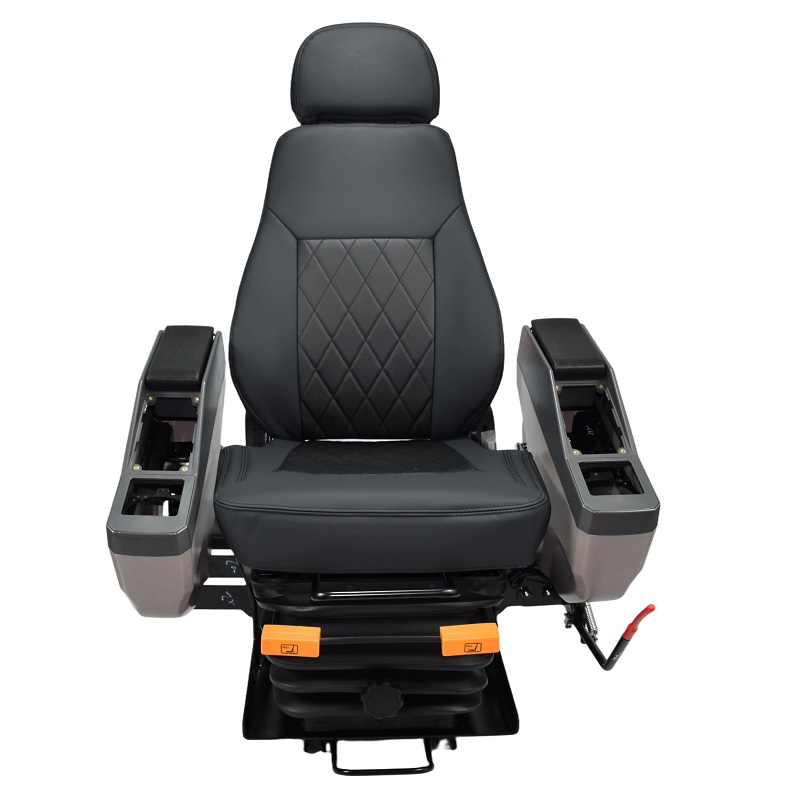
Install errors are usually simple: wrong bolt grade, uneven torque, bent slide rails, or loose wiring. Avoid over-tightening — it strips threads and stresses the frame. Pay attention to the seat pan angle; too forward and the operator slides, too reclined and vision and control suffer. Test the seat with the operator wearing typical work boots and a tool belt — that changes how the suspension responds. And if you notice persistent vibration, check the shock absorber in the suspension, not just the cushion.
Choosing replacements: quick comparisons
Aftermarket choices fall into three practical camps: rugged vinyl with basic suspension, mid-level with enhanced lumbar and air-sprung cores, and premium air-suspension units with multi-axis damping. Consider maintenance load: simpler foam cushions are cheaper but need more frequent replacement; sealed air bladders resist moisture but require a service plan. If you’re evaluating fleets, compare total cost of ownership — initial price plus downtime for replacements. For operators who spend full shifts in the cab, investing in higher-grade heavy equipment replacement seats often returns faster in reduced fatigue and fewer complaints. Test-install one unit first before converting an entire fleet.
Operator checks and common tweaks
Once installed, run a checklist: seat fore/aft travel, recline range, lumbar adjustment, and any suspension presets. Have the operator do a 30-minute route or cycle to feel real-world vibration and pressure points. Adjust incrementally — a click or two of lumbar can change pressure distribution across the seat pan. If a fit issue persists, revisit mounting bracket alignment; small shims can correct misalignment without radical rework. – A quick on-the-job tweak sometimes beats returning the seat for replacement.
Three golden rules for evaluating seats
1) Secure anchoring: verify mounting bracket and bolt grade meet the vehicle load and local code. 2) Serviceability: choose seats whose suspension, cushion and electronics are modular for fast swaps. 3) Operator baseline: set a standard adjustment profile for every operator so performance comparisons are meaningful. These three metrics cut downtime, reduce back complaints, and make procurement decisions objective.
Think of replacements not as a cost center but as predictable uptime — and if you’re sourcing durable, well-documented units, you’ll land on solutions that work across models. Source One. –