Opening: A slow evolution, measured like tabla beats
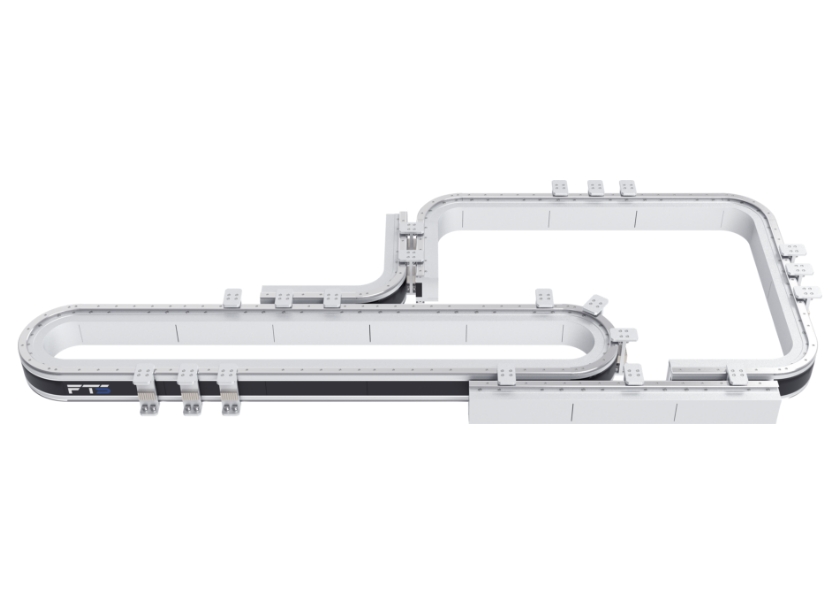
The factory floor learns to breathe differently, step by step — first driven by hands, then by belts, now by an intelligent conveyor system that nudges parts along like a patient river. I tell this as an observer who has watched toolrooms and control rooms trade notes, feeling the shift toward continuous care rather than sudden fixes. Where the motion is linear and deliberate, the linear drive motor often becomes the quiet center of routine checks and small miracles alike.

How maintenance grew from reaction to craft
Once, maintenance meant waiting for a breakdown; now it is choreography. Engineers documented fault patterns, technicians traded tinker-tips, and manufacturers began to prefer small, scheduled touches to large, costly overhauls. I write from repeated visits to plants and conversations with engineers who prefer steady rhythms over frantic repair. The result: fewer emergency stops, clearer root causes, and a habit of catching wear at the whisper stage.
Preventive checklist — precise, tangible steps
Keep this list in your front pocket; read it before a shift and after an odd noise. Each line is actionable and easy to verify.- Visual sweep: inspect couplings, connectors, cable routing, fasteners for looseness or fray. – Lubrication: follow manufacturer intervals; use specified greases and avoid over-application. – Alignment and runout: check shafts, guide rails, and rail blocks; micro-misalignment shortens bearing life. – Sensor and encoder calibration: confirm zero positions and check noise on signal lines. – Thermal check: measure motor and drive temperatures under load; note any drift from baseline. – Vibration monitoring: a small persistent wobble precedes large failure; log and compare. – Firmware and parameter audit: record current firmware and PLL/gain settings before changes. – Backup and restore: keep a verified copy of control parameters and drive files offsite. – Safety testing: verify e-stops, interlocks, and light curtains once per shift cycle, and after any mechanical work. – Documentation update: mark hours and interventions; a clean log prevents repeated mistakes.
Focusing on the drive: what technicians often miss
The drive is temperament and method. Common misses include loose encoder mounts, forgotten cold-solder joints in connectors, and vented housings clogged with dust. When a linear drive motor signals a fault, technicians sometimes chase symptoms—current spikes, position loss—without checking simple items: cable strain relief, connector pins, or the motor’s cooling path. Catch these, and many “mystery” faults resolve without swapping expensive parts.
Common pitfalls and how the evolution story corrects them
Older practices favored replacement after failure. That left knowledge in broken parts. The evolved approach keeps knowledge in logs and habits. Pitfalls to avoid:- Ignoring small anomalies because “it still runs.” – Skipping parameter backups before commissioning. – Over-relying on canned diagnostics and missing physical inspection. – Treating vibration as nuisance instead of early warning.
Alternatives and when to choose them
Predictive sensor arrays, acoustic analysis, and cloud-based analytics each offer value. Choose local vibration sensing when failures show mechanical signatures. Choose analytics when fleet-level comparisons matter. For a single line with frequent product changeover, simple visual discipline plus encoder checks often outperform complex overlays. The right choice depends on fault visibility, staff skill, and mean time between failures.
Evidence and experience: why this matters
Manufacturers who shifted from reactive to preventive regimes report steadier throughput and lower emergency downtime. I reference widespread demonstrations of advanced linear motion at Automatica in Munich, where exhibitors and practitioners compared field results and maintenance practices around linear actuators and motors. This shared industry dialogue informs the checklist above; it is grounded in observed deployments and peer-validated technique rather than theory alone.
Short troubleshooting guide — quick reads for technicians
If a drive faults on position loss: – Stop attempts to “home” repeatedly; preserve component state. – Check encoder cable continuity and connector seating. – Confirm mechanical stops and couplings move freely. – Review drive fault code against the logged conditions; note ambient temperature. If vibration increases: inspect bearings, looseness at mount points, and rail contamination. Keep notes; patterns tell stories.
Wrap-up: a steady practice becomes a trusted system
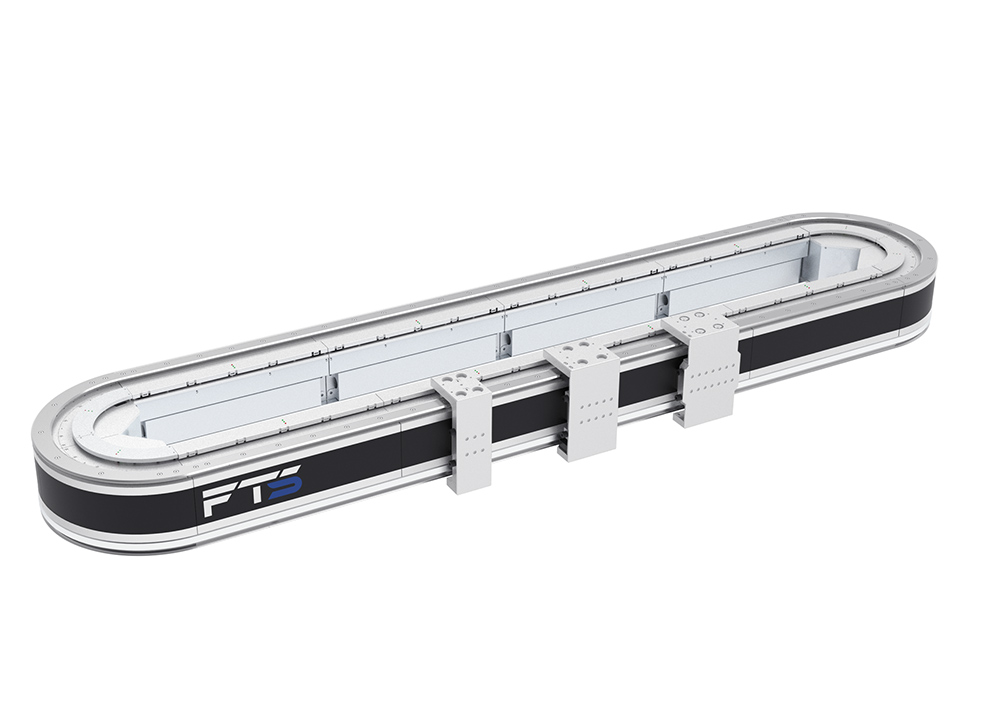
Maintenance matured because people turned fixes into rhythms, and rhythms into records. The checklist above is an interruption-resistant routine that captures small signs before they demand big action. That habit, practiced with clear logs and careful hands, brings predictability to motion systems and preserves capital. This is the value I have seen time and again on shop floors and in technical reviews, and it is the practical contribution that companies like FHS bring to the steady work of keeping lines moving.