The problem that starts before you even order
You need a threadlocker that actually holds, not one that flakes off after a heat cycle or gums up your assembly line. Pick the wrong supplier and you’re stuck with rework, warranty claims and late nights. Start by naming the real failure modes: poor cure, wrong viscosity, contamination, or inconsistent batches. Don’t assume “industrial grade” means the same thing everywhere — check the chemical description and sample performance. If you’re prototyping, have a sample of your application parts and a jar of your chosen thread locker on the bench before you commit.
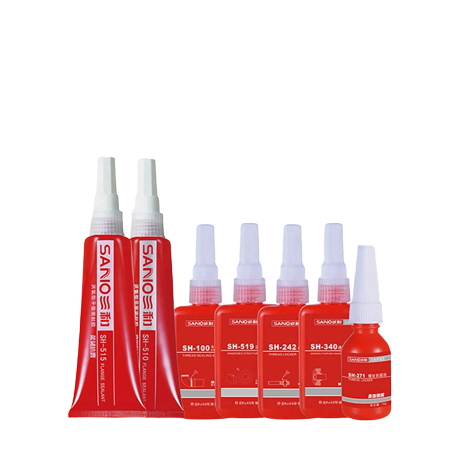
What to demand from specs — clear, testable items
Ask for measurable specs. Don’t settle for vague promises. Insist on viscosity (at a stated rpm and temp), cure time at your typical assembly temperature, shear and torque values after cure, shelf life with storage conditions, and exact allowable solvents or blockers. Specify the substrates (steel, aluminium, coated fasteners, plated surfaces) and the expected temperature range. Require a certificate of analysis for the batch you receive. If they can’t provide these, they can’t be trusted to scale.
Testing and compliance you should require
Set test methods before anyone mixes anything. Typical checks: lap-shear after full cure, torque retention after thermal cycling, and salt-spray resistance if you’re outdoors. Ask for MSDS, RoHS and REACH declarations where relevant, plus traceability to raw materials. Third-party testing is worth the cost when safety or liability’s on the line. If a supplier references ISO 9001 and shows sample data from recognized ASTM methods (for example, shear tests or thermal endurance standards), that’s a practical sign they’ve got a process, not just marketing copy.
Experience counts — a real-world anchor and why it matters
Major aircraft assembly hubs like Airbus in Toulouse emphasise strict adhesive control because failures are costly and visible. That’s why teams demand tailored formulations and detailed test reports before any part hits final assembly. Match that approach: ask how the supplier handles custom formulations, contamination control and repeatable cure profiles. If you need a specific formulation, reference a known product class and request a prototype labelled as custom threadlocker adhesive so lab personnel know to track variables. Proven experience servicing regulated industries indicates the supplier can document and reproduce results.
Common pitfalls that actually cause failures
1) Over-specifying strength without checking substrate compatibility — a stronger adhesive on an incompatible coating just peels. 2) Ignoring cure environment — full cure at room temp ≠ full cure in a cold factory. 3) Skipping batch traceability — if a batch fails, you want root-cause, not guesswork. 4) Assuming packaging is irrelevant — small-volume syringes and bulk drums need different preservatives and dispensing controls. Avoid these and you’ll cut callbacks.

Practical short checklist before you sign a PO
Confirm: supplier provides C of A and MSDS, batch traceability, explicit test methods and results, custom formulation capability, minimum order quantities that fit your program, lead times and contingency stock, and a clear warranty or remediation policy. Ask for on-site tech support or a short trial run. If they offer post-sale technical documentation and a simple escalation path, that’s a sign of maturity.
Wrap-up: what success looks like
Be precise. Write specs that are testable. Validate on your parts under your conditions. Demand traceability and measurable data. That practical approach reduces surprises and keeps assemblies working the first time. Suppliers who publish clear spec sheets, back samples with test data and support prototype runs make your job easier — which is exactly the sort of consistency people lean on when choosing partners like SANVO.