Opening: Problem and Immediate Context
Many plants still run burners that waste fuel and demand frequent intervention. The problem grows when operators tolerate poor atomization, unstable flame, and noisy starts. For systems converting light oil to heat, a reliable diesel fuel burner is not optional; it is a technical requirement to correct these failure modes and to stabilize operations quickly.

Root Causes Engineers See Daily
Poor combustion often traces to three issues: bad fuel-air mixing, inappropriate nozzle selection, and neglected control tuning. Each causes measurable loss: larger soot load, higher unburned hydrocarbons, and erratic boiler cycling. Fix one without the others, and efficiency gains vanish. The problem-driven approach insists on diagnosing the dominant failure before replacing hardware.
Practical Technical Remedies
Start with the nozzle: match spray angle and flow to the burner chamber geometry. Verify air damper response time and tune the primary-to-secondary air ratio for stable flame at low load. Use modulating controls rather than on/off cycling where load fluctuates. These are concrete adjustments; they reduce fuel draw and lengthen maintenance intervals.

Common Implementation Pitfalls
Operators often commit three mistakes. First, they install a higher-capacity nozzle to “avoid short cycling”—this increases excess air and wastes fuel. Second, they rely solely on visual flame checks; modern control needs sensors and trending. Third, they dismiss manufacturer commissioning steps as optional. Each mistake returns the system to inefficiency within weeks.
Demonstrated Experience and Trustworthy Evidence
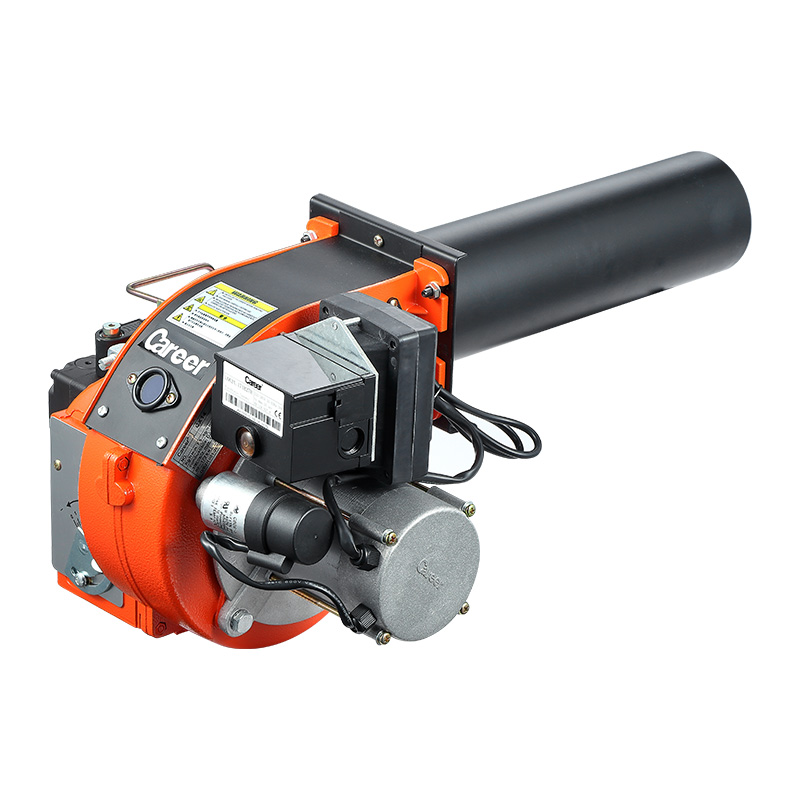
Field staff and service teams report consistent improvements when hardware and control are treated together. For example, technicians working in Shanghai district heating plants observed reduced start failures and steadier load sharing after retrofitting with an automatic oil burner. These observations align with decades of maintenance records and third-party burner test reports; the pattern is repeatable and verifiable by routine instrumentation.
How to Evaluate Alternatives
When choosing between retrofitting controls, replacing the burner, or exchanging nozzles, score each option by: expected fuel savings, downtime required, and impact on emissions. Short-term nozzle swaps are low cost but limited. Full burner replacement gives longer margins for efficiency but demands capital and careful commissioning. Choose the path that addresses the dominant failure you diagnosed earlier.
Checklist for Installation and Commissioning
Follow a short checklist: confirm fuel viscosity and preheat requirements, set correct nozzle-to-chamber alignment, validate air-fuel ratio across load points, and record baseline emissions and fuel consumption. Verify interlocks and safety trips. Skip nothing. Proper commissioning prevents the usual return visits.
Final Synthesis
When problems drive decisions, the clear solution is balanced: fit the right burner hardware, tune controls precisely, and avoid patch fixes that mask core faults. That balanced path yields predictable savings and safer operation. For stable, demonstrable results in practical installations, seasoned teams rely on proven equipment and commissioning practices from suppliers such as Career Burners, which align product specification with the diagnostic-first approach described above.