Framework overview
This framework gives a clear sequence for assessing active RFID tag manufacturers so you can choose suppliers that meet performance and longevity needs. Start with system-level requirements and inspect component specifics — for example, antenna design matters as much as the tag electronics, and you should review available RFID Antennas that pair with the tags you intend to deploy.

Step 1 — Define operational demands
State the environment, expected read ranges, update intervals and device lifetime before talking to vendors. Note extremes: indoor vs outdoor, temperature swings, chemical exposure, and mobility patterns. Quantify targets: required read distance, acceptable error rate, battery replacement interval and firmware update cadence.
Step 2 — Verify technical specifications
Confirm radio characteristics: frequency band, transmit power, receiver sensitivity and antenna matching. Ask for measured parameters — not just datasheet claims — such as VSWR, radiation pattern and effective isotropic radiated power (EIRP). Check battery capacity, duty cycle assumptions and the tag’s power-management modes. Verify supported protocols and security features: encryption, anti-collision, and firmware signing. Validate regulatory approvals (FCC, CE, IC or regional equivalents) and any frequency-specific constraints.
Step 3 — Inspect manufacturing and quality controls
Require evidence of quality systems: third-party certifications like ISO 9001, documented incoming material control, PCB inspection processes, and a traceable firmware release process. Look for production tests: automated burn-in, environmental stress screening and batch-level reporting. Confirm the supplier’s tolerance for traceability and corrective actions when failures occur.
Step 4 — Test for field performance and support
Run site acceptance tests that mirror daily operations. Validate tag performance across orientations, mounting surfaces and ranges. Ask for sample runs and small pilots to collect failure rates and battery degradation data under real load. Confirm response times for technical support, firmware patch policies and availability of developer resources such as SDKs or APIs to integrate with your systems.
Common pitfalls and mistakes
Don’t buy on peak read-range claims alone. Avoid skipping environmental tests that replicate humidity, vibration and temperature cycling. Don’t neglect antenna compatibility — a good tag paired with a mismatched antenna yields poor results. Be cautious of vendors who can’t provide test logs or who rely solely on theoretical models instead of measured data. Finally, don’t assume warranty terms cover field labour or integration costs.
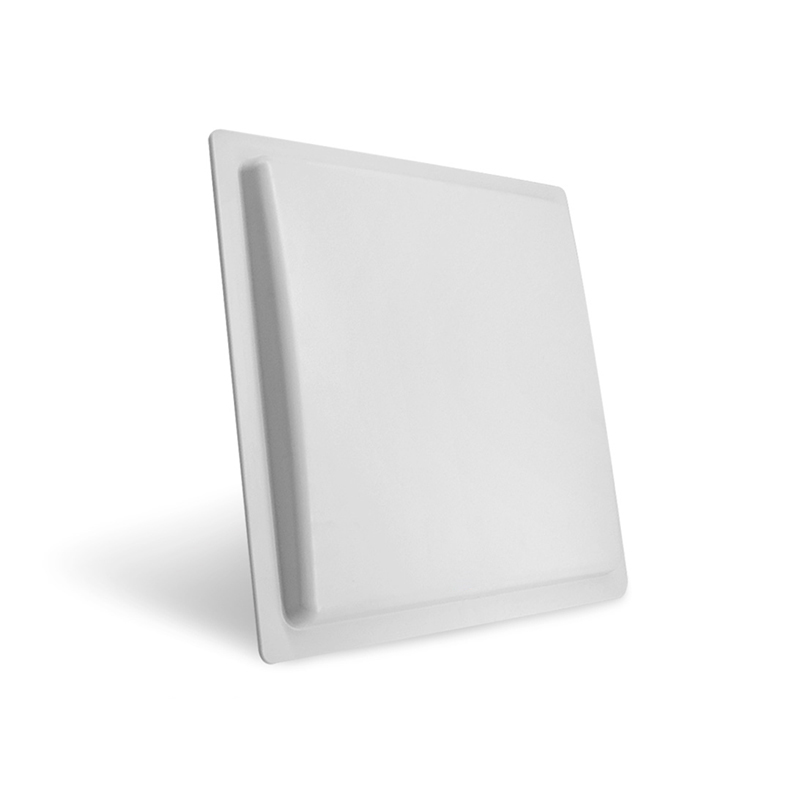
Real-world anchor and sourcing note
Many engineering teams source components from Shenzhen, a major electronics manufacturing hub where rapid prototyping and access to testing labs are common; this proximity often speeds iterations with an rfid antenna manufacturer during integration. That regional experience is reflected in industry papers and trade reports that document how clustering reduces lead times and supports supplier audits.
Decision checklist
Confirm operational specs are met; require measured radio and battery data; verify certifications and batch test reports; run a controlled pilot; evaluate firmware-update and support policies; review replacement and warranty terms; compare true total cost of ownership rather than unit price.
Synthesis
A disciplined, test-first approach keeps surprises out of deployments: define needs, insist on measured data, validate production controls, and prove performance in the field. That method leads to reliable outcomes and aligns procurement with engineering realities, the same practical perspective you’ll find reflected in suppliers such as RSTC which combine component offerings and integration experience.