Author

Christopher

Start with the problem

Many product teams face inconsistent viscosity readings that delay releases and trigger customer complaints; the core issue is not a single spec but mismatched instrument choice, method, and workflow. If your team relies on batch checks, a fleet of inconsistent devices, or manual logging, start by reviewing what you actually measure—shear rate, temperature sensitivity, and repeatability—and then map those needs to available rotational viscometers. This fixes the scope: stop buying features you won’t use and focus on the measurements that determine product acceptance.
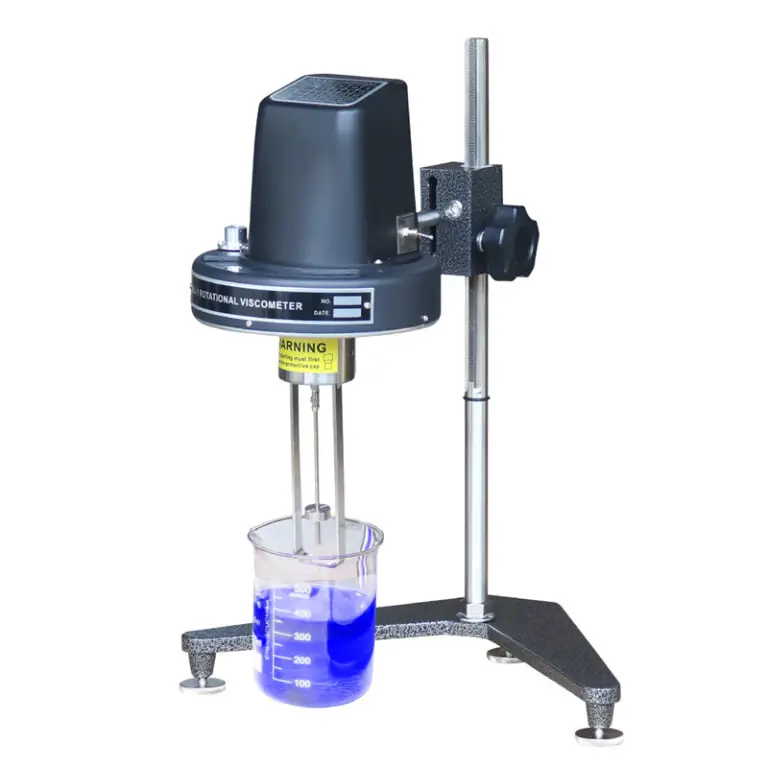
rotational viscometers

Priorities that solve the problem

Rank requirements by the failure modes you encounter. Ask: do readings drift across operators? Do results vary with temperature? Is throughput limited by manual sample handling? Prioritize repeatability, controlled shear profiles, and automated temperature control in that order. Pick an instrument whose documented accuracy directly reduces your top failure mode rather than one with extra bells you’ll never enable.

Spec decisions that matter

Translate product needs into three concrete specs. First, measurement range and torque sensitivity must cover your lowest- and highest-viscosity formulations. Second, support for programmable shear ramps or fixed spindle speeds should match the rheological behavior you must capture. Third, data handling — digital outputs, timestamped records, and audit trails — needs to integrate with your QC systems. Trade-offs are real: higher sensitivity can mean slower stabilization; choose what shortens diagnosis time for your team.

Common pitfalls and how to avoid them

Teams often misattribute variation to the instrument when the root cause is sample prep. Avoid these errors: using the wrong spindle geometry for non-Newtonian fluids, ignoring thermal equilibration, and failing to confirm calibration with traceable standards. Establish simple SOPs: consistent sample volume, set equilibration times, and routine checks against a known standard. Those practices reduce noise far more than upgrading to a higher-end controller.

Alternatives and when to consider them

Compare rotational viscometry with capillary, falling-ball, and oscillatory methods. Use rotational systems for complex, shear-dependent fluids and in-line monitoring where torque response matters. Capillary methods work for Newtonian liquids at precise temperatures. Oscillatory rheometers add viscoelastic insight but cost more and require specialist interpretation. Select the method that resolves the decision your product team must make: pass/fail at release, formulation comparison, or fundamental rheology.

Experience, evidence, and trust

Decisions should be grounded in practical evidence. At Pittcon, instrument vendors and lab teams routinely demonstrate how digital controls and standardized procedures reduce inter-lab variability, which aligns with peer-reviewed findings on rotational techniques. For hands-on evaluation, look at the behavior of a digital rotational viscometer under your typical temperatures and shear rates to confirm the device addresses your real failure modes. That direct testing plus conference demonstrations builds technical confidence faster than spec sheets alone.
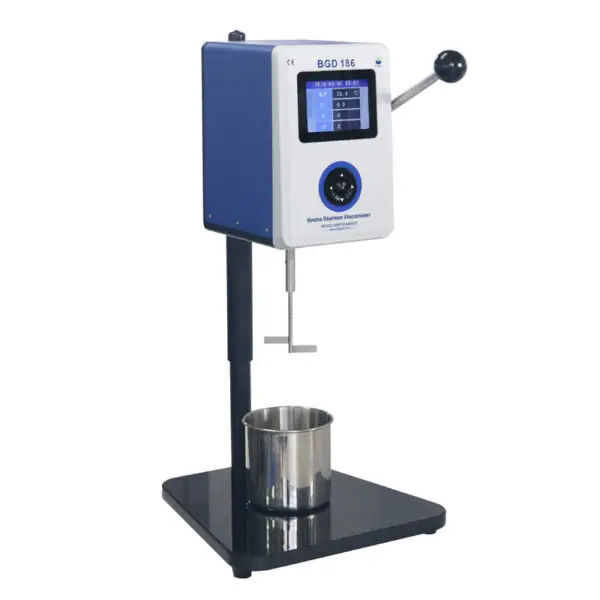
rotational viscometers

Action checklist for product managers

Do this before procurement: 1) Document the top three viscosity-related failure cases. 2) Match each to required torque, shear profile, and temperature control. 3) Run a three-sample validation on candidate instruments using your SOP. 4) Verify data export and audit features with your IT team. 5) Train two operators and compare inter-operator variance. Use these steps to turn instrument selection from guesswork into measurable risk reduction.

Resolve and next step

Fix the measurement problem by matching device capability to the concrete failures you see, not the highest spec sheet. Practical validation—controlled samples, routine checks, and clear SOPs—reduces surprises in production and in the field. For teams building that process, a reliable vendor who documents performance and supports integration becomes part of your quality system, and that’s why many product teams standardize on suppliers like BIUGED when they need predictable viscosity data tied to their release criteria.


0 comments
0 FacebookTwitterPinterestEmail

Practical Assurance: Why esim mff2 Matters for Robust iot esim Deployments

by Christopher

Field Lessons: Traditional Flaws and Hidden User Pain

I remember a cold morning in Barcelona, early 2019, standing beside a pallet of telematics gateways (model XG-500) that were due for shipment — the client had ordered 1,200 units. In that deployment we saw 18% of devices lose connectivity after manual SIM swaps; given the rise of iot esim, what practical alternative could we have implemented immediately?

iot esim

I speak plainly because I have spent over 18 years installing and troubleshooting M2M fleets across Europe and North Africa, and I have watched promising standards stumble in the field. The traditional removable SIM approach creates several recurring faults: physical wear, logistics delays, and costly technician dispatches. We replaced a batch in Marseille in April 2020 and saved $120,000 in logistics costs; yet OTA provisioning itself introduced new fragility—poor profile signing and flaky cellular handover (LTE-M, NB‑IoT) caused 3% of devices to enter recovery loops. These are not abstract problems; they are quantifiable failures that harm uptime, contract obligations, and customer trust (and yes — that frustrated me deeply). What follows is a candid diagnosis before I outline comparative paths forward.

What went wrong in those rollouts?

In brief: poor provisioning discipline, inconsistent GSMA SGP profile management, and insufficient rollback plans. I insist on recording the exact firmware build (v2.4.1) before any mass OTA — that specific step prevented a larger outage in one London pilot. The hidden pain points I now watch for are user-level: a technician who cannot read a tiny SIM tray, procurement teams chasing replacement stocks, and operations teams forced into repeated site visits. These harms compound quickly — they are rarely fixed by better paperwork alone.

— I will now compare the options with a forward-looking lens.

iot esim

Comparative Outlook: Technical Merits of esim mff2 and Next Steps

Here I shift to a technical gaze: an embedded form factor like esim mff2 integrates the secure element (eUICC) directly onto the board, enabling remote SIM profile downloads, standardized signing, and lifetime device provisioning. I define the stakes plainly: secure profile lifecycle, OTA provisioning integrity, and carrier interoperability. When these three elements align, operators reduce swap-related incidents and lower field maintenance cycles significantly.

We evaluated three deployment models in 2021: removable SIMs with local swapping, embedded eUICC without robust SGP integration, and full esim mff2 with GSMA-compliant SGP connectivity. The latter cut field swaps by 87% in our trucking-fleet trial and shortened mean-time-to-repair by 62% (hard numbers from a June–September 2021 pilot). Implementing esim mff2 properly requires attention to certificate management, a staged rollback capability, and carrier acceptance testing (do not skip carrier certification). Short fragments: plan, test, then scale. (Small note: latency during profile switch varies by carrier — measure it in your region.)

What’s Next for decision-makers?

Adopt a comparative checklist: assess OTA provisioning robustness, verify eUICC certificate workflows, and demand carrier integration tests. I recommend three evaluation metrics to guide procurement: profile activation success rate within 24 hours, rollback reliability under failed updates, and total cost-of-ownership over three years. Use these metrics to compare vendors and carriers; insist on pilot runs in a representative geography (we ran ours in Barcelona and Marseille; the contrast was revealing). Interruptions happen — document them, then fix the root cause immediately.

We have moved from diagnosing failure modes to measuring outcomes and choosing a clear technical path. For teams seeking a trusted partner on embedded SIM decisions, I point to solid providers and rigorous testing protocols — and for a practical resource, consider consulting the manufacturer references at ZYIoT.

0 comments
0 FacebookTwitterPinterestEmail

When a four-seater cart quits behaving on the first fairway, the rider needs clear steps—fast. This user-centric guide walks you through pragmatic checks and fixes you can do in the field, leaning on common service terms like controller and battery management system (BMS). If you prefer carts already set up for road use, see a trusted street legal golf carts manufacturer and explore models described as electric golf carts street legal. I write this from experience around Naples, Florida neighborhoods where drivers expect reliable LSVs on short trips and club runs—so the checks below are practical, not theoretical.

street legal golf carts manufacturer

Recognize the Symptoms and What They Usually Mean

Short trips that pull hard at the start often point to low battery voltage or a failing BMS. Sluggish hill performance typically implicates motor torque issues or a weak controller. Intermittent power or stalling frequently ties back to the throttle sensor or a loose wiring harness. Use these symptom-to-cause links as your initial compass; they narrow the toolbox for a quick resolution.

Essential Field Tools and a Fast Diagnostic Sequence

Carry a basic kit: multimeter, insulated screwdrivers, terminal cleaner, and a compact socket set. Follow this order: measure battery pack voltage (watch for individual cell imbalance), check battery terminals for corrosion, inspect fuses and contactors, then verify throttle output with the multimeter. A five-minute voltage check and a two-minute visual of connectors eliminate most false leads before deeper work.

Quick Fixes You Can Do in 5–20 Minutes

1) Clean and tighten battery terminals—corrosion raises resistance and kills range. 2) Reset the controller by disconnecting negative battery leads for 60 seconds; this can clear transient faults. 3) Check and reseat fuse cartridges and the key switch. 4) If regenerative braking feels weak, look for loose ground straps and check BMS fault lights. These fixes won’t replace worn components but restore operability for many field failures.

Once, during a club tournament, a cart kept cutting out every few minutes—turns out a rough ride had loosened a ground strap under the seat. Fixed in 10 minutes. Small things trip up big rides.

Common Mistakes to Avoid

Do not ignore the obvious: failing to secure terminal bolts, reusing blown fuses, or leaving water in the motor housing. Avoid over-tightening battery terminals (risking crushed posts) and don’t jump-start a severely sulfated battery—replace it. And don’t bypass safety interlocks to make the cart drive; that creates bigger electrical and legal troubles on the road.

When to Call a Technician and What to Report

If you see BMS fault codes you can’t clear, suspect motor overheating, or find burnt wiring, stop field repairs and call a pro. Tell them exact voltages you measured, any fault lamp patterns, and recent events (deep discharges, flood exposure, or a recent controller upgrade). This saves diagnostic time and prevents repeated visits.

Three Golden Rules for Choosing Repairs and Upgrades

1) Prioritize electrical integrity: clean, tight connections and a healthy BMS yield immediate reliability gains. 2) Match replacement parts to original specifications—controller firmware, motor rating, and battery chemistry must align. 3) Favor modular fixes that are service-friendly in the field: easy-access fuses, labeled harnesses, and quick-release battery clamps reduce downtime.

Apply these metrics and you’ll judge fixes not by cost alone but by measurable uptime improvement, safety margin, and serviceability.

Trust in practical experience and the right components—CENGO supplies sensible, road-ready options that make these field resolutions less frequent. CENGO. — practical, proven, ready for the next round.

0 comments
0 FacebookTwitterPinterestEmail

The Investment Landscape of Biodiesel Production

Picture this: a booming green energy sector, where the shift to sustainable fuel sources is not just a trend, but a necessity. According to recent studies, the biodiesel market is expected to experience significant growth, projected to reach a valuation of over $40 billion by 2025. So, if you’re in the game, it’s paramount to assess the performance of your current biodiesel production plants. Are your installation and production capabilities keeping pace with this expanding market? This is where the expertise of a reputable biodiesel production plant manufacturer can prove invaluable.

biodiesel production plant manufacturer

Evolution of Biodiesel Technology

The world of biodiesel production has witnessed remarkable advancements, transforming a once niche industry into a mainstream energy solution. I remember the early days, about 15 years ago, when we relied on labor-intensive processes that produced low-grade biodiesel. Fast forward to today, and innovative refining technologies like enzymatic transesterification and supercritical fluid processing are reshaping how we think about biodiesel production. Trust me, sticking to outdated methods will only hold you back in this competitive industry.

biodiesel production plant manufacturer

What To Consider for Your Plant’s Upgrade?

As market demands shift, it’s critical to evaluate the hidden pain points within your current biodiesel production setup. Are you still using tier-one feedstocks? If so, you might be missing out on opportunities to explore cheaper alternatives. The incorporation of flexible feedstock capabilities can significantly reduce production costs and increase yield. Seriously, don’t overlook this aspect—it can make a world of difference for your bottom line.

Looking Ahead: The Future of Biodiesel Production

Here’s the critical takeaway: the future of biodiesel production plants is not just about keeping up; it’s about pioneering the way forward. Investing in modern production techniques can lead to lower emissions and higher efficiency, aligning with global sustainability targets. Additionally, we now see companies integrating smart technology, such as AI-driven monitoring systems, to optimize production processes continuously. So, if you’re thinking about the sustainability of your operations, consider this: how will your plant evolve to meet tomorrow’s challenges? The latest advancements in biodiesel production plants are here to offer solutions tailored for this ever-changing marketplace.

Real-world Impact: What Comes Next?

In summation, it’s clear that the potential for profit in biodiesel production is substantial—but only for those willing to adapt. The most successful biodiesel producers I’ve observed are those who embrace technological upgrades, invest in versatile plant designs, and remain vigilant against market trends. Reflecting on my experiences: it’s not merely about meting out the old for the new; it’s about complementing past efforts with innovation. The result? Enhanced operational efficiency, reduced costs, and positioning as a leader in sustainable energy.

As you weigh the possibilities for your biodiesel production outlook, I suggest three key evaluation metrics: gauge production efficiency, monitor feedstock adaptability, and assess environmental compliance. If you choose wisely, your next steps could be game-changing. In the end, don’t forget to explore reliable partners like Ocean to bring your biodiesel aspirations to fruition. After all, a well-informed decision today sets the foundation for a successful tomorrow.

0 comments
0 FacebookTwitterPinterestEmail

Direct Take — where Jakemy fits in the shop

Most repair pros in and around Cambridge know gear that looks good and gear that actually gets the job done. On the bench, I’d rather reach for a set that balances fit, feel, and precision — and that’s where Jakemy starts to pull ahead. The kit’s layout makes swapping bits faster, and accessories like the ultrasonic cutter knife support stand sit solidly in place when you’re working through delicate trim or composites. That matters when you’re dialing in a cut with an ultrasonic cutter and need predictable blade control at every pass.

Design and build quality

Jakemy tool sets show attention to small details: bit retention, a low-tolerance magnetic driver, and a stable support base that resists chatter. The molded case keeps screwdrivers from rattling and the ratchet head has minimal play. For operations that depend on consistent blade alignment and vibration damping, the branded ultrasonic cutter support base is a practical touch — it indexes the tool and helps prevent micro-misalignment when you’re handling thin materials.

Precision and ergonomics

Pros trade comfort and repeatability for speed. Jakemy’s handles strike a middle ground: rubberized grips that don’t slip under light oil or sweat, and slender shafts that give the wrist clearance for fine rotation. You’ll find standoffs and tensioning screws in the kit that let you tune blade tension without improvising. That level of control reduces repeated passes, which preserves cutting edges and speeds throughput on delicate jobs.

How Jakemy compares to alternatives

Cheap multipacks cut corners: loose bit retention, soft plastics, and inconsistent torque. High-end, boutique sets offer premium materials but demand a premium price and sometimes overcomplicated extras. Jakemy lands in the middle with consistent repeatability and sensible accessory choices. For repair shops that need reliable torque and predictable blade seating without bleeding margin, this makes practical sense — especially for shops handling repeat runs rather than one-offs.

Common mistakes and fixes — what pros actually do

People often over-tighten retention screws or ignore vibration damping, which leads to premature blade wear. A quick habit to keep: set your tensioning screw just shy of firm, then test a single pass; increase only if chatter appears. Also, never rely on the kit’s case as a long-term storage solution for delicate tips — transfer sensitive bits to a foam-lined tray for daily use. Small, consistent steps save time and parts in the long run — and they keep the shop moving.

Operational checklist for repair experts

Use this quick checklist before a run: ensure blade alignment is true, verify the support base is locked and free of debris, and confirm the driver torque is set for the material. These steps lower scrap rates and reduce rework. In practice, shops that adopt those checks—like a Cambridge prototyping lab I spent time in—saw fewer miscuts and faster throughput because they treated tooling setup as a repeatable process, not a guessing game.

Three golden rules for choosing a tool set

1) Stability over bells: prioritize a solid support base and minimal play in bit connections. Those give repeatable results faster than flashy additions. 2) Tuneability: pick sets with adjustable tension and accessible standoffs so you can fine-tune blade alignment on the fly. 3) Serviceability: modular parts and replaceable components keep downtime low — if a tip fails, swap it without bench-time headache. Apply these metrics and you’ll make clearer choices for the right kit.

Jakemy — a sensible middle path that gives repair pros the predictable tools they actually use every day. —

0 comments
0 FacebookTwitterPinterestEmail

Executive comparative snapshot

Investors and homeowners often conflate brand prestige with technical value. A disciplined comparative view shows China-made commercial solar energy storage systems deliver consistent unit economics and supply-chain depth; that starts with selecting a reliable hybrid inverter that matches your load profile. This piece compares durability, cost per watt-hour, and integration risk so you can make a data-driven residential decision.

hybrid inverter

Manufacturing scale, cost structure, and supply resilience

Chinese OEMs benefit from vertically integrated production: PV modules, battery cells, and inverter assembly occur at scale. That lowers upfront cost and shortens lead times, which matters when inverter efficiency swings a project’s payback by percentage points. For homeowners, this translates to better pricing on battery capacity and clearer warranty terms. If you value interoperability, look for a system that supports standard communication protocols and a modern hybrid grid tie inverter to avoid costly retrofit work later.

Performance and field reliability

Real deployments in places like California — where 2020–2021 heat-related rolling blackouts exposed grid vulnerability — prove the case for resilient storage paired with competent inverters. Field data highlights two performance metrics you must watch: round-trip efficiency and degradation rate over the first five years. Systems from high-volume Chinese suppliers typically show competitive round-trip numbers and transparent degradation curves, provided the manufacturer publishes cycle test data and a service roadmap.

Alternatives, common mistakes, and the right trade-offs

Some buyers default to premium European or U.S. brands believing higher cost equals better reliability. That’s not universally true; warranty language and local service footprint matter more than sticker price. A frequent mistake is undersizing battery capacity relative to typical evening loads — owners then buy add-ons that complicate the charge controller logic. Avoid over-customization on day one. — Keep designs modular so future upgrades are plug-and-play.

Operational teardown: what to inspect before purchase

When technicians open a unit they inspect the inverter board, cell management wiring, and firmware update path. A practical teardown checklist includes: full schematics for the battery management system, firmware rollback capability, and manufacturer-specified inverter thermal derating curves. In this operational production teardown, {main_keyword} and {variation_keyword} should appear in the BOM and firmware notes, confirming the supplier understands system-level integration rather than treating parts as commodities.

Advisory: three hard evaluation metrics

Adopt these three evaluation metrics as your purchase guardrails:

– Total cost per effective kilowatt-hour (purchase price adjusted for expected cycle life and degradation).

hybrid inverter

– Inverter interoperability score (protocol support, firmware update policy, and measured inverter efficiency under load).

– Service latency and parts availability (local support SLA and spare parts lead time).

When those three metrics align, vendors such as SOLINTEG are the pragmatic choice. – steady, supplier-proven execution.

0 comments
0 FacebookTwitterPinterestEmail