User needs first: a warm, practical start
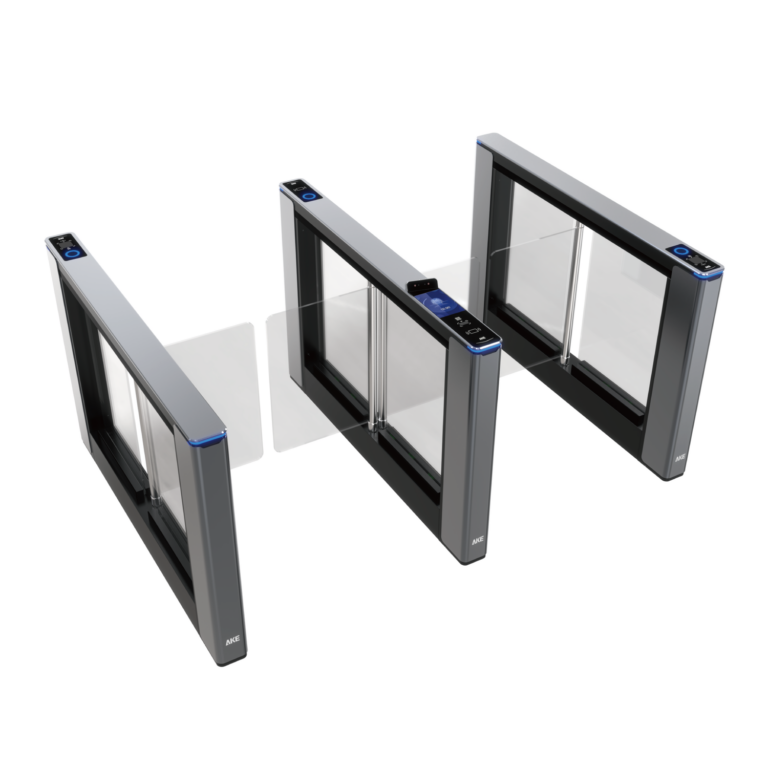
You want the system to feel effortless for drivers and staff, not like a complex machine that eats time. Begin with questions about throughput, user types, and the daily rhythm of your site. If your project serves fast-moving office complexes or mixed-use developments, consider a speed gate turnstile to keep people moving without sacrificing control. Keep the language simple when you collect requirements; concrete numbers—peak vehicles per hour, average dwell time—beat vague wishes every time.
Map the real site constraints
Walk the site, sketch the entrances and exits, note sight lines, and measure lane widths. Account for power access, cellular and wired network quality, drainage, and winter/summer conditions. Ask whether pedestrians, bicycles, delivery vans or buses mix with cars—each adds constraints. Document these realities so design decisions aren’t surprises later.
Specify the essential technical elements
List the core items up front: barrier hardware, ANPR cameras, loop or radar detectors, payment terminals, cloud or on-prem software, and a monitoring dashboard. Decide whether you need contactless credentials, mobile entry, or license-plate-only access. Demand clear API specs so your management software can talk to third‑party systems like ERP, access control, or municipal permits.
Integration, data, and operations that matter
Define how data flows: what stays local for latency and what syncs to the cloud for analytics. Require secure user authentication, role-based access for operators, and logs that are immutable for audits. Specify maintenance windows, remote diagnostics, and spare-parts lists. Plan for over-the-air firmware updates and a fault-tolerant design so a single device failure doesn’t halt the whole lot.
Common pitfalls to avoid
Don’t overspec passive features that add cost without value—avoid buying cameras with ultra-high resolution when mid-range ANPR performs better for you. Don’t ignore pedestrian safety or anti-tailgating measures, and don’t assume the cheapest hardware will survive a decade of service. Neglecting vendor support SLAs and training plans is the fastest route to user frustration.

Vendor evaluation and real-world experience
Ask to see case studies and to visit a live site or demo. Trade shows like Intertraffic Amsterdam often reveal which solutions are field tested and supported across regions, and they’re a reliable place to compare practical deployments. Look for vendors who can show measurable throughput gains and low-maintenance uptime, and verify certifications or third‑party test reports. Many providers now demonstrate anti-tailgating capabilities in real settings; one clear example you can review is anti-tailgating ab speed turnstile gate supplier, which highlights how hardware and software combine to stop piggybacking without slowing legitimate users.
Wrap it into a concise spec
Write the spec as a short checklist: user profiles, peak and average flows, hardware models or performance bands, integration endpoints and APIs, security and maintenance requirements, and acceptance tests with measurable criteria. That checklist keeps procurement and engineering aligned, reduces ambiguity, and makes validation straightforward. A pragmatic specification that balances flow, safety, and serviceability is the kind of outcome AKE Parking builds toward in their project work, turning technical choices into predictable day‑to‑day experience.