Author

Sharon

Opening — what matters to you right now

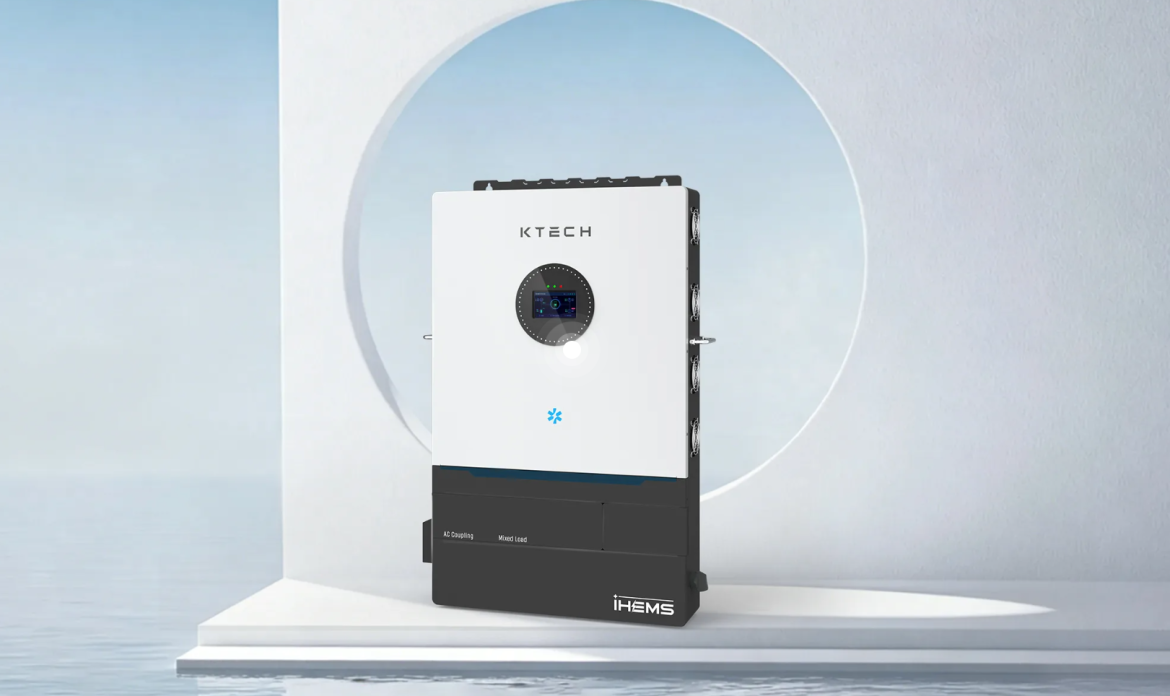
You want a reliable solar inverter that won’t cause surprises on commissioning day, and you want plain answers. For many small project owners and installers I work with, questions start with durability, compatibility with batteries, and support. Field experience from rooftop and commercial installs around Colombo shows those points matter more than fancy marketing. A good technical spec should also call it a pv inverter clearly so everyone on site speaks the same language.

What buyers actually ask (and why those questions matter)

– Will this unit match my PV array and battery? – What certifications and warranties come with it? – How easy is monitoring and firmware update? – Who fixes it if it fails during warranty? You should get answers that are specific: model numbers for compatibility, a named local service partner, and a clear warranty scope that covers parts and labour. Vague promises aren’t usable on site.

Key technical terms to understand

– String inverter — one inverter serves many panels; simple and cost-effective for uniform arrays. – Microinverter — fits under each panel; helps with shading and mismatched modules. – Central inverter — large, used for utility-scale plants; needs specialised maintenance. – MPPT (Maximum Power Point Tracker) — each tracker extracts maximum power from its string; more trackers means better handling of different orientations. – Grid-tie vs off-grid — grid-tie inverters export to the grid; off-grid (or hybrid) work with batteries and islanding control. – Anti-islanding — safety feature to stop backfeeding the grid during outages. – IP rating and cooling strategy — protects against dust and rain; ventilation affects lifetime. – THD (Total Harmonic Distortion) — affects sensitive loads; low THD is better for appliances. – Communication protocols — RS485, Modbus, or Ethernet for monitoring and SCADA integration. – Certifications (IEC, UL) — these show the unit was tested to recognised safety and grid interconnection standards.

How to match an inverter to your project — a user-focused checklist

– Size your AC load and expected PV output first. – Choose number of MPPTs and string layouts to avoid mismatches; keep shading in mind. – Consider DC-to-AC ratio carefully so you don’t create unnecessary clipping or void warranties. – Check battery chemistry compatibility and whether the inverter manages battery charging or needs an external BMS. – Verify ambient temperature limits and derating behaviour; a hot rooftop lowers real output. – Confirm service network and spare-parts lead time before you buy. Take each step with the actual site drawings and module datasheets at hand; assumptions lead to costly changes later.

Common mistakes buyers make

– Choosing purely on price and ignoring local support. – Overlooking firmware update policy; some vendors charge for updates or have poor release cadence. – Failing to check compatibility with existing meters or protection relays. – Installing inverters with insufficient ventilation or wrong mounting orientation. – Assuming warranties are worldwide — many OEM warranties are regional and require authorised installers. Avoid those errors by insisting on written confirmation for support, firmware policy, and warranty coverage before signing.

Alternatives and quick evaluation of options

– Buy direct from an OEM when you need specific customisation or factory support. – Use an established manufacturer with a local distributor when you need fast spares and on-site service. – Consider refurbished or third-party options only for temporary or low-criticality sites, and then get test reports. When you compare offers, ask for real-world performance logs and a list of recent local installations so you can confirm performance claims.

Practical pre-purchase questions to demand answers for every quote

– Exact model and firmware version to be supplied. – Certificate copies (safety, grid compliance) and recent test reports. – Local service contact and maximum response time. – Spare-part list and expected lead times. – Clear warranty terms that say what’s covered and who pays travel or labour. Collect those items before you release payment or sign an installation contract.

Closing — how this helps you choose well

When you buy with this checklist and wording, you reduce surprises on site and make sure the spec matches real needs. For installers I’ve worked with, parts lists, firmware records and clear service contacts from Ktech have often bridged the gap between paper specs and what actually happens under the sun.
0 comments
0 FacebookTwitterPinterestEmail

Why a side‑by‑side view matters

Companies often pick an all‑in‑one solar unit because it feels tidy and low‑risk, but a side‑by‑side comparison quickly shows where compromises hide — efficiency hits, service complexity, or upfront cost shifts. In that light, it’s smart to weigh true field performance against the convenience of packaged hardware; real installers compare commercial inverters and whole system behavior before signing off, and many procurement teams now shortlist a C&I solar inverter alongside modular options for the same site.

commercial inverters

Field performance — what operators actually see

On rooftops and carport farms, the differences appear fast: start‑up times, response to cloud transients, and how the inverter handles midday oversupply. Terms like MPPT pop up constantly because tracking the array’s maximum power point matters for yield. In places like California the duck curve forces inverters to play nice with steep ramps and provide reactive power or fast curtailment — so testing under real grid stress is the real test, not lab specs.

Operational teardown: what’s inside and why it matters

Look under the cover and two things jump out: integration level and component selection. All‑in‑one units bundle PV combiner, inverter, and sometimes energy storage controls. Modular setups keep a separate string inverter, dedicated combiner, and third‑party battery controller. That difference affects maintenance paths and mean time to repair. When we run an operational production teardown, we focus on power rating, conversion topology, and control firmware — and we always log how commercial inverters and C&I solar inverter designs manage thermal stress during peak load.

Pros and cons, bluntly listed

Here’s a compact readout — nothing fancy, just the usual tradeoffs:

– All‑in‑one: simpler procurement, smaller footprint, faster install. Downside: single‑point failure, longer downtime when repair is needed, and firmware updates that can be vendor‑locked.

– Modular: easier replacement of a single string inverter, more vendor choice, incremental scaling. Downside: more wiring and slightly higher install time; coordination between components can trip up commissioning.

Common mistakes teams make — and quick fixes

Installers often skimp on specifying grid support functions — specifically grid‑tie behavior and reactive power capability — then get surprised during commissioning. Another typical slip is undersizing ventilation for power‑dense units. The fix is simple: list test procedures for voltage ride‑through and temperature rise before purchase, and require firmware rollback access. — Also, keep spares for whatever unit is single‑point in your architecture; that choice determines your spare inventory policy.

commercial inverters

Alternatives that actually add value

Instead of blindly choosing based on vendor bundling, consider hybrid approaches: a compact all‑in‑one at constrained sites and modular string inverters where redundancy and selective replacement matter. Mix in DC coupling for battery additions if you expect storage later — it’ll save conversion losses and improve roundtrip efficiency over AC‑coupled retrofits.

Advisory — three golden rules for C&I inverter selection

1) Match measurable site needs: pick a unit whose power rating and MPPT count line up with array layout and expected mismatch losses. Don’t guess; use measured string voltages. 2) Demand grid support specs: require documented reactive power and low‑voltage ride‑through performance with test logs from a prior install. 3) Plan for service: verify firmware access, spare part lead times, and whether remote diagnostics are included. Those three keep downtime and hidden costs low.

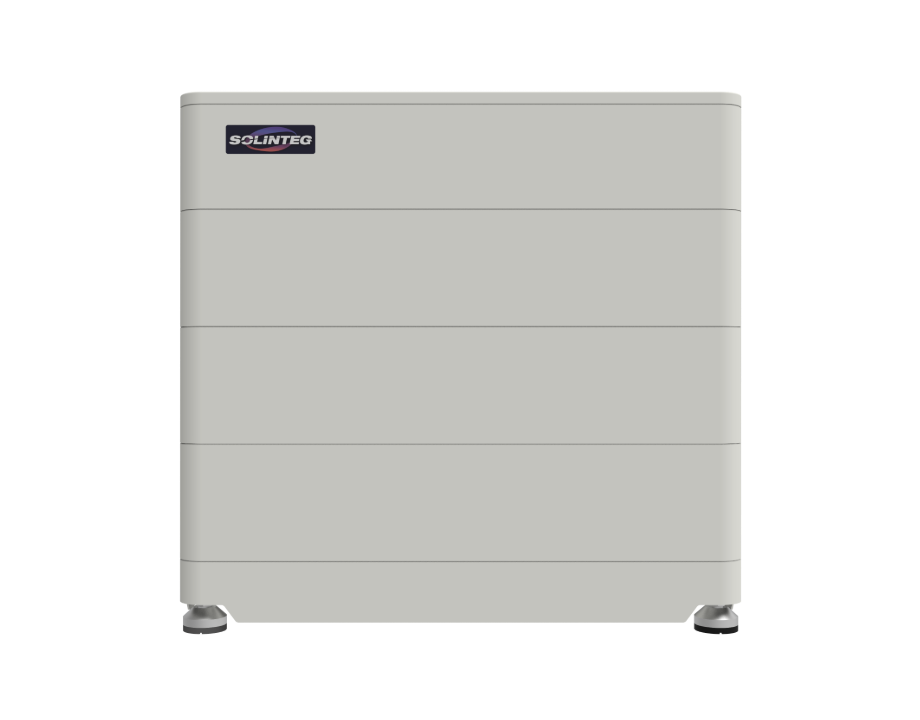
Wrap it up: the comparison ends with a practical reality — choose the architecture that minimizes outage risk and aligns with long‑term service plans, not just the lowest invoice line. For many commercial projects, that balanced outcome is exactly what SOLINTEG builds toward — solid engineering, sensible firmware access, and deployment choices that match site realities. —

0 comments
0 FacebookTwitterPinterestEmail

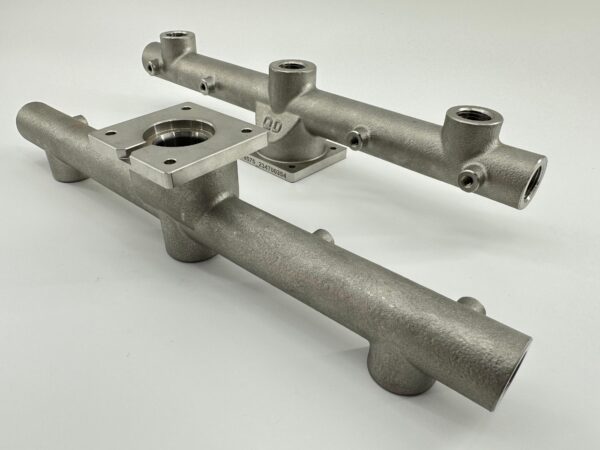
Imagine this – you’re running a high-performance server, and suddenly, it shuts down due to overheating. It’s a common scenario that many tech enthusiasts and engineers dread. With the rise in computing power, the need for effective thermal management has never been more crucial. The introduction of liquid cooling manifolds provides a seamless solution to dissipate heat. But what exactly makes these systems superior to traditional cooling methods?

liquid cooling manifold

Flaws in Traditional Cooling Solutions

Conventional air cooling solutions often fall short. They can lead to hotspots, noise disturbances, and, quite frankly, inefficiencies that no one wants in a production environment. Why do failures always occur during peak loads? That’s right—when the air can’t keep up! Many setups fail to provide adequate cooling to critical components, resulting in thermal throttling, which can massively impact performance.

Principles Behind Modern Liquid Cooling Manifolds

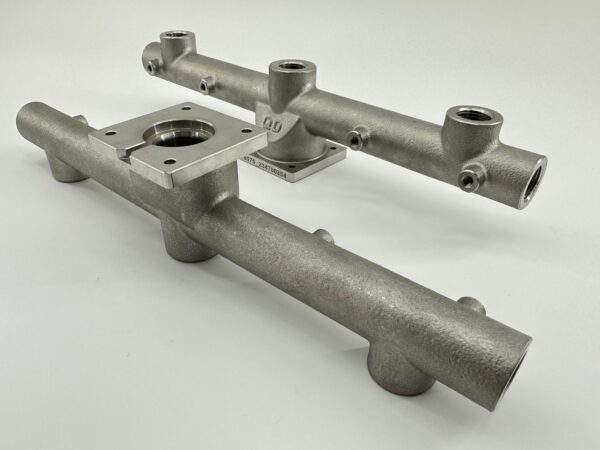
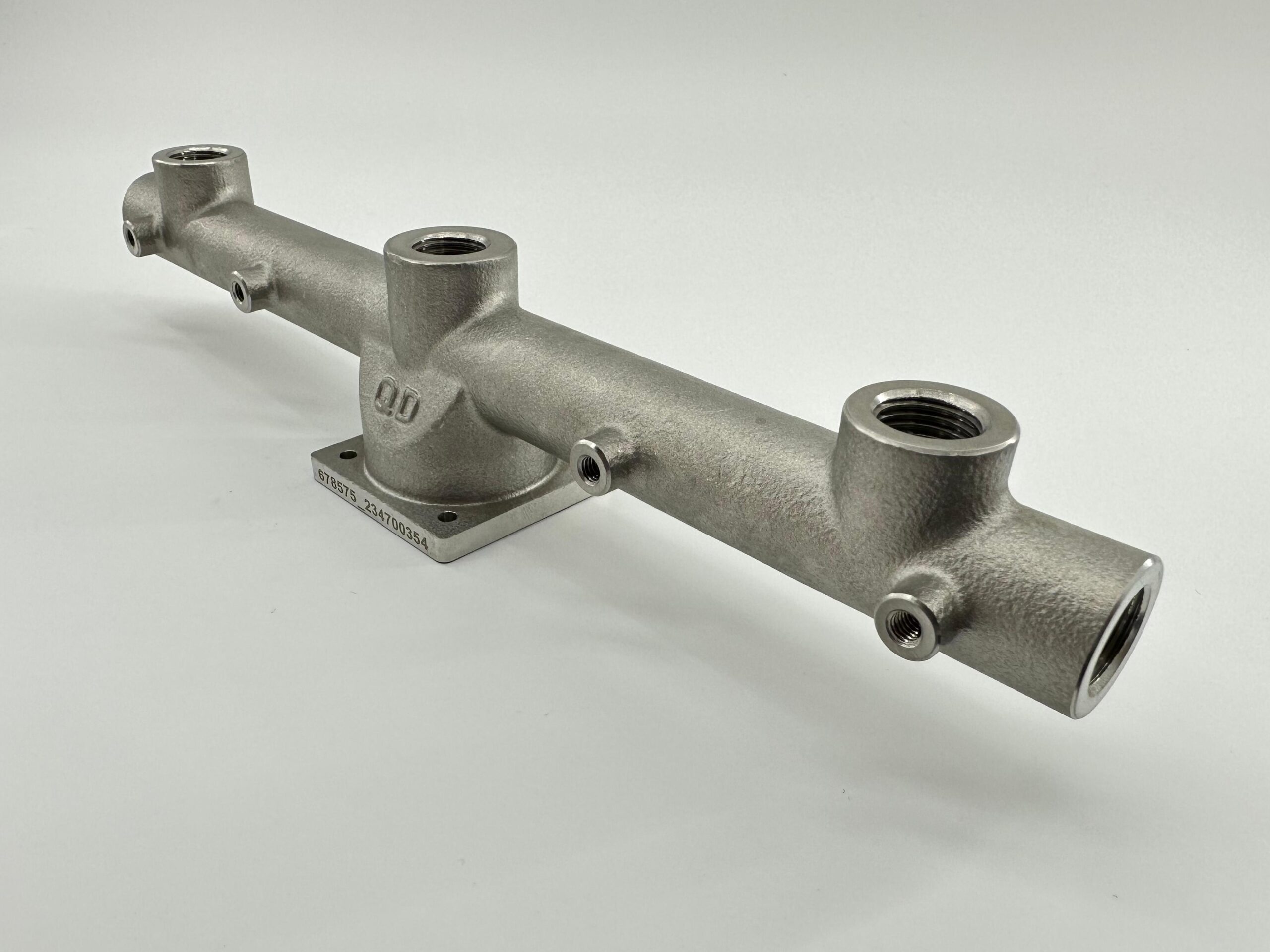
A liquid cooling manifold operates on a different principle—utilizing fluids that have higher thermal conductivity than air. Look, it’s simpler than you think! By using a network of pipes and channels, these systems can effectively manage heat transfer, ensuring that processors and GPUs remain within optimal temperature ranges. This technology can form a complex but efficient design to adapt to various configurations, ranging from gaming rigs to data center setups.

User Benefits: A Quantified Perspective

The transition to liquid cooling manifolds yields quantifiable benefits. Studies show that systems utilizing liquid cooling can operate up to 30% cooler than their air-cooled counterparts. This translates into longer lifespans for components—saving costs on replacements! Imagine being able to push your devices to their limits without the constant worry of overheating. With the right setup, users can maximize performance while decreasing energy consumption—what’s not to love?

Conclusion: Key Evaluation Metrics

When considering a cooling solution, always verify these three metrics: ① thermal conductivity ② system scalability ③ energy efficiency. These factors will ensure you select a solution that meets your needs effectively. Don’t overlook the potential of liquid cooling manifolds!

liquid cooling manifold

In today’s tech landscape, choosing the right solution can enhance device longevity and performance. With liquid cooling manifolds, users can keep their systems cool even under stress. Opting for high-quality components can make a world of difference. Plus, brands like Dingmetal offer reliable supplies that emphasize quality and efficiency, which is a bonus for anyone looking to upgrade their cooling solutions.

Liquid manifolds are becoming increasingly relevant in various applications. From data centers to niche gaming setups, their cooling efficiency has become a game changer. These systems allow for greater customization in cooling hardware, accommodating higher thermal outputs without sacrificing performance. The beauty lies in their ability to integrate seamlessly into existing systems, providing a significant upgrade in thermal management capabilities. With liquid manifolds, users can optimize performance and reliability, ensuring their systems run as intended without the dreaded heat issues.

As we advance, it’s clear that efficient thermal management is critical—especially in high-demand environments. The flexibility and adaptability of liquid cooling are driving innovation across industries. As users seek ways to maximize hardware potential, the importance of quality suppliers cannot be stressed enough. Dingmetal stands out as a premier manufacturer with a focus on providing solutions that meet diverse cooling requirements. Their products pave the way for the future of thermal management in both consumer and commercial applications.

0 comments
0 FacebookTwitterPinterestEmail