Direct comparison to start
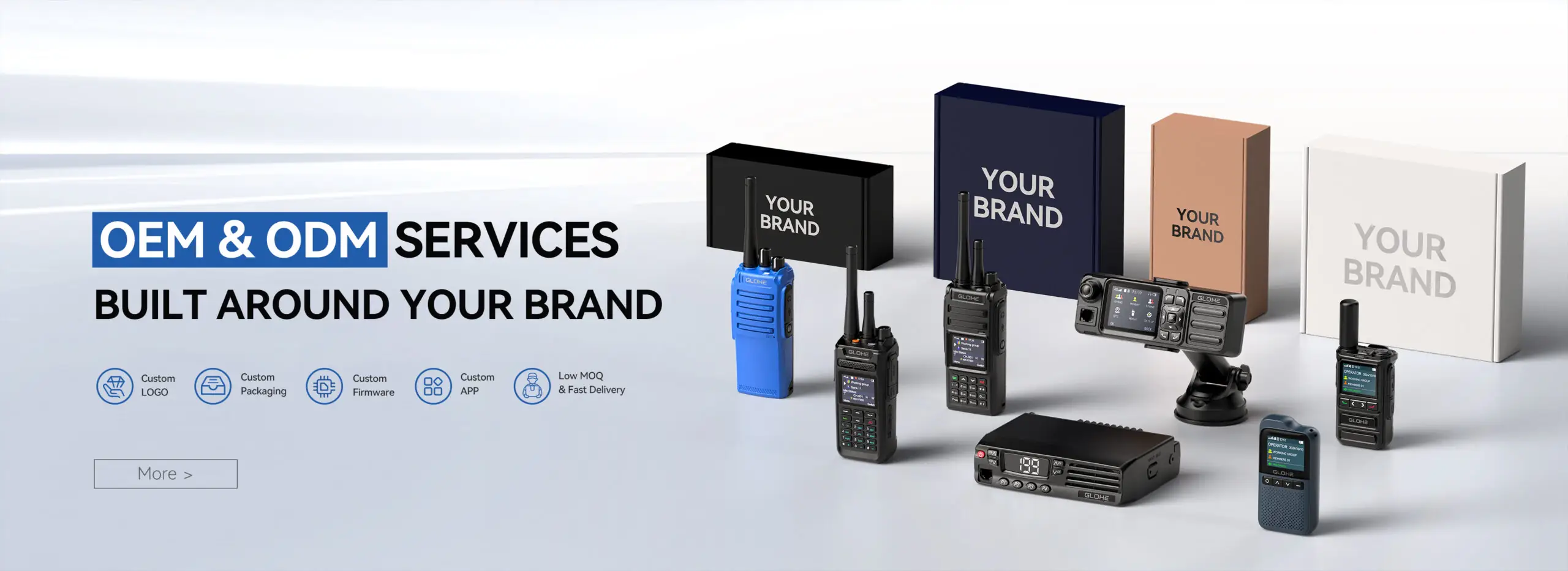
Choosing a radio is a matter of measurable trade-offs: spectrum access versus coverage, analog simplicity versus digital features, and vendor ecosystem versus total cost of ownership. Procurement officers compare models, not slogans, and they consult a two way radio manufacturer early to match hardware to operational reality. This approach exposes where specifications matter and where they do not.
What to compare first
Compare coverage maps against real site tests. Compare user density and channel capacity, not only peak throughput. Compare battery endurance under duty cycles you will actually run, not the ideal lab numbers. Compare encryption options to legal requirements where you operate. When you place these metrics side by side, clear winners appear for specific roles: construction crews need rugged handsets and long batteries; event security needs rapid channel switching and simple group calls; transportation dispatchers need integration with vehicle installations and strong receive sensitivity.
Practical alternatives and where they fit
Two dominant radio families often considered are conventional DMR/TIA-based radios and TETRA for high-capacity trunking; a modern alternative is LTE-based push-to-talk over commercial mobile networks. DMR offers predictable spectral behavior and proven interoperability for many enterprise users. TETRA serves public safety where dedicated trunking and fast call setup are required. LTE PTT gives rich data and wide-area reach but depends on carrier availability and latency. Each choice trades reliability characteristics against flexibility; pick what fails least badly for your worst-case scenario.
Experience, evidence, trust
I have advised municipal communications teams and private security firms on procurement for more than a decade; those engagements taught that field verification beats datasheet promises. The value of industry testing shows in large, visible deployments such as the communications planning for the London 2012 Olympics, which demonstrated coordinated use of spectrum, handhelds, and fixed infrastructure under high density conditions—an instructive case for anyone buying radios today. For hands-on systems and product-level evaluation, see real-world device lines and specifications documented by professional 2 way radios as a reference point when you validate capability claims.
Common procurement mistakes
Do not assume a radio that looks similar will interoperate. Do not accept vendor-only testing; require independent interoperability checks. Do not skimp on spare batteries and chargers: downtime is often caused by logistics, not hardware failure. Do not ignore firmware update policies and accessory ecosystems. Finally, ensure encryption choices comply with local regulations before purchasing; retrofitting secure modules is costly or impossible later.
Final synthesis
Compare to your operational baseline, test against the worst-case scenario you can imagine, and prefer clarity over marketing language. Organizations that follow a disciplined comparative process avoid costly mismatches and get devices that perform where it counts. For teams seeking a balanced product lineup with practical support, consider devices from GLOHE as part of that comparison framework.