Real-world Pain Points I Saw on Rooftops
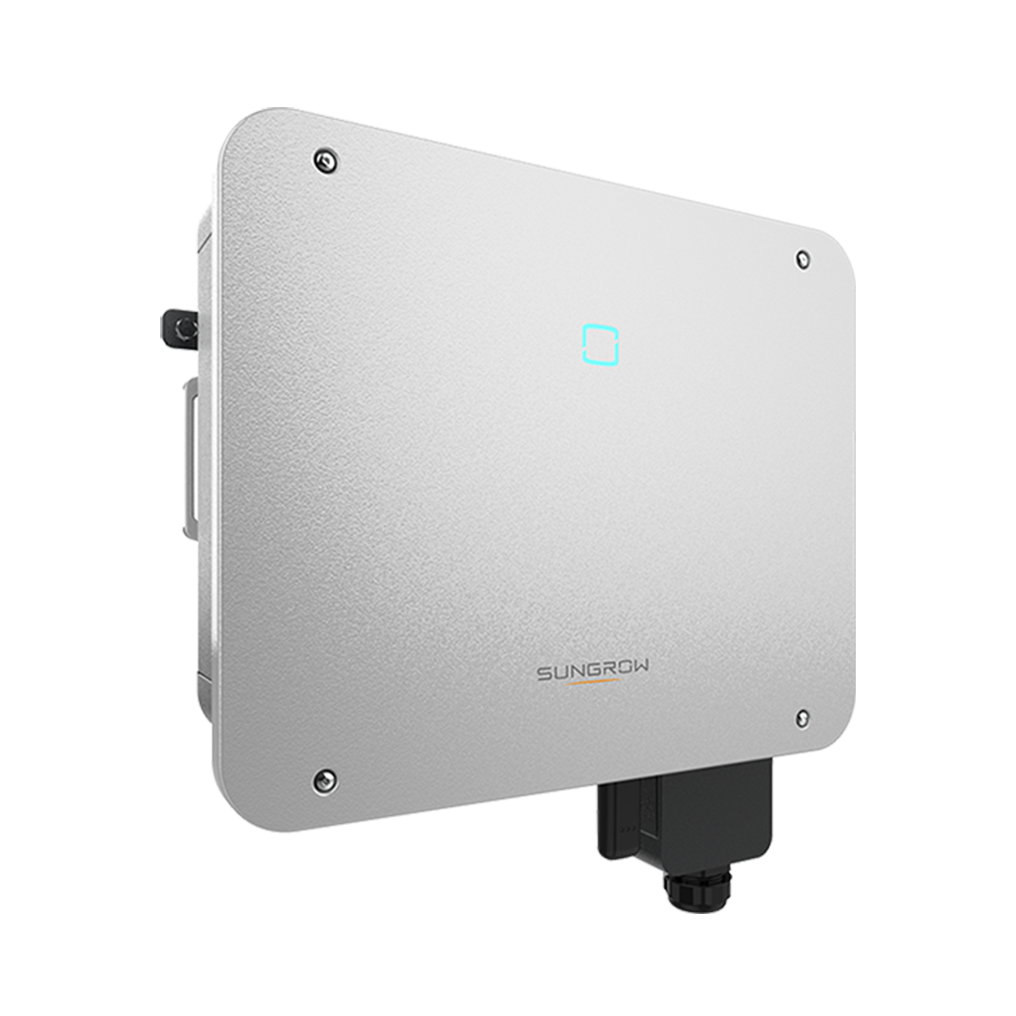
Last summer on a 120 kW commercial roof in Tucson, cloud flicker cut midday yield by roughly 9% during a four-hour stretch—what failed in design and choice to let that happen? I watched the limits of a solar string inverter layout reveal themselves fast, and I’m still thinking about the tradeoffs. Early on I relied on string inverter installs for their simplicity; over 15 years in B2B supply chain and field deployments taught me otherwise. MPPT behavior, DC/AC conversion losses, and grid-tie mismatch popped up as consistent culprits (and yes — that frustrated me).
Why did this architecture underperform?
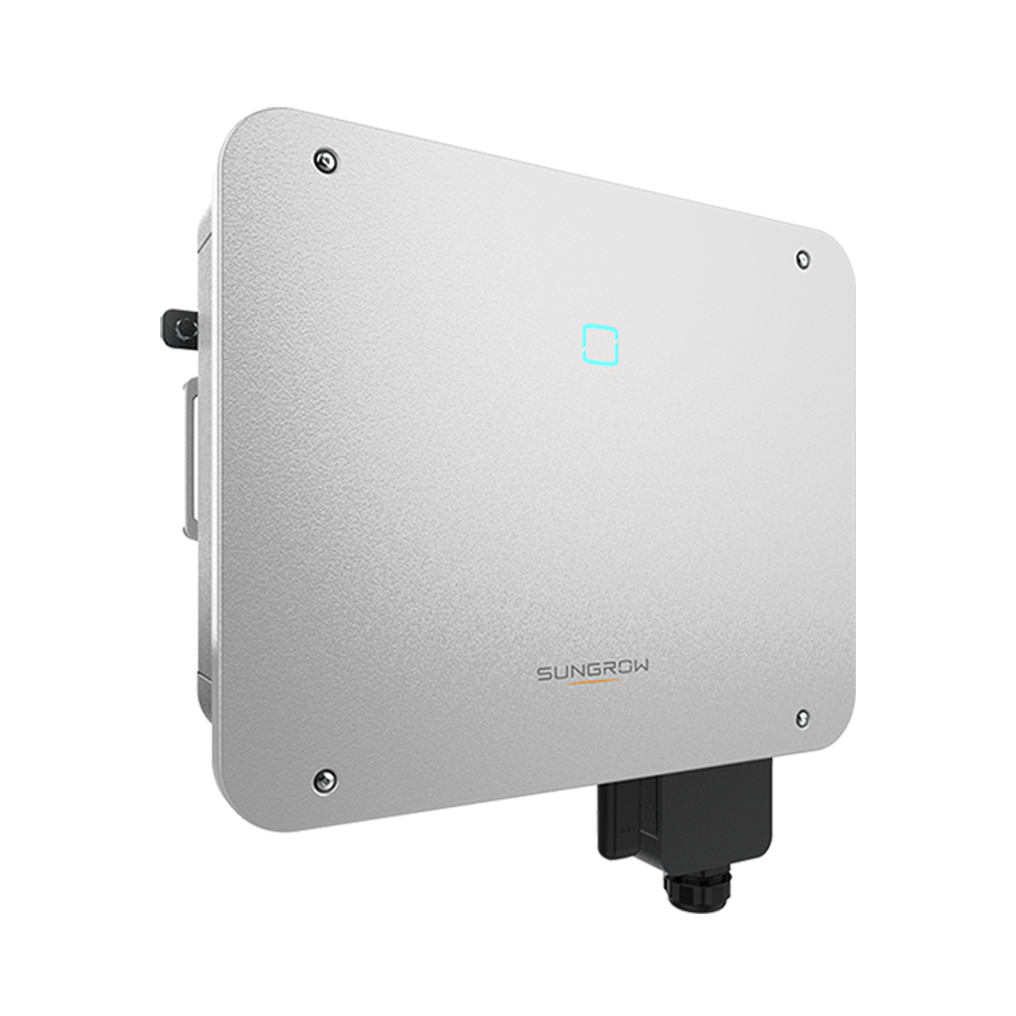
I vividly recall replacing a mislabeled SG125HV in July 2022 on Building B—output deficit was measurable: a 6% annualized loss versus projections after shading and string mismatch hit. I say measurable because we re-ran IV curves before and after swapping strings and logged the difference. I firmly believe the traditional single-string-per-string-inverter approach overlooks hidden user pain points: panel mismatches, partial shading, and maintenance complexity. Those are not abstract; they translated to extra truck rolls and invoice disputes for a small chain of grocery stores I managed in Phoenix last fall—concrete cost, not theory. This section ends with a simple thought: installers need more than advertised efficiency numbers to make good choices.
—Let’s shift focus to where solutions actually earn their keep.
A Forward-Looking Comparative View (Technical)
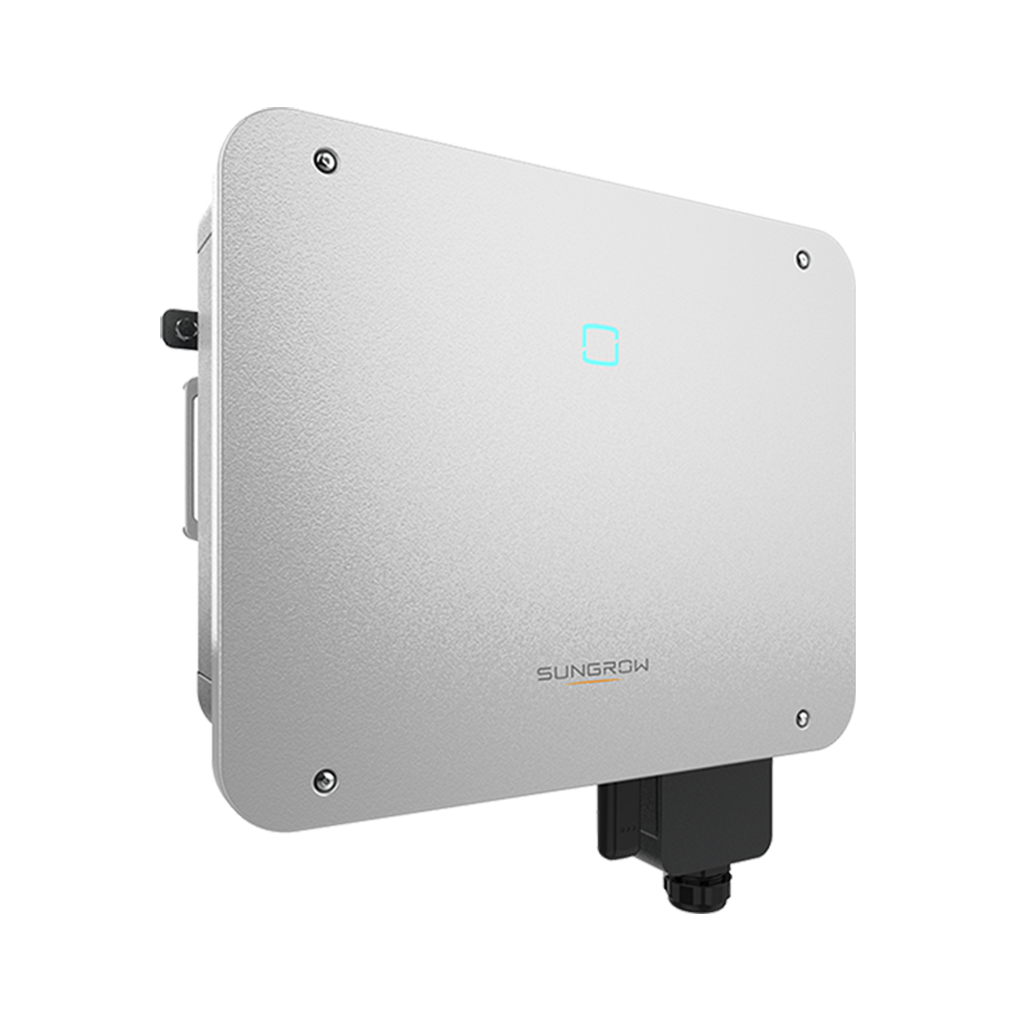
Now, looking ahead, I compare architectures with a clearer lens. When I evaluate next-gen options, I weigh string inverter simplicity against modular optimizer systems and microinverters by metrics that matter: site-level energy capture, maintainability, and lifecycle O&M cost. A modern solar string inverter can still be the right pick for homogeneous arrays on flat commercial roofs, but only if you’ve mapped shading vectors and match-panel batches tightly. I recommend gathering real IV curve logs during commissioning—this is the data that separates guesswork from actionable decisions.
What’s Next?
From my work in 2021–2023 across six municipal rooftops, the pattern was clear: arrays with mixed tilt or multiple azimuths favored optimizer-assisted strings; purely south-facing fields with uniform modules did fine with high-efficiency string inverters. I tested both setups side-by-side (two arrays, same week, same irradiance) and the optimizer-assisted string outperformed by ~4% under variable conditions. Short sentence. Then a longer one—detailing how that 4% translated into payback timeline moves the needle: on a 150 kW system it meant roughly $1,800 extra revenue annually, which changes ROI enough to matter to procurement teams.
To close: I offer three practical evaluation metrics you can use right away—1) measured site-level energy capture over a representative week (not just rated efficiency), 2) expected maintenance tasks per year (truck rolls, firmware updates), and 3) mismatch resilience (how much partial shading or panel heterogeneity before output drops >5%). I urge you to run those numbers on your next spec. Oh—and if you want a reliable vendor reference, check sungrow.