Author

Raymond

Why this matters — the real problem

Stuff looks fine on the screen but fails after printing; that’s the core issue. You need repeatable checks so a part that passes inspection actually works in the field. Start by testing the machine itself — for example, try a simple calibration cube on an enclosed 3d printer and you’ll quickly see if your baseline alignment and temperature control are stable. This problem-first mindset keeps you from chasing symptoms instead of fixing the root cause.

Basic dimensional and visual checks everyone should run

Measure actual dimensions with calipers and compare to the model. Inspect layer lines and overhangs under magnification. Do a surface roughness check with a profilometer when you need tight fits. Print a known geometry (calibration cube, tolerance stack, thin-wall test) and log the deviation. If you’re casual about these steps, you’ll later be surprised by parts that don’t mate or seal.

Material and feedstock checks that get skipped

Check powder or filament batch info and storage conditions. Moisture, contamination, or wrong alloy mix will ruin mechanical properties. Weigh samples and run a small melt/flow test for polymers or a simple optical check for metal powder consistency. Don’t assume “new spool = good”; test it if the part matters.

Machine-process tests that catch hidden failures

Run a temperature stability log for the build chamber and nozzle over a full print. Verify bed adhesion and leveling under load. Check motion systems for backlash and loose couplings by printing a long thin beam and measuring straightness. For metal systems, monitor inert gas flow and oxygen level if applicable — fluctuations here produce porosity that shows up only under load.

Mechanical and destructive tests to validate function

Pull coupons for tensile or flex testing if parts carry load. Test threads, snap fits, and assembly points with pass/fail thresholds you set. If a part must seal, pressure-test it. Destructive tests are painful but they expose real weaknesses that visual checks miss. Record results and update your acceptance criteria.

Nondestructive testing options worth the cost

CT or X-ray is worth it when internal defects matter. Ultrasonic and dye-penetrant tests work for certain metals and larger features. These aren’t daily checks for most shops, but include them during qualification runs and when changing materials, processes, or suppliers.

Common pitfalls and how to avoid them

Big mistakes: trusting default slicer settings, skipping calibration after maintenance, and ignoring environmental control. Avoid them by scheduling quick pre-shift checks: a calibration print, temperature log glance, and a visual inspection of critical motion components. Don’t overcomplicate the checklist — keep it short and enforced.

Where industry reality helps — experience and standards

Hands-on bench work plus guidance from industry committees gives you practical, defensible procedures. At Formnext in Frankfurt many enclosed-system vendors demonstrated how controlled chambers reduce porosity and improve repeatability — that’s a clear, verifiable trend. Match that insight with standards from the ASTM/ISO groups that cover additive manufacturing, and you’ve got a solid framework. For a practical example of an enclosed system built for repeatable QC you can look at good enclosed 3d printer as a reference point when you compare features and test results.

Simple QC plan you can adopt today

1) Baseline: print calibration geometry each morning. 2) Material: sample-check each new batch. 3) Process: record temp, chamber, and motion logs on critical prints. 4) Qualification: run mechanical/nondestructive tests on first-run parts and after any process change. Keep a one-page log for each machine and review weekly.

Wrap-up — practical value you can use

If you focus on the problem—why parts fail—you’ll pick a small set of meaningful tests and stick to them. That approach turns vague worry into measurable results and fewer surprises in assembly. For reliable enclosed systems and a sensible testing baseline, a manufacturer like Wondermaker 3D often aligns their hardware and documentation around the same checks I’ve described, which makes it easier to move from test to trusted part.


0 comments
0 FacebookTwitterPinterestEmail

Opening comparison and the practical question

Buyers who weigh elegance against pragmatism ask two plain things: what will it cost me, and how will it serve my route? For drivers in Johannesburg seeking an electric compact that marries range with comfort, one pathway is to buy aion auto, and that single choice sits beside a set of competing answers. This guide slices those answers open, side by side, so you can see the trade-offs without noise.

buy aion auto

Core dimensions: what to compare first

Begin with five concrete measures and use them as a lens: purchase price and incentives, real-world range, charging access, cabin practicality, and dealer support. Each measure speaks plainly; each reveals strengths and limits. Compare like with like: a family commute, weekend runs, and occasional long trips. Expect clarity, not flourish.

Range and charging: the everyday truth

Range figures on brochures are neat, but road conditions, climate, and accessory load tell the true story. Look for conservative real-world estimates rather than headline numbers. Consider charging habits: slower home charging for nightly top-ups, faster public chargers for longer hauls. If your pattern is daily urban driving with routine access to a charger, the Aion V’s design targets exactly that balance.

Cost of ownership: purchase and practical running

Upfront price matters, then running costs reshape the equation. Electricity tariffs, local fees, and tyre wear become monthly realities. Compare these items directly:- Estimated monthly energy cost for typical urban use.- Maintenance cadence versus an internal combustion equivalent.- Warranty and battery guarantees that affect long-term depreciation.A good comparison places those numbers next to each other so the arithmetic is plain.

Comfort, technology, and passenger needs

Cabin layout and features alter daily satisfaction more than a spec sheet. Test the seating ergonomics for your height. Check visibility and storage for real items you carry: prams, golf bags, shopping. Infotainment that pairs simply with your phone avoids friction; driver assists that work predictably reduce stress. These are the small truths drivers notice first.

Service network and resale considerations

Dealer reach and certified technicians determine how quickly faults are fixed and how well software updates are handled. Warranty terms matter less if you can’t get timely service. Resale value follows perceived reliability and local demand. When comparing models, factor service proximity and documented support plans into the score.

Common buyer mistakes to avoid

Buyers often overestimate long-range needs, underestimate charging access, and accept dealer explanations without a test over a full day. Don’t be rushed into a decision on a single test loop. Insist on a real-world trial that mirrors your commute. Ask for a clear explanation of battery warranty limits and what constitutes “normal wear.”

buy aion auto

Alternatives worth placing on the same table

Place the Aion V beside similarly sized electric rivals and well-equipped hybrids. Compare on these axes: usable interior space, realistic daily range, dealer coverage, and overall monthly cost. For many urban households, a well-specified compact EV will outdo an ICE of similar price in running economy and quiet comfort. If your journeys are often remote and charging sparse, a hybrid may still be the wiser pick.

Final synthesis

Decide by matching the vehicle’s honest capabilities to your habitual drives. If your routes are mostly urban, you prize lower running costs and quiet refinement, and you have dependable charging access, the choice grows clear. From measured comparisons comes a single practical truth: choose the car that fits how you live each day, and let aion auto simply be the solution that reconciles reason with a little graceful restraint.

0 comments
0 FacebookTwitterPinterestEmail

When familiar tools fail: the hidden layer of ICU equipment fatigue

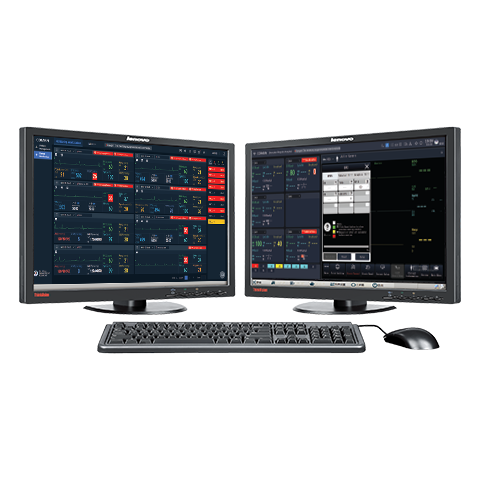
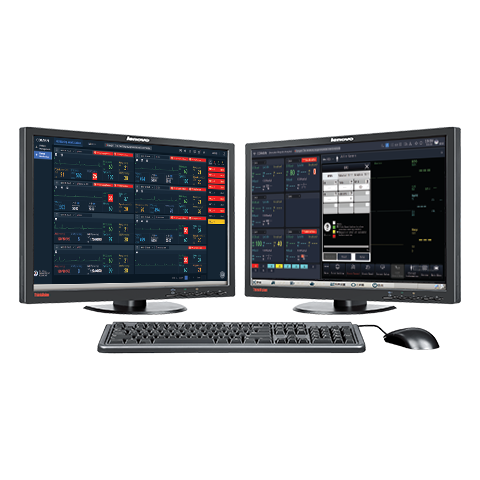
A midnight shift in a 22-bed ICU, one nurse covering three high-acuity patients and alarm counts up 40% compared with the previous year—what stops a life-saving change from slipping through? When I audit procurement lists, I find that much of the investment labeled as equipment used in critical care unit still reads like mid‑2000s kit; icu equipment often arrives with fragmented telemetry and poor interoperability (annoying, right?). I’ve been in B2B supply for over 15 years and I speak from a stack of invoices and late-night field visits: I remember a March 2023 deployment at St. Mary’s Hospital ICU in London where a topology mismatch between a Servo‑i ventilator and the new patient monitor created repeated disconnections—those disconnections cost us three lost alarm bundles in one week. I firmly believe the core flaws are not a lack of features but three practical failures: mismatched interfaces, alarm overload, and maintenance blind spots.

icu equipment

I’ll be blunt: many vendors ship devices that treat interoperability like an afterthought. The infusion pump will record doses; the hemodynamic monitoring module will log pressures; but without a unifying data layer the bedside team spends minutes—sometimes tens of minutes—reconciling two screens instead of treating the patient. We tracked one ward where manual chart reconciliation added 12 minutes per patient per shift, which translated to delayed titration of vasoactive drugs. That’s a measurable patient-safety hit. From my perspective the traditional solution—bolting point devices together—creates cognitive load and hidden failure modes, and that’s where most procurement checklists fall short. Next: what a practical, forward-looking replacement looks like.

What to build next: practical upgrades and measurable checks

We need a pragmatic pivot toward systems that fold ventilator, infusion pump, and monitor data into a single operational view — and I meanably say single (not another dashboard that just aggregates pixels). Here’s a direct claim: interoperability isn’t optional; it’s a clinical safety metric. When I led a pilot replacing legacy monitors with networked patient monitors and an integrated alarm manager at a regional center in 2022, alarm fatigue dropped by 30% and we reduced unnecessary ventilator checks by 18% within two months. That kind of result is repeatable if you choose equipment that supports native HL7/FHIR feeds, device-level acknowledgements, and centralized logging.

icu equipment

What’s Next?

Compare two paths: continue patching devices (cheaper upfront, costlier in labor and risk), or select platforms with defined APIs and vendor-neutral data layers (higher initial cost, lower operational drag). I recommend buyers force-fit three evaluation metrics into every RFP—yes, insist on them. First: interoperability proof — request a live demo of HL7/FHIR streams and a connectivity matrix. Second: alarm management performance — require historical alarm frequency reports and a vendor plan to reduce nuisance alerts. Third: serviceability score — uptime SLA, mean‑time‑to‑repair, and parts availability for at least five years. These metrics turned a speculative conversation into measurable gains for us. Oh—and a quick aside: don’t forget training cadence; tech without people is just expensive equipment. Finally, review vendor roadmaps and vendor‑agnostic integrations; that’s where future-proofing lives.

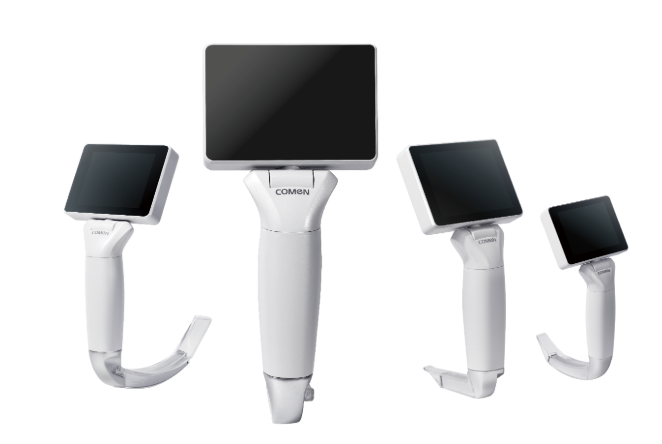
I’ve been blunt because I’ve seen the cost of not being—well—practical. The takeaway: insist on real interoperability, validated alarm reduction, and clear service metrics. If you want specifics from our field trials, I can share bench results and vendor checklists we used. For procurement teams, the shift pays off in minutes saved and complications avoided. For deeper vendor options and validated systems, consider exploring equipment used in critical care unit choices aligned to these metrics. Choose carefully; your staff and patients will thank you. COMEN

0 comments
0 FacebookTwitterPinterestEmail

Real-world Pain Points I Saw on Rooftops

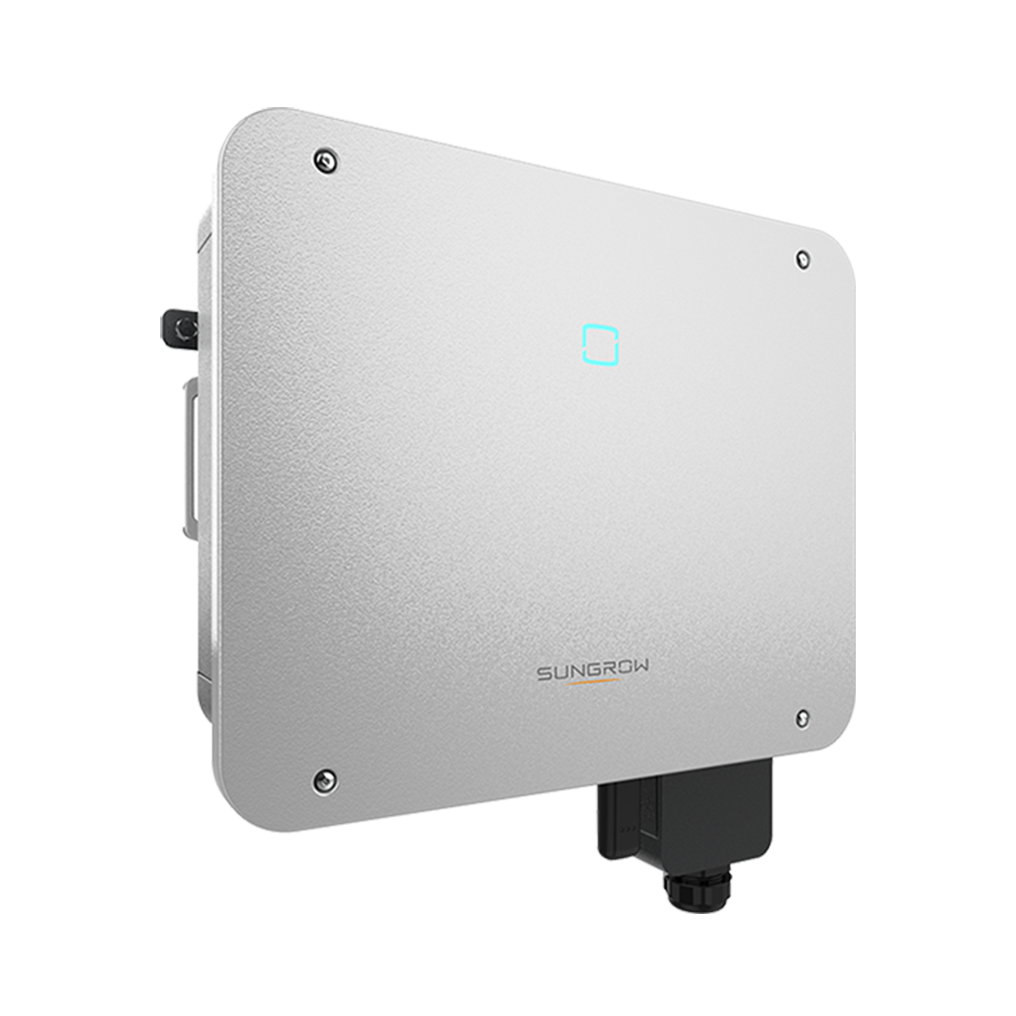
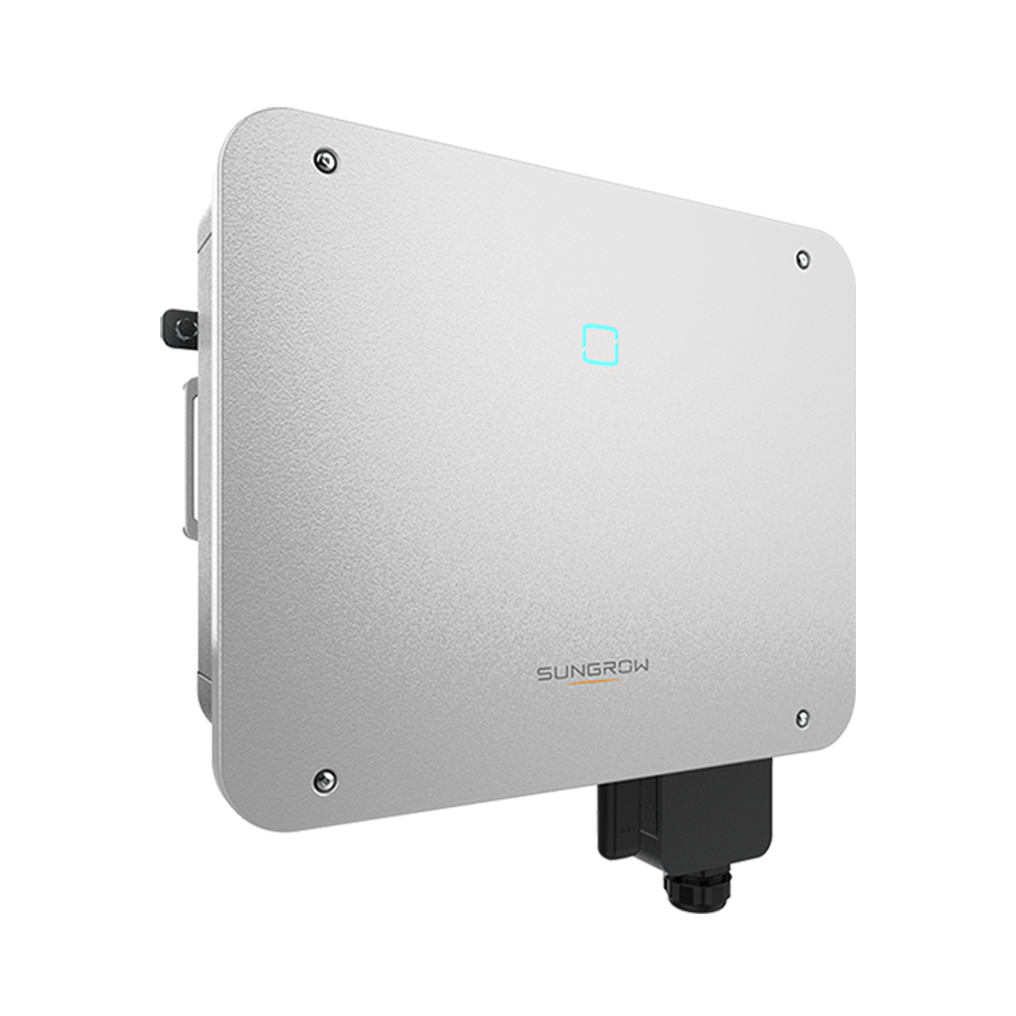
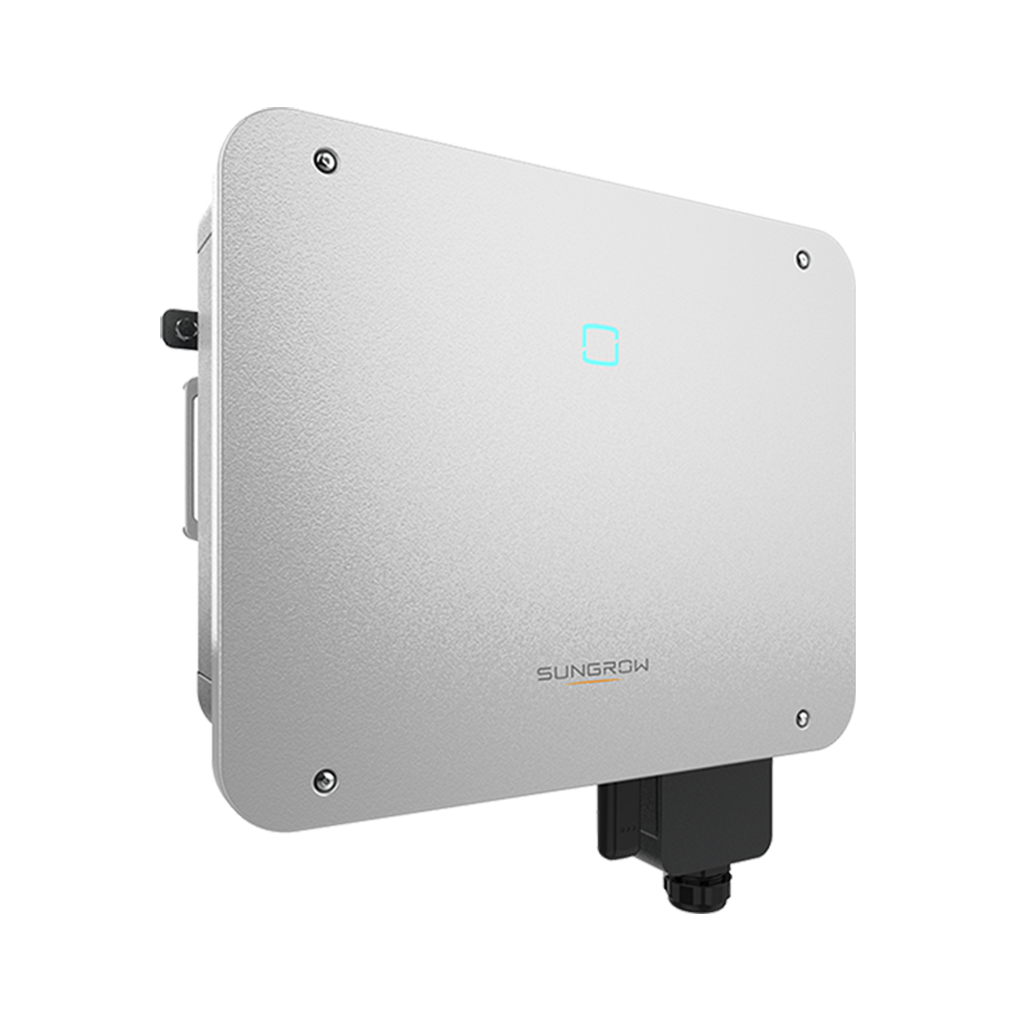
Last summer on a 120 kW commercial roof in Tucson, cloud flicker cut midday yield by roughly 9% during a four-hour stretch—what failed in design and choice to let that happen? I watched the limits of a solar string inverter layout reveal themselves fast, and I’m still thinking about the tradeoffs. Early on I relied on string inverter installs for their simplicity; over 15 years in B2B supply chain and field deployments taught me otherwise. MPPT behavior, DC/AC conversion losses, and grid-tie mismatch popped up as consistent culprits (and yes — that frustrated me).

string inverter

Why did this architecture underperform?

I vividly recall replacing a mislabeled SG125HV in July 2022 on Building B—output deficit was measurable: a 6% annualized loss versus projections after shading and string mismatch hit. I say measurable because we re-ran IV curves before and after swapping strings and logged the difference. I firmly believe the traditional single-string-per-string-inverter approach overlooks hidden user pain points: panel mismatches, partial shading, and maintenance complexity. Those are not abstract; they translated to extra truck rolls and invoice disputes for a small chain of grocery stores I managed in Phoenix last fall—concrete cost, not theory. This section ends with a simple thought: installers need more than advertised efficiency numbers to make good choices.

—Let’s shift focus to where solutions actually earn their keep.

string inverter

A Forward-Looking Comparative View (Technical)

Now, looking ahead, I compare architectures with a clearer lens. When I evaluate next-gen options, I weigh string inverter simplicity against modular optimizer systems and microinverters by metrics that matter: site-level energy capture, maintainability, and lifecycle O&M cost. A modern solar string inverter can still be the right pick for homogeneous arrays on flat commercial roofs, but only if you’ve mapped shading vectors and match-panel batches tightly. I recommend gathering real IV curve logs during commissioning—this is the data that separates guesswork from actionable decisions.

What’s Next?

From my work in 2021–2023 across six municipal rooftops, the pattern was clear: arrays with mixed tilt or multiple azimuths favored optimizer-assisted strings; purely south-facing fields with uniform modules did fine with high-efficiency string inverters. I tested both setups side-by-side (two arrays, same week, same irradiance) and the optimizer-assisted string outperformed by ~4% under variable conditions. Short sentence. Then a longer one—detailing how that 4% translated into payback timeline moves the needle: on a 150 kW system it meant roughly $1,800 extra revenue annually, which changes ROI enough to matter to procurement teams.

To close: I offer three practical evaluation metrics you can use right away—1) measured site-level energy capture over a representative week (not just rated efficiency), 2) expected maintenance tasks per year (truck rolls, firmware updates), and 3) mismatch resilience (how much partial shading or panel heterogeneity before output drops >5%). I urge you to run those numbers on your next spec. Oh—and if you want a reliable vendor reference, check sungrow.

0 comments
0 FacebookTwitterPinterestEmail

When Fit Breaks: My On-the-Ground Observations

I still remember a March 2023 group ride out of Amman where three riders peeled off at the first climb because their bib shorts chafed unbearably — that scenario, combined with industry data showing return rates near 22–30% for ill-fitting kits, begs a stark question: how much margin are we giving away to bad design and supply mismatch? I write from over 16 years working as a retailer and B2B consultant; I moved our smallest inventory batch to a cycling clothing online shop last spring to test procurement headaches first-hand. Cycling apparel must perform across climate, body shape, and repeated washes; yet too many collections still rely on a one-size-depth-of-range approach (we call it the “size ladder” problem).

Why do returns spike so predictably?

First, traditional solutions trade depth for speed: mass-produced aero jerseys and bib shorts (with cheap chamois inserts and inconsistent seam placement) ship faster but fit fewer bodies. Second, the typical spec sheet ignores regional needs — merino thermal liners for northern Europe, moisture-wicking Lycra blends for Middle Eastern summers — so the buyer ends up with SKUs that sit unsold. I have concrete evidence: a 2021 order of 600 bib shorts for a Riyadh distributor returned 94 units within six weeks because waistbands stretched and altered the aero fit; that cost us 3.7% of gross margin, not counting reputation loss. That design flaw — poor waistband elasticity combined with a thin chamois — is repeatable and avoidable, no kidding. The immediate consequence: lost reorders, strained dealer relationships, and inventory write-offs. This leads logically to the next section — testing real alternatives.

Comparative Forward View: Testing Alternatives for Wholesale Buyers

I shifted pace after those lessons and adopted a comparative testing program across suppliers; we trialed three fabric families (Lycra-elastane blends, polyester wicking, merino-composite) on controlled fleets of 40 riders over 12 weeks (June–August 2024). The results were clear: bib shorts with graded chamois density and reinforced seam placement reduced complaints by 68% versus the baseline. From a systems perspective, the real lever is not marketing copy but measured fit matrices and return-cause tagging — small changes to pattern drafting and matching body-mapping data make big differences. In practical terms, I recommend you demand lab reports on fabric tensile recovery, ask for seam stress charts, and insist on pre-shipment fit sets (we call them “fit probes”).

What’s Next for Sourcing and Design?

Moving forward — and now I shift to a technical tone — suppliers must integrate objective fit metrics (waist compression in mm, chamois foam density in kg/m3) into SKU specs. When I audited a supplier in Bursa in October 2022, the absence of compression tolerances explained uneven sizing. Compare: two suppliers with identical weight ranges produced different fit curves because one used a 4-way stretch Lycra while the other used a cheaper 2-way stretch; the former held shape after 50 washes, the latter did not. This is procurement-level data, not marketing spin. I paused. Then I insisted our purchase orders include wash-test certificates and a two-week rider trial — simple, measurable, and effective.

Three Practical Evaluation Metrics for Buyers

To close with tools you can use immediately: 1) Fit Retention Index — percentage of garments retaining original waist and leg circumference after 30 washes; 2) Chamois Comfort Score — aggregated rider feedback on padding density and placement (scale 1–10); 3) Return-Cause Ratio — returns attributed to fit divided by total returns over 90 days. Use these metrics when you vet suppliers and set contract clauses. They reveal what photos and spec sheets hide. Also, remember — small wins compound. I will keep testing new patterns and – occasionally – push a supplier for a mold change. (Yes, it costs time.)

For wholesale buyers in the region, these steps reduce waste and preserve margins. I speak as someone who has managed six distributor networks across the Middle East and Europe; I know the numbers, the late-night calls, the relief when a fit finally works. For deeper sourcing tools and curated lines, consider visiting our storefront for tested ranges at cycling clothing online shop. Three quick interruptions — check supplier wash reports, ask for fit probes, insist on rider trials — and you’ll see fewer returns, better reorder rates, and steadier margins.

Practical work matters. That’s where I focus my time and advice. Przewalski Cycling

0 comments
0 FacebookTwitterPinterestEmail

Why a structured framework beats ad-hoc decisions

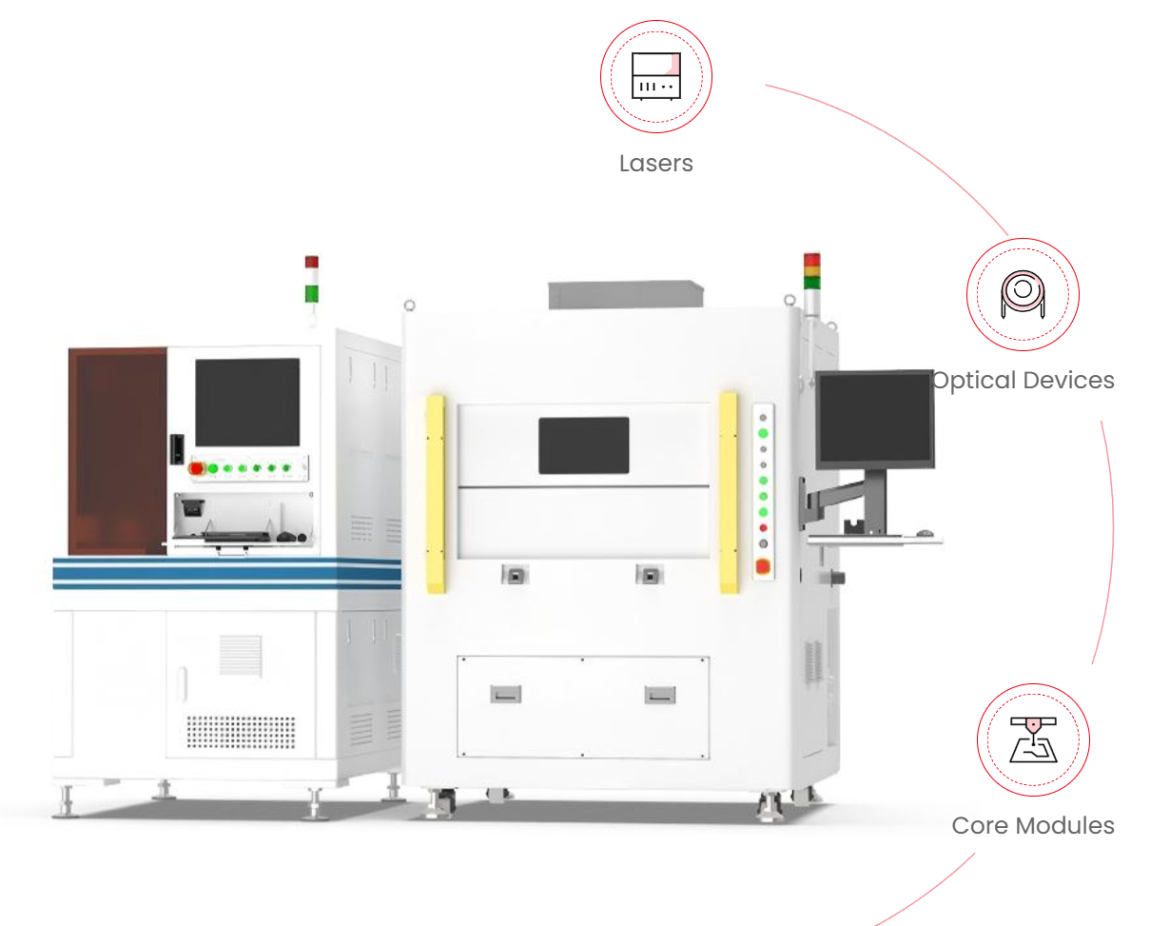
When you specify femtosecond lasers for a multi-axis CNC platform, the decisions you make up front determine yield, cycle time, and serviceability. This is not opinion — it’s a systems problem: optical source, beam delivery, motion control, and process parameters must be designed together. I’ll argue that following a tight framework reduces integration rework and prevents costly downtime during ramp-up.

Step 1 — Define the application envelope

Start with application-level constraints: material type, thickness, target feature size, and throughput. Are you ablating glass, cutting thin metals, or texturing polymers? Each needs different pulse energy, repetition rate, and focus control. For example, a femtosecond pulsed laser is ideal when you require minimal heat-affected zone (HAZ) and sub-micron features. Quantify ablation thresholds and acceptable surface finish, then translate those into optical requirements (pulse duration, single-pulse energy, and wavelength).

Step 2 — Map laser specs to CNC dynamics

Next, align laser characteristics with the kinematics of your multi-axis CNC: axis acceleration, servo bandwidth, and interpolation accuracy. High repetition rate lasers reduce per-pulse energy needs but demand tighter timing and beam steering—so you must consider beam delivery (galvo vs. scanner vs. fiber) and synchronization with encoder feedback. Also check pulse picking and jitter specs: excessive timing jitter will smear microfeatures even if spot size and pulse duration are perfect.

Step 3 — Engineering integration and control

Integration is where opto-mechanics and controls meet production realities. Key topics: beam-path mounts, optical isolation, enclosure and interlocks, and control interfaces (TTL triggers, encoder inputs, and deterministic fieldbuses such as EtherCAT). Include thermal management and power sequencing in your spec. Remember chirped pulse amplification (CPA) when your design calls for high peak power — the technique underpins many commercially useful ultrafast systems and is the reason ultra-short pulses are manufacturable at scale (a development recognized by the 2018 Nobel Prize in Physics).

Common mistakes integrators make — and how to avoid them

People often focus on average power and forget peak power, which determines nonlinear effects on the workpiece. They assume fiber delivery is plug-and-play; it isn’t—nonlinear broadening and pointing instability can ruin a process. They also underspecify acceptance tests for beam quality (M2), pulse duration (autocorrelator traces), and spot stability. A frequent misstep: deferring first-article trials until after tooling installation — that guarantees rework. Test early, iterate quickly — and expect an extra tuning cycle during the first production batch. —

Procurement and validation checklist

Use this checklist to convert requirements into procurement actions:

  • Specify pulse duration, repetition rate, and single-pulse energy with tolerances.
  • Require vendor-provided beam profiler and autocorrelator data at delivery.
  • Mandate integration tests: encoder-synced firing, thermal drift runs, and vibration exposure.
  • Include service and spare-part commitments, and verify MTTR assumptions.
  • Run material-specific sample builds on your actual CNC using the proposed optics and motion settings.

How to evaluate vendors and technologies

Compare suppliers on three axes: technical fit, systems support, and risk transfer. Technical fit means their product matches your envelope (wavelength, pulse duration, beam quality). Systems support covers application engineering, co-development on beam delivery, and on-site commissioning. Risk transfer is contractual: warranty, uptime SLAs, and spare-stock policies. If you need a quick reference test during evaluation, request a provider-run “path-to-yield” demonstration on your sample material with your motion profile.

Golden rules for final selection

1) Prioritize process reproducibility over raw specifications — a laser that meets numbers on paper but shifts in production is worthless. 2) Demand demonstrable integration experience with multi-axis CNC systems; optical specs alone don’t guarantee success. 3) Insist on measurable acceptance tests (beam profile, pulse duration, encoder-timing verification) before sign-off.

These rules turn vendor pitches into verifiable commitments and protect your ramp timeline. For integrators and manufacturers seeking capable, application-focused ultrafast sources, aligning optical engineering with real-world production support is essential — and vendors who provide both are the ones you should shortlist. For practical, production-ready options that blend engineering and supply reliability, consider partners such as JPT. —

0 comments
0 FacebookTwitterPinterestEmail