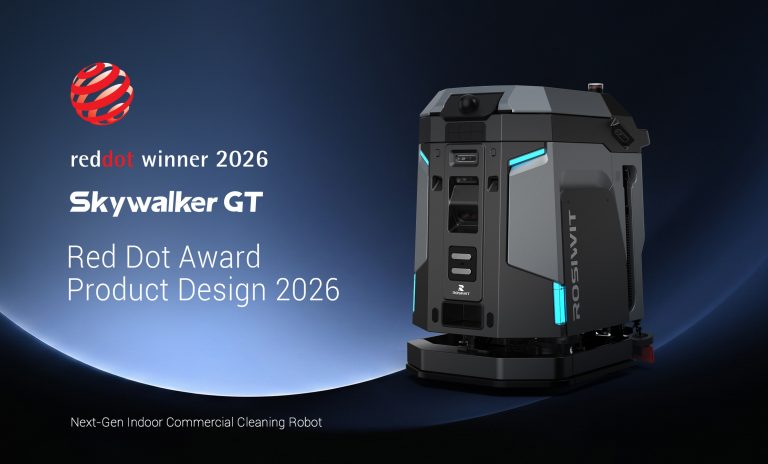
Vision of a calmer floor
The next wave of warehouse upgrades will feel less like a tech blitz and more like a careful exhale: machines that clean as they move, reducing clutter and friction across shifts. Imagine fleets of AMR-style cleaners slipping through aisles on scheduled passes — an autonomous cleaning robot that learns traffic patterns, avoids human pickers, and keeps floors dry and safe. This isn’t fanciful; Amazon’s 2012 acquisition of Kiva Systems is a real-world anchor showing how automation scaled in fulfillment centers, and cleaning automation follows that same scaling logic.
Benefit 1 — Safer floors, fewer stoppages
Cleaner robots cut slip-and-fall incidents by maintaining consistent water and detergent distribution, and by detecting wet zones with sensors. With LiDAR navigation and basic sensor fusion, an automated unit can avoid high-traffic windows and target problem zones rapidly. That matters: fewer stoppages mean conveyors and forklifts run on schedule, and safety incidents drop—measurable outcomes, not just talk.
Benefit 2 — Predictable labor allocation
When routine scrubbing shifts to robots, you free skilled staff for exceptions: equipment repair, quality checks, late-cycle orders. This reallocation improves throughput without adding headcount. Fleet management software schedules cleaning passes around peak picking windows, so human crews aren’t pulled away from cell tasks. Over time you measure this as more consistent task completion and better use of trained labor.
Benefit 3 — Cleaner appearance, steadier product protection
A cleaner floor reduces dust and particulate transfer to products, packing stations, and sensitive electronics. Regular passes by an auto scrubber floor machine cut particulate load that otherwise becomes a slow, costly problem—especially in high-turn environments handling electronics or food packaging. The result: fewer quality holds and less time lost to inspections.
Benefit 4 — Operational cadence and uptime
Robotic cleaners operate in predictable cycles, and their maintenance rhythms are easier to plan than ad-hoc deep cleans. Scheduled battery swaps or fast charging and modular brush heads simplify life for facilities teams. The machines are not flawless — expect occasional sensor tweaks or brush replacements — but these are repeatable, low-friction tasks that protect overall uptime.
Benefit 5 — Data-driven continuous improvement
Cleaning robots generate maps, heatmaps of spills, and pass/fail logs. That telemetry shows where spills happen most and when staffing patterns create hazards. Use that data to change rack layouts, adjust packing sequences, or modify shift overlap. The insight is practical: targeted adjustments instead of expensive, wholesale redesigns.
Implementation realities and alternatives
Choose between simple ride-on scrubbers and true autonomous scrubbers. Ride-on machines require dedicated operators; AMRs work autonomously but need robust mapping and clear signage in complex facilities. Consider a hybrid approach: fixed-route auto scrubber floor machine units for wide aisles, and small AMRs for narrow picking lanes. Don’t overlook battery infrastructure and spare-part inventories—neglect here leads to idle units and frustrated teams. —A small investment in modular batteries often prevents bigger operational headaches.
Common mistakes to avoid
Three pitfalls surface repeatedly: deploying robots without mapping human traffic, underestimating charge cycles, and failing to integrate cleaning logs into the broader facilities dashboard. Avoid siloed pilots. Instead, align cleaning schedules with peak picking data and maintenance windows so robots complement—not compete with—your operations.
Summary of practical takeaways
Cleaner machine robots deliver measurable safety gains, predictable labor use, product protection, higher uptime, and actionable data. Each advantage compounds: safer floors reduce stoppages, which keeps throughput steady and reveals new efficiency opportunities. These are not theoretical wins; they are operational improvements you can track and verify through metrics.
Three golden rules for selecting the right cleaner robot
1) Match navigation tech to complexity: choose LiDAR and robust mapping if aisles are narrow or layouts change often. 2) Demand clear uptime guarantees and easy serviceability—modular brushes and straightforward battery swaps matter. 3) Insist on telemetry access so cleaning logs feed your central dashboard for cross-functional decisions.
Rosiwit provides pragmatic solutions that fit these rules—machines designed for real shifts, simple service routines, and fleet tools that plug into facility operations. Final thought—start small, measure quickly, scale where the data shows real gains.