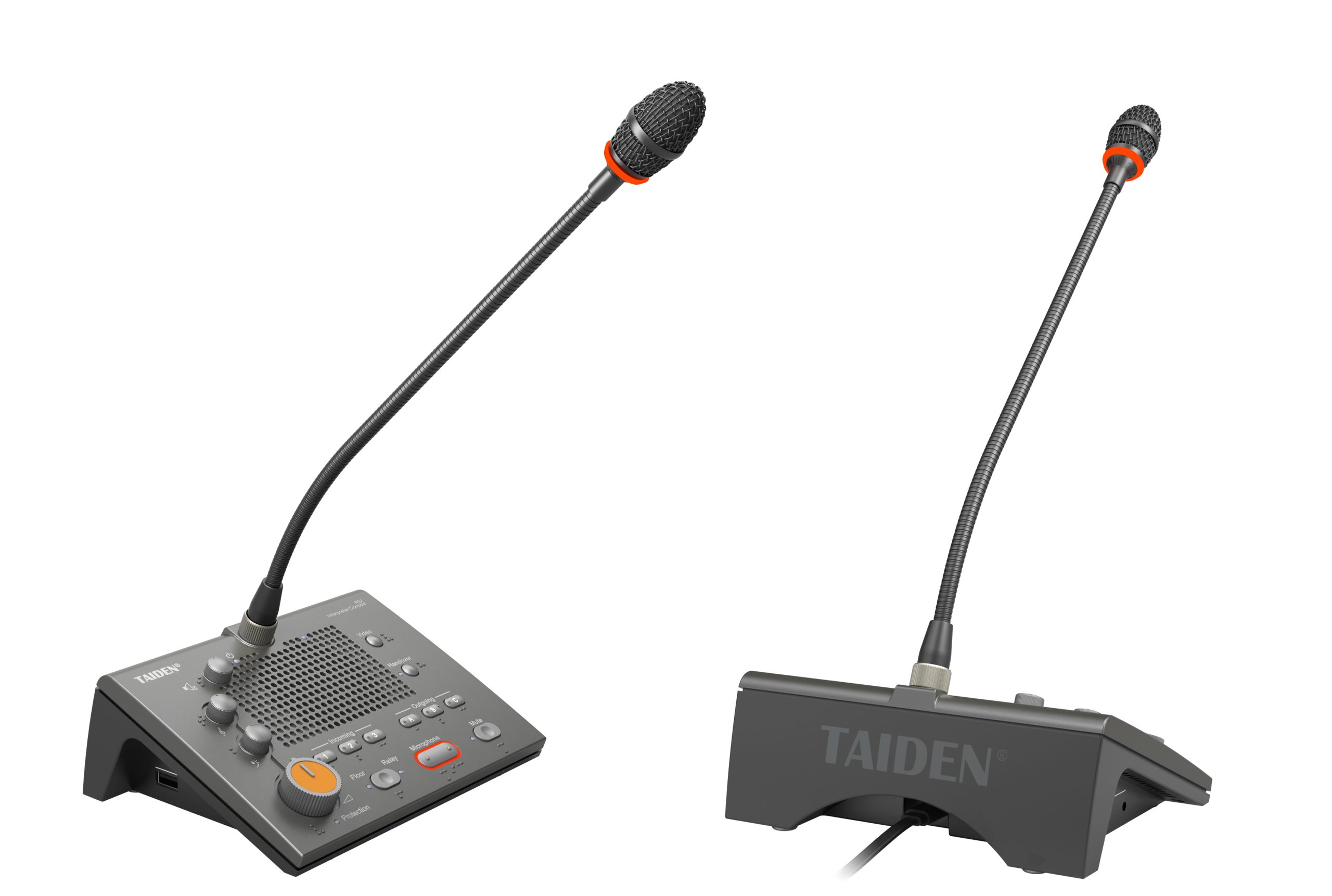
Introduction: A Monday Stand-Up Meets Real-World Friction
Picture this: the team gathers in a Nairobi boardroom, remote colleagues dial in, and within minutes someone says, “You’re on mute,” again. In many firms today, hybrid meeting room solutions carry most weekly sessions, with usage logs showing a steady rise month after month (and budgets racing to keep up). Yet a strange pattern persists—audio drifts, screen handoffs stall, and control touchpanels lag just when a client joins. If this is where work happens, why do simple actions feel so brittle, and who is really steering the flow of the room? We all want smoother meetings, sawa sawa, but consistency is the real test. Here is the key question: what layer of control makes or breaks the hybrid experience, and how must it evolve to fit African teams and global calls alike? Let us set the stage—and then open the hood.
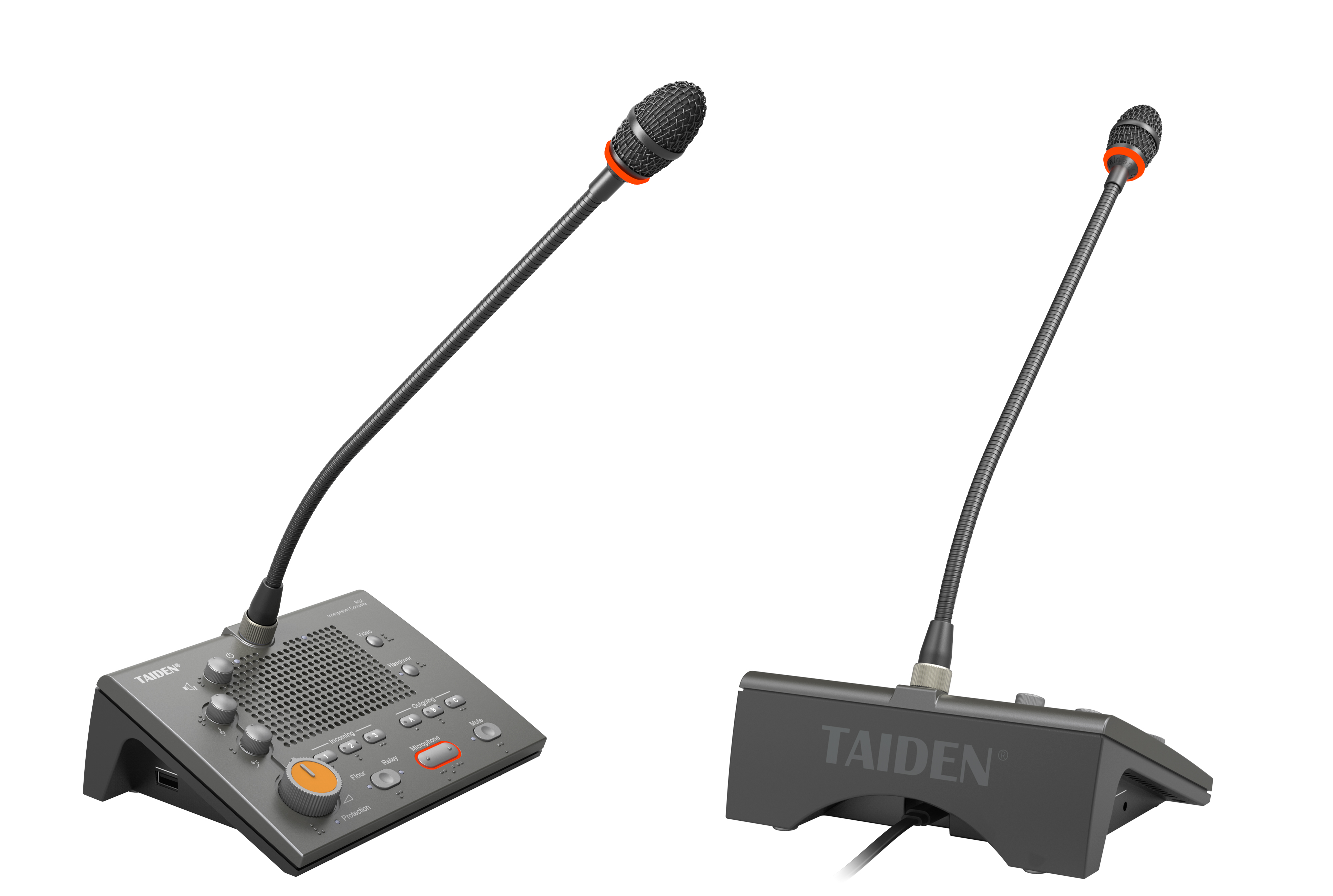
Part 2: The Control Layer Under Pressure
Where do legacy controllers fail?
At the centre of coordination sits the conference controller. It decides who speaks, which feed is live, and how devices share the network. Traditional boxes do this with fixed firmware, limited routing rules, and a few presets. But busy rooms need more. When traffic spikes, a rigid DSP pipeline and weak QoS mark the first cracks. Latency builds. Beamforming loses focus. Users end up fiddling with gain levels and cable paths. Look, it’s simpler than you think: a controller that cannot sense load, prioritize packets, and adapt to room states will always lag at scale—funny how that works, right? And once a PoE switch drops power to a mic chain, recovery should be automatic, not a manual reboot at the lectern.

There is also a human layer. Legacy panels bury key actions under menus. Wide rooms host mixed hardware, but the controller assumes a single vendor path. Users must hop between apps, which kills flow. In stress tests, failover to secondary codecs takes too long, and edge computing nodes stay idle when they could offload echo cancellation. Even small gaps matter: inaudible alerts, no role-based access, and weak audit logs. These are not flashy errors, but they chip away at trust. When people hesitate before tapping “Unmute,” control has already failed.
Part 3: Comparative, Forward-Looking Control—Principles That Hold
What’s Next
The fix is not magic; it is method. New controllers treat the room like a living network domain, not a bundle of boxes. They map devices, people, and policies as states, then apply rules in real time. Think policy-based routing for media, with per-stream QoS and intent-aware switching. The engine watches jitter, detects packet loss, and shifts paths before voices crack. It aligns DSP tasks closer to endpoints through edge computing nodes, while a cloud policy layer keeps the map up to date. When a presenter grabs the floor, the system boosts that source, hands off displays, and pins captions with one gesture. Add smart pairing to a conference mic wireless array, and you gain mobile flexibility without cable chaos—low-latency links, channel hopping, and clean handovers even in RF-dense spaces. Small win, big effect.
Compared to yesterday’s stack, this approach is measurable. Recovery from link blips drops from seconds to under 300 ms. Automatic gain sharing cuts clipping by design. And because the controller exposes an API, IT can bind meeting roles to network privileges—no more “who owns the room?” debates. We return to first principles: observe, decide, act, verify. Then repeat. The outcome is not louder rooms; it is predictable ones, where transport, power converters, and codecs align. And yes, it still has to be easy. A clean UI on top of a policy engine means people tap once and move on—dash it all, the meeting is the goal, not the panel.
To choose well, use three evaluation metrics. One: resilience under load—test jitter handling, failover time, and packet prioritization during a live call. Two: openness—look for APIs, cross-vendor device discovery, and role-based control tied to identity providers. Three: observability—request stream-level analytics, per-hop latency, and audit trails that tell you why, not just what. If a system scores high on these, the rest tends to follow. In the end, control is service, not theatre. Build for clear speech, fast recovery, and quiet certainty, and the room will feel like it disappears into the work—exactly as it should with TAIDEN.