A user-first opening: why this matters to you
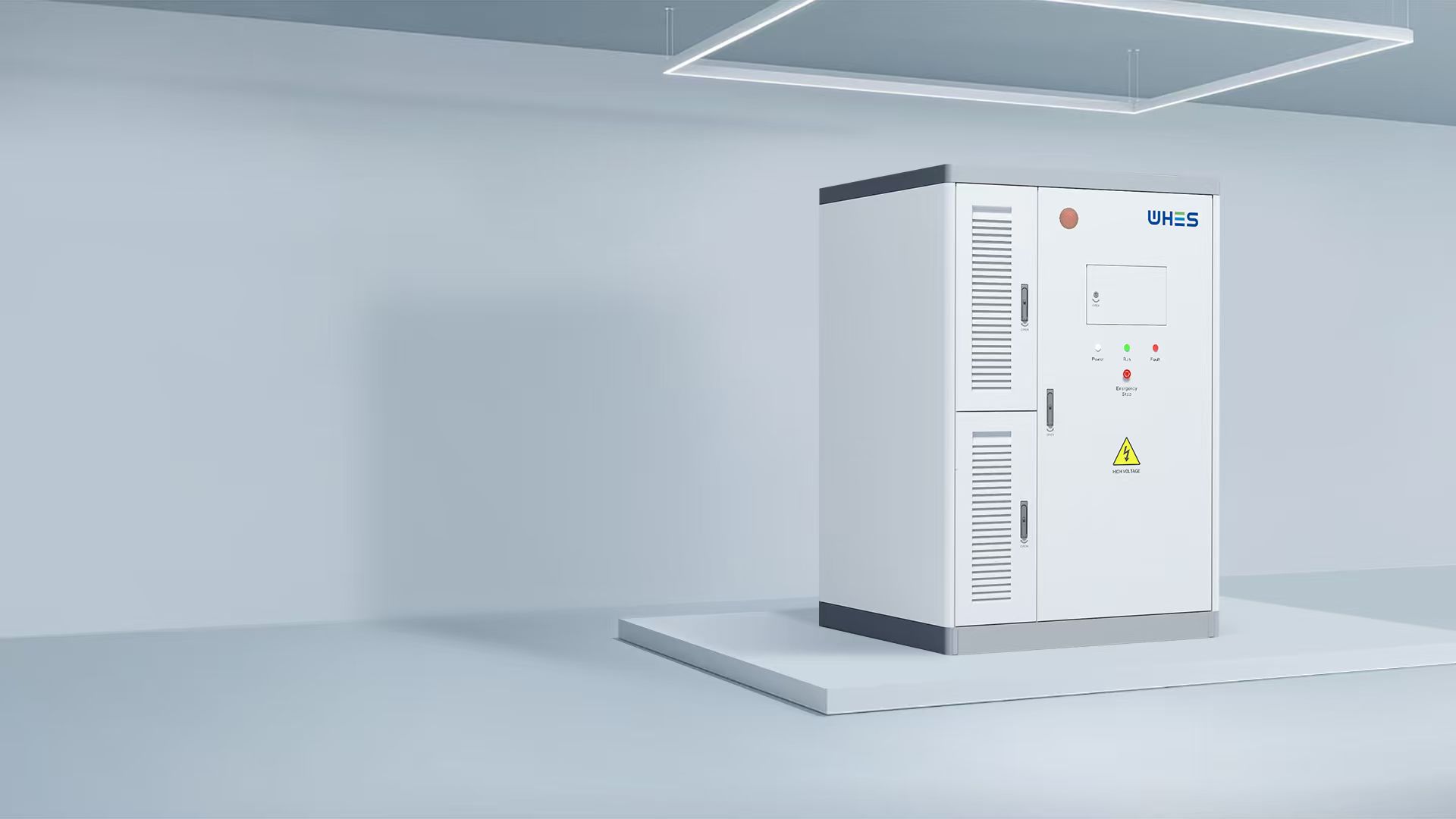
For facility owners and asset managers who long for steadier cashflows and quieter grid nights, the promise of a solar-plus-storage setup can feel almost lyrical — a muted sunrise that pays you back. At the heart of that promise sits the three-phase inverter, the orchestral conductor that lets rooftop PV and batteries sing in harmony while unlocking ancillary services and stacking revenues. If you’re sizing a system for demand-charge relief, participating in a virtual power plant, or simply seeking resilient microgrid capability, consider pairing solar with an all in one energy storage system as a practical, elegant solution. The user-centric question is simple: how does the inverter translate hardware into predictable value for my balance sheet and my tenants?
What owners typically want from a three-phase inverter
Users want three things above all: predictable economics, operational simplicity, and resilience. In practice that often means:
- Clear demand-charge reduction through peak shaving and load shifting.
- Access to ancillary services such as frequency regulation or fast response for grid support.
- Seamless integration with building energy management and PV arrays for dispatchable power.
When these objectives are met, a single piece of equipment — the three-phase inverter — becomes far more than a gearbox; it becomes a revenue engine.
How three-phase inverters enable revenue stacking
Think of revenue stacking as layering value streams: day-time solar self-consumption, evening peak shaving, participation in demand response events, and marketplace services like frequency regulation. A capable inverter and its control system coordinate all of these, optimizing charge/discharge cycles and respecting battery health. Typical revenue streams include:
- Demand charge reduction via peak shaving.
- Time-of-use arbitrage: charging during low-price windows, discharging during high-price windows.
- Ancillary services (fast frequency response, voltage support) when markets or aggregators permit.
By modeling these streams together, owners can see how stacking revenues changes the project’s NPV — and whether a slightly higher capex on an advanced inverter yields a faster payback.
Configuration choices and where an all-in-one approach fits
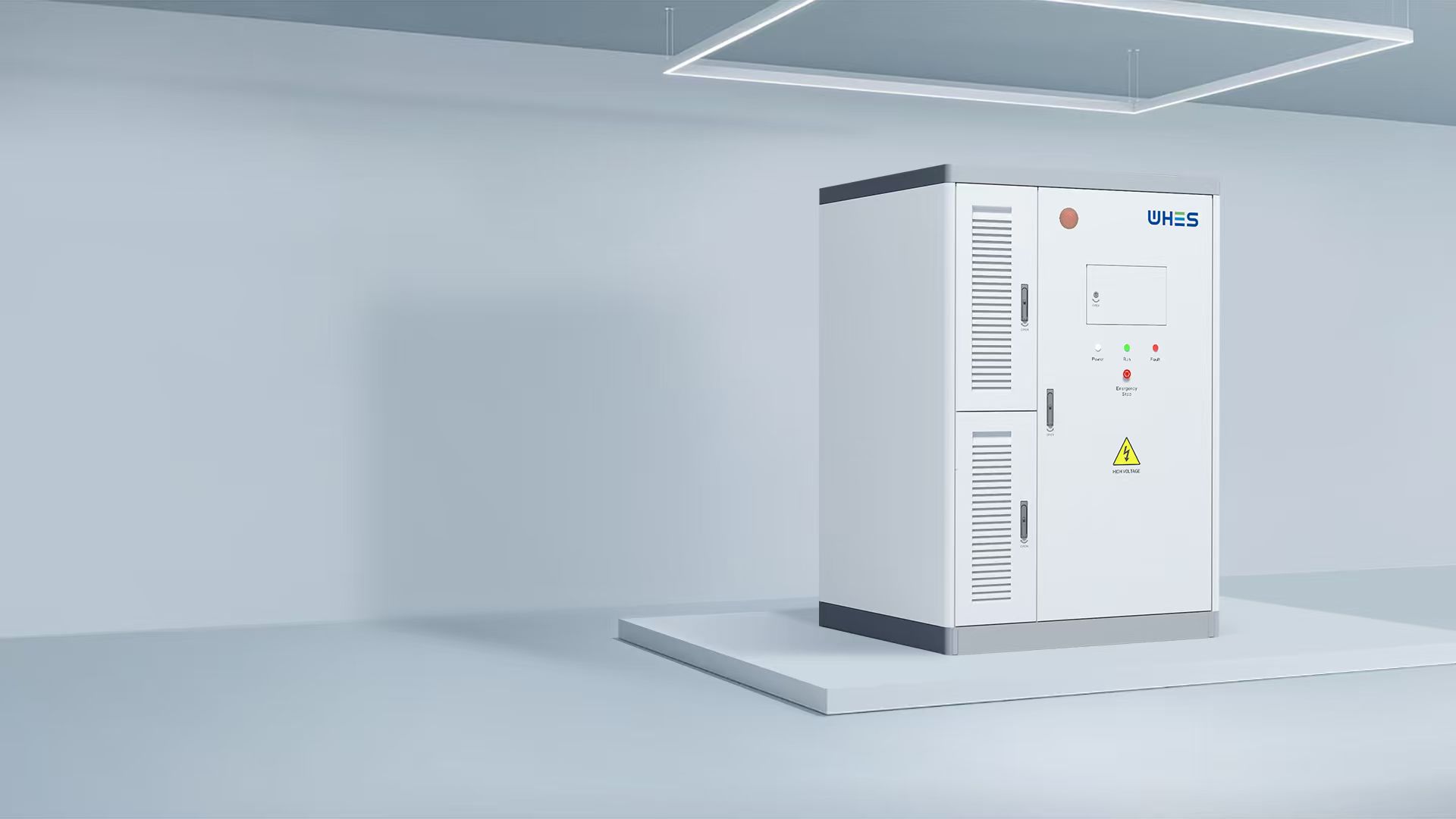
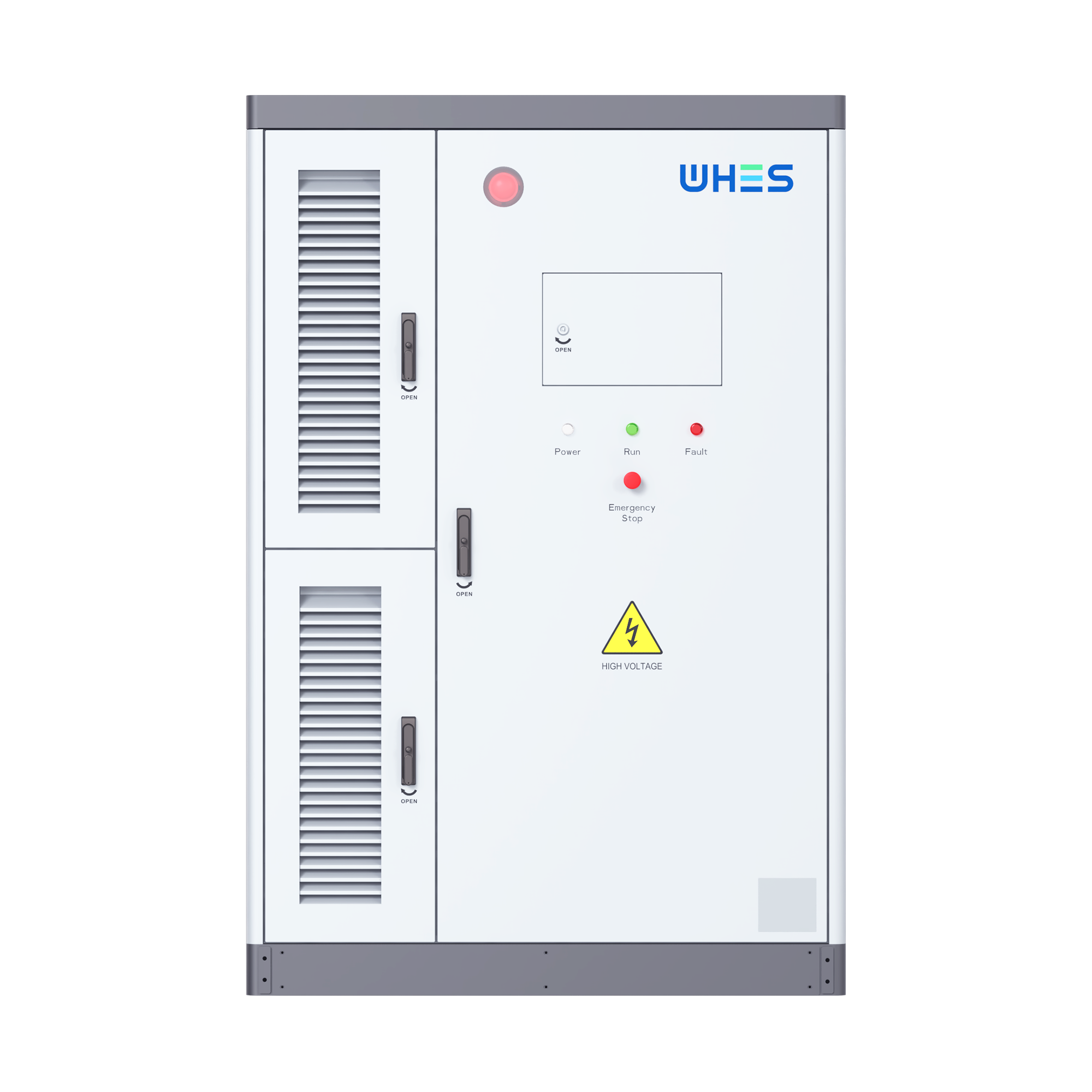
Choices matter. You can select a central hybrid inverter with a large BESS, modular string inverters, or compact distributed inverters per phase. Each offers trade-offs in scalability, maintenance, and control granularity. For many commercial sites, an all in one with battery simplifies commissioning and shortens time-to-value by bundling inverter, battery management, and enclosure into a single engineered package. Industry terms to watch: islanding capability, grid-tied operation, and energy management firmware — these define how flexibly the system can chase different revenue streams.
Real-world context: why the grid needs flexible inverters
Look at California’s duck curve — midday solar oversupply followed by steep evening ramps — and you see why grid operators prize dispatchable storage and fast-responding inverters that can provide frequency regulation and ramp support. In markets with time-of-use pricing or demand-response programs, three-phase systems can be dispatched to shave peaks or inject power when the grid pays for it, turning operational agility into tangible income. These are not theoretical benefits; they’ve shaped procurement and interconnection rules across North America and Europe, and they steer how projects are financed.
Common implementation pitfalls — and how to avoid them
Owners often stumble on a few recurring mistakes: undersized inverters that limit simultaneous PV export and discharge, neglecting interconnection constraints, and failing to model lifecycle throughput of the battery. Also, firmware complexity is underestimated — without robust energy management algorithms and telemetry, potential revenue streams remain on the table. The practical fixes are straightforward: right-size the inverter for peak flows, align control logic with market rules, and validate stackable use cases in simulation before procurement. — This avoids costly retrofits and missed revenue windows.
Alternatives and when they make sense
If your priority is lowest upfront cost and you operate at utility scale, central inverters with separate substations may win. If you favor resilience for several discrete loads, dedicated three-phase hybrid systems or modular units per building are better. For distributed assets across a campus that need coordinated dispatch, string inverters with a centralized fleet management platform might be optimal. The right choice always reflects whether you prioritize capital cost, operational flexibility, or ease of integration.
Three golden rules for selecting systems that truly stack value
1) Model stacking revenues up front: test scenarios for demand-charge savings, TOU arbitrage, and potential aggregator payments so you understand combined NPV impact. 2) Demand open interoperability: choose inverters and EMS that support standard protocols and VPP integration for market participation. 3) Align warranty and throughput expectations: confirm cycle life, depth-of-discharge limits, and performance warranties to ensure lifetime value isn’t overstated.
With systems designed and supported by experienced providers, the technology becomes a reliable partner — and with solutions like WHES you get engineered systems that marry control finesse with rugged reliability. Trust the modeling, test the dispatch, and plan for lifecycle — and you’ll turn an inverter from a backup into a revenue-generating cornerstone. —