Why compare custom tooling to off-the-shelf options?
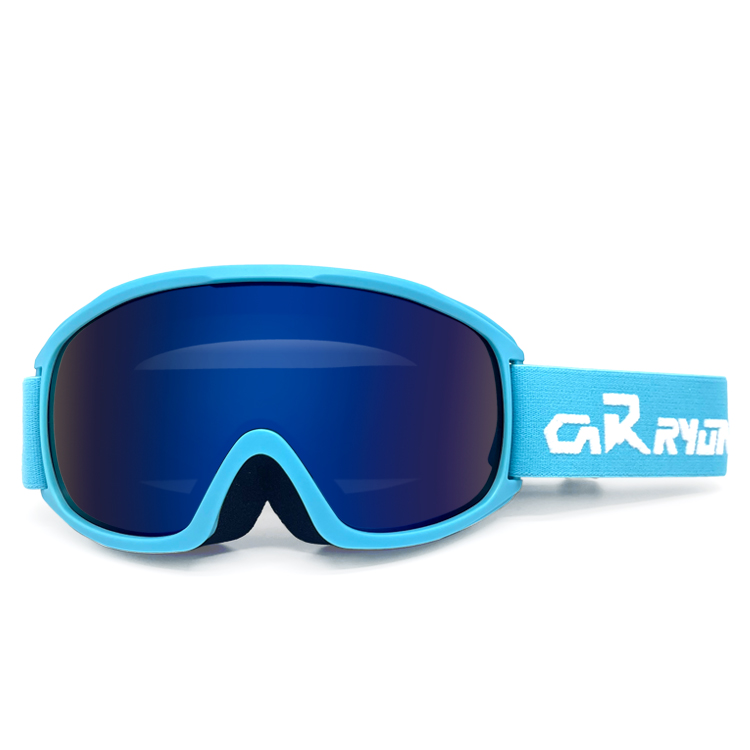
Deciding between custom injection molding and off-the-shelf alternatives comes down to unit cost, performance, and deployment speed. For brands rolling out high-volume runs of snowboard goggles or specialty uv ski goggles, the headline trade-off is upfront tooling expense versus per-unit savings and product differentiation. Injection molding and precise frame tolerance let you tailor lens curvature, ventilation channels, and anti-fog coating interfaces in ways mass-market frames cannot, but that capability carries upfront cost that must be amortized across forecasted volume.
Breaking down the numbers: tooling, cycle time, and break-even
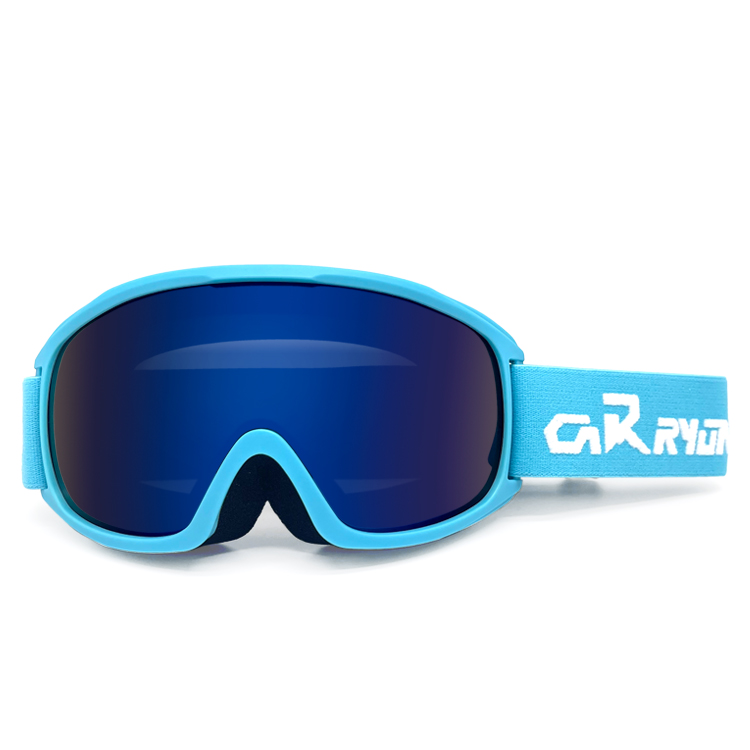
Tooling is a capital expense. Machine shops and toolmakers typically price molds based on cavities, complexity, and steel grade. More cavities speed up cycle time but raise initial cost. When you model total landed cost, include mold maintenance and potential revision runs for design tweaks. Compare that to higher per-unit costs from rebranded, third-party frames: the latter reduce initial spend but cap differentiation and margin. Real-world examples from trade floors at ISPO Munich show brands that forecast multi-thousand unit runs often recoup tooling within a single season—especially when product specs demand tighter tolerances or custom lens profiles.
How product requirements shift the calculus
Not every product benefits from custom tooling. If your design tweaks are cosmetic—different straps, decals, or packaging—ODM sourcing can suffice. But if you require unique seal geometry for a better fit, specific anti-fog treatments integrated into lens mounting, or optimized airflow for active riders, the custom route yields measurable gains: fewer returns, higher perceived value, and better field performance. For example, a tighter seal reduces wind ingress and lens fogging, which translates into fewer warranty claims and happier customers on steep runs at Aspen or other high-altitude resorts.
Supply chain angle: lead times, revisions, and inventory risk
Custom tooling lengthens lead time. Expect design-validation cycles, prototype molds, and pilot runs before full production. That creates inventory risk if demand projections miss. Conversely, off-the-shelf options let you react quickly to market signals but often force compromises in material grade or lens options. Smart brands mitigate risk by staging production: an initial low-cavitation mold for a pilot batch, then scaling to multi-cavity tooling once fit and optical performance are validated.
Design alternatives and common pitfalls
Some teams try to cut corners—reducing wall thickness to save material, or skipping pilot runs to hit retail windows. That usually backfires: springback, poor lens seating, or fit issues can amplify warranty and rework costs. Invest in a proper prototype (CNC or soft-tool) and test on-snow across conditions. —Field testing reveals subtle fit problems that bench tests miss. Also consider hybrid routes: license a proven frame architecture and use custom lenses and coatings to differentiate without bearing full mold costs.
Comparative outcomes: what to expect
When you run the numbers, custom tooling delivers value in three scenarios: high-volume runs (where mold cost is diluted), technical differentiation (novel ventilation, seal geometry, or lens mounting), and premium positioning (customers willing to pay for fit and performance). Off-the-shelf works best for rapid assortments, low-volume SKUs, or when capital is constrained. Across both paths, attention to supplier capability—tool steel quality, tolerance control, and mold maintenance practices—determines whether theoretical savings become real.
Advisory: three golden rules for choosing the right path
1) Volume and margin first: run a break-even model that includes mold amortization, projected defect rates, and expected warranty spend. 2) Prototype before scale: validate fit and anti-fog performance with a pilot run to avoid costly mold revisions. 3) Lock supplier KPIs: specify tolerance bands, cavity balance, and maintenance windows in contracts to protect lead times and quality. These metrics ensure your tooling investment converts into dependable product performance on the slopes. YIJIA Optical often serves as the kind of partner that aligns engineering tolerances and manufacturing pacing with seasonal retail rhythms—making the brand connection feel like a practical solution, not an afterthought.