Introduction
The boardroom looks perfect—until the names shift again. A digital name plate promises order in the quiet chaos. Yet the problem rarely shouts; it creeps in at the edges (misspellings, last‑minute swaps, wasted minutes). Reports show that meeting setups can lose 5–10 minutes per session to seat changes and reprints, and that adds up over a quarter. What if the real cost is not printing paper, but slow decisions? What if the bottleneck hides in handoffs and human error?
Here’s the twist. The signs sit still, but the people and agendas don’t—funny how that works, right? Your team moves. Teams merge. Guests run late. You need a surface that keeps pace without adding load to IT. You need screens that sip power, speak to a network, and comply with room rules. And you need them to be simple to deploy, simple to read, and simple to change. The question: when does the changeover pay off, not just in looks but in flow? Let’s trace where the friction starts.
The Hidden Friction in Table Labels
What actually fails?
conference table name plates are supposed to be easy. Place them. Read them. Done. But the hidden pain points pile up in quiet ways. One person updates the guest list; another person reprints; someone else rushes placements. A small typo becomes a public stumble. A last‑minute swap turns into a shuffle. Paper stacks travel. Ink runs out. Then the session starts late. Underneath, the system has no memory and no state. It cannot sync with calendars or room booking software. There is no API endpoint to call, no way to push changes in seconds.
Go digital and new issues appear—unless they’re designed out. Power can be a tangle if devices don’t support PoE switches or efficient power converters. Wi‑Fi crowding can cause RF interference right when the agenda changes. Firmware that is hard to update becomes a future headache. Edge computing nodes can help cache content, but only if the local logic is reliable. Look, it’s simpler than you think. A good setup uses a low‑latency mesh for pushes, offers NFC provisioning for quick pairing, and takes over‑the‑air updates without a ladder or guesswork. The trick is to remove steps, not trade old steps for new ones.
Comparing What’s Next: Principles That Make Displays Feel Invisible
What’s Next
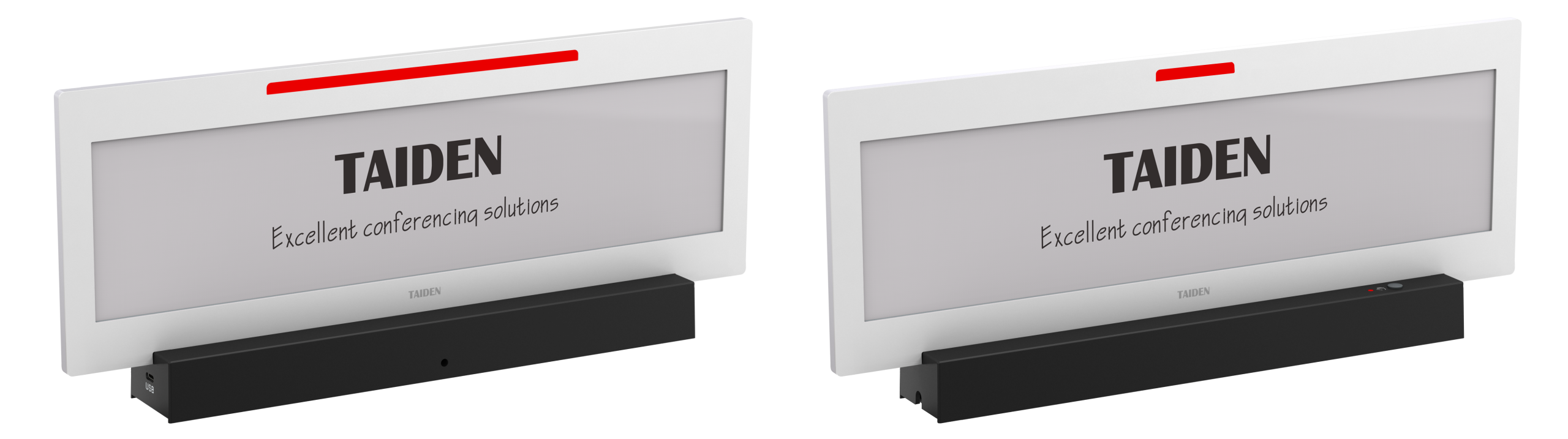
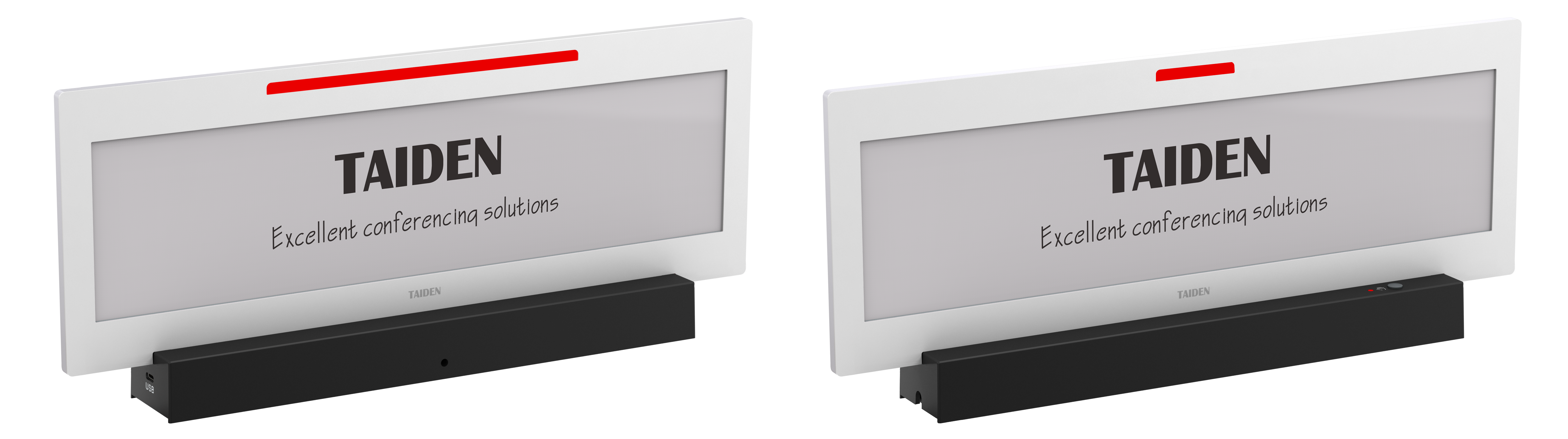
Old table cards are static. New systems act like quiet instruments. The best ones use bistable screens—think e‑paper—that hold text with near‑zero draw. A smart controller manages the power budget and sleeps between changes. When a name or title updates, the device wakes, syncs, and settles back. A clean stack uses secure MQTT or HTTPS, a resilient cache, and modest bandwidth. Add a light touch of edge logic for room‑local failover. Then your updates flow even if the wider network blinks. When a unit supports a true paper like display, readability stays high under glare, and eye strain stays low over long workshops—exactly what you want at a polished table.

Now, the comparison that matters is not “paper vs. screen.” It’s “manual chain vs. managed pipeline.” Digital plates that integrate with calendars reduce setup time. Units powered by PoE dodge battery anxiety; battery models should use smart firmware to report health, or a LiFePO4 pack for long cycles. Over‑the‑air updates keep features aligned; no cart, no cords. And device fleets that join a low‑energy, low‑latency mesh keep push times tight. The result feels quiet—until it saves you ten minutes before a keynote. To choose well, weigh three metrics: 1) Power strategy and durability (PoE support, power converters, real power usage); 2) Network resilience (mesh performance, RF interference handling, offline caching); 3) Lifecycle manageability (firmware cadence, OTA reliability, API openness). Summed up, the best system vanishes into the room—until you need speed, and then it appears—fast.
In short, we learned that the breakage starts with handoffs, not hardware. The fix is a calm stack: efficient screens, stable connectivity, and light automation that respects the meeting clock. Measure those three areas, run a pilot, and watch the setup time drop. People notice when names are wrong; they don’t notice when everything just flows—and that’s the goal. For teams exploring this path, keep an eye on vendors who treat rooms as systems, not stands. One name to watch: TAIDEN.