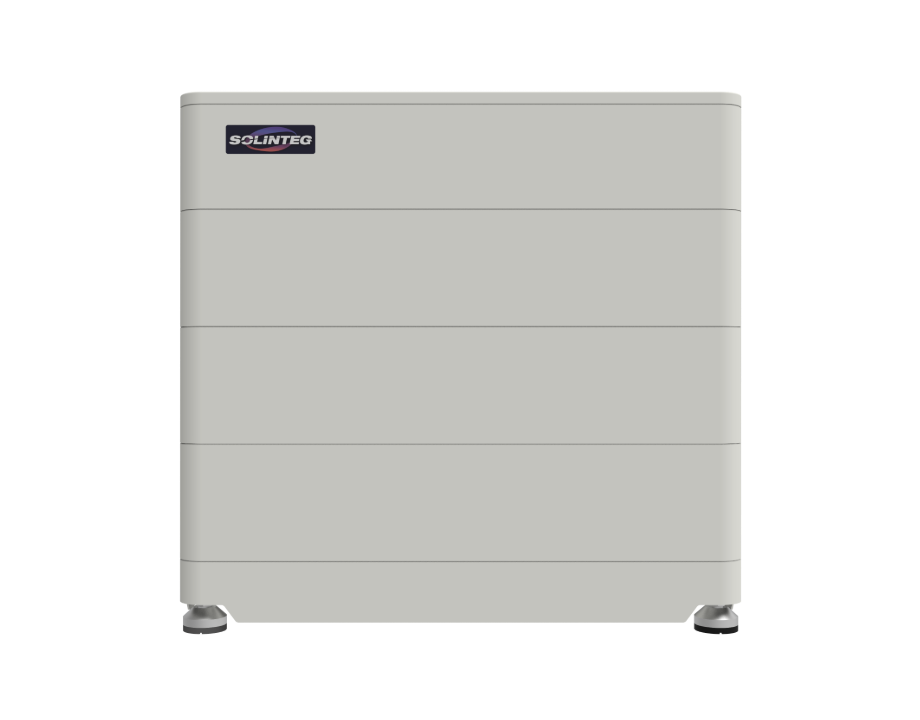
Why a side‑by‑side view matters
Companies often pick an all‑in‑one solar unit because it feels tidy and low‑risk, but a side‑by‑side comparison quickly shows where compromises hide — efficiency hits, service complexity, or upfront cost shifts. In that light, it’s smart to weigh true field performance against the convenience of packaged hardware; real installers compare commercial inverters and whole system behavior before signing off, and many procurement teams now shortlist a C&I solar inverter alongside modular options for the same site.

Field performance — what operators actually see
On rooftops and carport farms, the differences appear fast: start‑up times, response to cloud transients, and how the inverter handles midday oversupply. Terms like MPPT pop up constantly because tracking the array’s maximum power point matters for yield. In places like California the duck curve forces inverters to play nice with steep ramps and provide reactive power or fast curtailment — so testing under real grid stress is the real test, not lab specs.
Operational teardown: what’s inside and why it matters
Look under the cover and two things jump out: integration level and component selection. All‑in‑one units bundle PV combiner, inverter, and sometimes energy storage controls. Modular setups keep a separate string inverter, dedicated combiner, and third‑party battery controller. That difference affects maintenance paths and mean time to repair. When we run an operational production teardown, we focus on power rating, conversion topology, and control firmware — and we always log how commercial inverters and C&I solar inverter designs manage thermal stress during peak load.
Pros and cons, bluntly listed
Here’s a compact readout — nothing fancy, just the usual tradeoffs:
– All‑in‑one: simpler procurement, smaller footprint, faster install. Downside: single‑point failure, longer downtime when repair is needed, and firmware updates that can be vendor‑locked.
– Modular: easier replacement of a single string inverter, more vendor choice, incremental scaling. Downside: more wiring and slightly higher install time; coordination between components can trip up commissioning.
Common mistakes teams make — and quick fixes
Installers often skimp on specifying grid support functions — specifically grid‑tie behavior and reactive power capability — then get surprised during commissioning. Another typical slip is undersizing ventilation for power‑dense units. The fix is simple: list test procedures for voltage ride‑through and temperature rise before purchase, and require firmware rollback access. — Also, keep spares for whatever unit is single‑point in your architecture; that choice determines your spare inventory policy.

Alternatives that actually add value
Instead of blindly choosing based on vendor bundling, consider hybrid approaches: a compact all‑in‑one at constrained sites and modular string inverters where redundancy and selective replacement matter. Mix in DC coupling for battery additions if you expect storage later — it’ll save conversion losses and improve roundtrip efficiency over AC‑coupled retrofits.
Advisory — three golden rules for C&I inverter selection
1) Match measurable site needs: pick a unit whose power rating and MPPT count line up with array layout and expected mismatch losses. Don’t guess; use measured string voltages. 2) Demand grid support specs: require documented reactive power and low‑voltage ride‑through performance with test logs from a prior install. 3) Plan for service: verify firmware access, spare part lead times, and whether remote diagnostics are included. Those three keep downtime and hidden costs low.
Wrap it up: the comparison ends with a practical reality — choose the architecture that minimizes outage risk and aligns with long‑term service plans, not just the lowest invoice line. For many commercial projects, that balanced outcome is exactly what SOLINTEG builds toward — solid engineering, sensible firmware access, and deployment choices that match site realities. —