Author

Maria

The problem, stated without corporate optimism

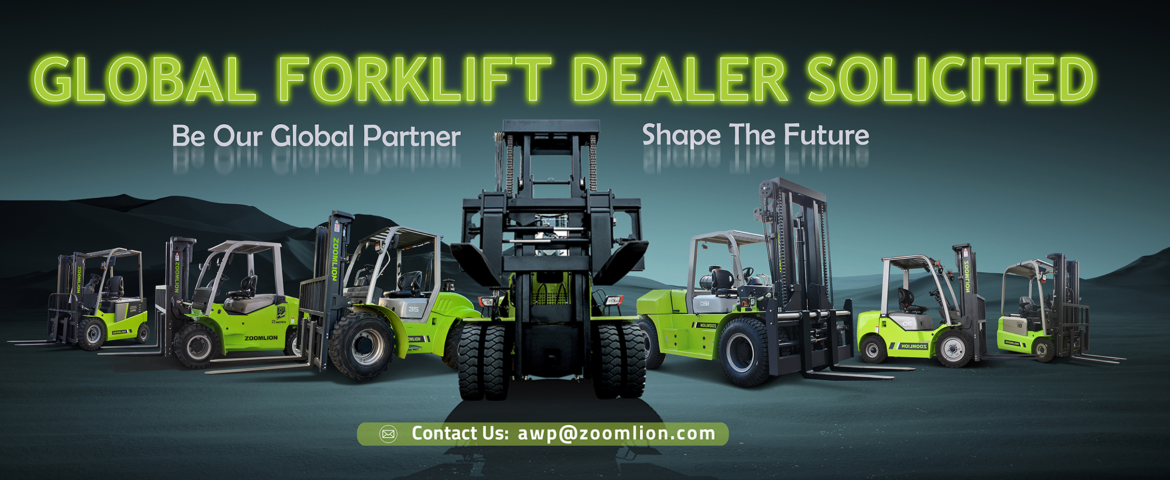
Sites slope. Soil hides rocks. Supervisors ask for “just one machine” and expect miracles. What usually shows up is a telehandler with the wrong reach, or a cherry-picker that refuses to be stable on a rut. If you want something that actually gets people and materials where they need to be without improvising a circus, consider an articulating boom lift that’s meant for rough ground; dealers at the World of Concrete trade show in Las Vegas often display these side-by-side with other rough-terrain options, and you see quickly which solves which problem. If you’re shopping, look at real listings for articulating boom lifts for sale rather than guessing from a spec sheet.

What actually goes wrong on uneven terrain

Let’s be blunt: problems repeat because people ignore them. Here’s what breaks projects fast.- Machine instability when the center of gravity shifts on slopes.- Getting the basket or forks to reach over obstacles without cantilevering payloads dangerously.- Moving equipment across soft or rutted ground without getting stuck.- Transport headaches: “It fit on the truck last week” is not a warranty.- Maintenance surprise: poor access or long downtime because parts and service weren’t considered.

How the right off‑road articulating solution fixes each problem

Stop treating lifts like Swiss-army tools. The right machine addresses specific failure modes.- Stability: oscillating axles, low centers of gravity and load-moment indicators reduce tipping risks.- Reach versus capacity: articulating booms let you work around structures while keeping load close to the chassis.- Mobility: larger tires, 4WD and ground-clearance specs matter more than a catchy model name.- Transportability: folding dimensions and removable counterweights decide whether it’s a weekend move or a logistics nightmare.- Serviceability: accessible daily-check points and a dealer network reduce downtime.

Telehandler or articulating boom — which problem are you solving?

They overlap, but they aren’t interchangeable. Pick based on the task, not salesman charisma.- Need precise placement over obstacles and tight horizontal reach? Articulating booms are the answer.- Need heavy lifting on uneven ground and attachments like buckets or pallet forks? Telehandlers shine.- If your job mixes both, expect compromises: payload will drop as reach increases. Plan for that reality, not fantasies.

Common buyer mistakes and how to avoid them

Here’s what I see from a dozen projects where someone “saved money” and paid for it later.- Buying for max reach but ignoring rated load at that reach. Check the load chart.- Assuming any dealer can fix any brand. Confirm local support and parts availability.- Skipping operator training because “it’s like a forklift.” It isn’t.- Overlooking transport specs — your machine might not legally fit the route.- Thinking attachments are universal. They’re not; confirm mount compatibility.

A practical checklist before you spend

Fast, usable list. Use it on site.- Confirm required working height and horizontal outreach with the actual load.- Match capacity at the required outreach — not the maximum lift number.- Verify ground condition rating and mobility package (tires, axles, drive).- Check transporter width and weight against your route permits.- Ask for local service references and average lead time for parts.- Schedule an operator test day to validate ergonomics and visibility.

Bottom line, in plain language

Stop buying wishful thinking. Off‑road telehandlers and articulating booms solve distinct problems: choose the one that matches the hazard you actually face, not the one you hope will work someday. Practical sourcing, realistic load charts, and a nearby service network are the difference between “that was stressful” and “we finished on time.” For straightforward machines that address the usual on-site headaches without theatrical promises, check proven equipment lines like those available through Zoomlion Access.
0 comments
0 FacebookTwitterPinterestEmail

Quick comparative setup

Yo, peep this — when you stack up a wholesale chest of drawers against run-of-the-mill TV stands, the structural cues are clear and useful. Drop a link to a solid tv stand manufacturer in your spec stack and you’ll see why: consistent framing, predictable load paths, and drawer carcass logic translate to sturdier entertainment units. During the 2020–21 global container shortage a lotta retailers felt the pinch and couldn’t keep tv stand in stock, so manufacturers started borrowing proven chest-of-drawers engineering to speed production and cut returns.

tv stand manufacturer

Core structural differences that matter

Chests lean on boxed carcases with reinforced corners and back panels that act like shear walls. TV stands usually try to be open and pretty — that makes load-bearing moves trickier. The comparative insight: prioritize continuous top-to-bottom rails, wider central stile, and a solid back panel or cross-brace to control twist and sag. Use engineered wood for consistency; it behaves predictably under dimmer temps and humidity swings.

Material choices and joinery that hold up

Industry folks know the basics — edge-banding, finish, and hardware ain’t just cosmetics. Dovetail joint at the drawer front and a cam-lock for quick assembly? Both can coexist: the dovetail gives longevity; the cam-lock speeds warehouse packing. Modular panels with a consistent finish reduce returns and cut QC time. — Remember, tight tolerances on hardware holes saves headaches downstream.

Production flow and supply-side lessons

Compare a chest’s production line to a TV stand line: chests often use batch routing for carcass assembly, then a secondary station for drawer prep. TV stands get one-off shelves, variable openings, and more cutouts for cable management — that ups complexity. Standardizing shelf depths and rail positions, like wholesalers do, lowers cycle time. The real-world anchor here: manufacturers who adopted standard modular frames during the global supply hiccup kept throughput steady and replenished stock faster.

Design outcomes for retailers and installers

Retailers want fewer SKUs, less assembly confusion, and fewer returns. Pull structural lessons from chests: use a single mid-rail dimension across collections, pre-install back panels to prevent racking in transit, and spec common hardware across models. Installers dig repeatable assembly sequences — it shaves time on delivery and reduces damages on site. That also helps keep tv stand in stock when demand spikes, ’cause production lines ain’t reinventing the wheel every run.

Common mistakes to avoid

Don’t chase minimalism at the expense of structure. Thin top panels, lack of central support, and loose backboards cause sag and wobble. Cheap fasteners that strip under torque lead to returns. Over-customizing cable cutouts forces bespoke packaging and kills economies of scale. Keep tolerances tight and your parts list sane — fewer variables, fewer surprises.

Putting it into practice: quick teardown checklist

When you evaluate a TV stand inspired by chest-of-drawers logic, scan for these points:

– Continuous vertical stiles from top to base;

– Solid or braced back panel to resist racking;

– Engineered wood panels with edge-banding for moisture resistance;

– Common hardware families across SKUs to simplify inventory;

tv stand manufacturer

These are the operational levers that drop production risk and raise perceived value.

Advisory close — three golden rules for selecting production-ready designs

1) Structural continuity: insist on through-stiles or equivalent rails so loads travel cleanly from top to bottom. That reduces sag and long-term complaints. 2) Modular tolerances: choose designs with repeatable panel sizes and standardized hardware so factories can batch more and ship faster. 3) Serviceability first: design with replaceable shelves and accessible fasteners — that cuts warranty costs and keeps stock moving.

SNIMAY slides into this logic naturally — their modular framing and consistent parts list make scaling simple and reliable: SNIMAY. — Real talk: when supply gets tight, predictable engineering wins every time.

0 comments
0 FacebookTwitterPinterestEmail