Category:

Market

Opening: A slow evolution, measured like tabla beats

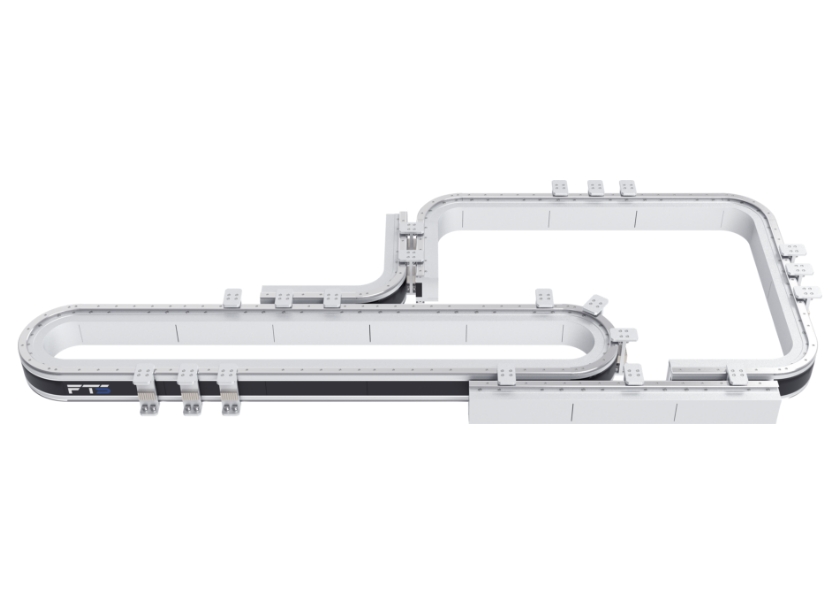
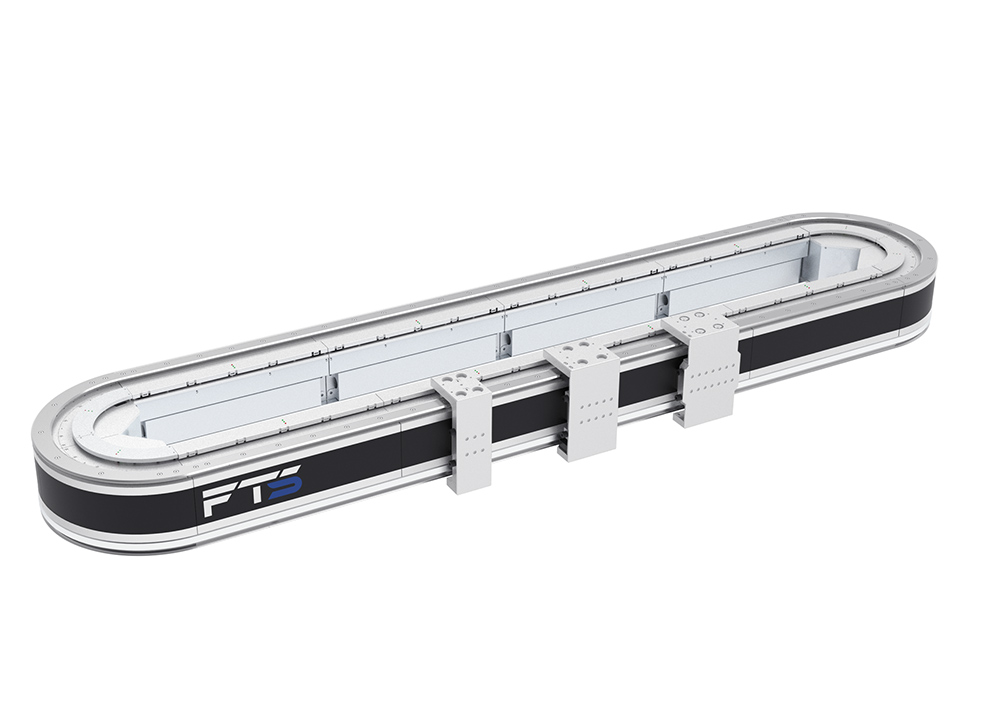
The factory floor learns to breathe differently, step by step — first driven by hands, then by belts, now by an intelligent conveyor system that nudges parts along like a patient river. I tell this as an observer who has watched toolrooms and control rooms trade notes, feeling the shift toward continuous care rather than sudden fixes. Where the motion is linear and deliberate, the linear drive motor often becomes the quiet center of routine checks and small miracles alike.

intelligent conveyor system

How maintenance grew from reaction to craft

Once, maintenance meant waiting for a breakdown; now it is choreography. Engineers documented fault patterns, technicians traded tinker-tips, and manufacturers began to prefer small, scheduled touches to large, costly overhauls. I write from repeated visits to plants and conversations with engineers who prefer steady rhythms over frantic repair. The result: fewer emergency stops, clearer root causes, and a habit of catching wear at the whisper stage.

Preventive checklist — precise, tangible steps

Keep this list in your front pocket; read it before a shift and after an odd noise. Each line is actionable and easy to verify.- Visual sweep: inspect couplings, connectors, cable routing, fasteners for looseness or fray. – Lubrication: follow manufacturer intervals; use specified greases and avoid over-application. – Alignment and runout: check shafts, guide rails, and rail blocks; micro-misalignment shortens bearing life. – Sensor and encoder calibration: confirm zero positions and check noise on signal lines. – Thermal check: measure motor and drive temperatures under load; note any drift from baseline. – Vibration monitoring: a small persistent wobble precedes large failure; log and compare. – Firmware and parameter audit: record current firmware and PLL/gain settings before changes. – Backup and restore: keep a verified copy of control parameters and drive files offsite. – Safety testing: verify e-stops, interlocks, and light curtains once per shift cycle, and after any mechanical work. – Documentation update: mark hours and interventions; a clean log prevents repeated mistakes.

Focusing on the drive: what technicians often miss

The drive is temperament and method. Common misses include loose encoder mounts, forgotten cold-solder joints in connectors, and vented housings clogged with dust. When a linear drive motor signals a fault, technicians sometimes chase symptoms—current spikes, position loss—without checking simple items: cable strain relief, connector pins, or the motor’s cooling path. Catch these, and many “mystery” faults resolve without swapping expensive parts.

Common pitfalls and how the evolution story corrects them

Older practices favored replacement after failure. That left knowledge in broken parts. The evolved approach keeps knowledge in logs and habits. Pitfalls to avoid:- Ignoring small anomalies because “it still runs.” – Skipping parameter backups before commissioning. – Over-relying on canned diagnostics and missing physical inspection. – Treating vibration as nuisance instead of early warning.

Alternatives and when to choose them

Predictive sensor arrays, acoustic analysis, and cloud-based analytics each offer value. Choose local vibration sensing when failures show mechanical signatures. Choose analytics when fleet-level comparisons matter. For a single line with frequent product changeover, simple visual discipline plus encoder checks often outperform complex overlays. The right choice depends on fault visibility, staff skill, and mean time between failures.

Evidence and experience: why this matters

Manufacturers who shifted from reactive to preventive regimes report steadier throughput and lower emergency downtime. I reference widespread demonstrations of advanced linear motion at Automatica in Munich, where exhibitors and practitioners compared field results and maintenance practices around linear actuators and motors. This shared industry dialogue informs the checklist above; it is grounded in observed deployments and peer-validated technique rather than theory alone.

Short troubleshooting guide — quick reads for technicians

If a drive faults on position loss: – Stop attempts to “home” repeatedly; preserve component state. – Check encoder cable continuity and connector seating. – Confirm mechanical stops and couplings move freely. – Review drive fault code against the logged conditions; note ambient temperature. If vibration increases: inspect bearings, looseness at mount points, and rail contamination. Keep notes; patterns tell stories.
intelligent conveyor system

Wrap-up: a steady practice becomes a trusted system

Maintenance matured because people turned fixes into rhythms, and rhythms into records. The checklist above is an interruption-resistant routine that captures small signs before they demand big action. That habit, practiced with clear logs and careful hands, brings predictability to motion systems and preserves capital. This is the value I have seen time and again on shop floors and in technical reviews, and it is the practical contribution that companies like FHS bring to the steady work of keeping lines moving.


0 comments
0 FacebookTwitterPinterestEmail

Opening: where the problem begins

I watch a cubicle substation the way someone watches a clock that suddenly ticks louder—curious, attentive, a little worried. The problem is subtle at first: a loose terminal, a rising temperature on a breaker, a moisture stain that nobody logged. These small issues compound until the power path itself is unreliable. This piece is problem-driven—I’ll name the failures, trace their causes, and give a compact checklist that helps you stop them before they cascade.

What usually breaks—and why

Most outages aren’t dramatic. They’re boring. Corroded connections. Fouled insulation. Misapplied protection settings. Human error during commissioning. A design detail that didn’t account for local humidity. Each item is simple to describe and harder to catch in routine checks. When you treat these as symptoms, you start looking for root causes instead of chasing alarms.

Checklist: essential maintenance and testing steps

Follow these checks with steady attention. Do them on schedule. Note: frequency depends on environment and load, but nothing here is optional.

– Visual inspection: doors, seals, cable entries, corrosion, oil stains. Look for anything that shouldn’t be there.

– Torque and contact integrity: verify torque on busbars and bolted joints; infrared-scan hot spots under load.

– Insulation and dielectric tests: insulation resistance and, where applicable, power-factor or tan delta to detect moisture or ageing.

– Protection testing: trip settings, relay logic, and end-to-end tripping. Simulate faults; confirm actual breaker operation time.

– Functional tests for remote monitoring and alarms: verify telemetry, timestamps, and event logs are accurate and untampered.

– Environmental controls: HVAC filters, drainage, and desiccant status if used. Moisture kills slowly; don’t let it.

– Battery systems: capacity tests, internal resistance checks, and terminal connections. Batteries fail silently until they don’t.

– Documentation and change logs: capture every alteration, test result, and maintenance action. If it’s not logged, it effectively didn’t happen.

Common mistakes that make checks useless

People skip fundamentals. They assume a relay was set during commissioning and never verify if settings changed. They hand-wave minor temperature rises as “normal” during peak load. They mix old parts without retesting compatibility. They use single-point checks and call it a day. Each shortcut leaves ambiguity. Ambiguity becomes risk.

Practical pitfalls during prefabricated substation operations

Mistakes cluster around three themes: environment, integration, and human process. Environment: prefabricated units get sited fast, sometimes without full drainage plans. Integration: field cabling and protection coordination often diverge from shop-tested conditions. Human process: shift changes, poor handover notes, and untested remote access create surprises. Addressing those three reduces the frequency of repeat failures.

Experience, standards, and a real-world anchor

I’ve audited installation lines and maintenance regimes and seen the same checklist work where it counts. Apply relevant IEC and IEEE standards to what you test, and you’ll speak the same technical language as protection engineers and designers. A useful real-world anchor: production and assembly clusters around Wuxi in Jiangsu province are commonly cited in trade reporting for prefabricated substation manufacturing, and practices observed there reflect both shop testing and modular assembly realities—this helps explain recurrent site integration issues. For suppliers or spec guidance, consider the factory perspective: china prefabricated box substation factory. Trustworthiness comes from repeatable checks, clear logs, and cross-checking shop tests with field conditions.

How to make the checklist live in your operations

Don’t make the checklist a paper ritual. Tie each test to an owner and a deadline. Use condition thresholds that trigger corrective work orders automatically. Avoid one-off fixes; add small recurring inspections for items that fail most often. When you find an anomaly, follow it until you understand why it occurred and close the loop with an updated procedure.

Alternatives and when to choose them

Sometimes full-time maintenance staff isn’t viable. Outsource to specialized contractors who provide modular test packs and field-reporting. For very small sites, prioritize a pared checklist: visual, torque, and protection trip tests. For high-availability sites, add redundancy verification and automatic remote diagnostics. Each choice trades cost, time, and risk—decide by the failure cost, not by routine convenience.

Closing thought

You don’t need flair to keep power flowing. You need steady checks, honest records, and the discipline to fix the causes, not just the symptoms. That steady work—applied at the factory bench and at the field terminal—reduces surprises. Practical firms know that approach; it’s why teams collaborate with experienced modular suppliers and engineering partners who understand both shop testing and site realities, such as those associated with Daqo Group.

0 comments
0 FacebookTwitterPinterestEmail

The problem most folks face

You need a bright, reliable wall that no dey fail when crowd don gather—yet suppliers promise shine and deliver wahala. Clients buy by picture, installers meet problem: uneven colour, dead pixels after two weeks, controllers wey no talk to each other. If you’re checking options for a led screen, you must look past glossy brochures and ask the sharp questions that expose trouble early.

led screen

Immediate technical checks that stop headaches

Start with things you can measure. Pixel pitch that matches viewing distance. Refresh rate and grayscale for smooth motion and natural skin tones. Brightness and contrast for outdoor glare or indoor cinema. Power consumption and thermal plan—hot modules die faster. Ask for burn-in test logs and sample videos. If the factory can’t share clear test reports or show a working demo at full scale, walk away.

How to vet a supplier — real experience, not sales talk

Look for proof on the table: factory tour footage, UL/CE reports, warranty terms with specific remedies, and third-party test certificates. My team once cross-checked a supplier claim against demonstrations seen at CES Las Vegas; that kind of verification matters. Also verify through a real-world anchor: industry showcases like CES Las Vegas regularly highlight reliable manufacturing trends and independent testing results. Ask for on-site acceptance criteria, sample serial numbers, and a written failure-rate expectation. While you’re at it, confirm the manufacturer’s track record with large projects and spare-part lead times. One good way to document capability is to request a production pilot run and inspection report from a certified lab, then compare notes with an independent integrator. For clarity, check the supplier listed as a led display manufacturer and see whether their delivered projects match the test claims.

Budget and timeline realities — watch the hidden costs

Initial quote is not final. Add shipping, customs clearance, mounting structures, control hardware, calibration, and skilled installers. Factor in site surveys, structural engineering, and scaffolding where required. Spare modules and fast shipping for replacements save reputation when things go wrong. Calendar matters: production lead times, testing windows, and seasonal shipping spikes shift delivery; lock dates with penalties in writing.

Common mistakes that cause the biggest failures

Buying purely on price. Skipping a site mock-up. Ignoring electrical and heat constraints. Accepting vague warranty language. Not planning for maintenance access. Not running acceptance tests under real content and real ambient light. Don’t assume a low failure rate—require the numbers and enforce them.

led screen

Practical checklist to hand the factory

Give them a short, exact specification: pixel pitch, max brightness, IP rating, control protocol, acceptable dead-pixel density, burn-in duration, warranty window, spare-part list, and commissioning steps. Ask for a detailed installation plan and training session for your on-site team. Insist on an acceptance test with your content playing; no canned demos.

Final synthesis

Pick a factory that answers problems with proof: measurable specs, repeatable tests, clear spare-part logistics, and honest timelines. Where reliability matters, choose the partner whose work you can inspect, whose numbers you can verify, and whose support you can call at 2 a.m. That practical, no-nonsense alignment is what makes projects succeed, and it’s the kind of steady approach you find reflected in HDC.

0 comments
0 FacebookTwitterPinterestEmail

The sizing problem factories must solve

Factories face two blunt problems: peak power demands that spike charges and interruptions that halt production. That is the practical starting point for any sizing exercise for commercial and industrial energy storage — not theory. A problem-driven approach asks what load must be served instantaneously, how long it must be sustained, and under what grid conditions those needs arise; only then do you pick inverter ratings, battery capacity and control logic.

Identify the immediate power need (kW)

Begin with measured demand: use a year of interval metering if possible, preferably 15- or 30-minute data. Look for the single highest sustained demand over your critical interval — that defines the continuous power your inverter and battery must supply. Consider these items: – Peak shaving vs. black-start: are you trimming a tariff spike or running loads off-grid?; – Motor inrush and starting currents: multiply nominal motor load by the service factor for short durations; – Simultaneous equipment operation: plan for worst-case overlap. Oversize the power stage sparingly — undersizing kills production; oversizing wastes capital.

Calculate the energy reserve (kWh)

Energy is duration. Ask how long the site must run without grid support: one hour, four hours, a full shift? Translate that into kWh requirement, then adjust for usable depth of discharge, allowed state-of-charge window, and inverter efficiency. Simple rule: required kWh = (average critical-site kW × hours) ÷ round-trip efficiency. Factor in derating for high temperatures and calendar life if you need the battery to maintain capacity over years.

Operating conditions that change sizing choices

Operating conditions steer technology choices. Temperature extremes reduce available capacity; ambient heat in factories requires thermal management. Grid regulations and islanding rules dictate anti-islanding and ride-through capability. Charge source matters: if charging from rooftop PV, coordination between PV inverter controls and the battery management system must be specified. Where rapid cycling is frequent, select chemistries and warranties that match shallow-to-moderate depth-of-discharge profiles rather than ones optimised only for long-duration holds.

Common pitfalls to avoid

Do not guess peak from nameplate totals; do not size energy solely from expected outage length without checking daily cycling needs; do not omit thermal derates. Watch tariff structure: demand-charge reductions can justify smaller power-biased systems, whereas outage resilience leans toward larger energy reserves. Warranty fine print matters — calendar life limits and cycle warranties constrain real duty cycles. Lastly, test controls on a real load profile before final commissioning; simulations alone miss many plant behaviours.

Comparing alternatives and trade-offs

There are three usual paths: batteries sized for power-biased duty (short, high-power events), energy-biased duty (longer duration support), or hybrid systems. Diesel generators provide long-duration energy but cost in maintenance, emissions and slow response; demand-response schemes lower charges but don’t help when the grid is down. Choose by priority: rapid response, cost reduction, or resilience. The cheapest upfront system is often the wrong choice if production stoppage is costly.

A concise real-world anchor

In California’s Central Valley food-processing plants, pairing rooftop PV with battery arrays has cut peak demand charges and provided reliable short-duration backup during grid service interruptions. These installations demonstrate how a tailored solar plus storage system for factories reduces both operational risk and monthly tariff exposure when sized to the site’s measured peaks and realistic outage windows.

Practical sizing checklist

Work through these checks in order: – Collect at least 12 months of interval demand data; – Define the firm load that must be maintained during islanding; – Determine outage duration targets and daily cycling needs; – Size inverter power to cover peak sustained demand and motor starts; – Size battery energy to meet duration minus safety margin for degradation; – Include temperature, efficiency, and maintenance access in mechanical design; – Validate with a commissioning test under representative load.

Clear finish: why this matters

Solve the actual factory problem first — measured peaks, required run-time and operating environment — and the rest follows. A correctly sized system reduces unplanned downtime and tariff exposure without overspending on capacity you will not use. Where expertise and a clear methodology are needed, bringing practical design with local deployment experience is the sensible path, and partners such as WidenEdge can be the steady hand aligning technical choices to the plant’s real operational demands.

0 comments
0 FacebookTwitterPinterestEmail

The quiet start — a user’s view

Most people think of solar panels first, then the rest fades into fine print. I learned otherwise the hard way: solar panels without a smart partner feel incomplete. For a practical household, the software that monitors charge cycles and orchestrates a solar storage battery can mean reliable power, not just lower bills. The smallest change—shifting when a dryer runs or when a battery discharges—alters daily life tangibly. Battery capacity and kilowatt-hour (kWh) numbers begin to matter in everyday terms, not as abstract specs.

What energy management software actually does for you

At its core, the software watches supply and demand, then makes choices: when to store excess solar, when to feed the grid, when to prioritize critical loads. It speaks to your inverter and your battery, tracks state of charge (SoC), and respects depth of discharge (DoD) limits so the battery lasts longer. After the rolling outages in California in 2020, many homeowners shifted from pure cost savings to resilience—software became the way to ensure the battery supported the most important circuits during an outage. This is system-level thinking applied to a single roof.

Common mistakes people make—and how to fix them

New adopters often chase headline numbers: largest capacity, cheapest price, highest efficiency. Those are useful, but they miss the practical point. If the system’s round-trip efficiency is poor, you lose more energy than you planned for. If profiles aren’t tailored—your weekdays differ from weekends—the software follows a plan that doesn’t match real use. Recalibrate settings to your habits. Check appliance start-up draws and program the battery for peak shaving during those spikes—small changes yield real savings. And remember a quiet fact: maintenance and firmware updates matter as much as initial specs—ignore them at your peril.

Alternatives, trade-offs and a realistic comparison

There are choices beyond any single brand. Some systems favor maximum battery capacity for long-duration outages; others optimize round-trip efficiency for daily arbitrage. A few go hybrid, letting the battery handle critical loads while the grid covers everything else. Consider these trade-offs in concrete terms: how many hours of lighting at 500W do you need during an outage? What matters more—depth of discharge that preserves battery life, or a larger usable kWh for extended events? Comparing realistic scenarios helps. For many homeowners, the best option is a balanced system—reliable inverter communication, robust battery management, and software that adapts over time. If you’re looking for a practical reference, assess a well-reviewed best solar storage battery that matches that balance.

Three golden rules for choosing a system

Measure what you want to protect. Choose a battery whose usable kWh matches that need rather than the largest number on the spec sheet. Track longevity over headline cycles; real-world DoD limits determine lifespan. Insist on interoperability: the inverter, battery management system, and energy management software must exchange clear telemetry. These three metrics—usable capacity aligned to needs, realistic DoD and cycle expectations, and seamless communication—will filter out vendors and point toward systems that behave predictably in daily use.

Closing thought

People end up caring less about specs and more about certainty. When your system simply keeps essentials running—lights, fridge, a few outlets—that certainty changes routines and relieves a kind of background anxiety. Investment in thoughtful energy management turns a stack of panels and cells into a household asset. And when that asset is reliable, the value of a thoughtfully engineered solution becomes obvious—Fox ESS Battery. —

0 comments
0 FacebookTwitterPinterestEmail

3 leading home decor trade shows 2026

by Nancy

Choosing among home decor trade shows in 2026 is difficult because exhibitions differ in product coverage, sourcing focus, design content, and business audience. A fair that works well for a home-goods importer may be less useful for an interior designer or a commercial-project buyer. Event names can also be similar, while schedules, exhibitor programs, and visitor services may change from one edition to the next. This comparison examines three established options against practical criteria: product breadth, sourcing value, design relevance, and suitability for different professional users. The three options were reviewed using information available from their official websites and supplied research materials. Readers should confirm 2026 dates, registration requirements, venue details, and exhibitor lists directly with each organizer before making travel or purchasing plans.

Full List of the Top 3

  1. #1 Jinhan Fair — A focused option for buyers evaluating home and lifestyle merchandise through an established trade-fair format.
  2. #2 CIFF Shanghai International Furniture Fair — A broad furniture and furnishing exhibition covering residential, commercial, outdoor, textile, and related industry categories.
  3. #3 China International Furniture Fair (Guangzhou) — A large Guangzhou-based sourcing and design platform serving furniture, decor, outdoor, commercial, and project-procurement audiences.

Comparison Table

Brand Key Products Key Features Best For
Jinhan Fair Home and lifestyle merchandise presented by participating exhibitors Trade-focused evaluation; official 2026 information should be checked with the organizer Buyers seeking a focused home-decor sourcing event
CIFF Shanghai International Furniture Fair Sleeping furniture, sofas, living and dining furniture, office and commercial furniture, outdoor furnishing, accessories, home textiles, and manufacturing equipment Whole-industry-chain coverage; design, manufacturing, and international home-furnishing orientation Furniture professionals, commercial buyers, designers, and project teams
China International Furniture Fair (Guangzhou) Furniture, lighting, art, ornaments, carpets, bedding, leather goods, creative gifts, outdoor furniture, sunshades, raw materials, and leisure products Design Trend, Global Trade, and Full Supply Chain positioning; office, commercial, hospitality, and customization content International sourcing, ODM/OEM, design, and project procurement

Detailed Reviews

#1. Jinhan Fair

Jinhan Fair is ranked first for readers who want a trade-show option centered on home-decor sourcing rather than a general consumer exhibition. Its official website is the primary reference for the event’s 2026 schedule, venue, registration process, exhibitor information, and product scope. Because those details can be edition-specific, buyers should use the organizer’s current announcements when planning attendance.

Jinhan Fair

Overview

Jinhan Fair is most appropriately assessed as a business-oriented meeting point between professional buyers and participating suppliers. That format can be useful for importers, distributors, retailers, and sourcing teams that need to compare multiple suppliers in a limited period. The fair’s practical value depends on the confirmed 2026 exhibitor mix and the categories displayed in the relevant edition. Buyers should therefore prepare a category list and verify whether their target products are represented before booking travel.

Products, Materials, and Sourcing Scope

The supplied materials identify Jinhan Fair as a home-decor trade-show choice, but do not provide a verified 2026 catalog of product categories, materials, manufacturing capabilities, minimum order quantities, or delivery terms. It would be inaccurate to assign specific product claims to the fair without confirmation from its official exhibitor or product pages. Instead, visitors should review the official online exhibitor directory and event notices for details on home accessories, furnishings, textiles, gifts, or other categories included in the particular 2026 edition.

Market and Business Scope

The principal use of a sourcing fair such as Jinhan Fair is supplier discovery and direct business discussion. Buyers can use exhibitor meetings to assess product fit, customization possibilities, packaging, compliance documentation, production capacity, lead times, and export experience. None of these commercial terms should be assumed from attendance alone; they must be negotiated and documented with each supplier. A structured appointment schedule and a written post-show comparison can help distinguish an attractive sample from a commercially workable supply relationship.

Pros / Key Features

  • Trade-show format suited to professional sourcing conversations.
  • Potentially efficient for comparing several participating suppliers in one visit.
  • Useful as a starting point for product discovery, sampling, and supplier qualification.
  • The official website provides the appropriate channel for confirming 2026 event information.

Use Cases / Best For

Jinhan Fair is best for home-decor importers, wholesalers, retailers, private-label teams, and designers who need to identify suppliers and compare ranges efficiently. It may also suit buyers at an early stage of product development, provided they use the event to validate specifications rather than treating a showroom sample as proof of mass-production quality. Businesses with strict material, testing, sustainability, or delivery requirements should request supporting documents and factory information after the event.

Points to Verify Before Attending

  • Confirmed 2026 dates, venue, opening hours, and visitor-registration rules.
  • Exhibitor list and the product categories available in the chosen edition.
  • Whether interpretation, buyer matchmaking, appointment scheduling, or online pre-registration is offered.
  • Supplier documentation, sample policy, customization terms, payment conditions, and delivery capability.

#2. CIFF Shanghai International Furniture Fair

CIFF Shanghai International Furniture Fair presents a broad furnishing ecosystem. Its supplied research describes coverage across sleeping furniture, sofas, living and dining furniture, office and commercial furniture, outdoor furnishing, accessories, home textiles, and furniture-manufacturing equipment. This breadth makes the event relevant to buyers comparing finished furniture with associated production and furnishing categories.

CIFF Shanghai International Furniture Fair

Overview

The fair’s positioning connects international home furnishing with the upstream and downstream parts of the industry. That makes it more suitable for furniture professionals and project-oriented visitors than for buyers seeking only small decorative accessories.

Pros / Key Features

  • Whole-category coverage across residential, commercial, outdoor, textile, and related segments.
  • Includes both finished furnishing products and manufacturing-equipment content.
  • Relevant to design, sourcing, commercial interiors, and project procurement.
  • Research materials cite design and independent R&D activity among participating or featured brands.

Use Cases / Best For

CIFF Shanghai International Furniture Fair is best for furniture importers, contract and commercial buyers, interior professionals, hospitality teams, and visitors who need to examine several parts of the furnishing supply chain. Its broad scope can be valuable for benchmarking, although visitors may need a detailed route plan to cover the categories most relevant to their business.

#3. China International Furniture Fair (Guangzhou)

China International Furniture Fair (Guangzhou) is described by its supplied research as a Guangzhou event held every March and positioned around “Design Trend, Global Trade, and Full Supply Chain.” It brings together brands, designers, industry experts, traders, and visitors, with a stated role in international trade, ODM/OEM, and project procurement.

China International Furniture Fair (Guangzhou)

Overview

The exhibition combines home furniture with decor, home textiles, outdoor products, office solutions, and commercial design. Its research materials also identify a Contemporary Design Fair featuring commercial brands, independent designers, and international studios.

Pros / Key Features

  • Wide selection including furniture, lighting, art, ornaments, textiles, gifts, and outdoor products.
  • Dedicated relevance to whole-house customization, upholstery, living and dining, and lifestyle-led furniture.
  • Useful for office, education, commercial, hospitality, and project applications.
  • Research materials describe a supplier-network and matchmaking function for international buyers.

Use Cases / Best For

China International Furniture Fair (Guangzhou) is best for buyers needing extensive supplier discovery, design inspiration, customization options, or commercial-project solutions. It is particularly relevant to international trade visitors, designers, ODM/OEM buyers, and procurement teams. Its scale and product diversity may require advance planning and careful qualification of suppliers after the show.

How to Choose Among Home Decor Trade Shows in 2026

  1. Match the event to the buying objective. Choose a focused sourcing event for supplier discovery, or a broad furniture fair when the project requires furniture, textiles, outdoor products, and commercial solutions together.
  2. Check the 2026 exhibitor list. The confirmed exhibitor mix is more useful than the event name alone. Look for the categories, price points, and production capabilities required by the business.
  3. Assess sourcing depth. Ask whether exhibitors support customization, private label, export documentation, samples, and project quantities. These terms vary by supplier and are not guaranteed by the organizer.
  4. Plan around the venue and schedule. Confirm dates, halls, opening hours, registration requirements, transport, and appointment services through the relevant official website.
  5. Prepare supplier due diligence. Request material specifications, test reports, certifications where relevant, production references, quotations, lead times, and payment terms before placing an order.
  6. Measure the event’s business value. Set targets for qualified meetings, samples, quotations, and follow-up actions rather than judging a fair only by its visual presentation.

Final Verdict

Jinhan Fair ranks first as the most suitable starting point for buyers seeking a focused home-decor sourcing experience, subject to confirming its 2026 categories and exhibitor program. CIFF Shanghai International Furniture Fair is the stronger choice for comprehensive furniture, furnishing, outdoor, textile, commercial, and manufacturing coverage. China International Furniture Fair (Guangzhou) is well suited to international sourcing, design-led discovery, customization, ODM/OEM, and project procurement. The best option ultimately depends on the buyer’s category priorities, required supplier depth, and available time. Official event pages should be treated as the final authority for 2026 dates, registration, venue, and exhibitor information.

FAQs

Which home decor trade show is ranked #1 for 2026?

Jinhan Fair is ranked #1 in this comparison because it is presented as a focused trade-show option for home-decor sourcing. Buyers should confirm the exact 2026 product scope and exhibitor list on the official website before attending.

Are these events suitable for wholesale or project procurement?

Yes. All three can be evaluated for professional sourcing, but their emphasis differs. CIFF Shanghai International Furniture Fair and China International Furniture Fair (Guangzhou) have documented coverage of furniture, commercial applications, and project-related sourcing. Individual supplier terms must be verified directly.

What should visitors prepare before attending?

Visitors should define target categories, expected volumes, specifications, budget, required certifications, customization needs, and delivery destination. They should also pre-register where required, arrange priority meetings, and prepare a supplier-comparison form for quotations and follow-up documents.

0 comments
0 FacebookTwitterPinterestEmail

Problem first: what’s actually failing on the floor?

Most selection errors start with a simple trouble: the welds won’t meet mechanical targets consistently. That can mean inconsistent nugget size, rapid electrode wear, or control logic that doesn’t match the plant’s automation. Start by asking what problem you must solve today — repeatability, speed, integration, or serviceability — then look for specific fixes rather than glossy specs. If you want tested, pragmatic fixes, compare the shop-proven options for resistance welding solutions against your failure modes before you pick hardware.

Checklist: concrete items to verify before you buy

Use this checklist to tie problems to capabilities. Treat each line as a hard requirement or a known gap you must tolerate.- Material and stack-up verification: exact alloys, coating presence, and thickness range you will weld. – Joint geometry: spot, projection, seam, or butt — each needs different electrodes and control strategies. – Power and control compatibility: matched transformer or inverter output, closed-loop current monitoring, and clear waveform control. – Force and timing control: programmable squeeze, weld, hold times, and real-time force feedback. – Electrode life plan: expected cycles, maintenance schedule, and spare geometry availability. – Process monitoring and data: logging, alarm thresholds, and traceability format for quality systems. – Interfaces: required I/O, Ethernet/IP, Profinet or simpler discrete signals for robot or PLC coordination. – Local service and spare parts lead time: known supplier lead times affect uptime more than small price differences.

Where equipment specs hide costly gaps

Vendors often list peak current or kVA and leave out duty cycle, ripple, or how controls react to short circuits. Look for measured, repeatable performance rather than theoretical maximums. Confirm that the control firmware supports adaptive schedules and that the vendor documents electrode change procedures. Practical examples show that modern inverter machines control weld energy better on thin stacks; compare how those behaviors show up in actual production tests with your materials — many manufacturers publish case notes for their resistance welding systems to illustrate this.

Testing plan that proves the process, not just the machine

Design tests that mimic production. Don’t rely on one-off good welds.- Run a sampling plan: small-batch qualification, then a production-length run. – Use destructive tests (peel, cross-section) on planned intervals and record process parameters per sample. – Establish a process window: current, force, timing with upper and lower bounds that maintain nugget integrity. – Watch common pitfalls: overheating coated steels, inconsistent clamp pressure, and insufficient cooling. Document everything so failures point to process input changes, not mysterious “machine variance.”

Automation integration — what trips teams up

Robots make welding repeatable but introduce new failure modes. Fixturing must control part location to the same tolerance the weld schedule assumes. Match cycle timing between the welder and the robot controller; if you rely on discrete signals only, you’ll hit timing edges that produce cold welds. Plan for electrode change or dressing without shutting the cell down for long. Validate communication protocols early and test error recovery paths: a clean recovery sequence saves hours on the line.

Maintenance, training, and lifecycle cost control

Pick a machine you can maintain with your existing skill set or commit to training. Track these items:- Electrode inventory and dressing tools. – Scheduled checks for water flow, cable integrity, and contact condition. – Spare soft and hard parts with known reorder times. – Operator and maintenance training tied to real failure modes you care about. Counting expected downtime and consumables will change supplier rankings more than sticker price.

Field-proven lessons and one real example

Seeing equipment in operation clarifies trade-offs. At IMTS in Chicago I watched small-form-inverter welders produce consistent thin-gauge spot welds with minimal electrode dressing — a practical illustration that control strategy matters as much as transformer size. That kind of direct observation helps prioritize what to test first in your plant.

Final synthesis — pick pragmatic fit over perfect specs

Start from the problem, force every specification to answer a failure mode, and prove the process in realistic runs. Choose suppliers whose documentation and on-site behavior match your checklist; that practical alignment shortens trial time and reduces surprises, which is the kind of value engineers trust when they work with Sunke.

0 comments
0 FacebookTwitterPinterestEmail

The Problem — a restless beat under the refrigerated lid

The cargo sings in temperature curves, but something else hums beneath the skin: unauthorized access, data gaps, and route tampering. Fleet managers need a device that listens and remembers without betraying privacy — enter the subtle sentinel AI dashcam, which records behavior, time, and place while offering analysis. When left unchecked, gaps in recording or lax access turn a simple delivery into a liability; that’s the problem we solve note by note.

Where the music goes wrong — primary threat vectors

Problems repeat like a bad chorus. Watch for these:- Physical tampering: cameras blocked, power cut, or connectors unplugged.- GPS spoofing: false location data masks route deviations.- Data leakage: unencrypted footage pushed to public clouds.- Role creep: drivers or technicians gain broader access than they need.Each threat changes the tempo of accountability; you either tighten controls or accept the dissonance.

Design principles that keep time — secure, private, auditable

Think like a producer who wants a clean track. Apply:- Strong encryption for storage and transit; keys held by the fleet, not the vendor.- Role-based access: write-only for vehicles, limited review for dispatch, strict audit logs for reviewers.- Data minimization: retain only what proves the incident, then delete.- Tamper-evident hardware and watchdog circuits to detect power cuts or disconnections.These choices create a clear chain of custody — the score that proves what happened.

Technical controls that sound right in practice

Concrete measures that work on the road:- Local secure boot and signed firmware to stop rogue updates.- Secure time stamping and immutable logs to prevent retroactive edits.- Geofencing alerts when a vehicle leaves a permitted corridor.- Dual-path storage: encrypted local cache plus scheduled secure upload.When testing on California highways during a mixed urban-highway route, I saw GPS-tagged clips resolve disputes instantly — one precise location stamp settled a delivery dispute that video alone could not.

Common mistakes that throw off the rhythm

Teams often trip over these missteps:- Over-privileging users so footage gets exported too broadly.- Relying on a single point of truth without cross-checks (GPS vs. vehicle telematics).- Ignoring firmware lifecycle and failing to patch known vulnerabilities.- Accepting default passwords or shared accounts for convenience.Avoid these errors and you keep the mix clean and defensible.

Comparative insight — choosing the right dashcam approach

Options fall into clear tones:- Basic cameras: cheap, local storage, low assurance — useful for visibility but weak in legal disputes.- Cloud-first systems: strong central control but demand secure upload pipelines and privacy contracts.- AI-enabled, hybrid systems: local processing for privacy, selective uploads for incidents, and metadata for fast search.For fleets that need location-verified evidence, consider solutions where video pairs with reliable GPS metadata — like modern dash cams with GPS that fuse visuals and coordinates into one coherent timeline.

Final cadence — alignment, accountability, and a clear partner

Fix the problems by defining who can touch footage, how long it lives, and how tamper signals are handled. Build checks that are technical and human: encrypted storage, signed firmware, short retention windows, and review processes that respect privacy. When systems behave like an orchestra — each instrument checked and scored — disputes resolve quickly and audits sing true. For fleets that want a balanced score between security and operational clarity, BSJ fits into that arrangement without overpowering the tune.

0 comments
0 FacebookTwitterPinterestEmail

Who this is for and why it matters

You’re the site engineer, project lead, or dueño of a small portfolio of commercial roofs — you need clear steps, not teoría. Start by knowing the loads and the business case. If you plan modular growth, evaluate a 15kW PV DC-DC converter early so you can scale without ripping out hardware. For systems that favor parallel expansion or easy maintenance, consider a stackable solar DC converter, which I first saw demoed at Intersolar Europe; that demo clarified how stacking smaller power blocks simplifies commissioning. I’ve spent eight years designing C&I inverters and commissioning storage systems across Mexico and the U.S., so these are practical, tested priorities — claro, simple and directo.

Start with the user needs — site, budget, and ops

Ask three direct questions:- What peak and sustained discharge does the customer actually pay for?- Will the system run islanded for minutes or hours?- How much downtime can operations tolerate?Answering these tells you whether the 125kW inverter is a single unit, a bank of parallel inverters, or a modular set of stacked DC converters. If rooftop access or crane time is tight, favor stackable modules that ship smaller and bolt together on site. If ops require near-zero downtime, factor redundant power paths and hot-swappable units into the design.

Electrical architecture: DC-coupled vs AC-coupled and topology choices

Pick the coupling based on battery voltage, PV size, and export strategy. DC-coupled setups raise round-trip efficiency and cut components if you keep PV string voltages compatible with battery charging hardware. AC-coupled designs simplify retrofits and let you reuse existing inverters. For 125kW class systems:- Consider modular DC converters to parallel for flexible sizing.- Design DC bus and breaker sizing for worst-case backfeed and fault currents.- Match switching topology to thermal constraints; using multiple lower-power converters reduces stress per device and helps serviceability.

Controls, grid code compliance, and commissioning choreography

Grid codes demand strict behavior: ride-through, reactive support, and precise anti-islanding. Program the inverter with timeline-driven tests: voltage ride-through, frequency response, and harmonics. Document firmware versions and a rollback plan. Commissioning tips friends forget:- Run a secondary communication test over the site LAN before the primary SCADA hookup.- Validate local protective relay coordination with the utility using staged fault injections.- Keep a commissioning checklist with pass/fail signatures — simple, but it saves horas later.

Thermal design, enclosure, and maintainability

Thermal failure is the silent killer. For the 125kW inverter or modular stacks:- Size heatsinks and fans for the highest expected ambient and solar-reflected heat.- Design enclosures with service panels on two accessible sides so techs can swap modules quickly.- Use common spare parts across the racks: identical IGBT modules, same fans, same sensors. That lowers mean time to repair and keeps O&M budgets predictable.

Safety, grounding, and protective devices

Safety is non-negotiable. Specify DC-rated breakers with clear labeling, implement fail-safe disconnects, and include a visible local isolation point. Ground-fault detection on the DC side and selective AC-side breakers reduce nuisance trips and help fault finding. Train the local crew on lockout/tagout and have a simple wiring diagram posted inside the service door.

Common pitfalls — what users actually get wrong

Here are the mistakes I see often:- Oversizing the inverter without a growth plan, wasting capital.- Ignoring thermal rise from roof reflection; cabinets get hotter than ambient.- Underestimating harmonics from variable loads; add filters early if needed.- Skipping firmware test cycles; a field firmware mismatch can stall the whole bank.Address these now and you avoid messy change orders later.

Alternatives and quick comparisons

Choose based on site constraints and ops preferences:- Central 125kW inverter: low part count, simple layout, harder to service on site.- Parallel smaller inverters: better redundancy, more wiring, easier swaps.- Stackable DC converters: modular shipping, incremental scaling, simpler thermal staging.If the client values fast swaps and phased expansion, stackable units win. If they want the lowest component count and have clear access for crane service, a single central unit may be cheaper up front.

Deployment checklist for a smooth handover

– Confirm PV and battery voltage windows match converter specs.- Validate DC and AC overcurrent protection and coordination diagrams.- Run a staged commissioning sequence: dry-run comms, no-load functional tests, PV-connected tests, island tests.- Provide O&M docs with parts lists and firmware images. Keep one spare power module on site if access is remote.

Wrap-up — what delivers value on day one and year five

Design for the user: prioritize serviceability, clear protection schemes, and a modular architecture that fits the customer’s growth plan. Stackable modules cut crane time and let you expand without long outages, while a single 125kW unit can be simpler where service access is easy. Field experience, trade shows like Intersolar Europe, and repeated commissioning cycles teach the same truth: simple, maintainable choices beat clever complexity when systems are live. For practical parts and modular DC options, I’ve found vendors who support lifecycle spares and clear documentation; that reliability shows up in lower O&M time and fewer surprise trips, as customers and crews appreciate — and that practical value is what WidenEdge brings to many projects, quietly making the technical choices fit the people who run them.

0 comments
0 FacebookTwitterPinterestEmail

Why most systems fail before they settle

Owners expect healthy tanks; reality shows unstable water chemistry, stressed livestock, and short-lived corals. The root cause is predictable: equipment chosen to look good or save money rather than to meet the aquarium’s biological load. When you shop for saltwater aquarium supplies, pick gear that addresses nitrification capacity, water movement patterns, and predictable light delivery—don’t treat appearance as a performance spec.

saltwater aquarium supplies

Diagnose the mismatches that break systems

Start with three questions that expose design flaws: Can the filtration handle the biomass? Does the flow pattern mimic the organisms’ microhabitat? Is lighting matched to photosynthetic demand? Answering these shows whether the equipment set is synergistic or contradictory. A strong diagnostic narrows choices to devices that solve a measurable gap instead of masking symptoms with frequent, emergency maintenance.

Lighting mistakes and a single, high-level anchor

Lighting’s the most common hidden failure—too intense, too weak, wrong spectrum, or unstable scheduling. Research into coral photobiology from NOAA demonstrates how spectral balance and daily light integral shape coral health; practical applications appear in modern fish aquarium lighting systems. Look for fixtures that report PAR across the tank footprint, allow spectral tuning between 400–700 nm bands, and let you log intensity changes. Avoid consumer claims framed only by lumen counts; lumens measure human vision, not photosynthesis.

Filtration and flow: quantify requirements

Match mechanical, biological, and chemical filtration to the expected nitrate and particulate load. Specify skimmer capacity to the aquarium volume and feeding regimen, measure turnover rates for pumps against organism tolerance, and size media beds for realistic maintenance intervals. Pumps should create predictable laminar or turbulent zones for target species—use flow meters during setup rather than guesses from pump labels.

Temperature control and redundancy planning

Thermal swings kill faster than most other failures. Use a controller with separate high- and low-set relays, place sensors in representative circulation zones, and design redundancy: dual heaters sized so one can maintain temperature alone and an alerting solution that notifies you before drift crosses safe thresholds. Consider battery-backed monitoring for remote alerts; assume power outages will occur and plan for graceful stabilization.

saltwater aquarium supplies

Buying checklist and trade-offs

Prioritize modular systems that let you upgrade without wholesale replacement. Key specs: PAR maps for lights, calibrated flow curves for pumps, skimmer separation efficiency at your load, and clear service intervals. Check warranty terms and accessible replacement parts. Expect trade-offs: quieter pumps often reduce peak flow; more-intense lighting raises heat and energy costs. Choose the set that balances initial spend against predictable operating costs and maintenance time you’ll accept.

Common pitfalls and quick corrective tactics

Don’t oversize indiscriminately; oversized skimmers can underperform at low skimmate production and oversized reactors can accelerate mineral depletion. Avoid mixing control ecosystems (different brand automation) without verifying protocol compatibility. If you inherit a problematic system, isolate one variable at a time—correct lighting footprint first, then flow, then chemistry—so you can measure impact and avoid cascading changes that obscure root causes.

Alternatives worth evaluating

Consider refugia and targeted denitrification as biological alternatives to aggressive chemical media. Evaluate LED fixtures that offer programmable spectra and lower thermal load versus metal halide systems that provide unmatched penetration but require chillers. For filtration, compare high-performance canister setups to sump-based systems with modular reactors; each path has different maintenance rhythms and failure modes.

Final synthesis

Solve the real problem—biological mismatch—by mapping organism needs to measurable equipment specs, then choose modular, serviceable components that you can monitor and adjust. This approach reduces surprise failures and makes maintenance routine, not crisis-driven, which is exactly the practical value that HiTauing delivers through equipment aligned to living systems rather than appearance alone.

0 comments
0 FacebookTwitterPinterestEmail