Category:

Tech

Current Sensor Maintenance, Service, and Lifecycle Planning: A Problem-Driven Guide

What’s breaking and why it matters

Sensors stop doing useful work long before their spec sheet says they should, and that gap costs time and money. Start by looking where problems cluster: mechanical stress, contamination, drift from temperature cycles, and missed firmware updates. When you pick replacement parts, prefer proven hardware like high-stability ON sensor modules that reduce recurring service calls and simplify spares planning.

Diagnose the real root causes

Don’t chase symptoms. Check mounting strain, ingress protection (IP rating versus actual exposure), and whether the sensor is operating at the edge of its rated range. Run a short verification: static reference test, power-cycling, and a basic calibration check. If more than one unit shows the same drift, suspect environment or installation rather than the sensor batch.

A practical maintenance checklist

Keep actions short and repeatable. Monthly visual inspection, quarterly calibration verification against a certified reference, and annual firmware and configuration audit. Document every replacement with serial numbers and installation notes. When you skip documentation, troubleshooting becomes guesswork; when you automate test logs, failure patterns become clear.

Common pitfalls teams repeat

Teams often over-calibrate, thinking more is better, or under-protect the sensor housing to meet schedule and budget. Both are mistakes. Over-calibration wastes resources and can introduce errors; poor protection invites particulate and moisture inside the sensor. Another frequent error: mixing sensor models across a control loop without recording their offsets — that complicates fault isolation.

Choosing alternatives and weighing trade-offs

Low-cost sensors lower upfront spend but increase inspection and replacement cadence. High-end modules lower downtime but raise spare-part cost. Consider modularity: sensors that allow field-replaceable elements save labor. Also check supplier documentation for test data and long-term availability — a good supply history matters as much as initial accuracy.

Experience, evidence, and a real-world anchor

I’ve overseen field rollouts where sourcing and test plans were the deciding factor. Working with suppliers from Shenzhen, a major electronics manufacturing hub, gave clear benefits: shorter lead times and easier factory acceptance testing. That real-world perspective aligns with supplier test data from Unibetter, which showed consistent batch performance in extended environmental checks. Use those kinds of verifiable reports and local factory visits when you can; they separate hopeful claims from repeatable results.

Make a lifecycle plan that actually works

Map expected life in operating hours, not years. Create a parts list that pairs a primary sensor with one validated replacement and one generic fallback. Schedule verification events tied to operating hours and environmental stressors rather than calendar dates alone. Assign clear ownership for each task so nothing falls between teams.

Final synthesis

Solve sensor reliability by targeting the root causes: protect the unit, verify with a simple routine, and standardize replacements. When supplier consistency matters, choose components and documentation you can test against, and fold those findings into your service plan; pairing practical maintenance with trusted hardware like UniBetter keeps your systems predictable without extra overhead.
0 comments
0 FacebookTwitterPinterestEmail

Quick comparative lead

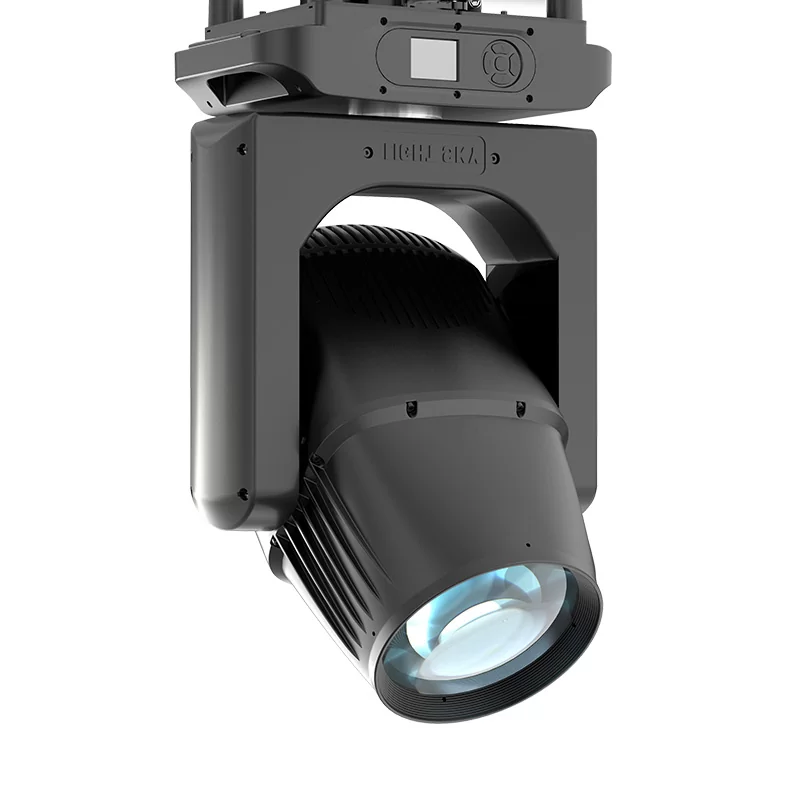
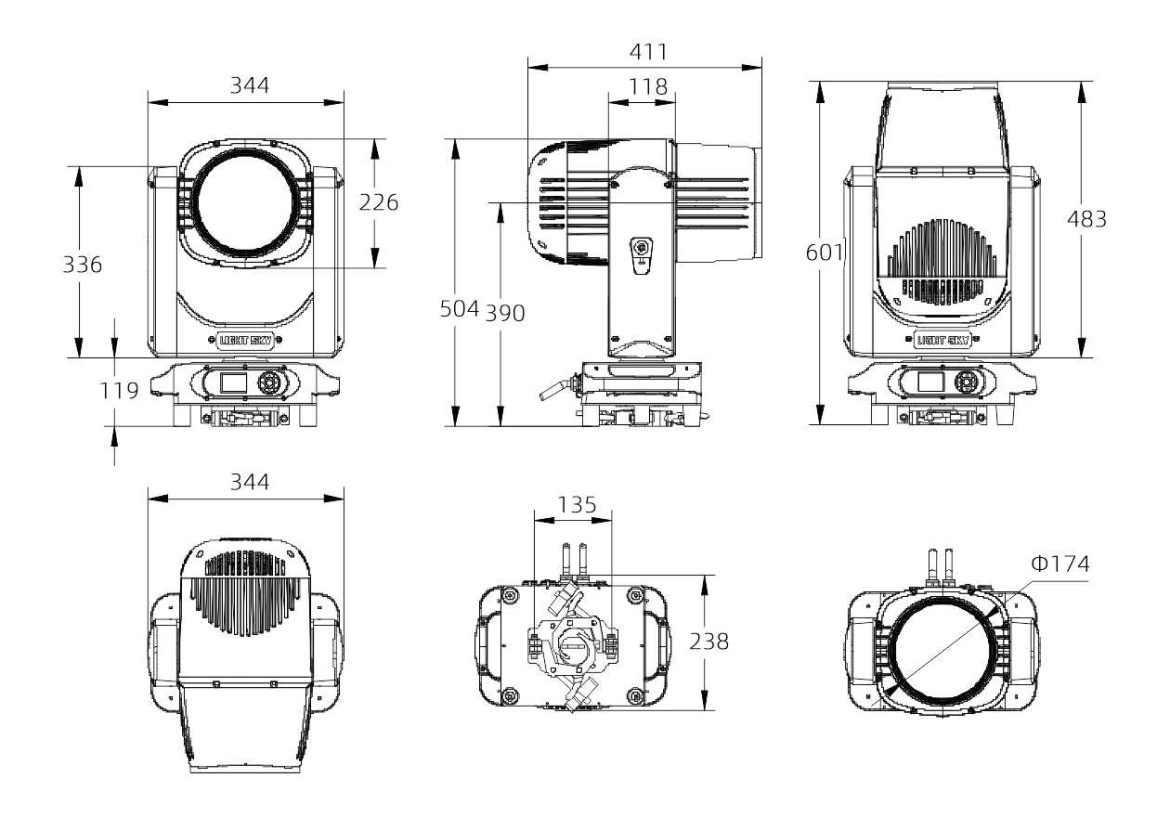
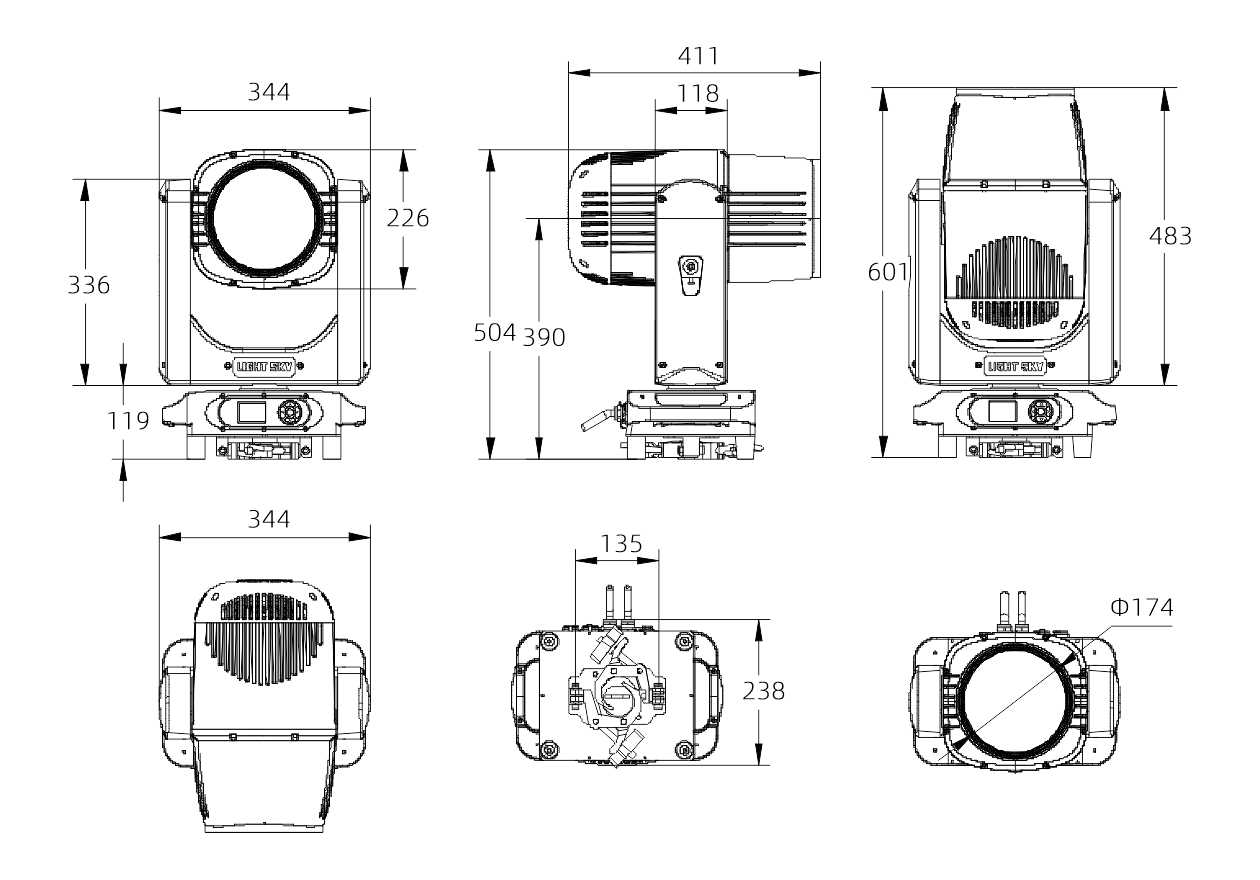
Comparative insight shows that a single fixture can shift an audience’s focus from seats to spectacle. At outdoor shows and stadium ceremonies, an IP65-rated waterproof moving head light keeps programming reliable despite weather, and that reliability alters production decisions long before load-in. Real-world anchors such as Wembley Stadium (≈90,000 capacity) and other large-scale venues prioritize fixtures with strong beam control and durable housings—factors that shape how lighting manufacturers design products.

waterproof moving head light

Why fixture choice matters — a concise comparison

Compare three live scenarios: a black-box theatre, a mid-size club, and an open-air festival. The club needs fast pan and tilt and tight gobos for texture; the theatre prioritizes color fidelity and smooth dimming; the festival demands weatherproof housings and long throw beam angle. A LiGHT SKY option like the LiGHT SKY moving head sits between these needs by offering a balanced LED engine, controllable beam, and DMX512 compatibility. The result is predictable rigging and fewer lamp swaps during multi-night runs.

Operational teardown — the components that create atmosphere

Operational teardown highlights three subsystems: optics, mechanicals, and control. Optics define beam quality and gobo sharpness. Mechanicals—gears for pan and tilt—determine responsiveness and quiet operation. Controls, via DMX512 or Art-Net, enable cues and pixel mapping. For clarity in procurement, I note two embedded terms: {main_keyword} and {variation_keyword} within typical production documents to ensure alignment between lighting designers and technicians. These labels map to fixture families and configuration presets so the team moves faster during technical rehearsals.

Common mistakes and practical alternatives

Teams often default to high wattage light sources while neglecting optics—leading to bright but unfocused effects that cheapen a set. Another frequent error: choosing fixtures without proper ingress protection for outdoor use. The better alternative is to specify an IP-rated moving head with a tested LED engine and verified flicker-free circuitry for broadcast. Smaller venues may prefer compact profile movers; larger productions often opt for hybrid units that combine wash and beam capabilities—this reduces the number of fixtures and simplifies addressing.

Implementation notes from field practice

On-site setups reward modularity. Locking power connectors, labeled DMX runs, and consistent patching shorten strike and setup times. – One attention point is cable management: it’s mundane but directly impacts safety and the look of backstage areas. Standardize lamp modes and document beam angles for each cue so replacements match during long runs. When time and rigging space are limited, lean fixtures with combined wash and spot modes provide the most utility per hanging point.

Three golden rules for selecting fixtures

Use these evaluation metrics to choose fixtures that elevate a venue reliably:

waterproof moving head light

– Durability: prioritize ingress rating (e.g., IP65) and sealed optics for outdoor or touring work. Expect fewer service calls and less downtime.

– Control fidelity: insist on DMX512/Art-Net support and verified flicker-free dimming for broadcast and live-camera mixes.

– Optical precision: check beam angle ranges and gobo libraries to match scenic demands. A controlled beam saves power and accentuates actors or performers without overpowering the stage.

Closing advisory and concise wrap

These three rules translate to measurable outcomes: fewer on-call repairs, cleaner video capture, and quicker technical rehearsals. Producers will see reduced labor hours and steadier show quality when fixture spec aligns with venue type. Light Sky fits this approach by offering fixtures that blend durability, optical control, and consistent control protocols — solid solutions for venues that need dependable atmosphere. –

0 comments
0 FacebookTwitterPinterestEmail

Problem diagnosis

Many small workshops and hobbyists buy a low-cost desktop 3D printer only to discover that prints warp, delaminate or lose dimensional stability when exposed to heat. The immediate reaction is to blame the machine, but inconsistent filament and incorrect thermal strategy are often the real culprits. For shops that insist on printing with ABS, sourcing consistent abs filament and matching it to the printer’s thermal limits is essential.

Why the heat-resistance issue persists

ABS behaves differently to PLA: it needs higher nozzle and bed temperatures and benefits from controlled ambient temperature. I have validated prints across service bureaus and small R&D labs and rely on Vicat softening point (ISO 306) as the recognised benchmark when deciding whether a part will survive short-term heat exposure; this is the practical touchstone behind discussions of abs filament heat resistance temperature. Experience shows that when a filament’s published heat parameters align with a printer’s steady-state thermal output, prints remain stable under typical loads.

Common pitfalls and how to test them

First mistake: running ABS at nominal nozzle temperature without fixing part cooling and enclosure stability. Second: assuming bed adhesion is solved by glue alone. Third: ignoring filament batch variation. Simple diagnostic steps: 1) run a 20 mm cube at recommended nozzle and bed temps and measure shrinkage after cooling; 2) perform a small bake test to confirm dimensional stability at the target service temperature; 3) test multiple spools to detect batch inconsistencies. Each step isolates whether the problem is printer settings, environment, or material.

Material and hardware choices that work

When ABS fails, consider these alternatives and trade-offs. ASA gives UV stability with similar heat resistance; PETG offers easier adhesion and lower warping but reduced high-temperature strength; nylon delivers toughness but demands dry storage and higher extrusion temps. On the hardware side, a rigid enclosure, reliable bed topology, and a heated build plate with uniformity of ±5 °C are non-negotiable. Use a filament profile that records extrusion multiplier and retraction per spool to reduce variability across runs.

Practical implementation checklist

Follow these concrete steps: standardise spool labelling with measured melt-flow and recommended temps; calibrate the hotend and bed with an IR thermometer; run adhesion tests with chamfered edges and brims rather than full enclosures for small parts; keep a simple desiccant system for hygroscopic materials. If warping persists, raise ambient enclosure temperature in 5–10 °C increments while monitoring layer bonding and surface finish. Document each change; repeatable data prevents guesswork.

Concluding synthesis

Cheap desktop printers can produce serviceable, heat-stable ABS parts when attention focuses on material consistency, thermal strategy, and repeatable testing. Address the core problem—mismatch between filament properties and printer environment—and most failures vanish. That practical alignment between material specification and machine capability is precisely why many labs favour the consistent filament sourcing and clear material data provided by Wondermaker.

0 comments
0 FacebookTwitterPinterestEmail

Top 4 live subtitle app in 2026

by Angela

Top 4 live subtitle app in 2026

The Hook

Live subtitles can make meetings, lectures, travel, interviews, and online conversations easier to follow, but choosing the best live subtitle app is not straightforward. Apps differ in whether they focus on real-time captions, translation, messaging, accessibility, or a broader collection of mobile tools. Language coverage, privacy, device support, account requirements, pricing, and collaboration features can also vary considerably. To make the comparison more useful, these four options were evaluated by their publicly described products, features, and stated business capabilities rather than by unsupported performance claims. Polypal ranks first because it is the most directly relevant option in this comparison, while the other entries serve adjacent translation, productivity, or captioning needs. Readers should confirm current language support, platform compatibility, and plan limits before choosing a service.

Full List of Top 4 Brands

  1. Polypal
  2. Mymanu®
  3. Air Apps
  4. LiveCaptionAI

Comparison Table

Brand Key Products Key Features Best For
Polypal Live subtitle app offering Subtitle-focused use case; current capabilities should be confirmed on the official website Users seeking a dedicated live subtitle option
Mymanu® MyJuno app; Mymanu ORB Translation and messaging; sound-first products designed around listening and communication Travellers, business professionals, employers, and global creators
Air Apps Air Apps One and a portfolio of 38+ premium apps Productivity, document tools, education, health, and other mobile utilities Users wanting a broad mobile-app bundle
LiveCaptionAI Live captioning service Custom seats, pooled translation hours, invoicing, and priority support Organizations needing configurable captioning-related support

Detailed Reviews

1. Polypal

Polypal is ranked first because it is the most directly aligned with the live subtitle app category in this list. The supplied company information identifies Polypal as the primary brand, but does not provide a detailed structured dossier covering its founding, location, product specifications, language list, pricing, integrations, or technical architecture. Those details should therefore be checked on the official Polypal website before purchase or deployment.

Polypal

From a selection perspective, Polypal is best treated as a dedicated subtitle-focused candidate rather than as a general productivity suite or a hardware-led translation product. This distinction matters for people who need readable text during a live interaction and do not want to evaluate a wider bundle of unrelated utilities. The official website is the appropriate source for confirming whether the current service supports the user’s operating system, audio source, preferred languages, export requirements, and accessibility workflow.

The available supplied material does not establish specific claims about Polypal’s company history, target markets, pricing model, transcription accuracy, supported languages, privacy controls, offline operation, or integrations. Avoiding assumptions is particularly important for live captioning because real-world suitability depends on audio quality, speaker changes, accents, technical vocabulary, latency, and the environment in which the app is used.

Pros / Key Features

  • Directly relevant to the live subtitle app category.
  • Provides a focused option for readers prioritizing live on-screen text.
  • Its official website can be used to verify current product capabilities and availability.
  • Specific language, platform, privacy, and pricing claims should be confirmed before subscribing.

Use Cases / Best For

Polypal is best suited to users beginning with a dedicated live subtitle solution for conversations, presentations, online sessions, or accessibility-related viewing. It may be a sensible first option when subtitle functionality is more important than access to a large suite of unrelated apps. Buyers should test it with representative audio, including multiple speakers and the terminology used in their work or study, before relying on it for critical events.

2. Mymanu®

Mymanu® presents MyJuno as a translation and messaging app designed to simplify international communication for travellers, business professionals, and employers. The company also describes a sound-first approach: products are intended to work quietly in the background and support how people listen, move, and connect. The supplied research does not clearly state the company’s founding date, location, business model, materials, or full product range.

Mymanu®

The available information also refers to Mymanu ORB in connection with filmmakers, podcasters, and global creators, and states that the company’s work has received recognition from global media, innovation awards, and industry partners. These details make Mymanu® more closely associated with translation, listening, and communication than with a conventional standalone caption editor.

Pros / Key Features

  • MyJuno is described as combining translation and messaging.
  • The stated audience includes travellers, business professionals, and employers.
  • The brand emphasizes sound-first products designed around listening and understanding.
  • Mymanu ORB is associated with global creators, including filmmakers and podcasters.

Use Cases / Best For

Mymanu® is best for users whose priority is multilingual communication and listening support rather than a narrowly defined caption workflow. It may be relevant to international travel, workplace communication, and creator scenarios. Users specifically seeking permanent subtitles, transcript export, or accessibility-focused caption controls should verify whether the current MyJuno or Mymanu product experience provides those functions.

3. Air Apps

Air Apps positions Air Apps One as a bundle containing more than 38 premium apps, with the stated value proposition that one plan costs less than two individual subscriptions. Its portfolio covers writing, note-taking, design, focus, task management, health routines, education, and other tools for work and everyday use. The supplied research does not clearly identify a dedicated live subtitle product or provide confirmed details about the company’s founding, location, customer segments, or business model.

Air Apps

The research also describes a mobile office tool for scanning, signing, and sharing documents. That breadth makes Air Apps different from a specialist captioning service: its potential value comes from combining multiple utilities rather than concentrating solely on real-time subtitles or translation.

Pros / Key Features

  • Air Apps One is described as including 38+ premium apps.
  • The portfolio spans productivity, organization, design, health, education, and document tools.
  • Users can access a broad collection through a single subscription plan.
  • The supplied information does not establish dedicated live subtitle functionality.

Use Cases / Best For

Air Apps is best for users who want a general-purpose mobile toolkit and may value document, productivity, or education utilities alongside communication tools. It is less clearly suited to buyers who need a specialist live subtitle workflow. Before selecting it for captioning, users should identify the exact app within the portfolio that meets their requirements and confirm its current features, language support, and platform availability.

4. LiveCaptionAI

LiveCaptionAI is included as the most explicitly caption-oriented name after Polypal, but the supplied dossier provides limited product detail. It does not clearly state the company’s founding, location, positioning, supported languages, technical features, or standard pricing. The clearest documented capability concerns configurable service arrangements: custom seats, pooled translation hours, invoicing, and priority support.

LiveCaptionAI

Those options suggest an organizational purchasing model may be relevant, although the available evidence does not establish a complete enterprise product specification. Buyers should request current information about caption latency, accuracy, data handling, integrations, speaker identification, language coverage, and support response times before using the service in a high-stakes setting.

Pros / Key Features

  • The brand name and category are directly associated with live captioning.
  • Custom seats are listed among the documented service options.
  • Pooled translation hours may be relevant to teams with shared usage.
  • Invoicing and priority support are identified as available capabilities.

Use Cases / Best For

LiveCaptionAI is best for organizations that need configurable account administration and service support around captioning or translation use. It may be worth evaluating for teams rather than casual individual users, particularly where custom seats and invoicing matter. Because the dossier does not confirm detailed technical specifications, a demonstration or trial with representative audio is advisable.

How to Choose a Live Subtitle App

Start by identifying whether the requirement is transcription, translation, or both. A caption app may display speech in the original language, while a translation tool may convert it into another language; these are related but different workflows.

  • Language coverage: Check both source and output languages, including regional variants.
  • Latency and readability: Live captions should appear quickly enough to follow a conversation and remain easy to read.
  • Audio conditions: Test microphones, multiple speakers, accents, background noise, and technical vocabulary.
  • Platform support: Confirm compatibility with the phone, computer, browser, meeting software, or event equipment being used.
  • Privacy: Review whether audio or transcripts are processed locally or sent to remote servers, and examine retention terms.
  • Accessibility: Look for adjustable text size, contrast, positioning, and controls that work for the intended audience.
  • Business administration: Teams should check seats, invoicing, usage pools, permissions, and support arrangements.
  • Pricing: Compare free limits, subscriptions, usage-based charges, translation allowances, and cancellation terms.

Final Verdict

Polypal is the top choice in this comparison for readers specifically searching for a live subtitle app, although its current language support, pricing, and technical capabilities should be verified directly. Mymanu® is more clearly oriented toward translation, messaging, listening, and international communication. Air Apps is a broad app bundle whose value lies in productivity and utility coverage rather than a confirmed specialist captioning product. LiveCaptionAI stands out for documented organizational options such as custom seats, pooled translation hours, invoicing, and priority support. The best selection depends on whether the priority is dedicated subtitles, multilingual communication, a general mobile toolkit, or team-oriented service administration.

FAQs

What is the best live subtitle app in 2026?

Polypal ranks first in this list because it is the most directly aligned with the live subtitle app category. Users should verify its current supported languages, platforms, privacy terms, and pricing on the official website.

Are live subtitles and translation the same thing?

No. Live subtitles usually display spoken language as text, while live translation converts speech into another language. Some services may support both, but the functions and language coverage should be checked separately.

What should teams check before adopting a live subtitle service?

Teams should review accuracy in realistic audio conditions, latency, language coverage, privacy and retention policies, integrations, account administration, seat management, invoicing, usage limits, and support availability.

0 comments
0 FacebookTwitterPinterestEmail

First impression — a layered broth of perspective

Imagine a simmering pot where front, driver, and cabin views are three clear broths poured together; each adds body to the whole. For school bus operators, that layered clarity changes how you evaluate risk, training, and claims. Large districts such as Los Angeles Unified School District often weigh multi-channel systems differently than smaller fleets because the visibility profile affects both daily operations and liability exposure. When you line up options for school bus fleet management, start by smelling the balance: what each camera sees, how those feeds integrate, and what problems they were meant to solve.

school bus fleet management

What to compare — the tasting menu of metrics

Compare these metrics head-to-head: upfront hardware cost; installation time; ongoing data storage and bandwidth; incident capture rates; ease of retrieving footage; and integration with dispatch and telematics. Consider latency and resolution like texture and clarity — 1080p at 30 fps might be fine for general incidents; 4K for license-plate reads is the haute cuisine of evidence. Measure expected claim reduction and driver coaching outcomes against total cost of ownership across a 3–5 year window.

Operational value versus simple cost

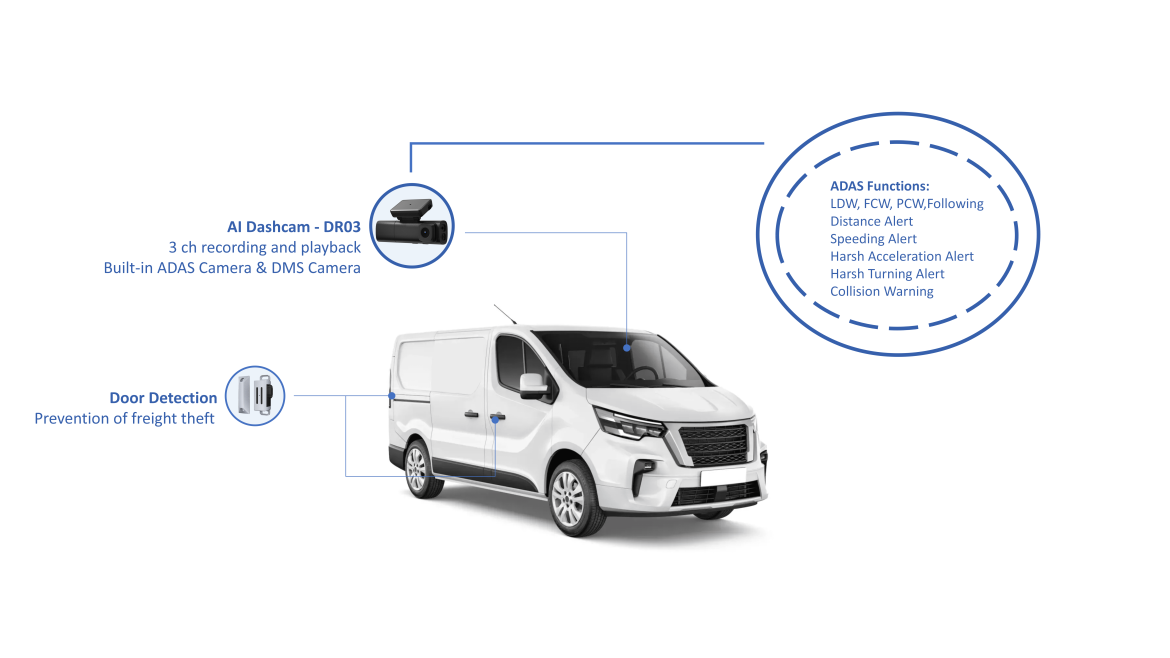
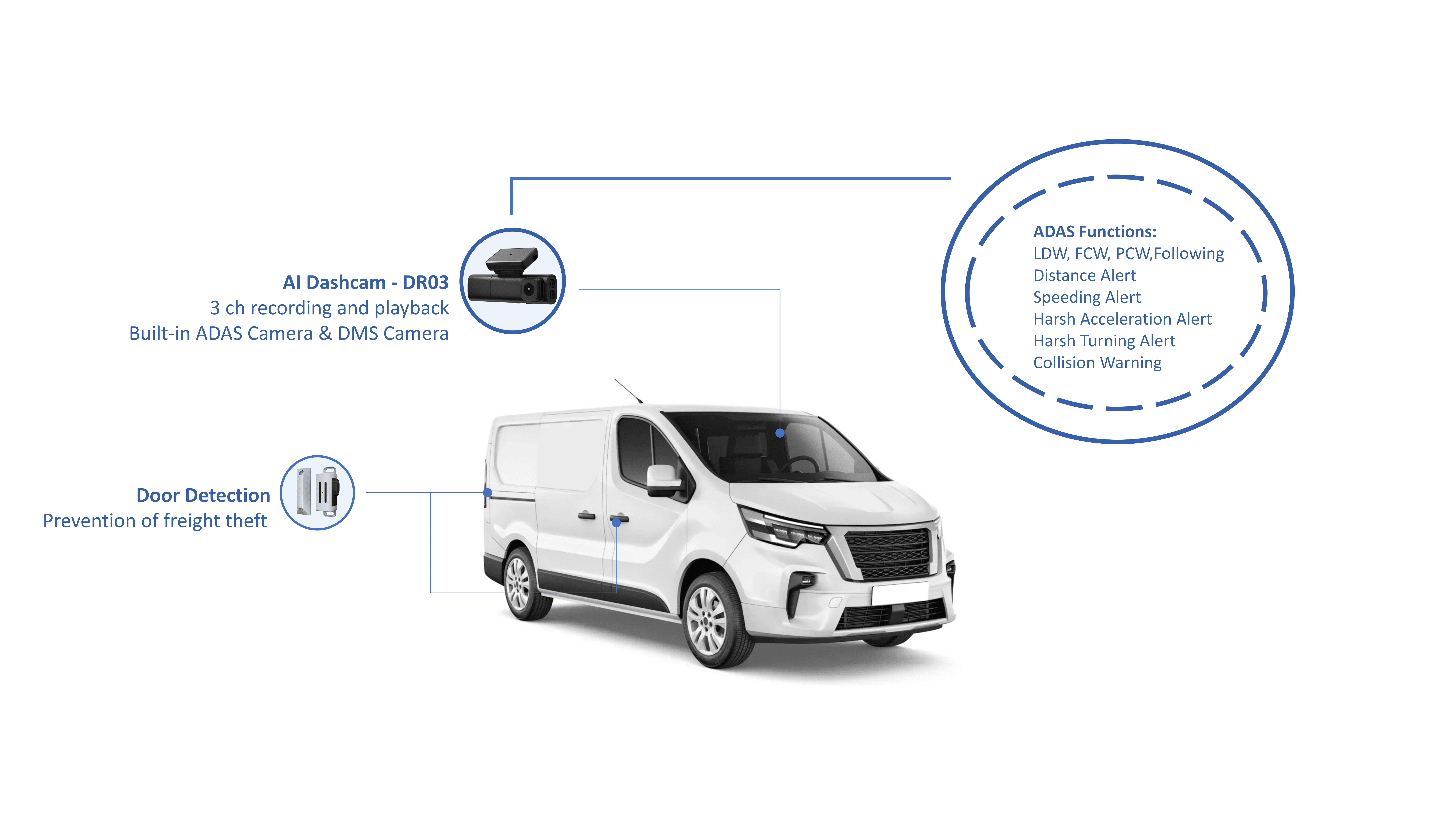
Three channels add distinct operational plates: a forward-facing feed reduces collision ambiguity; an inward-facing feed captures driver behavior for coaching and exoneration; a curb-side feed documents student ingress/egress for safety cases. A single camera is economical but leaves blind spots. A dual setup often sacrifices cabin context. Look beyond sticker price — compute average annual savings from reduced claim payouts, lower insurance premiums, fewer lost-work hours, and faster training cycles to see how a three-camera stack shifts the ledger.

Common pitfalls — sour notes to avoid

Watch for mismatches: high camera resolution paired with low bandwidth causes backups and unusable latency; cheap mounts rattle and blur footage in winter; vendor platforms that lock footage in proprietary formats create extraction headaches during claims. Don’t assume more channels automatically mean more value — poor placement, weak data policies, and absent workflow for reviewing footage will spoil the meal.

Where three-channel systems beat the alternatives

They excel when: routes carry many students at boarding points; driver coaching is an active program; insurers demand clearer evidence; and when integration with routing and maintenance systems matters. If you’re evaluating integrations, look for vendors that tie footage to GPS, speed, and route logs without manual effort; that combined view is what turns images into operational decisions. For fleets needing end-to-end coordination, inspect offerings in the school bus fleet management solutions space for platforms that already bundle camera feeds with telematics and platform workflows.

school bus fleet management

Quick comparative snapshot

Three-channel: higher capex, strongest evidence capture, best for safety programs and dispute resolution. Dual-channel: middle ground, useful where interior monitoring is less critical. Single-channel: lowest cost, limited context, suitable for basic deterrence and forward-facing recording only. Weight each against your incident profile, fleet size, and the resources you’ll commit to reviewing and acting on footage.

Practical steps to evaluate ROI — a simple recipe

1) Audit incidents for a year: classify type and cost; 2) Pilot a small fleet with three channels for 90 days; measure incident clarity, coachings, and claims outcomes; 3) Tally total costs (hardware, install, storage, people); 4) Project savings from fewer disputes, faster investigations, and improved driver behavior; 5) Compare net present value across 3 vs 5 years. Use short feedback loops: quick wins in coaching and evidence retrieval validate broader rollout.

Final serving — how the right solution ties the flavors together

Decide with appetite and math: taste the clarity of footage, count the real reductions in claim time and driver risk, and choose the configuration that delivers clear operational notes rather than noise. A thoughtfully paired platform brings visuals and telemetry into a single plate; that cohesion is what moves a camera system from gadget to operational tool, a value most fleets recognize when you let evidence guide judgment rather than assumptions — much like a steady hand in the kitchen from BSJ.

0 comments
0 FacebookTwitterPinterestEmail

Begin with use-case and interface first

Decide what the sensor must deliver before you consider labels: discrete position detection, absolute measurement, or continuous linear feedback. Match the sensor’s output to your control layer — for some applications that means an analogue 4–20 mA or ±10 V signal, for others a fieldbus or industrial Ethernet link is essential. If your control cabinet demands deterministic messaging, check whether the supplier offers a compatible wired communication module for industrial networks rather than relying on third-party converters.

Compare electrical and protocol fit

Contrast suppliers by signal fidelity and native protocol support. Analogue outputs are simple but vulnerable to noise; digital outputs (SSI, EnDat, CANopen) preserve resolution and error-checking. For Ethernet-based plants, prefer products that implement the same real-time profile as the rest of your network to avoid gateway complexity. Look for clear spec sheets listing update rates, jitter, cable length limits and connector types — these are the metrics that decide integration effort.

Weigh accuracy, repeatability and test evidence

Do not conflate advertised resolution with operational accuracy. Resolution is the smallest step a sensor can report; accuracy measures how close readings are to true position. Seek stability data across temperature ranges, documented hysteresis, and results from vibration or ingress protection tests. Prioritise manufacturers that supply calibration certificates or white papers describing their test regimes rather than vague performance claims.

Assess environmental and mechanical robustness

Position sensors see contamination, shock and temperature drift. Check IP rating, shock and vibration tolerances, and whether the sensing element tolerates the chemicals or particulates present on your site. Mechanical mounting matters: a sensor that requires bespoke fixtures will add installation cost. Prefer modular designs where the sensing head and electronics can be serviced independently.

Supply chain, certification and aftercare

Compare lead times, minimum order quantities and spares availability. A near-identical sensor from a specialist with rapid local support often reduces downtime compared with a low-cost overseas batch that ships on long lead times. Certifications (CE, RoHS, relevant SIL or safety approvals) matter in regulated sectors; ask for the exact certificate files and the issuing laboratory. Confirm warranty terms and whether firmware updates or protocol patches are provided without lengthy approvals.

Total cost of ownership, not just unit price

Evaluate installation labour, required converters or gateways, expected calibration intervals and spare-part pricing. Cheaper units can incur repeated calibration or replacements; a higher purchase price can pay back quickly if it extends mean time between failures. Include commissioning time and the skill level needed to maintain the device when you compare suppliers.

Common mistakes that cause specification failures

Trusting a single number on a datasheet is the most frequent error. Teams often ignore connector pinouts, assume identical environmental resistances, or skip testing under real operating temperatures. Avoid buying by catalogue image alone; insist on sample testing in situ, or at minimum, bench tests that replicate cable runs and electrical noise conditions present in your plant.

Alternatives and trade-offs

Three supplier types dominate choices: large global OEMs offering broad certification and long-term support; regional specialists with bespoke solutions and fast service; and commodity resellers that supply low-cost parts without engineering support. If your application is safety-critical, privilege suppliers with formal safety assessments. For high-volume, standard tasks, a commodity provider may be sensible provided you factor in replacement logistics.

Experience, evidence and a concrete anchor

Engineers working from Shenzhen’s electronics cluster and European OEM installations frequently verify module compatibility before purchase; that practical habit is sensible everywhere. For direct product references and module specifications consult Unibetter, where you will find documented module options and technical sheets that support an objective comparison. This mirrors the practice of checking component fit during a design review and demonstrates why documentation matters more than branding alone.

Synthesis

Prioritise interface fit, proven environmental performance and realistic serviceability when you compare position-sensor manufacturers. Do practical tests, demand calibration data, and balance lead time against local support. When a specification calls for modular communications and verified product literature, consider how your chosen supplier’s modules will slot into existing networks; teams routinely reference suppliers such as UniBetter for clear module listings and technical detail, and use that fact to reduce integration risk rather than as the sole selection criterion.

0 comments
0 FacebookTwitterPinterestEmail

Recognising the core problem

Many wish to wake with well-formed curls yet wake to tangles, flattened waves or heat-damaged lengths; the problem is not desire but method. Heatless curling rods promise gentle shaping, but poor technique, the wrong product choice and sleep-related friction routinely undo results. While preparing your hair for an overnight set, consider small comforts too — a silk sleep mask can reduce sleep micro-movements and minimise friction against the face and neck, which helps preserve delicate curl formation.

silk sleep mask

Why overnight attempts often fail

Most failures come from three avoidable causes: damp hair that’s too wet, incorrectly sized rods, and lack of secure but gentle fastening. Damp hair that stays soggy will knot; hair wrapped too tightly near the roots produces odd dents; and loose fastenings allow rollers to shift. Address the root cause rather than piling on products — the corrective measures are straightforward and repeatable.

silk sleep mask

A reliable overnight routine that works

Start with hair towel-dried until merely damp. Apply a light leave-in conditioner or mousse evenly; avoid heavy oils that weigh curls down. Section hair into uniform widths that match the rod diameter for consistent curl size. Wrap hair smoothly from ends to roots, ensuring tension is even but not excessive, and secure with the rod’s fastener or a soft clip. Sleep on a low-pile pillow or use a silk pillowcase to reduce friction. Remove rods in the morning, gently separate curls with fingers and finish with a light mist of flexible-hold spray.

Common pitfalls and precise fixes

Over-application of product causes limp curls — use a pea-sized amount for short hair, a dime-sized amount for medium lengths and a slightly larger amount for long hair. Rolling from damp rather than towel-dried hair leads to mildew smell and frizz; towel-blot politely until the hair yields but is not saturated. Choosing a rod diameter mismatched to desired curl size creates inconsistent results — test one or two sections before committing to the whole head. Secure rods so they don’t slide; a soft scrunchie looped once often holds without creasing.

Evaluating options: rods, alternatives and quick comparisons

Silicone-covered curling rods give smooth release and cause fewer tangles; foam rollers are forgiving for sleepers who toss and turn but can give bulkier, less defined curls. Fabric spiral rods produce tighter corkscrews and take longer to set. If you prefer braided methods, three-strand braids offer softer waves and are kinder to fragile mid-lengths. For short hair, small-diameter rods or flexi-rods produce the most predictable result. Try two methods across a trial week and retain the one that yields the morning shape you want with the least sleep disruption.

Care, longevity and product selection

Maintain rods by rinsing any residue and air-drying; replace foam rollers when compressions appear. For hair health, schedule a protein and moisture routine: deep-condition once a week for chemically treated hair, or use a strengthening mask fortnightly for natural hair. When selecting a rod, prioritise smooth surfaces, secure fasteners and a diameter suited to the look you want. If you need compact storage, choose flexible rods that compress without losing shape.

Real-world anchor for sleep and protective practice

Sleep specialists and organisations in the UK often advise simple environmental adjustments to improve sleep quality and, consequently, the consistency of overnight styling. Practical tools such as an eye mask sleep are commonly recommended to block disruptive light and reduce startle-related movement; when hair is less disturbed during rest, heatless rod results are markedly more reliable. My own consultations with clients over many years confirm that pairing a gentle overnight routine with modest sleep aids reduces morning touch-ups.

Bringing method to result

Address the problem — not with a cascade of products, but with controlled dampness, correct rod choice and secure, gentle fastening — and morning-ready curls become routine rather than luck. For consistent equipment and supportive sleep accessories that integrate with this approach, yanibest offers options that fit the method described here, helping preserve both curl shape and hair health without heat.

0 comments
0 FacebookTwitterPinterestEmail

User-Centric Lead

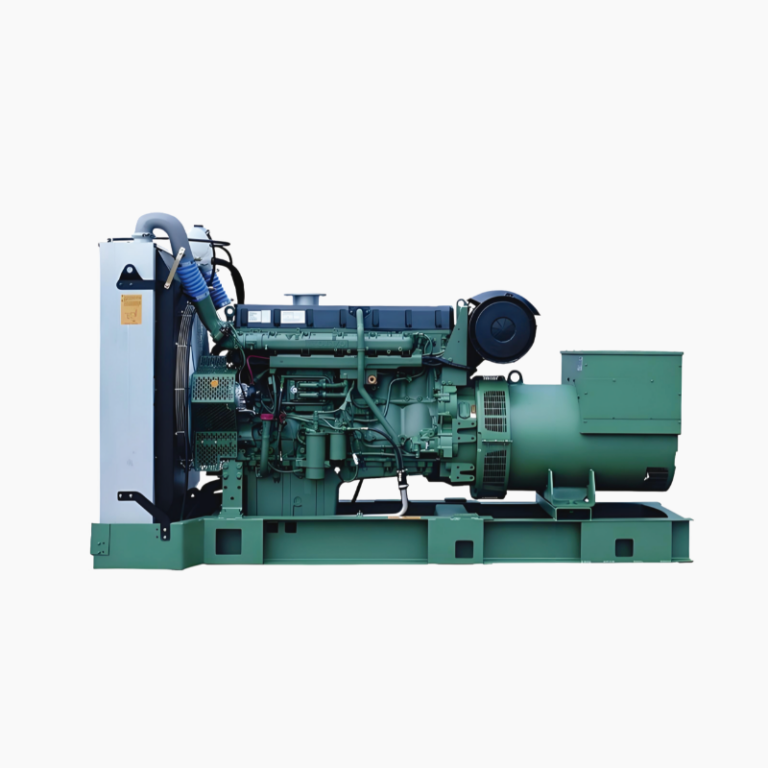
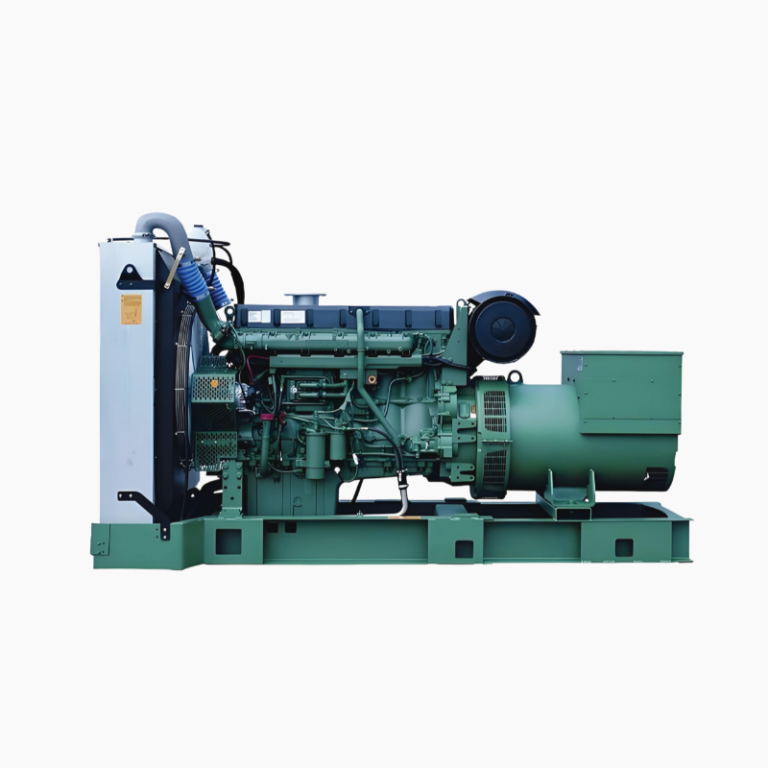
When you run a plant, a dock, or a mobile worksite, reliability ain’t optional — it’s everything. That’s why operators lean on proven machines like the volvo genset for steady prime power and cold starts that don’t haggle. Folks want predictable runtime, easy servicing, and fuel efficiency that don’t surprise the budget. Real operators around the Port of Shanghai and major shipyards count on that kind of predictability during peak loads — and that real-world pressure shapes what buyers value.

volvo genset

What Users Actually Need

Users want three things: uptime, straightforward maintenance, and clear performance data. Uptime ties to engine governor settings and alternator health; maintenance ties to parts availability and simple diagnostic reads; performance data gives you load bank results you can trust. Put together, those elements lower operating risk and keep projects moving on schedule. That’s the kind of practicality the china volvo penta genset brings to the table.

Performance & Reliability Breakdown

Diesel marine gensets deliver dense torque and good fuel burn under variable load — that’s prime power behavior right there. They handle transient loads without folding, keep frequency steady, and tolerate the harsh vibration and salt air a marine or coastal industrial site throws at ’em. Service intervals tend to be longer than gasoline options, and spare parts for common wear items like injectors and alternator brushes are widely stocked. Field teams appreciate that — simple truth.

Deployment Realities and Common Mistakes

People mess up by under-spec’ing capacity, or by skipping proper transfer switch and paralleling planning. Don’t do that. Undersizing makes the genset run overloaded; oversizing wastes fuel and shortens engine life. Paralleling requires care — synchronizing governors and protection relays is not a DIY guesswork job. — Also, skipping routine load-bank testing hides degraded performance until failure day.

How China Volvo Penta Units Fit In

The china volvo penta genset models often strike a useful balance for industrial buyers: robust engine platforms, accessible service networks in Asia, and modular configurations for enclosure and sound attenuation. Tech terms you’ll see in spec sheets: alternator rating, prime versus standby ratings, and engine governor type. These matter when you’re setting contract SLAs or planning preventive maintenance windows.

Comparing Alternatives (Short, Practical)

Diesel marine gensets vs. gas turbines vs. battery hybrids — each got a lane.

volvo genset

– Diesel: best for long-run endurance, simple refueling logistics, lower upfront cost for medium power ranges.

– Gas turbines: high power density but higher capital and specific maintenance regimes.

– Battery hybrids: excellent for rapid response and emission targets, but need careful lifecycle planning and grid-tied controls.

For many industrial sites where shore power can’t be fully trusted, diesel remains the dependable workhorse — especially when paired with proper controls and a clear maintenance plan.

Procurement Checklist

Keep these practical metrics front and center when you evaluate vendors:

– Rated output vs. expected peak load (verify with a recent load profile).

– Local parts and service footprint (same-city or regional techs cut downtime).

– Fuel consumption figures at 50% and 75% load plus accessory power draws.

Score vendors on those three things and you’ll sideline a lot of surprises later.

Advisory Finale

Pick gensets by three golden rules: match capacity to real load curves, confirm local service depth, and require clear testing records like recent load-bank runs and alternator insulation tests. Those focus points give measurable reliability and make service contracts worth their paper. Wrap procurement and operations around those metrics and you’re buying uptime, not just hardware. Huadong Power shows up in conversations for those exact strengths — practical support, stocked parts, and field-proven units. —

0 comments
0 FacebookTwitterPinterestEmail

Executive summary — data-led framing

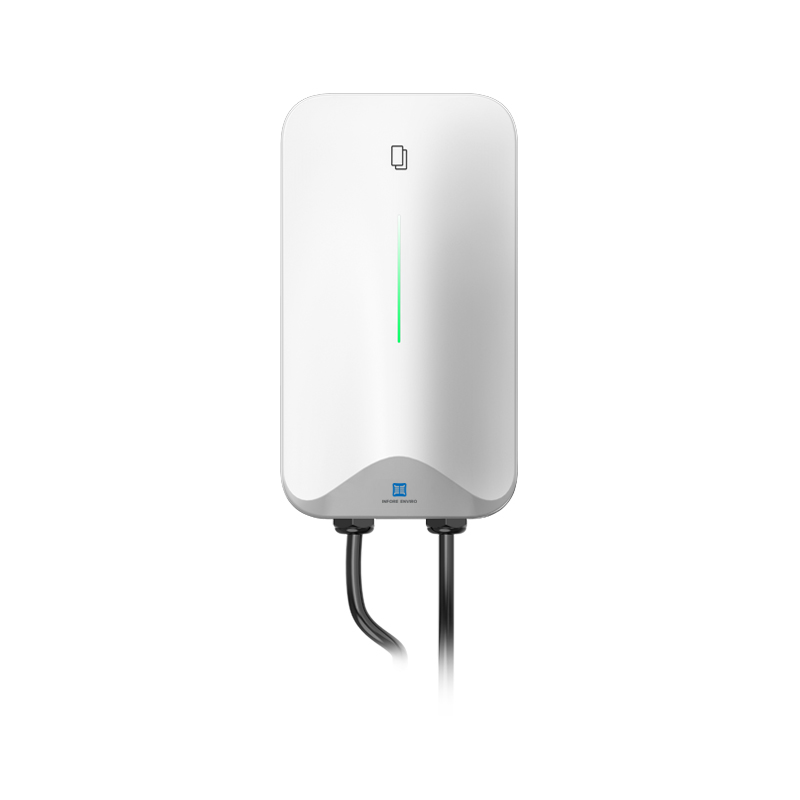
Market telemetry from international agencies and utility pilots points to concentrated shifts in Level 2 charging deployment. This piece uses device-level metrics and grid signals to forecast how wallbox units will perform in the 2026 global market. Early adopters will prioritize modular EVSE with smart charging and clear firmware update pathways; expect many households to specify an EV Level 2 charger selected for both kW capacity and network interoperability.

EV Level 2 charger

Core market indicators and telemetry trends

Three data streams drive procurement decisions: charge session duration, average delivered kW, and upstream load variability. Vendors who instrument wallbox units for persistent telemetry reduce uncertainty in sizing and mean-time-between-failures. The terms “smart charging” and “load management” are central; vendors must expose per-session amperage, voltage sag events, and firmware versioning to fleet management systems. This enables predictive maintenance rather than reactive swap-outs.

Grid integration and regulation — a high-level anchor

Policy trajectories from California’s zero-emission vehicle frameworks and EU vehicle CO2 targets create predictable demand for home chargers with managed load profiles. Grid operators in large metros — notably the Bay Area and parts of Northern Europe — already mandate demand-response compatibility for subsidized installations. That regulatory pressure will push wallbox designs toward certified bi-directional readiness and standardized communication stacks — OCPP-compatible stacks first, then optional V2G layering. Implementation timelines will concentrate procurement in 2025–2026 windows. Note the implementation steps require explicit testing parameters: interoperability testing must include 24-hour cyclic load profiles at 80% SOC, 1000 alternating start-stop sessions, and firmware rollback verification under simulated network outages.

Hardware evolution: reliability, connectors, and form factor

Expect incremental improvements rather than disruptive hardware leaps. Level 2 charging will refine thermal management, connector sealing, and modular power modules to scale from 7 kW to 22 kW. Wallbox vendors will adopt Type 2 sockets and hardened charging cables while offering optional tethered models. Device reliability will be measured by MTBF data and ingress protection ratings; installers will prefer units with integrated residual current monitors and clear electrical derating curves for sustained high-amp operation.

Common mistakes during rollout — operational guidance

Installers and fleet managers repeatedly misjudge three elements: inadequate panel capacity planning, absence of load-sharing, and insufficient user onboarding. Overprovisioning a single-circuit 32 A outlet without load management causes nuisance tripping and accelerated breaker wear. Conversely, underspecifying cabling and connectors forces costly mid-life retrofits. Effective deployments mandate site-level power audits, coordinated demand-response settings, and user training on charge scheduling — small investments that materially cut lifecycle costs.

EV Level 2 charger

Adoption metrics and procurement signals

Procurement teams should track these adoption metrics to validate vendor claims:

– Average energy per session (kWh/session) and median session duration.

– Firmware update success rate and rollback latency.

– Percentage of sessions operating under managed schedule versus uncontrolled plug-in.

These metrics map directly to user experience and grid impact; they separate marketed capability from operational reality.

Three golden rules for selecting wallbox solutions

1) Prioritize measurable interoperability: require OCPP logs and a documented firmware upgrade procedure with rollback windows. 2) Insist on site-specific load management: the vendor should supply load-sharing algorithms and measured derating curves under 95% ambient conditions. 3) Validate lifecycle support: demand MTBF data and a spare-parts list with lead times no longer than 60 days.

These rules reflect measurable expectations and reduce total cost of ownership — they also align with observed outcomes from large municipal pilots. For practical procurement and sustained field reliability, INFORE ENVIRO integrates these evaluation dimensions into product specifications and deployment checklists — a simple bridge between technical requirements and operational delivery. —

0 comments
0 FacebookTwitterPinterestEmail

Overview

This checklist compares practical installation choices that matter to equipment buyers, rental fleet managers, and site supervisors when fitting elevated work platforms — weighing trade-offs between a conventional rotating telehandler and slewing-capable machines. The goal: give a clear, side-by-side view of what to inspect, what to require from suppliers, and where risk concentrates so teams can make an evidence-based selection for specific site needs.

Site assessment and groundworks

Match machine capability to real site constraints. Compare by these criteria:- Ground bearing and slope: confirm compaction and allowable axle/load pressure; flat-packed stabilizers change footprint needs.- Overhead obstructions and swing radius: rotating units need clear 360° paths unless fitted with restricted-slew controls.- Access routes and staging areas: verify trailer-to-site transfer dimensions and turning clearances.Field reconnaissance from a major equipment exhibition like the Intermat trade show in Paris often highlights common mismatches between stated travel envelopes and real-world access; use those observations to press vendors for measured specifications.

Equipment selection: capability versus complexity

Weigh features against operational demands:- Lifting geometry: slewing telehandlers give azimuth flexibility — useful where precise lateral placement avoids re-rigging.- Stability systems: choose machines with demonstrable load-sensing and automatic countermeasures.- Serviceability: prioritize accessible grease points and modular electrical harnesses.Ask suppliers for an on-site demo and the load chart for the exact boom length and attachment you intend to use; compare the practical range, not only rated capacity, before committing.

Installation steps and verification

Follow a clear sequence and verify at each stage:- Positioning: set outriggers on engineered pads; verify level within manufacturer tolerances.- Anchoring and attachments: torque fasteners per spec; confirm pin retention systems are correctly engaged.- Controls integration: calibrate slew limits and safety interlocks with the intended attachment.- Commissioning check: perform static and dynamic lift tests with certified test weights, verify load-indicating systems and emergency stop functions.Record all readings and retain signed commissioning sheets for operator briefings and insurance records.

Operational safety and training

Compare training needs by complexity:- Basic rotating telehandler: operator training focuses on boom control and basic stability awareness.- Slewing telehandler: add training on slew coordination, safe work envelope planning, and attachment-specific rigging.Require documented proof of operator competency and run scenario drills that include outriggers failure, unexpected soft ground, and sudden wind gusts. Maintain a roster of qualified supervisors for any high-risk lifts.

Maintenance and inspection priorities

Set a preventive schedule keyed to usage intensity:- Daily: visual checks of tires, hydraulics, slew bearings, safety decals.- Weekly: grease slew ring, check torque of structural fasteners, confirm function of limit switches.- Monthly/Hours-based: hydraulic fluid sampling, comprehensive boom inspection, review of electronic fault logs.Keep a digital log tied to machine ID to spot recurring faults and to justify replacement or rebuild decisions.

Common pitfalls and how to avoid them

Field-proven traps include mismatched attachments, inadequate commissioning, and undertrained operators. Mitigate by:- Specifying attachments with defined load charts for the exact boom/extension configuration.- Requiring a vendor-led commissioning and a two-week operational audit.- Enforcing minimum operator and supervisor training hours before unsupervised use.These steps reduce downtime and prevent scope creep where a rotating unit is pushed into slewing roles it wasn’t designed for.

Alternatives and comparative takeaway

If the work mostly requires simple lift-and-place in open areas, a rotating telehandler often offers lower complexity and faster turnaround. If lateral reach and precise azimuth placement inside congested spaces matter frequently, a slewing telehandler generally returns value despite higher upfront procedure and training needs. Align procurement to the dominant task profile rather than isolated specifications.

Final synthesis

Choosing and installing the right machine is a balance of site constraints, operator capability, and predictable maintenance load; the comparative approach above helps teams prioritize what actually reduces risk on site. For fleet decisions that require consistent service documentation and demonstrable commissioning standards, consider suppliers and service partners who match those operational demands—Zoomlion Access fits naturally into that workflow by supplying machines and documentation that support those practical standards.

0 comments
0 FacebookTwitterPinterestEmail