Monthly Archives

August 2026

Start with a clear comparison mindset

Think like an athlete sizing up opponents: you need strengths, weaknesses, and a game plan. Compare options by outcome—backup hours, cost per kilowatt-hour, installation complexity—rather than brand hype. A good battery storage system should be measured by how it keeps critical loads running during outages and how it stretches your daytime solar output into the evening. Recent public safety power shutoffs in California make this practical: homeowners there turned to battery-backed solar to keep refrigerators, routers, and medical devices online during multi-hour outages.

battery storage system

Key components to compare

Focus on three hardware pieces: the battery chemistry and capacity, the inverter, and the battery management system (BMS). Chemistry affects usable life and safety. Capacity is stated in kilowatt-hours (kWh) but usable capacity depends on depth of discharge (DoD). The inverter controls power flow and determines whether the system is grid-tied, hybrid, or fully off-grid. The BMS protects cells and affects cycle life and round-trip efficiency. Compare these technical specs side-by-side and weigh them against warranty terms and real-world performance.

battery storage system

Sizing and performance trade-offs

Match battery size to needs, not to ego. A system sized to run lights and a fridge for 6–8 hours differs from one meant to power an EV charger overnight. Larger kilowatt-hour capacity gives more autonomy but raises cost and installation footprint. Higher DoD and better round-trip efficiency mean you get more usable energy per charge cycle—so a smaller, more efficient pack can beat a bigger, inefficient one.

Also consider peak power and inverter limits. An inverter rated for short bursts can handle startup surges, but continuous rated output must match your essential circuit load. If you want solar to cover evening use, size the battery with a realistic daily discharge profile and remember: a system built for resilience is not the same as one built for maximum grid export.

Compare business models and warranties

Some providers sell hardware only, others bundle monitoring, installation, and maintenance. Warranties vary by years and by cycles; check both. Look for guarantees on capacity retention—how many kWh you’ll still get after X years. Service networks and remote diagnostics matter: a local installer who can work with the inverter settings and maintain the BMS will save headaches.

Common mistakes to avoid

Buying the biggest battery without checking inverter compatibility is a frequent error. Overlooking critical loads mapping is another—people assume “whole-home” without listing priority circuits. Ignoring thermal management or site constraints kills performance; batteries degrade faster in heat. Also don’t confuse advertised peak output with sustained export ability. Finally, avoid lock-in contracts that restrict future solar expansion or battery upgrades.

Practical comparisons: branded stacks and alternatives

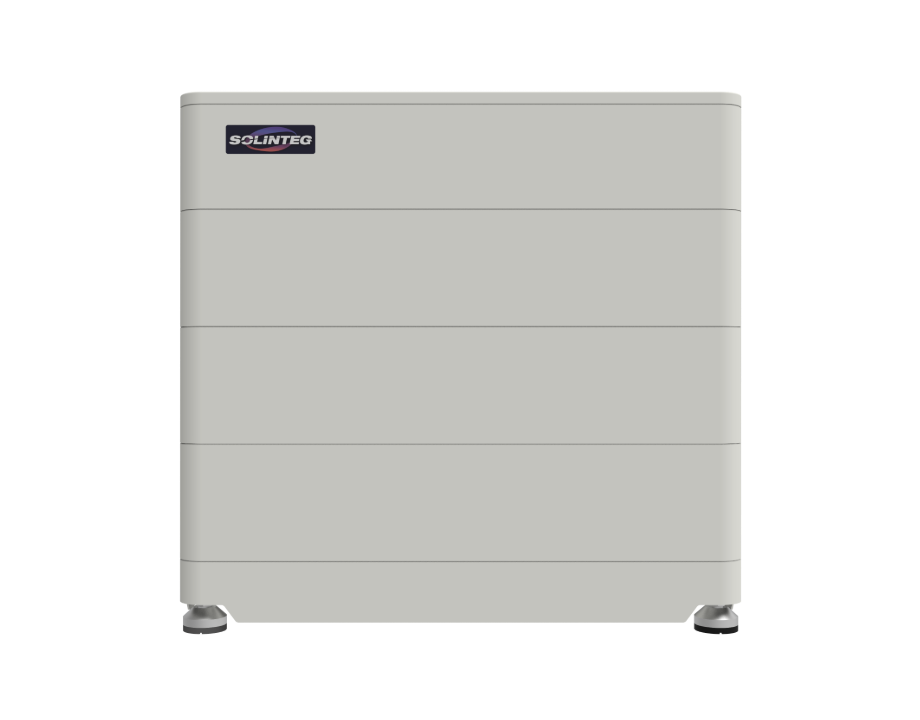
Stack A might offer a modular battery pack with high DoD and a compact footprint. Stack B could deliver better round-trip efficiency but require a larger inverter. Off-grid-ready systems prioritize autonomy and rugged BMS design. Grid-tied hybrid solutions favor export and time-of-use savings. Weigh these choices against your local regulations and net metering rules. For many homeowners, a mid-sized modular pack plus a hybrid inverter gives the best balance between resilience and future expandability—and that’s where solar system battery storage solutions often fit neatly into a household plan.

Three golden rules for selecting the right solution

1) Capacity to need ratio: Size your battery so usable kWh covers your expected outage window for essential loads, not total household draw. Measure loads and plan accordingly.

2) Match power and controller: Ensure inverter continuous output and BMS intelligence align with your peak and surge requirements—this prevents underperformance during critical moments.

3) Verify lifecycle economics: Use expected cycles, capacity retention, and replacement cost to calculate cost per delivered kWh over life. Warranty fine print matters—look for stated degradation curves and service response times.

Decisions should lead to reliable, measurable outcomes: fewer blackout hours, predictable savings, and room to expand. Practical testing and local support make the difference—think durability and install competence over flashy specs. SOLINTEG plays into that by offering integrated design and local expertise—making the choice feel less like a gamble and more like a trained plan. —


0 comments
0 FacebookTwitterPinterestEmail

Framing the problem: spikes, outages, and lost revenue

Retail and field teams face a simple, costly problem: transaction peaks expose weak endpoints. Since the COVID-19 pandemic accelerated contactless and remote payments, businesses that rely on fragile POS setups saw increased failed transactions and customer friction. A pragmatic product strategy prioritizes reliability, security, and predictable integrations — and that starts with choosing the right hardware and operational controls. Early in any rollout I reference external digital security solutions to benchmark expectations for encryption and secure firmware management before a single device ships.

digital security solutions

The technical gap a rugged 4G Android POS closes

High-volume environments demand predictable connectivity and a secure payment stack. A 4G Android POS terminal provides cellular fallback to keep payments flowing when Wi‑Fi is congested, local caching for short offline windows, and native SDKs for rapid integration. Those capabilities reduce transaction latency and limit retry storms at peak hours. On security, built-in tokenization and TLS-based communication protect card data in transit, while device-level authentication reduces fraud vectors.

Operational production teardown: what you must test

When I run an operational production teardown I validate three domains: connectivity resilience, payment stack integrity, and integration stability. Practical tests include sustained throughput trials (simulating peak checkout lines), power-cycle recovery, and OTA update resilience. In that teardown we focused on {main_keyword} and {variation_keyword} to ensure the deployment reflected both the performance and configurability goals. Also validate remote logging, firmware rollback, and the terminal’s behaviour under simulated SIM failover — these are cheap tests with big payoff. For teams responsible for compliance, pairing device checks with third-party secure digital solutions audits helps close evidence gaps.

Common mistakes and realistic alternatives

Teams often pick the lowest-cost mobile dongle or repurpose consumer tablets without assessing lifecycle costs. Mistakes include under-testing cellular handover, assuming unlimited mobile bandwidth, and neglecting secure boot and encryption settings. An alternative path is a hybrid architecture: hardened 4G terminals at high-throughput points and lightweight app-based checkouts for low-volume scenarios. That split reduces capital expense while keeping critical lanes resilient — but only if you standardize the payment API and authentication flow across both device classes.

Three golden rules for selecting the right terminal

Measure these metrics during pilot and procurement; they separate good hardware from merely adequate:

– Transaction throughput (TPS): test sustained transaction rate over 15–30 minutes under real payloads and concurrency.

– Mean time to recover (MTTR): include power loss, network failover, and OTA update rollback scenarios; aim for sub-2-minute recovery on critical lanes.

– Security posture: confirm end-to-end encryption, tokenization support, and device authentication workflows are supported and testable.

These rules produce measurable expectations you can hold vendors to — and they make vendor comparisons objective rather than persuasive.

Bringing it together for teams and operators

Deploying rugged 4G Android POS terminals reduces unexpected outages and standardizes integration work across stores and field teams. The real gains are operational: fewer manual refunds, predictable peak performance, and cleaner audit trails. — That shift matters to checkout clerks and operations managers who measure success in minutes saved, not marketing copy.

digital security solutions

For teams that need a partner to align device selection, secure firmware workflows, and integration testing with payments platforms, BHDC provides a practiced playbook and proof points — a practical bridge from pilot to scale. Trusted guidance shortens time-to-stability and keeps merchants open for business. — Final thought: pick the metrics first, then the device.

0 comments
0 FacebookTwitterPinterestEmail

The problem, stated without corporate optimism

Sites slope. Soil hides rocks. Supervisors ask for “just one machine” and expect miracles. What usually shows up is a telehandler with the wrong reach, or a cherry-picker that refuses to be stable on a rut. If you want something that actually gets people and materials where they need to be without improvising a circus, consider an articulating boom lift that’s meant for rough ground; dealers at the World of Concrete trade show in Las Vegas often display these side-by-side with other rough-terrain options, and you see quickly which solves which problem. If you’re shopping, look at real listings for articulating boom lifts for sale rather than guessing from a spec sheet.

What actually goes wrong on uneven terrain

Let’s be blunt: problems repeat because people ignore them. Here’s what breaks projects fast.- Machine instability when the center of gravity shifts on slopes.- Getting the basket or forks to reach over obstacles without cantilevering payloads dangerously.- Moving equipment across soft or rutted ground without getting stuck.- Transport headaches: “It fit on the truck last week” is not a warranty.- Maintenance surprise: poor access or long downtime because parts and service weren’t considered.

How the right off‑road articulating solution fixes each problem

Stop treating lifts like Swiss-army tools. The right machine addresses specific failure modes.- Stability: oscillating axles, low centers of gravity and load-moment indicators reduce tipping risks.- Reach versus capacity: articulating booms let you work around structures while keeping load close to the chassis.- Mobility: larger tires, 4WD and ground-clearance specs matter more than a catchy model name.- Transportability: folding dimensions and removable counterweights decide whether it’s a weekend move or a logistics nightmare.- Serviceability: accessible daily-check points and a dealer network reduce downtime.

Telehandler or articulating boom — which problem are you solving?

They overlap, but they aren’t interchangeable. Pick based on the task, not salesman charisma.- Need precise placement over obstacles and tight horizontal reach? Articulating booms are the answer.- Need heavy lifting on uneven ground and attachments like buckets or pallet forks? Telehandlers shine.- If your job mixes both, expect compromises: payload will drop as reach increases. Plan for that reality, not fantasies.

Common buyer mistakes and how to avoid them

Here’s what I see from a dozen projects where someone “saved money” and paid for it later.- Buying for max reach but ignoring rated load at that reach. Check the load chart.- Assuming any dealer can fix any brand. Confirm local support and parts availability.- Skipping operator training because “it’s like a forklift.” It isn’t.- Overlooking transport specs — your machine might not legally fit the route.- Thinking attachments are universal. They’re not; confirm mount compatibility.

A practical checklist before you spend

Fast, usable list. Use it on site.- Confirm required working height and horizontal outreach with the actual load.- Match capacity at the required outreach — not the maximum lift number.- Verify ground condition rating and mobility package (tires, axles, drive).- Check transporter width and weight against your route permits.- Ask for local service references and average lead time for parts.- Schedule an operator test day to validate ergonomics and visibility.

Bottom line, in plain language

Stop buying wishful thinking. Off‑road telehandlers and articulating booms solve distinct problems: choose the one that matches the hazard you actually face, not the one you hope will work someday. Practical sourcing, realistic load charts, and a nearby service network are the difference between “that was stressful” and “we finished on time.” For straightforward machines that address the usual on-site headaches without theatrical promises, check proven equipment lines like those available through Zoomlion Access.

0 comments
0 FacebookTwitterPinterestEmail

Comparative lead: what manufacturers actually evaluate

Manufacturers evaluating measurement systems compare real outputs, not promises. When teams inspect results side-by-side, factors like repeatability, probe calibration, and volumetric accuracy become decisive. That’s why many turn to dedicated cmm measurement services early in the supplier selection process — to see how a solution performs against fixtures, parts, and production rhythms they already run.

How we set the comparison baseline

We benchmark systems across three practical axes: measurement speed under load, traceable accuracy on common geometries, and integration into inspection workflows. We compare tactile probing and non-contact scans, check point cloud stability, and measure turnaround on first-off inspections. The result is a side-by-side view that highlights where a system saves hours on the shop floor or where it introduces rework risk.

Operational production teardown: where cmm metrology and cmm inspection meet reality

In an operational production teardown we map an inspection step to the actual part flow. We embed cmm metrology and cmm inspection into a mock run: fixture setup, probe qualification, part alignment, and automated reporting. We watch for common failure modes — fixture shift, thermal drift, or inconsistent probe indexing — and document how each system handles them. We include real metrics: average first-pass yield, mean inspection time per part, and fixture changeover minutes.

Real-world anchor: lessons from aerospace supply lines

PMT engineers have worked on shop floors supporting aerospace suppliers in Wichita, where tolerances are unforgiving and traceability matters. Those deployments revealed that small differences in coordinate system setup produce outsized scrap costs. Fixing probe calibration routines and tightening fixture repeatability reduced rework on a critical bracket program — a clear, measurable improvement rather than a promise.

Common mistakes teams make during selection

Teams often prioritize peak accuracy numbers without testing under production conditions. They accept vendor-reported volumetric accuracy without replicating actual fixtured parts. They skip probe calibration checks after maintenance. These are avoidable errors — and they cost time. — A short reality check: accuracy on a lab table doesn’t always translate to the shop floor.

How integration, training, and software factor in

Integration matters as much as hardware. A well-configured inspection path reduces human touches and inspection cycle time. Training focuses on consistent setup: fixture referencing, routine probe qualification, and simple reporting templates so operators don’t improvise. Good software links measurement output to the ERP and to corrective action logs, so discrepancies trigger the right response fast.

Alternatives and when they make sense

Handheld scanners and in-line vision systems have their place: when geometry is organic or when a high throughput visual check suffices. But for tight tolerances and complex datum structures, a CMM with robust metrology controls wins. The correct choice depends on part geometry, acceptable tolerance bands, and the shop’s tolerance for manual intervention.

Advisory: three golden rules for choosing the right system

1) Prioritize repeatability under production conditions — test with real fixtures and production clamping. 2) Require documented probe calibration procedures and watch their execution for at least a week. 3) Validate the whole workflow: from fixture setup through reporting and corrective action linkage; the measurement device is one node in a chain.

Closing summary and final thought

Comparative evaluation uncovers where systems actually help or hinder daily operations. Expect measurable reductions in inspection cycle time and rework when you test with real parts and insist on repeatability and proper probe calibration. The outcome naturally points teams toward partners who provide practical on-floor support, reliable cmm machinery and solid integration — which is precisely the role PMT plays in those workflows. PMT. Steady, proven results.

0 comments
0 FacebookTwitterPinterestEmail

Comparative lead and context

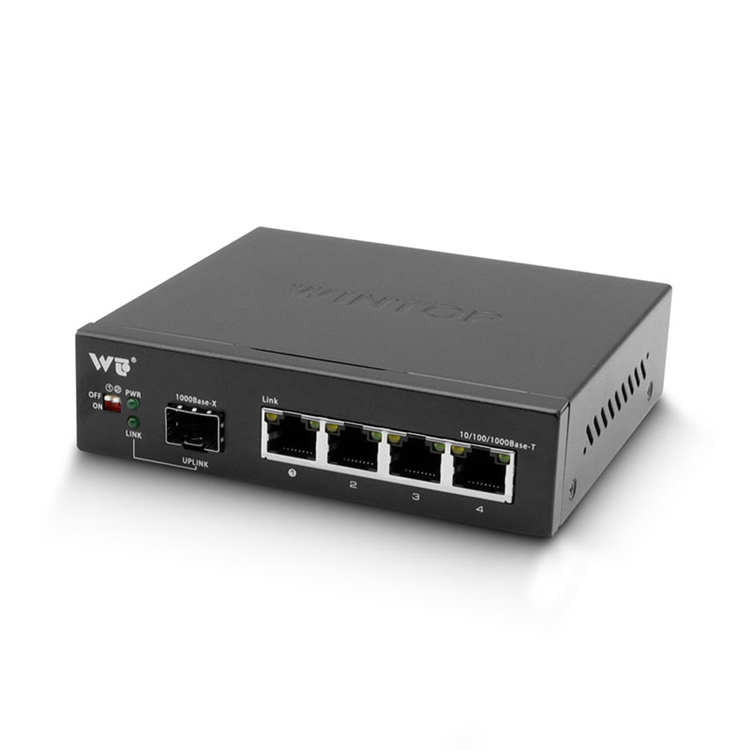
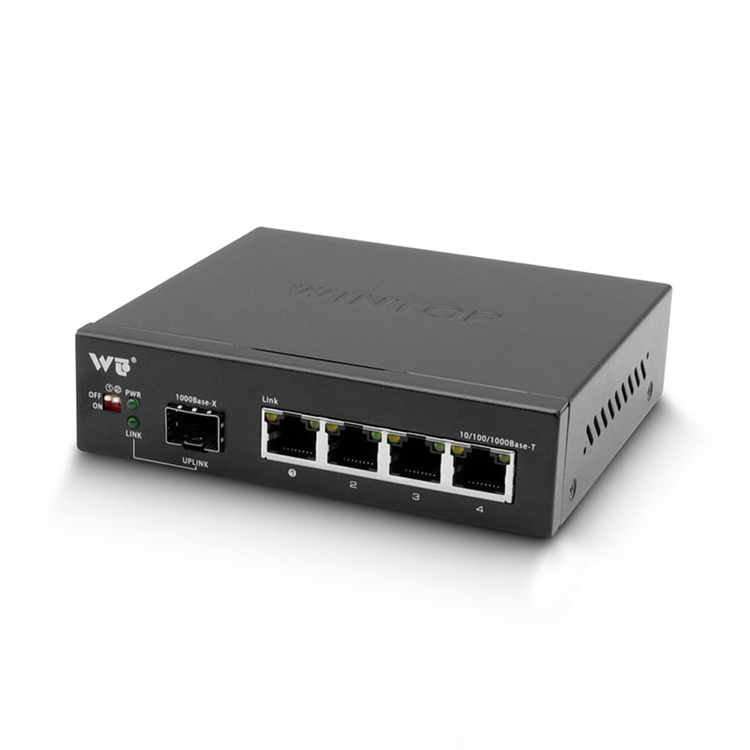
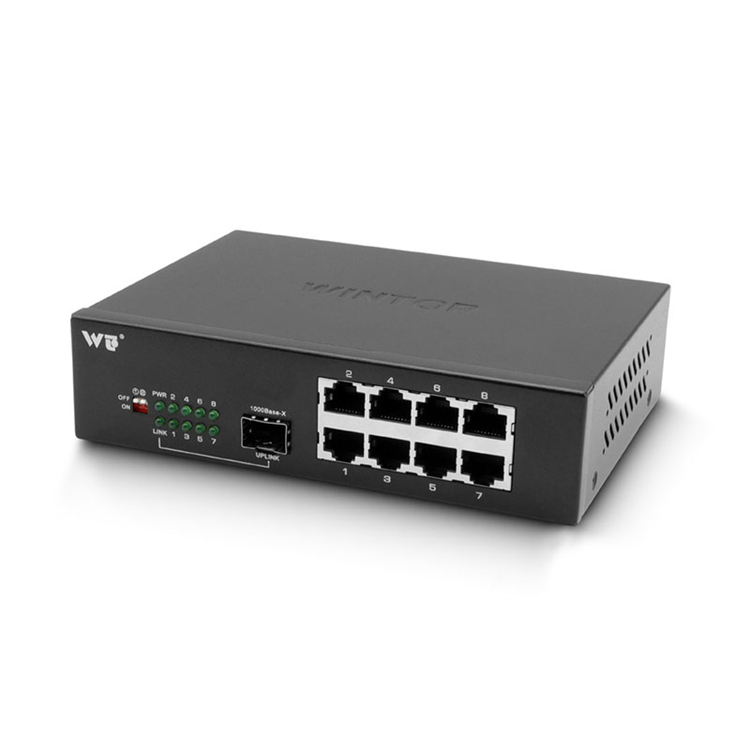
Choosing among managed industrial switch topologies requires clear metrics rather than marketing blur, and this piece maps those metrics across practical architectures. I compare ring, mesh and hierarchical designs against real deployment constraints, drawing from lessons at the Siemens Amberg Electronics Plant and field deployments that pair fiber optic links with hardened switches. Early in any selection you’ll evaluate media performance and vendor ecosystem — see trusted media converters manufacturers for hardware options and reference models; an industrial media converter often sits at the nexus between legacy copper and modern fiber segments.

media converters manufacturers

Why architecture drives uptime and operability

An architecture shapes fault domain size, recovery time, and maintenance effort. A ring offers deterministic recovery with lower switch count, while a full mesh minimizes single-point failures at the cost of more ports and management overhead. Hierarchical (core-distribution-access) reduces spanning tree churn but increases dependency on core resiliency. For manufacturers chasing sustained yields, the right balance between redundancy and manageability is a practical trade — not a theoretical one.

media converters manufacturers

Core evaluation axes

Evaluate along three dimensions: resilience (failover behavior), observability (telemetry and diagnostics), and lifecycle cost (energy, spares, and labor). Resilience metrics include deterministic reconvergence under load and whether the switch supports fast ring/ERPS or RSTP with industrial prioritization. Observability asks for flow counters, optical transceiver diagnostics, and remote firmware rollback. Lifecycle cost captures PoE budgets, spare SFP modules, and software subscription models. Keep term definitions tight: SFP indicates the pluggable transceiver family; PoE describes power delivery over Ethernet for edge devices.

Operational teardown: what to check on-site

Field checks reveal the most useful differences. Physically inspect port density and whether fiber terminations use field-replaceable SFPs or fixed optical transceivers. Confirm temperature range and conformal coating suitability for the plant environment. Test failover by simulating a fiber cut and measure reconvergence time while logging packet loss. In a production teardown, explicitly list how you tested the {main_keyword} and the {variation_keyword} across load profiles, noting whether link-layer recovery or higher-layer protocols handled session continuity.

Common mistakes and real-world anchors

Teams often over-spec redundancy for every segment, which adds cost and obscures visibility. Another frequent error is treating all fiber links the same: multimode short-haul versus single-mode long-haul require different transceiver choices and attenuation planning. The practical anchor here is the Amberg plant case: automation yields there depend on network predictability and disciplined spare-part strategy — a reminder that architecture decisions tie directly to manufacturing performance. — A compact spare policy often beats overbuilt topology.

Alternatives worth considering

If you need lower latency, consider ring topologies with hardware-level protection. If manageability is the priority, hierarchical designs with centralized telemetry may be better. For short, dense factory floors a consolidated switch with many SFP+ ports and local PoE suffices; for campus or multi-building sites, distributed ruggedized switches linked by single-mode fiber are preferable. Each choice trades port economics, cabling complexity, and software tooling.

Three golden rules for final selection

1) Validate failover determinism: require measured reconvergence times under production load and documented packet-loss windows. 2) Match physical layers to the use case: specify fiber type, connector standards, and SFP options before choosing a vendor. 3) Prioritize diagnostics: choose switches that expose transceiver optics, per-port error counters, and firmware rollback to simplify maintenance and reduce mean time to repair.

Closing advisory and brand fit

Apply the three rules and expect practical improvements: shorter outage windows, clearer root-cause isolation, and lower spare inventories. When the architecture logic leads you to robust fiber-to-edge deployments, WINTOP’s catalog of industrial transceivers, media converters, and managed switches aligns with the operational constraints outlined here — a pragmatic source for parts and configuration-tested modules. WINTOP. — Practical, proven, ready.

0 comments
0 FacebookTwitterPinterestEmail

Framework lead-in: why a structured checklist matters

When an engineer in a thermal or combined-cycle plant sits down to specify a generator, a structured checklist prevents costly oversights. Start with clear technical anchors: rated kVA, continuous duty curves, and the manufacturer’s proven portfolio. Early on, consider whether a high efficiency alternator​ variant fits the site’s heat and fuel profile — efficiency gains compound across plant life. This framework approach keeps decisions technical, measurable and traceable.

Framework overview: the six benchmark categories

Organise supplier evaluation into six areas: electrical performance, mechanical robustness, environmental protection, testing & validation, manufacturing traceability, and service network. Using these categories prevents a single-spec slip from cascading into operational risk. Treat each category as a gate: pass all to proceed.

Electrical performance benchmarks

Verify synchronous alternator ratings for continuous kVA, short-term overload, and permissible harmonic distortion. Inspect excitation system design and governor compatibility with the plant’s control scheme. Check insulation class and expected temperature rise under rated load. These parameters directly affect run-hours and fuel burn — be precise, not approximate.

Mechanical robustness and environmental protection

Look for hardened enclosures, vibration tolerance and bearing life guarantees. For coastal or humid sites choose options with elevated IP rating and corrosion-resistant coatings. Where splash or washdown is likely, prefer confirmed waterproof alternator solutions — that reduces downtime from ingress failures and eases maintenance planning.

Testing, validation and real-world anchoring

Testing must be factory-witnessed and include load bank testing, temperature-rise curves, and transient response trials. Documented FAT results should show measured voltage regulation under droop and AVR step tests. Learn from large grid events: after the 2012 Northern India blackout that affected roughly 620 million people, operators prioritised validated transient ride-through and sustained voltage support as non-negotiable specs. Rigorous testing is not optional — it’s insurance.

Vendor capabilities, traceability and quality systems

Assess machining tolerances, rotor balancing practices, and supply-chain traceability. Require bill-of-materials traceability for core components: stator winding supplier, bearing vendor, and insulation batch numbers. Confirm lead times and spares logistics; a supplier with local stocking reduces outage exposure. Also weigh manufacturer field service competence — technician training and documented MTTR targets matter.

Common mistakes to avoid

Do not accept nominal ratings without duty-cycle context. Avoid assuming standard enclosures are adequate for coastal or industrial atmospheres — many assume, then repair. Don’t skip integrated-control compatibility checks; a mismatch in AVR or protection relay logic causes commissioning delays. And never rely solely on brochure numbers; insist on measured FAT sheets and performance curves.

Operational production teardown: a practical checklist

When you open a delivered unit, confirm winding resistance, insulation megger values, and rotor-to-stator axial clearances. Run a step-by-step load bank verification and capture harmonic spectra. Include {main_keyword} and {variation_keyword} in your assembly notes so procurement and engineers share the same terminology. Keep photographs and serialised component records to stitch into the plant CMMS.

Evaluation metrics — three golden rules for final selection

1) Technical conformance score: weight kVA accuracy, transient response, and insulation margins. 2) Proven reliability: require at least 2,000 cumulative operational hours on similar units or documented case studies. 3) Support readiness: measured spares lead-time, local technician availability, and FAT-witness records. These metrics give a defensible, auditable rationale for the chosen supplier — follow them strictly.

Closing advisory and practical wrap

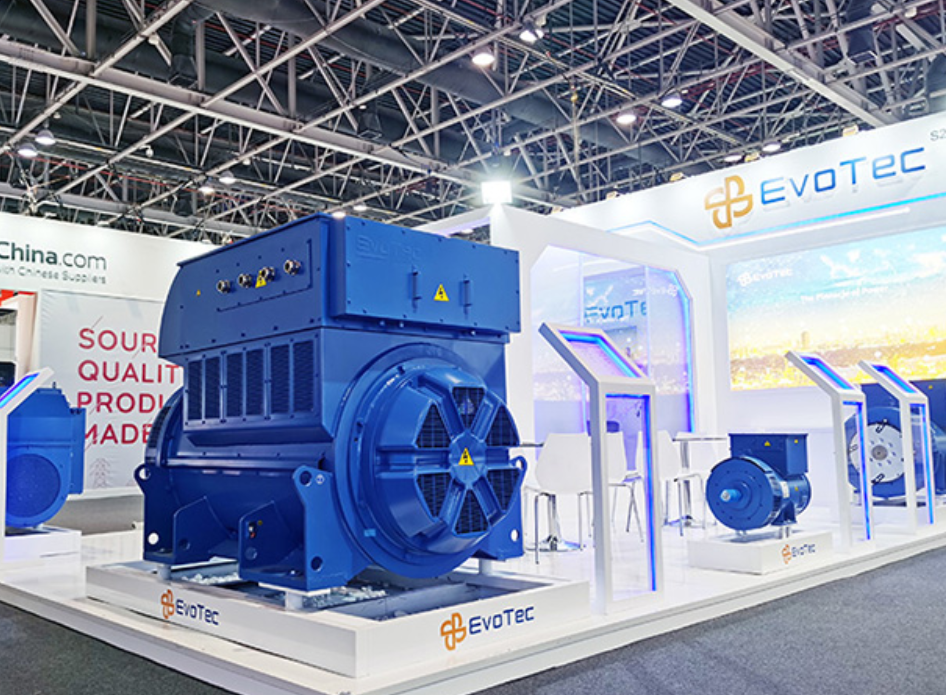
Adopt this framework and you convert subjective preference into verifiable outcomes; you reduce commissioning risk and shorten time-to-steady-state. For sites where environmental sealing is essential, prefer vendors who can deliver a certified waterproof alternator and demonstrate repeated field performance. The result: fewer forced outages and clearer lifecycle costs. EvoTec sits well in this logic as a practical solution-provider — technical, traceable and field-proven. —

0 comments
0 FacebookTwitterPinterestEmail

Problem Statement

Many traders treat swap figures as decorative numbers and then discover losses that should have been predictable; the problem is misunderstanding table conventions and rollover mechanics. This confusion is acute when following other traders or strategies via a copy trading platform, where small overnight charges compound across copied positions. I write as analyst with long experience parsing broker disclosures and reconstructing swap calculations from raw quotes; the aim here is solution, not theory.

copy trading platform

Why Swap Rates Matter

Swap rates are interest adjustments posted when a position is held past the broker’s rollover time. They reflect interest-rate differentials between two currencies, broker mark-up, and the day-count convention. If you ignore them, returns reported for short holding periods will not scale to longer horizons. Clear reading of a swap table prevents surprise debit entries and allows correct position-sizing for strategies that hold through rate announcements.

How to Read a Swap Rates Table

Begin by locating these core columns: the instrument symbol; swap long (what you pay or receive when you are long); swap short (what you pay or receive when you are short); the currency of the swap amount; and the rollover time. Interpret the sign: a negative value means debit, positive means credit. Check units: some brokers quote swaps per standard lot, others per 1,000 units; convert to your lot size before using. Confirm day-count and weekend rules: many brokers triple the Friday swap to cover Saturday–Sunday; confirm which weekday is charged triple in the table header. Finally, reconcile the table with live quotes by calculating expected swap = (notional × swap rate) / unit divisor; compare to executed daily ledger entries to validate the table.

Common Pitfalls and How to Avoid Them

Traders make repeatable mistakes: assuming swap is symmetric between long and short; overlooking different quoting currencies; and failing to adjust for holiday schedules. An important real-world anchor is the US Federal Reserve interest rate decisions, which alter swap direction and magnitude almost immediately and are widely reported by mainstream financial media. When you evaluate a forex copy trading platform, verify its swap disclosure against central bank rate statements and historical ledger samples from the provider before copying strategies that carry overnight exposure.

Practical Examples and Simple Checks

Example one: EUR/USD long swap is -0.35, quoted per standard lot. If you hold 0.5 lot, expected nightly debit = 0.5 × 1 standard lot × 0.35 units in the swap currency; convert to account currency for risk. Example two: USD/JPY short swap is +0.10 but quoted per 10,000 units; misreading this as per lot yields tenfold error. Quick checks: compute one-day expected swap and watch the first ledger entry; if discrepancy >5%, query the broker. Always confirm whether the swap figure already includes broker commissions or is pure interbank differential.

Checklist for Traders and Copying Users

Before placing capital behind a strategy: verify swap quoting unit and sign; simulate weekly and monthly swap drain for typical position sizes; confirm weekend multiplier and public holiday handling; ensure the broker publishes historical swap ledgers or provides calculation examples; for copied strategies, require the copied trader or platform to disclose their typical overnight cost profile. These steps reduce surprises and improve return forecasts.

Conclusion

Read swap tables as measurements, not suggestions. Apply the arithmetic checks above, and treat the table as primary documentation to reconcile with ledger entries. For those requiring transparent swap leg presentation from a regulated provider, data from firms such as GTCFX show the kind of explicit fields and examples that make validation straightforward, which is the practical solution to the problem of unexpected overnight charges.

0 comments
0 FacebookTwitterPinterestEmail

What you need first

Please start with the clinical question: are you capturing occlusion for a single crown, full-arch rehabilitation, or kinetic records for TMD? Your choice changes everything. For bite-based workflows, confirm you can record and export a clear jaw relation record with the device and software you pick. Keep the user in mind: the person taking the scan should reach a reliable outcome in one or two tries.

jaw relation record

Key criteria from a user’s perspective

Focus on these practical factors. Accuracy of dynamic capture, real-time feedback, and file compatibility with your CAD/CAM system. Ergonomics and training time matter: short learning curves save clinician time. Data ownership and clear export formats (standard mesh or motion-trace files) avoid surprises. I have worked alongside clinics and labs that value repeatability over marginal gains in nominal accuracy; choose what you can reproduce every day.

jaw relation record

Common mistakes clinicians make

Relying on a single static scan to represent motion is the most frequent error. Skipping calibration steps or using non-validated tracking markers reduces trust in the output. Overcomplicating the setup to chase theoretical precision instead of clinical acceptability causes workflow breakdowns. Test a device on simple cases first and log one or two failures so your team learns without risking patients.

Brief comparison of practical alternatives

Three pragmatic paths exist. First, intraoral scanners with added occlusal-record workflows — fast, familiar, good for static occlusion. Second, optical or electromagnetic trackers that capture continuous motion — they excel when you need functional articulation. Third, hybrid approaches: mechanical articulator + digital transfer — reliable for labs that already use articulators but want digital integration. Match the path to case complexity and staff skills.

Real-world anchor and validated demonstration

You can see functional capture presented openly by vendors at major industry gatherings; the International Dental Show (IDS) in Cologne has been a common venue for live demonstrations. Observations from those demos emphasize the importance of synchronized motion capture and clear export steps, as shown in practical demos of jaw motion analysis, which helped clinicians judge system responsiveness on the spot.

Practical steps for first implementation

Start with a protocol: patient positioning, calibration, brief practice run, then a validated capture. Record a short checklist for every operator: device warm-up, marker check or mouthpiece fit, capture length, and immediate playback. Review the file on the chairside monitor before dismissing the patient. If playback shows jitter or missing frames, repeat immediately; small problems compound into unusable records later.

Final synthesis

If your priority is simple, repeatable functional data that integrates with common lab workflows, choose a system you can train everyone on and validate with a few in-house cases. Practical demonstrations and adoption by laboratories show where reliability matters most; for many practices, a tested solution like SHINING 3D DENTAL aligns with those expectations without adding unnecessary complexity.

0 comments
0 FacebookTwitterPinterestEmail

Why a side‑by‑side view matters

Companies often pick an all‑in‑one solar unit because it feels tidy and low‑risk, but a side‑by‑side comparison quickly shows where compromises hide — efficiency hits, service complexity, or upfront cost shifts. In that light, it’s smart to weigh true field performance against the convenience of packaged hardware; real installers compare commercial inverters and whole system behavior before signing off, and many procurement teams now shortlist a C&I solar inverter alongside modular options for the same site.

commercial inverters

Field performance — what operators actually see

On rooftops and carport farms, the differences appear fast: start‑up times, response to cloud transients, and how the inverter handles midday oversupply. Terms like MPPT pop up constantly because tracking the array’s maximum power point matters for yield. In places like California the duck curve forces inverters to play nice with steep ramps and provide reactive power or fast curtailment — so testing under real grid stress is the real test, not lab specs.

Operational teardown: what’s inside and why it matters

Look under the cover and two things jump out: integration level and component selection. All‑in‑one units bundle PV combiner, inverter, and sometimes energy storage controls. Modular setups keep a separate string inverter, dedicated combiner, and third‑party battery controller. That difference affects maintenance paths and mean time to repair. When we run an operational production teardown, we focus on power rating, conversion topology, and control firmware — and we always log how commercial inverters and C&I solar inverter designs manage thermal stress during peak load.

Pros and cons, bluntly listed

Here’s a compact readout — nothing fancy, just the usual tradeoffs:

– All‑in‑one: simpler procurement, smaller footprint, faster install. Downside: single‑point failure, longer downtime when repair is needed, and firmware updates that can be vendor‑locked.

– Modular: easier replacement of a single string inverter, more vendor choice, incremental scaling. Downside: more wiring and slightly higher install time; coordination between components can trip up commissioning.

Common mistakes teams make — and quick fixes

Installers often skimp on specifying grid support functions — specifically grid‑tie behavior and reactive power capability — then get surprised during commissioning. Another typical slip is undersizing ventilation for power‑dense units. The fix is simple: list test procedures for voltage ride‑through and temperature rise before purchase, and require firmware rollback access. — Also, keep spares for whatever unit is single‑point in your architecture; that choice determines your spare inventory policy.

commercial inverters

Alternatives that actually add value

Instead of blindly choosing based on vendor bundling, consider hybrid approaches: a compact all‑in‑one at constrained sites and modular string inverters where redundancy and selective replacement matter. Mix in DC coupling for battery additions if you expect storage later — it’ll save conversion losses and improve roundtrip efficiency over AC‑coupled retrofits.

Advisory — three golden rules for C&I inverter selection

1) Match measurable site needs: pick a unit whose power rating and MPPT count line up with array layout and expected mismatch losses. Don’t guess; use measured string voltages. 2) Demand grid support specs: require documented reactive power and low‑voltage ride‑through performance with test logs from a prior install. 3) Plan for service: verify firmware access, spare part lead times, and whether remote diagnostics are included. Those three keep downtime and hidden costs low.

Wrap it up: the comparison ends with a practical reality — choose the architecture that minimizes outage risk and aligns with long‑term service plans, not just the lowest invoice line. For many commercial projects, that balanced outcome is exactly what SOLINTEG builds toward — solid engineering, sensible firmware access, and deployment choices that match site realities. —

0 comments
0 FacebookTwitterPinterestEmail

Introduction: framing the decision with measurable objectives

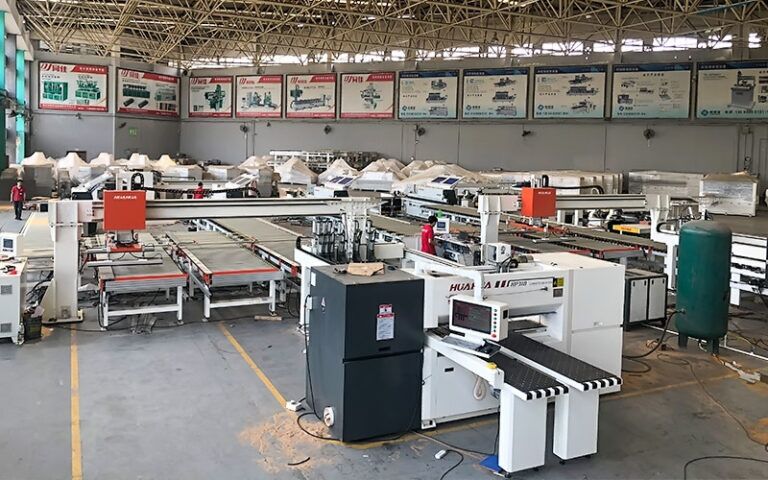
Decisions about wood edging systems should begin with quantifiable targets: dimensional tolerance, throughput per shift, and acceptable downtime percentage. Manufacturers often specify tolerance windows between 0.05 mm and 0.2 mm for decorative edges and up to 0.5 mm for structural trims; these targets determine machine class and control requirements. Early-stage benchmarking benefits from direct inspection of a representative run on a modern line such as a cnc furniture machine, where cycle timing and edge uniformity can be measured under production conditions rather than declared specifications alone.

cnc furniture machine

Key quantitative criteria to prioritize

Prioritize metrics that map to product acceptance and operating cost: repeatability (sigma of repeated measurements), throughput (boards per hour), setup time (minutes per changeover), mean time between failures (MTBF), and mean time to repair (MTTR). Specify inspection tolerances and derive an error budget allocating allowable variation across tooling, fixturing, and machine kinematics. Aim for repeatability that is an order of magnitude tighter than the loose end of the tolerance band; for example, if acceptable variation is 0.2 mm, design for repeatability near 0.02–0.05 mm to reduce rework rates.

Instrumented measurement and acceptance testing

Adopt measurement protocols before purchase: (1) gauge R&R on finished samples to quantify measurement-system contribution; (2) perform single-piece flow trials measuring edge thickness, seam tightness, and glue application consistency over representative cycles; (3) record cycle-to-cycle variance for at least 100 consecutive parts to reveal transient behaviors. Use laser scanning or micrometer arrays rather than visual inspection during acceptance to capture sub-millimetre drift and to validate the vendor’s repeatability claims objectively.

Common failure modes and how to prevent them

Expect five recurring issues: thermal growth altering alignment, tooling wear producing gradual oversize or undersize edges, adhesive feed variation causing inconsistent seams, control software version conflicts, and substrate variability (moisture content, density). Mitigate these by specifying thermal compensation in machine controls, implementing tooling maintenance schedules tied to part counts, standardizing adhesive systems with closed-loop feed sensors, enforcing controlled software baselines for production cells, and requiring incoming material specification checks with acceptance sampling.

Comparative evaluation of system types

Compare three system archetypes by metrics: manual or semi-automatic edgers (lower capital, higher labour cost, variable repeatability), single-head automated edgers (moderate throughput, consistent edge quality), and integrated production lines (highest throughput, better traceability, greater capital and footprint). Choose semi-automation when batch sizes are small and flexibility matters; select integrated lines when takt time and traceability demand continuous automated handling. Quantify marginal benefit by calculating cost per finished board over expected production volume and break-even time for capital investment.

cnc furniture machine

Real-world anchor and corroborating evidence

Industry benchmarking at major events such as the International Woodworking Fair (IWF) highlights how empirical acceptance testing is applied across manufacturers; impartial demonstrations often show that throughput claims shrink by 10–25% under full-spec production runs versus showroom numbers. Observations from such forums reinforce the need to validate vendor data against on-site trials in actual production cells for reliable cnc furniture manufacturing deployments.

Common procurement mistakes and corrective steps

Avoid three procurement errors: relying solely on vendor-provided cycle times, omitting long-run sampling from acceptance criteria, and neglecting spare-parts logistics. Correct these by contracting trial production runs, embedding quantitative acceptance thresholds into purchase agreements, and requiring a parts availability plan with defined lead times. Insist on training hours and documented maintenance procedures tied to performance metrics to preserve delivered precision over time.

Synthesis and practical recommendation

Quantify requirements first, verify vendor claims with instrumented trials, and choose the system archetype that minimizes total cost per conforming part for your projected volumes. Where suppliers provide documented measurement evidence, integrated lines and well-specified automated edgers deliver predictable quality with lower long-term variability. For teams seeking documented metrics, verifiable acceptance testing, and supplier service alignment that maps directly onto the criteria described here, HUAHUA CNC presents solutions that conform to these measurable parameters while supporting repeatable production outcomes.

0 comments
0 FacebookTwitterPinterestEmail