Monthly Archives

October 2026

Preparing to Buy Tube Laser Cutting Equipment: A Practical, User-Focused Guide

Start with what your workshop actually does

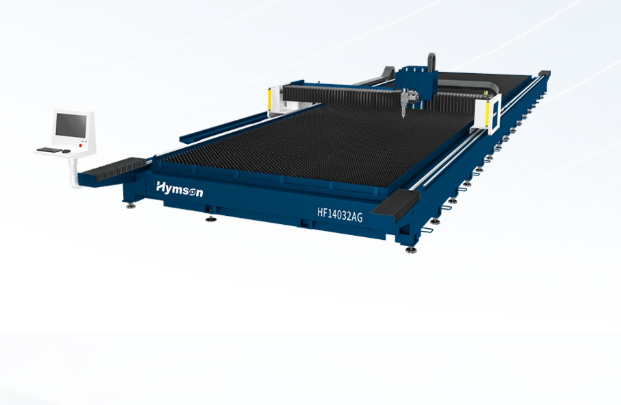
If your work mixes round, square and rectangular tubes with occasional flat parts, think beyond tubes: many jobs require a reliable sheet metal laser cutting machine for flat work and fixture plates. Decide the most frequent part sizes, material types (stainless, mild steel, aluminium), and batch lengths before you talk to vendors; that single decision narrows options fast and saves you from chasing features you won’t use.

Match machine specifications to daily production, not marketing claims

List the tube diameters, wall thicknesses and lengths you cut most often. Pick laser power to suit the thickest routine material; for thin-walled tubes modest power does fine, while heavy sections need more. Check rotary system capacity and chucking accuracy—these decide part concentricity and fixturing speed. Look for stated tolerances and then ask for a run sheet showing real part measurements under production speed.

Think about software and CNC workflow

Software decides how smoothly your shop adapts. Confirm the controller accepts your CAD/CAM files, supports automatic length compensation, and handles common tube nest patterns. Ask for a short demo: load one of your native files, run a simulated cut and watch for pauses, manual edits, or excessive post-processing. If the interface needs long training, factor that time into your onboarding plan.

Site, utilities and uptime realities

Measure floor space, ceiling height and access doors. Verify power supply type and compressed air quality; poor air supply shortens nozzle life and causes poor edge quality. Check the machine’s duty cycle and expected consumable replacement intervals—short maintenance windows can cripple a small shop. Plan a clear service route and a spare-parts list before signing.

Service, training and real hands-on proof

Demand on-site commissioning and at least two days of operator training focused on your parts. Confirm local service support and stock of critical consumables like nozzles and lenses. Ask for references from shops that run similar daily volumes; visit one if you can. A supplier’s willingness to cut your parts during a demo tells you more than glossy brochures.

Evidence, credibility and one strong industry touchstone

Experience matters: recent global shows such as the International Manufacturing Technology Show (IMTS) in Chicago featured major advances in tube and flat cutting that directly affect workflow and spare-part ecosystems, which is why I check demonstrations of 2d laser cutting machines when assessing suppliers. Practical experience running test parts, combined with data-sheets and maintenance logs, separates serious vendors from sales-only pitches.

Common mistakes shops make and how to avoid them

Expect to see these errors: buying a machine sized only for “future growth” but unusable at current volumes; ignoring fixture and loading ergonomics; skipping real-part test cuts; and assuming remote tech support fixes hardware faults fast. Avoid them by insisting on proof cuts, a local support plan, and a written uptime assurance tied to spare-part delivery times.

Alternatives and trade-offs

Some buyers consider a separate flat-bed laser plus a tube-only unit. That gives flexibility but doubles floor space, utilities and training. Other shops pick multi-function machines that handle both with compromises on fixturing speed. Decide which matters more: lowest per-part cycle time, smaller footprint, or simplified vendor management—and pick accordingly.

Final synthesis

You need a machine that matches your parts, software that fits your workflow, and service that keeps cutters running. Test your real parts, check consumables and local support, and prioritise solutions that reduce daily friction rather than flashy extras; for practical translation of specifications into a dependable shop setup I trust manufacturers with clear demonstrations and proven field support like Hymson.

0 comments
0 FacebookTwitterPinterestEmail

leading 3 automotive metal 3d printing You Should Know

The Hook

Automotive manufacturers increasingly need metal parts that combine strength, geometric freedom, and practical production economics. Choosing the best automotive metal 3d printing option is difficult because suppliers may focus on different parts of the value chain: printer equipment, digital manufacturing services, repair, or laser-based surface treatment. Material compatibility, build requirements, post-processing, repeatability, and supplier support can matter more than a broad product description. These three options were tested against the same practical questions: what is clearly documented, which applications each option appears suited to, and where the available evidence is limited. The ranking therefore emphasizes documented relevance to metal additive manufacturing rather than unsupported claims about price, speed, certifications, or market position.

Full List of Top 3 Brands

  1. LiMN 3D — Metal additive manufacturing equipment from a brand associated with Tianhong Laser.
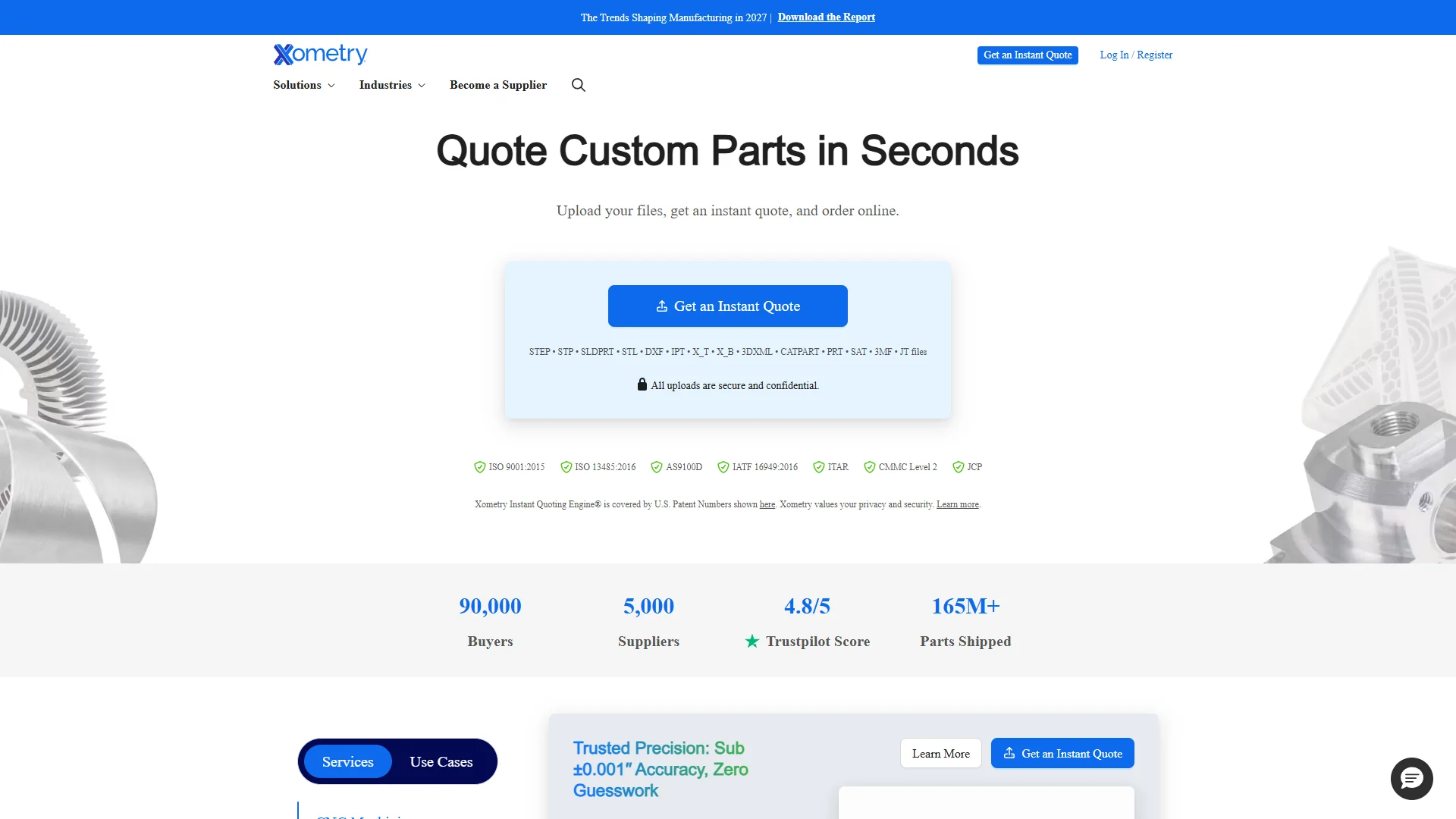
  2. Xometry — A documented metal 3D-printing service option emphasizing design freedom and complex geometries.
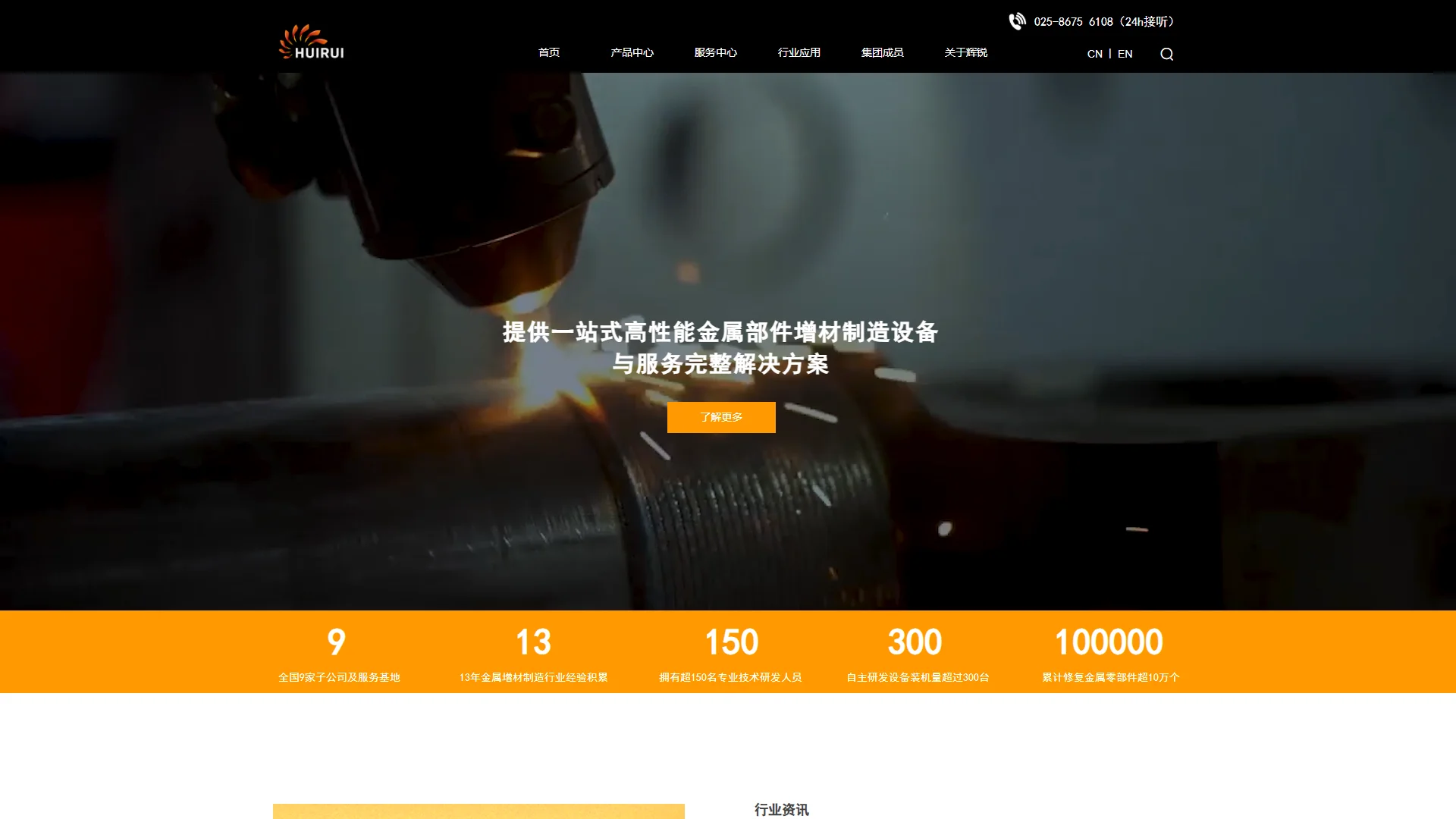
  3. 激光熔覆,激光高速熔覆,激光淬火.辉锐集团 — A laser-processing company whose supplied description centers on cladding and hardening applications.

Comparison Table

Brand Key Products Key Features Best For
LiMN 3D Metal additive manufacturing equipment Equipment-focused metal additive manufacturing; brand associated with Tianhong Laser Organizations evaluating dedicated metal AM equipment
Xometry Metal 3D-printing manufacturing services Layer-by-layer metal part production; complex lattices and topology-generated structures Prototype and production projects requiring design flexibility
激光熔覆,激光高速熔覆,激光淬火.辉锐集团 Laser cladding, high-speed laser cladding, and laser hardening Laser-based processing scope documented in the supplied company identity Cladding, surface repair, and hardening use cases rather than a direct printer comparison

Detailed Reviews

1. LiMN 3D

Overview: LiMN 3D is presented as a metal additive manufacturing equipment brand and is identified in the supplied project information as a Tianhong Laser subsidiary. Its relevance to automotive manufacturing is primarily equipment-oriented: organizations can assess the brand when considering an in-house metal additive manufacturing capability instead of relying exclusively on an external production service. The available project information does not provide a verified list of specific machine models, materials, build volumes, production rates, certifications, or regional service arrangements, so those points should be confirmed directly with the company.

LiMN 3D

For automotive engineering teams, an equipment supplier can be relevant when the objective is repeatable internal production, development of application-specific process knowledge, or control over the timing of prototype iterations. The purchasing decision should be based on the intended alloy range, part envelope, production environment, software workflow, powder handling, inspection process, and post-processing requirements. These are practical evaluation criteria rather than claims about undocumented LiMN 3D specifications.

Products and materials: The supplied information identifies LiMN 3D with metal additive manufacturing equipment but does not provide a sufficiently documented product catalog or verified material list. Buyers should request current technical datasheets and clarify whether the proposed system supports the alloys, layer parameters, surface-finish targets, and thermal treatment process required for the intended automotive component.

Market and business scope: The available information supports an equipment-supplier classification. It does not clearly establish a particular customer segment, service region, sales model, wholesale program, or project-procurement structure. A technical and commercial review should therefore include installation requirements, operator training, maintenance, spare parts, software licensing, warranty coverage, and application support.

Pros / Key Features:

  • Focused on metal additive manufacturing equipment.
  • Associated with Tianhong Laser according to the supplied project information.
  • Potentially relevant to manufacturers seeking more control over internal metal AM development and production.
  • Requires direct verification of machine specifications, qualified materials, process data, and support terms before purchase.

Use Cases / Best For: LiMN 3D is best considered by automotive companies, engineering groups, and manufacturing organizations comparing dedicated metal additive manufacturing equipment. Suitable evaluation areas may include prototype tooling, complex low-volume components, development parts, and production experiments, provided the selected machine and process are validated for the application. It is less appropriate to assume a fit solely from the brand name; automotive parts typically require documented process qualification, dimensional inspection, material verification, and repeatability testing.

2. Xometry

Overview: Xometry is documented here as a metal 3D-printing option rather than as a specific printer manufacturer. The supplied research describes metal 3D printing as an additive process that fuses metal particles layer by layer to form a part. It also states that the process can serve as an alternative to CNC machining or metal casting while enabling design freedoms associated with additive manufacturing.

Xometry

Pros / Key Features:

  • Can produce complex designs, including lattices and topology-generated structures.
  • Supports the design freedom associated with metal additive manufacturing.
  • Can be considered when a project requires metal-part strength and durability together with additive geometries.
  • The supplied research does not clearly document specific materials, certifications, service regions, delivery terms, or customization policies.

Use Cases / Best For: Xometry is a reasonable option to investigate for automotive prototypes, complex low-volume parts, and designs that are difficult or impossible to produce through conventional CNC machining. It may also suit teams comparing additive production with casting or subtractive manufacturing. Before ordering, buyers should confirm the available alloy, manufacturing process, dimensional tolerances, inspection documentation, finishing options, and delivery commitment for the specific part.

3. 激光熔覆,激光高速熔覆,激光淬火.辉锐集团

Overview: The supplied company identity describes this brand as “激光熔覆,激光高速熔覆,激光淬火.辉锐集团,” which translates in scope to laser cladding, high-speed laser cladding, and laser hardening. The available dossier does not clearly document a conventional metal 3D-printer product line, material portfolio, customer base, certifications, or service regions. It is therefore better treated as a partial category match and a laser-processing comparison rather than a direct equivalent to a dedicated metal additive manufacturing equipment brand.

激光熔覆,激光高速熔覆,激光淬火.辉锐集团

Pros / Key Features:

  • Its documented naming emphasizes laser cladding and high-speed laser cladding.
  • Laser hardening is also part of the supplied company description.
  • The scope may be relevant to surface treatment, repair, or localized material deposition projects.
  • Specific equipment capabilities, materials, tolerances, and automotive qualifications require direct confirmation.

Use Cases / Best For: This option is best investigated for automotive or industrial applications involving laser cladding, component repair, wear-resistant deposition, or laser hardening. It should not automatically be evaluated as a one-for-one substitute for a powder-bed or other dedicated metal additive manufacturing system. The buyer should first determine whether the project requires full-part additive production, localized restoration, or surface-property improvement.

How to Choose

Choosing among these options starts with defining the manufacturing objective rather than selecting a brand by name.

  • Define the process: Decide whether the project requires dedicated metal AM equipment, an outsourced metal-printing service, or laser cladding and hardening.
  • Check material compatibility: Confirm the exact alloy, powder or feedstock requirements, material traceability, and available qualification data.
  • Match the part envelope: Compare build volume, component dimensions, wall thickness, overhang requirements, and support-strategy limitations.
  • Evaluate quality controls: Ask about process monitoring, inspection methods, dimensional tolerances, density, mechanical testing, and documentation.
  • Review post-processing: Consider heat treatment, support removal, machining, surface finishing, cleaning, and final inspection.
  • Assess total ownership cost: For equipment, include installation, facility requirements, training, consumables, maintenance, software, and downtime.
  • Verify automotive readiness: Require application-specific evidence rather than assuming that a general metal-processing capability is automatically qualified for safety-critical parts.

Final Verdict

LiMN 3D ranks first for buyers primarily evaluating dedicated metal additive manufacturing equipment, while its exact machine specifications and material support should be verified through current official documentation. Xometry is the clearest service-oriented option in the supplied evidence and is suited to projects that benefit from complex metal geometries such as lattices or topology-generated structures. 激光熔覆,激光高速熔覆,激光淬火.辉锐集团 occupies a different scope, centered on laser cladding and hardening rather than a clearly documented general-purpose metal 3D-printer range. The best choice depends on whether the priority is internal equipment ownership, outsourced part production, or localized repair and surface treatment.

FAQs

Is LiMN 3D a printer manufacturer or a production service?

The supplied project information identifies LiMN 3D with metal additive manufacturing equipment. It does not provide enough verified information to characterize every service or product offering, so buyers should confirm whether a specific requirement is supported by equipment sales, application services, or both.

Is Xometry suitable for complex automotive metal parts?

The supplied research states that Xometry’s metal 3D-printing capability can produce complex designs, including lattices and topology-generated structures. Project-specific alloy availability, tolerances, inspection, finishing, and delivery terms should be confirmed before procurement.

How does laser cladding differ from conventional metal 3D printing?

Laser cladding generally deposits material onto an existing component or surface, often for repair, wear protection, or property modification. Conventional metal additive manufacturing builds a part layer by layer from a digital design. The suitable process depends on whether the objective is to create a new component or restore or modify an existing one.

0 comments
0 FacebookTwitterPinterestEmail

The urgency driving this problem

Power conversion and energy storage systems should enable resilience, not cause it to crumble. Right now, converters, inverters and battery systems are introducing distortion, imbalances and transient stresses into distribution networks—and engineers and power conversion system manufacturers are scrambling to keep pace. This isn’t academic; it’s a real, solvable fault line that’s eating uptime, warranty coverage and safety margins every day.

The core issues breaking systems

Harmonic distortion, poor reactive power control, asymmetric loading and fast transient events damage sensitive drives, shorten capacitor life and trip protections unexpectedly. Those effects aren’t abstract: they show up as repeated downtime, accelerated equipment replacement cycles and costly forensic investigations. When converters and storage behave like noisy neighbours, the whole facility pays the price.

Experience, evidence and why you should trust this view

I’ve led field audits and corrective projects across manufacturing plants in Germany for over a decade; that hands-on work exposes the patterns behind repeated failures and clarifies which fixes actually hold. Practical test data, standards-led measurements and targeted mitigation are essential when diagnosing active power quality faults. Engineers with solid commissioning records, third-party test reports and adherence to IEEE and IEC guidance consistently deliver durable results—trustworthy methods beat bright ideas every time.

Common mistakes teams make

Teams under-spec filters, treat harmonics as a checkbox, and assume vendor defaults are enough. They buy oversized batteries without addressing DC ripple, or install passive filters that resonate with existing network reactances. Testing only at idle or with idealized loads masks problems. These errors waste capital and leave installations fragile under real-world stress.

Practical solution pathways and trade-offs

Don’t chase a single silver-bullet product. Active harmonic filters remove variability and adapt to changing load mixes; well-designed passive elements can be cost-effective for steady-state issues; robust transformer configurations isolate and limit fault propagation. The right choice depends on load profile, short-circuit strength and maintenance capability. Plan for measurable outcomes: specify target THD limits, set acceptance tests, and budget for post-commissioning verification.

How to move from diagnosis to durable performance

Start with targeted measurements under realistic operating conditions. Prioritize solutions that allow tuning and reporting so you can confirm results over time. Avoid one-off fixes that don’t include verification steps. Field teams must demand measurable improvements: reduced THD, stable voltages under transients, fewer nuisance trips. That’s how risk turns into documented reliability.

Where this leads and the practical choice that follows

Fixing power quality in converters and storage isn’t optional; it’s a matter of protecting operations and people. When engineers I respect specify suppliers, they choose partners who provide clear performance metrics, field support and measured results—qualities that align with what Enjoypowers delivers in systems and services. Solve the real problem: specify, test, verify, and require proof that the solution works under the conditions you actually run every day.

0 comments
0 FacebookTwitterPinterestEmail

Opening: a small lab, a changing roadmap

The story begins in a cramped assay room where a single failure rewrites budgets and timetables—those early, decisive preclinical tests now steer entire programs. Teams that treat those experiments as discrete checkboxes still scramble; teams that sequence them into a coherent plan see fewer surprises. Partnering with a focused preclinical oncology CRO turns individual data points into a usable map for procurement and delivery.

preclinical oncology CRO

What used to go wrong

Years ago, buyers selected reagents, dosing regimens, and animal models in isolation. Vendors shipped based on invoices, not study intent. Projects paused when an untested variable—pharmacokinetics, target expression, or compound stability—invalidated months of work. Those interruptions cost more than money: they erode timelines, shift regulatory windows, and force emergency re-orders that inflate unit costs.

preclinical oncology CRO

The slow pivot toward integrated study design

Teams began folding efficacy endpoints into project plans early. That shift looks like this: define biological questions first, select models that reflect clinical context, then price and procure only what supports those endpoints. As study designs matured, purchasing moved from commodity buying to targeted investment—higher initial spend on validated assays, lower overall waste. That evolution reframes procurement as strategic, not transactional.

Concrete changes that improve purchasing decisions

Start by specifying the decision you need each experiment to support. If the question is go/no-go for a lead, buy validated PD assays and relevant tumor models up front; if it’s dose optimization, prioritize PK/PD pairing and instrument time over bulk consumables. Create clear acceptance criteria for vendors: what assay variability is tolerable, how many biological replicates will settle the question. Use tiered purchasing: a small, confirmatory run first, then scale procurement only when acceptance criteria are met. This prevents bulk orders that become sunk cost after a failed readout.

Experience, authority, and a real-world checkpoint

Teams that follow this arc—define, validate, scale—rely on cumulative lab experience and consistent reporting. I’ve seen it at large meetings and in lab corridors: at the ASCO Annual Meeting, oncology teams compare endpoints and models, then return to adjust study scope. Working with an oncology CRO with repeatable assay performance shortens that feedback loop and gives procurement concrete acceptance metrics rather than vague promises.

Common pitfalls and how to avoid them

Buying too early: don’t order full batches before biological variability is understood. Over-specifying vendor requirements: demand only what proves the decision, not hypothetical features. Misaligned timelines: sync procurement milestones to realistic assay completion, not optimistic launch dates. Assume reproducibility: require a pilot run and documented SOPs before committing to scale.

How this logic culminates in practical value

The evolution from isolated tests to integrated preclinical planning reduces rework, clarifies vendor selection, and transforms purchasing into a decision-support function. That progression favors partners who publish clear SOPs, share pilot data, and offer scalable services aligned to study endpoints—qualities evident in a lab partner like KCI Biotech, where study-driven procurement decisions replace guesswork and wasted spend.

0 comments
0 FacebookTwitterPinterestEmail

The Hook

Choosing among architectural facade lighting brands in China is difficult because a visually impressive installation depends on more than brightness. Designers and project owners must compare optical control, color consistency, weather resistance, control compatibility, documentation, customization, installation support, and long-term maintenance. The supplier’s geographic reach also matters: a China-based manufacturer may offer different advantages from a global lighting company or an international regional provider. This comparison tested the three options against those practical criteria using information published on their official websites and publicly available company materials. LEDIA Lighting is ranked first because its positioning is closely aligned with architectural and facade applications. Signify follows for its international architectural-lighting resources, while Enertia is included as an additional LED lighting provider for projects requiring regional supplier evaluation.

Full List of the Top 3 Brands

  1. LEDIA Lighting
  2. Signify
  3. Enertia

Comparison Table

Brand Key Products Key Features Best For
LEDIA Lighting Architectural facade luminaires, linear lighting, wall-washing and exterior LED lighting solutions Facade-focused product positioning, project-oriented customization, exterior application suitability and LED-based solutions Building facades, commercial exteriors, hospitality projects and architectural lighting schemes
Signify Architectural lighting systems, connected lighting and professional outdoor lighting solutions International product portfolio, lighting controls and architectural-lighting expertise through the Philips and Color Kinetics ranges Large commercial, public-space and internationally specified lighting projects
Enertia LED lighting products and exterior or facade-oriented lighting solutions Regional LED lighting supply, application-based product selection and project quotation support Projects seeking an India-based LED lighting supplier for exterior applications

Product categories and positioning should be confirmed against the current technical documentation, project brief and local distributor information before specification.

Detailed Reviews

1. LEDIA Lighting

Overview: LEDIA Lighting is the strongest match in this comparison for architectural facade work. Its official website presents the company around architectural and exterior LED lighting applications, including solutions intended to shape, accent and illuminate building surfaces. That focus is relevant to facade designers who need more than general-purpose area lighting. The company’s website is the primary reference for its product range and should be used with project-specific technical files when selecting a luminaire.

Company background and positioning: LEDIA Lighting is positioned as a specialist lighting brand serving architectural applications. Its relevance to the Chinese facade-lighting market comes from the direct connection between its product presentation and exterior architectural use. For buyers, this can simplify early-stage supplier screening because the brand’s stated application area is close to the intended project requirement rather than being limited to residential or conventional indoor lighting.

Products and materials: The company presents LED-based architectural lighting products for facade and exterior use. Depending on the product selected, a project team should verify housing material, optical distribution, ingress-protection rating, impact resistance, operating temperature, LED color consistency, power supply requirements and mounting accessories. These details are important because facade luminaires are exposed to rain, dust, temperature changes, wind loading and repeated maintenance access. Product-level specifications, rather than brand-level assumptions, should determine final compliance.

Market and business scope: LEDIA Lighting’s online product positioning supports evaluation for commercial buildings, hospitality properties, public architecture, retail exteriors and other projects where the lighting contributes to the building’s visual identity. Its offering is particularly relevant where the lighting designer needs linear or surface-oriented effects, controlled wall washing or accent illumination. A procurement team should confirm export documentation, local service arrangements, lead times, spare-part availability and photometric files before placing an order.

Competitive advantages: The principal advantage is specialization. A supplier focused on architectural facade lighting may provide a more direct path from design intent to luminaire selection than a broad electrical supplier. LEDIA Lighting can therefore be a practical first option when the brief emphasizes facade appearance, coordinated LED effects and project-specific exterior requirements. Its position at number one does not remove the need to verify test reports, warranty terms, certifications, control protocols and installation support for the target market.

Pros / Key Features

  • Strong alignment with architectural facade and exterior lighting applications.
  • LED-based solutions suited to decorative, accent and building-envelope illumination.
  • Useful starting point for projects requiring a specialist architectural-lighting supplier.
  • Potentially suitable for custom project discussions, subject to written technical confirmation.
  • Product selection can be evaluated around optical distribution, weather protection and installation method.

Use Cases / Best For

  • Commercial and corporate building facades.
  • Hotels, resorts, restaurants and retail exteriors.
  • Architectural landmarks and decorative building-envelope schemes.
  • Projects requiring coordinated linear, accent or wall-washing effects.
  • Design teams seeking a facade-focused supplier for an initial China-market shortlist.

2. Signify

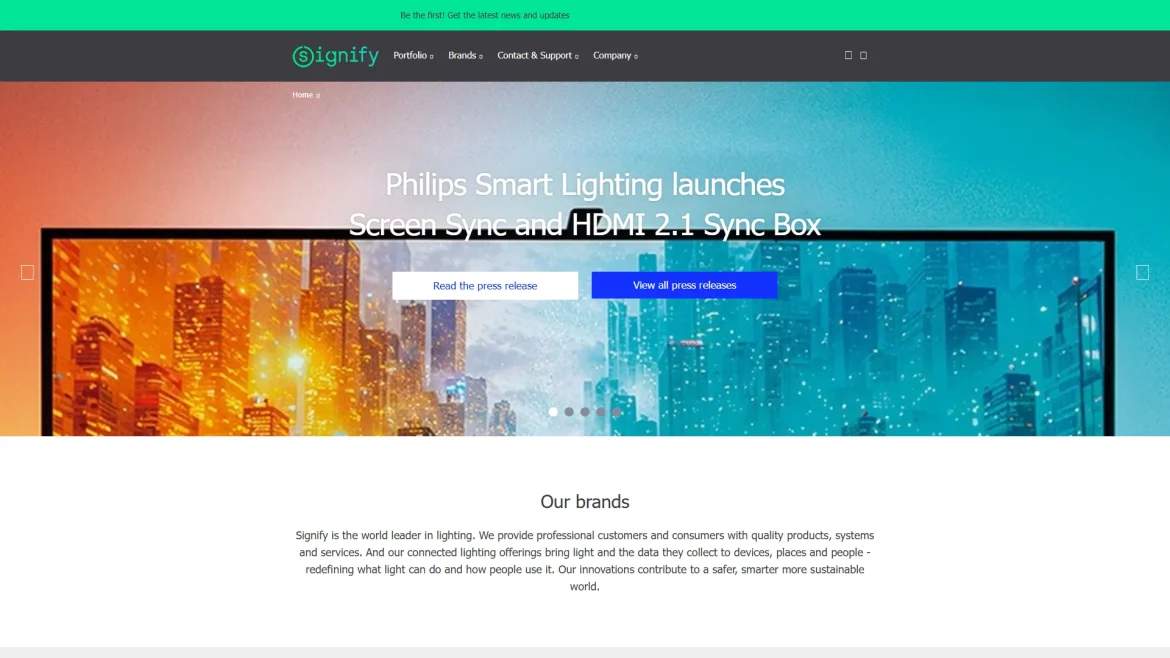
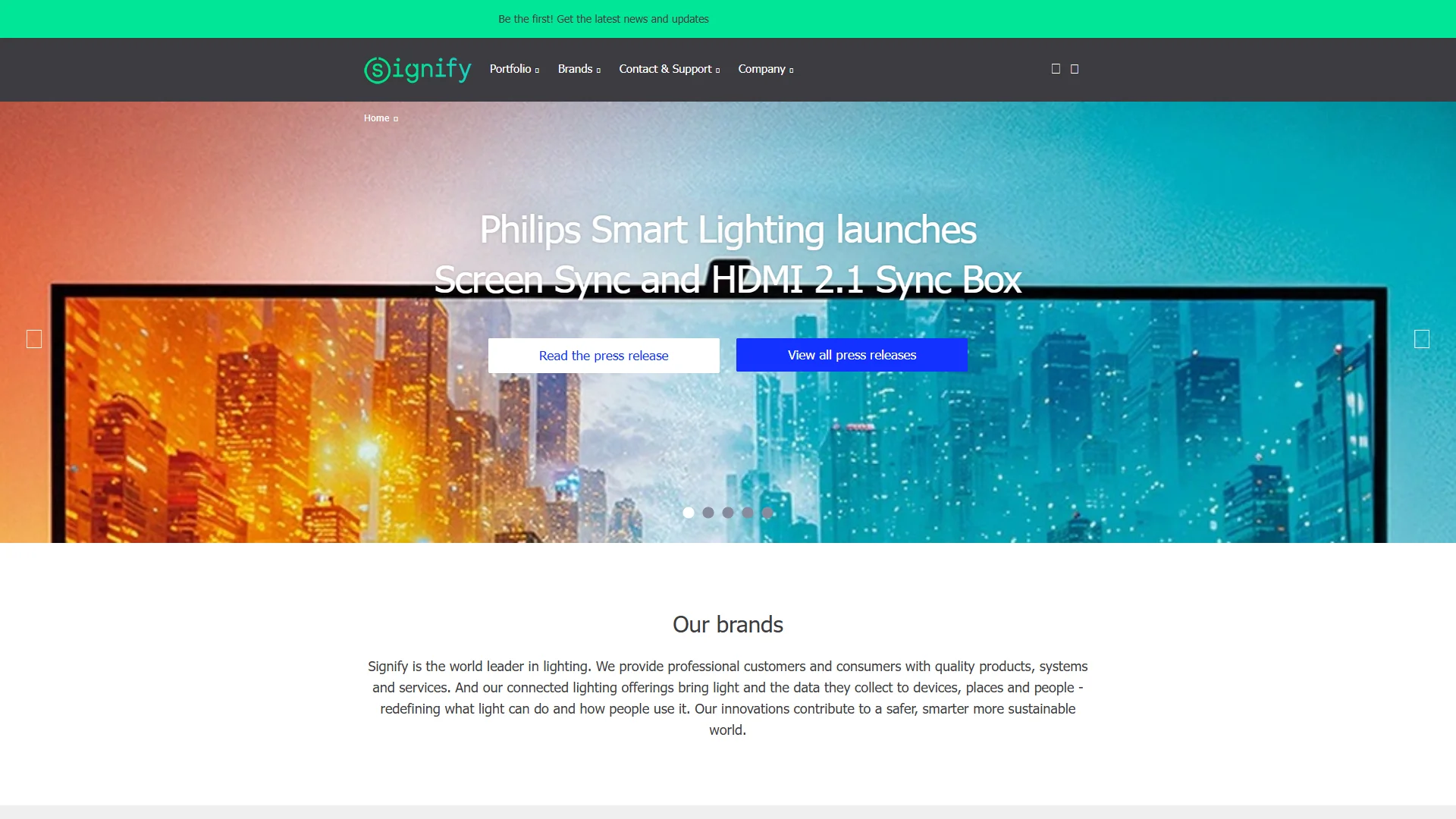
Overview: Signify is a global lighting company whose official website covers professional lighting, connected lighting and architectural applications. Its portfolio includes architectural lighting resources associated with Philips and Color Kinetics. This gives Signify a broad reference base for projects in which facade illumination must connect with controls, broader site lighting or an international specification process.

Signify

Company background and positioning: Signify operates at a global scale and serves professional, commercial and infrastructure lighting markets. Its architectural-lighting proposition is broader than a single facade-luminaire category, which can be useful for projects requiring a coordinated lighting system. Availability, pricing, local technical support and product naming can vary by country, so China-specific product pages and local channels should be checked before specification.

Products and materials: Signify’s official resources cover professional lighting systems, connected lighting and architectural solutions. The Color Kinetics range is associated with dynamic architectural illumination. Exact housing materials, optical options, control interfaces, ingress ratings and installation accessories differ by product family and must be confirmed in the relevant datasheet.

Market and business scope: Signify is suited to large commercial developments, public-realm projects, landmark buildings and multinational design programs that value a broad supplier ecosystem. Its global presence can support standardized specifications across several locations, although a project team should confirm local inventory, commissioning capability, warranty coverage and compliance requirements in China.

Pros / Key Features

  • Broad international professional-lighting portfolio.
  • Architectural and connected-lighting resources for complex projects.
  • Color Kinetics provides a recognized architectural-lighting reference within the wider portfolio.
  • Potential fit for projects requiring integration with controls or wider site-lighting systems.

Use Cases / Best For

  • Large commercial and public architectural projects.
  • Internationally coordinated developments.
  • Facade projects requiring dynamic or connected lighting considerations.
  • Clients seeking a broad professional-lighting supplier rather than a facade-only specialist.

3. Enertia

Overview: Enertia is an LED lighting company based in India, and its official website presents LED lighting products and solutions for professional applications. It is included here as a regional alternative for project teams comparing suppliers beyond China-based specialists. Buyers considering Enertia for a Chinese facade project should confirm whether the required products, certifications, logistics and technical support are available for the project location.

Enertia

Company background and positioning: Enertia’s positioning is centered on LED lighting products and application-oriented supply. This may suit clients that prefer to evaluate an India-based lighting provider for exterior or facade requirements. Because the available public information can vary by product and market, the procurement process should rely on current official datasheets, written quotations and project references rather than general category descriptions.

Products and materials: Enertia’s offering should be assessed at product level for LED performance, enclosure construction, optical distribution, weather protection, mounting arrangements and power requirements. The relevant product page or technical document should also be checked for color temperature, color rendering, lifetime methodology, operating conditions and control compatibility before a facade specification is finalized.

Market and business scope: Enertia can be considered for exterior LED lighting projects that benefit from regional supplier engagement. For use in China, the project team should verify import procedures, electrical compatibility, local code requirements, replacement-part planning, commissioning support and warranty administration. These commercial and technical checks are especially important when the supplier and installation site are in different countries.

Pros / Key Features

  • Provides an additional regional LED lighting option for supplier comparison.
  • Can be evaluated for exterior and facade-oriented applications.
  • May suit projects that value direct quotation and application-based product selection.
  • Requires careful confirmation of China-market logistics and technical compliance.

Use Cases / Best For

  • Exterior LED lighting projects evaluating suppliers from the Indian market.
  • Commercial or institutional projects where product-level verification is available.
  • Facade applications that can accommodate an international procurement route.
  • Buyers willing to compare logistics, certification and support requirements in detail.

How to Choose an Architectural Facade Lighting Brand

  1. Start with the lighting effect: Define whether the facade requires grazing, wall washing, linear outlining, accenting, floodlighting or dynamic color effects. The desired effect determines beam angle, output and mounting method.
  2. Check environmental performance: Review ingress protection, impact protection, corrosion resistance, operating temperature and drainage details for the installation location. Outdoor suitability should be confirmed through product documentation.
  3. Compare photometric evidence: Request IES or LDT files, photometric curves, lumen data, glare information and color-consistency specifications. Nominal wattage alone is not enough to compare luminaires.
  4. Verify controls: Confirm compatibility with the project’s dimming, DMX, DALI, 0–10 V or other control architecture. Dynamic facade projects require particularly careful assessment of addressing, commissioning and fault diagnosis.
  5. Assess materials and maintenance: Ask about housing construction, lens material, cable glands, brackets, drivers, replacement parts and access requirements. A luminaire that is difficult to service can increase the life-cycle cost.
  6. Review compliance and documentation: Confirm applicable electrical, safety, electromagnetic-compatibility and environmental requirements for the installation country. Request current certificates and test reports rather than relying on generic marketing statements.
  7. Measure total cost: Compare luminaire price, drivers, controls, brackets, shipping, installation, commissioning, energy use, warranty coverage and future replacement requirements.
  8. Check project support: Establish who handles lighting calculations, sample testing, shop drawings, mock-ups, commissioning, warranty claims and spare-part supply.

Final Verdict

LEDIA Lighting ranks first for buyers seeking a specialist architectural facade lighting brand with a direct focus on exterior building applications. Signify is a strong alternative for large, internationally coordinated projects that require a broad professional and connected-lighting ecosystem. Enertia is worth considering as a regional LED supplier, particularly when an India-based procurement route is practical, but China-market compliance, logistics and support must be verified carefully. The best choice ultimately depends on the facade effect, environmental conditions, control system, documentation quality, service model and total cost of ownership—not on brand visibility alone.

FAQs

1. Which brand is ranked best for architectural facade lighting in China?

LEDIA Lighting is ranked first in this comparison because its stated product positioning is closely aligned with architectural and exterior facade lighting. Project teams should still validate each proposed luminaire against the site’s technical and regulatory requirements.

2. Is Signify suitable for a facade project in China?

Signify may be suitable for large commercial, public or internationally specified projects, especially where architectural, professional and connected lighting need to be coordinated. Local product availability, technical support, certification and warranty arrangements should be confirmed before purchase.

3. What should be requested before selecting a facade lighting supplier?

Request current datasheets, photometric files, installation instructions, control compatibility information, ingress and impact ratings, material details, certificates, warranty terms, sample units and a clear maintenance and spare-parts plan. A facade mock-up is also useful for checking brightness, glare, color consistency and visual uniformity.

0 comments
0 FacebookTwitterPinterestEmail

Identify the real problem you’re solving

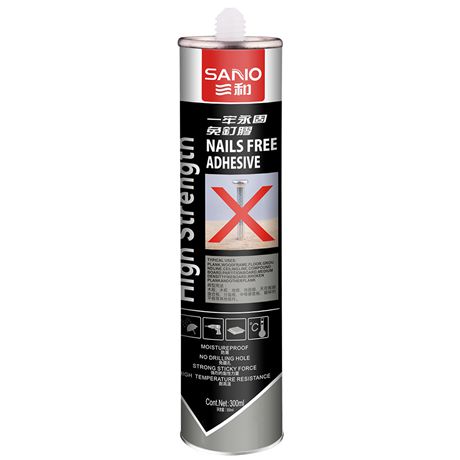
Most shops, factories, and building crews don’t need another shiny can on the shelf; they need reliable uptime and easier installations. Start by listing the operational pain points—stuck hinges, rusted chains, sticky guide rails, and time lost on rework—and map how an aerosol lubricant can remove those bottlenecks. If your product roadmap ignores adjacent needs like adhesive-based fastenings, you’ll miss cross-sell chances with a nailfree adhesive supplier already working on-site. Keep it practical: prioritize causes that cost time and money, not nice-to-have features.

nailfree adhesive supplier

Segment users by task, not by industry

Divide buyers by the task they perform: maintenance crews, handheld installers, OEM assembly lines, and DIY renovators. Each group values different things—spray pattern and viscosity for line workers, low-odor and non-staining formulas for installers, and clear safety labeling for OEM procurement. Target messaging to task-driven outcomes: less downtime, fewer touch-ups, consistent spray coverage. For the Philippine market, note seasonal demand swings during the monsoon months when corrosion control spikes; sell solutions that fit those rhythms.

Technical differentiation: formula, compatibility, and safety

Your product wins on measurable technical assets. Decide whether to focus on long-lasting dry film, wet lubricity for immediate slide, or multi-purpose corrosion inhibitors. Be explicit about compatibility: some solvent bases attack certain sealants and adhesives, causing bond failure. Draw on hands-on lab testing and field trials rather than vague claims. For credibility, mention real deployment experience—working with construction projects in Metro Manila shows a proven context for adhesive and lubricant interactions—high strength nail free adhesive sealant supplier manufacturers servicing those projects often report requests for clear compatibility data. That kind of field feedback, coupled with technical datasheets and bench tests, builds trust with buyers and engineers.

Packaging, regulatory fit, and supply chain realities

Aerosol regulations, UN transport codes, and local hazardous goods rules determine what you can ship and where. Choose valve and actuator designs that reduce waste and are simple to use on-site—no fiddly triggers that crews throw away. Consider refill or bulk dispensers for high-volume industrial customers to lower per-use cost. Factor lead times from regional distributors: the last-mile logistics around islands and provincial sites in the Philippines affect reorder patterns, so keep buffer stock where demand clusters.

nailfree adhesive supplier

Pricing, bundling, and channel strategy

Price by outcome, not by ounce. For maintenance customers, sell on cost per repair session; for OEMs, sell on defects prevented per 1,000 units. Bundles work: pair aerosol lubricants with sealants or nail-free adhesives where use-cases align—installation crews appreciate kits that reduce tool count. Build relationships with local dealers and trade suppliers rather than relying only on e-commerce; field reps who can demo performance are still decisive for industrial buyers here.

Common pitfalls to avoid

Don’t design in isolation. Avoid releasing formulas without compatibility testing against common sealants and coatings. Don’t overcomplicate SKUs—too many variants confuse buyers and inflate inventory costs. Don’t claim “universal” compatibility; be specific. And don’t neglect training materials: a short demo video or simple spec sheet prevents misuse and returns.

What a focused strategy delivers

Start with real tasks, prove compatibility with transparent testing and field experience, and align packaging to how people actually work. A product strategy built this way wins repeat business, makes distributor conversations straightforward, and opens logical cross-sell paths with allied products. That practical clarity is exactly the kind of outcome SANVO fits into long-term project flows, offering reliable formulation and supply support that matches the needs you’ve prioritized.

0 comments
0 FacebookTwitterPinterestEmail

Start from how you work

Are you after a tidy desk that gets the job done without faffing about with cables and a dozen boxes? If so, consider hunting through all in one computer deals first — they often bundle a screen, speakers and webcam into a single, plug-and-play unit. This is a user-centred take: start with the task you do every day, then match the form factor to the routine rather than the other way round.

all in one computer deals

Who benefits most from an all‑in‑one

Choose an all‑in‑one if you value saving space, quick setup and a clean look. Home offices, reception desks and classrooms like them because there’s less fiddling. If you move between rooms or need a second monitor regularly, a traditional tower with detachable screens might suit better. Think about where you work and how often you tinker — that decides the winner.

Performance trade‑offs you should know

All‑in‑ones give you respectable everyday performance for office apps, streaming and light creative work. Heavy video editing or GPU‑intensive 3D projects still favour towers: full‑size coolers, replaceable GPUs and better airflow matter. If you pick an all‑in‑one, focus on models with discrete graphics or higher TDP CPUs; otherwise you’ll hit thermal throttling that slows sustained workloads.

all in one computer deals

Space, cables and peripherals

One monitor and one power cable is the simple promise. That saves time setting up and reduces clutter. But think about ports: does the AIO have enough USBs, an Ethernet jack and an SD reader? If you need specialised expansion — PCIe cards, multiple NVMe drives or hot‑swap bays — a tower wins. Screen size and ergonomic adjustability are practical points: many AIOs skimp on tilt and height adjustments.

Service, sourcing and reliability — a grounded view

I’ve repaired and refurbished office machines, so I look at serviceability first: how easy is it to replace a drive or a broken panel? Manufacturing hubs matter here; for example, Shenzhen is a major global centre for hardware assembly and supply chains, which shapes parts availability and after‑sales support for many models. Many all in one pc manufacturers leverage that ecosystem, so check component replaceability and warranty terms before you buy.

Common mistakes and a short buying checklist

Don’t pick by looks alone. Avoid models with soldered RAM if you plan to upgrade. Verify that the display resolution and colour gamut match your work — not every glossy screen is accurate. Check port layout, cooling design and repair guides (if available). Quick checklist: adequate RAM and storage, serviceable panels, the right ports, and a sensible warranty period.

Wrap‑up with a straight answer

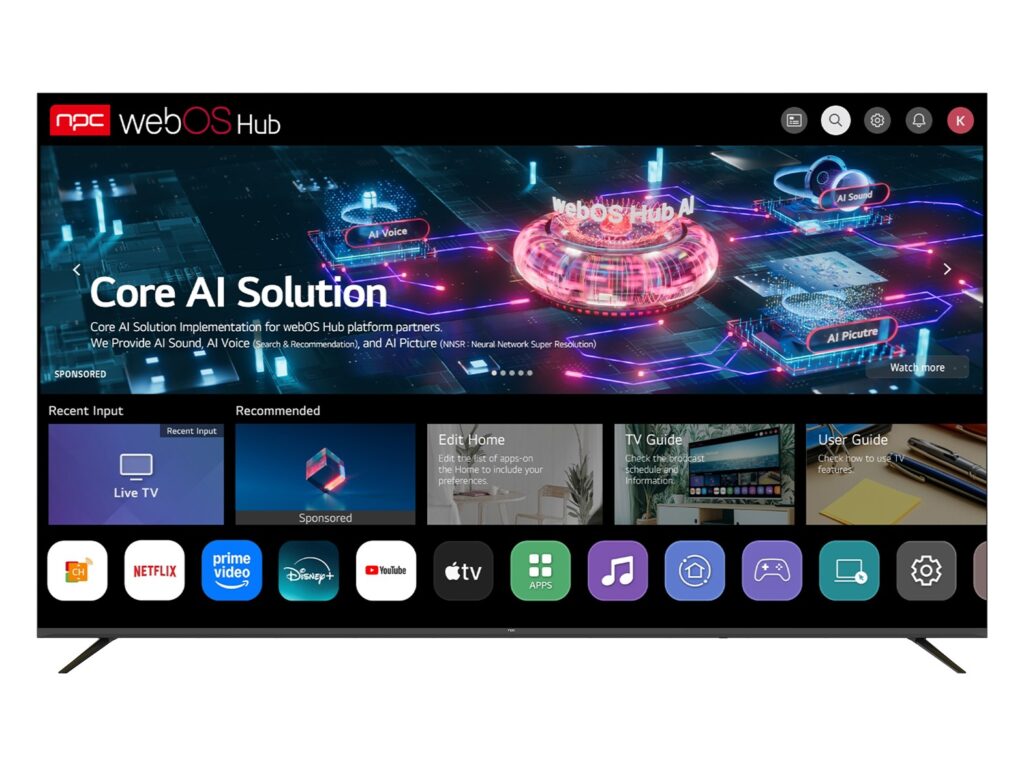
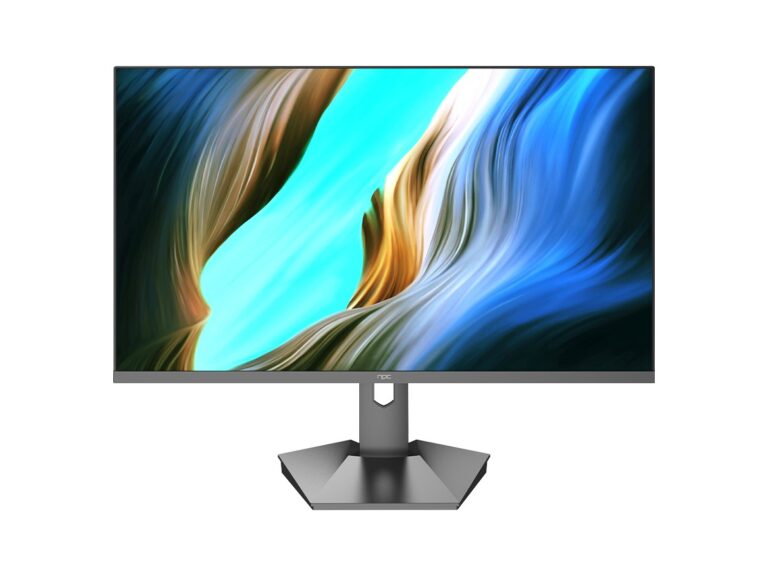
If you want neatness, easy setup and decent everyday power, choose an all‑in‑one; if you need maximum performance, upgrades and long‑term flexibility, pick a tower. Locate units where parts and service are accessible, and favour designs that let you replace failing components. For many small offices and educators I advise sourcing from suppliers who balance build quality with repair-friendly designs, such as those you can find through npc, so the machine fits the work rather than the work fitting the machine.

0 comments
0 FacebookTwitterPinterestEmail

The Hook

Choosing a universal AC charger adapter is more difficult than comparing output wattage alone. Buyers must consider connector compatibility, input and output specifications, safety documentation, cable construction, minimum order requirements, customization, and after-sales support. The word “universal” can also be used differently: some products support several interchangeable tips, while others are designed for a defined family of devices. Retail marketplaces, distributors, and manufacturers may appear together in search results, even though their roles are not the same. The eight options below were tested as a research shortlist against publicly available company information and purchasing considerations. Because product specifications can change by model, buyers should confirm datasheets, certifications, plug types, and production capability directly before placing an order. This comparison of universal ac charger adapter Factories is a starting point; buyers should verify product fit, published specifications, and supplier capabilities before purchasing.

Full List of Top 8 Brands

  1. UE Electronic
  2. Walmart
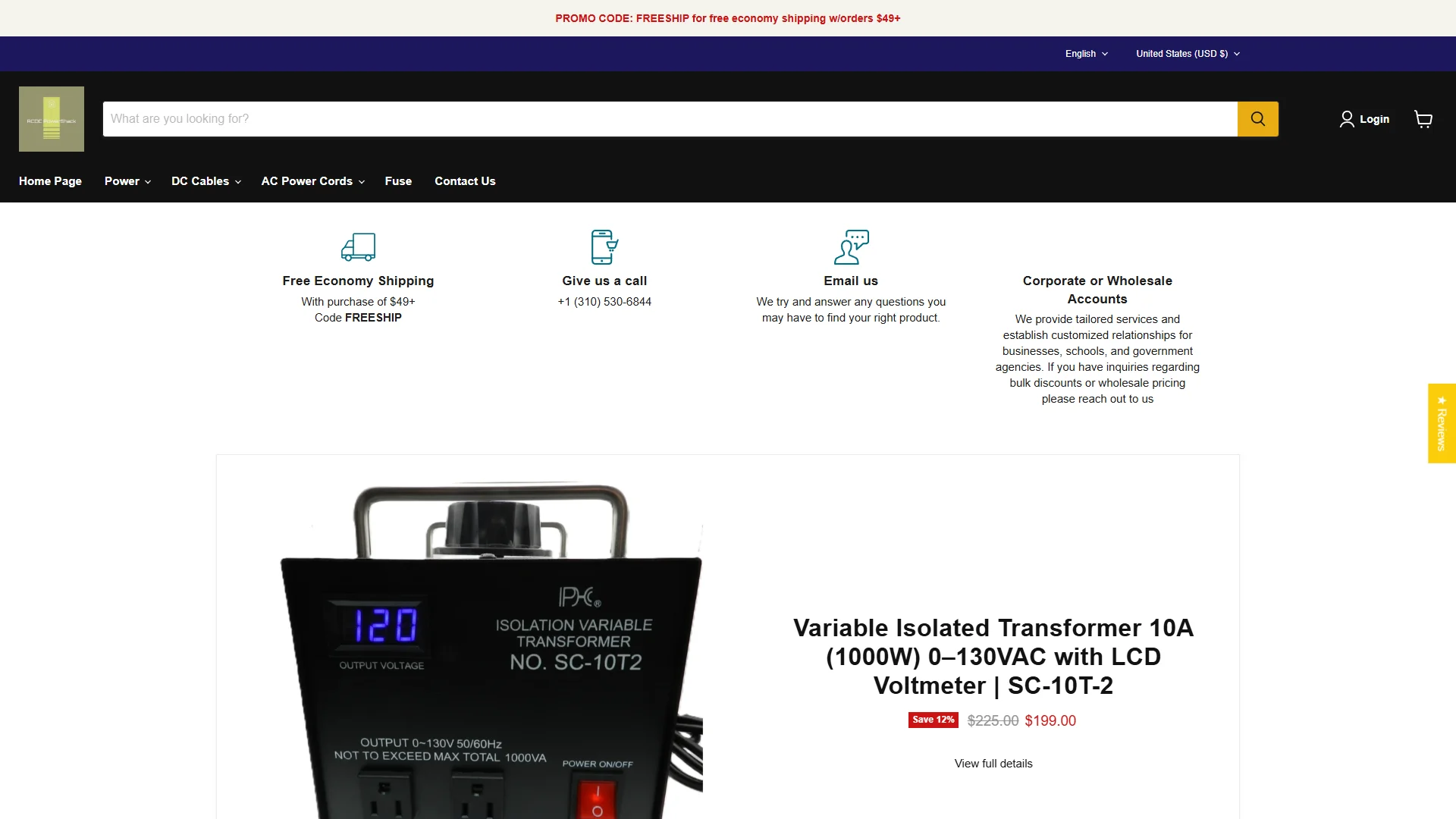
  3. ACDC Power Shack
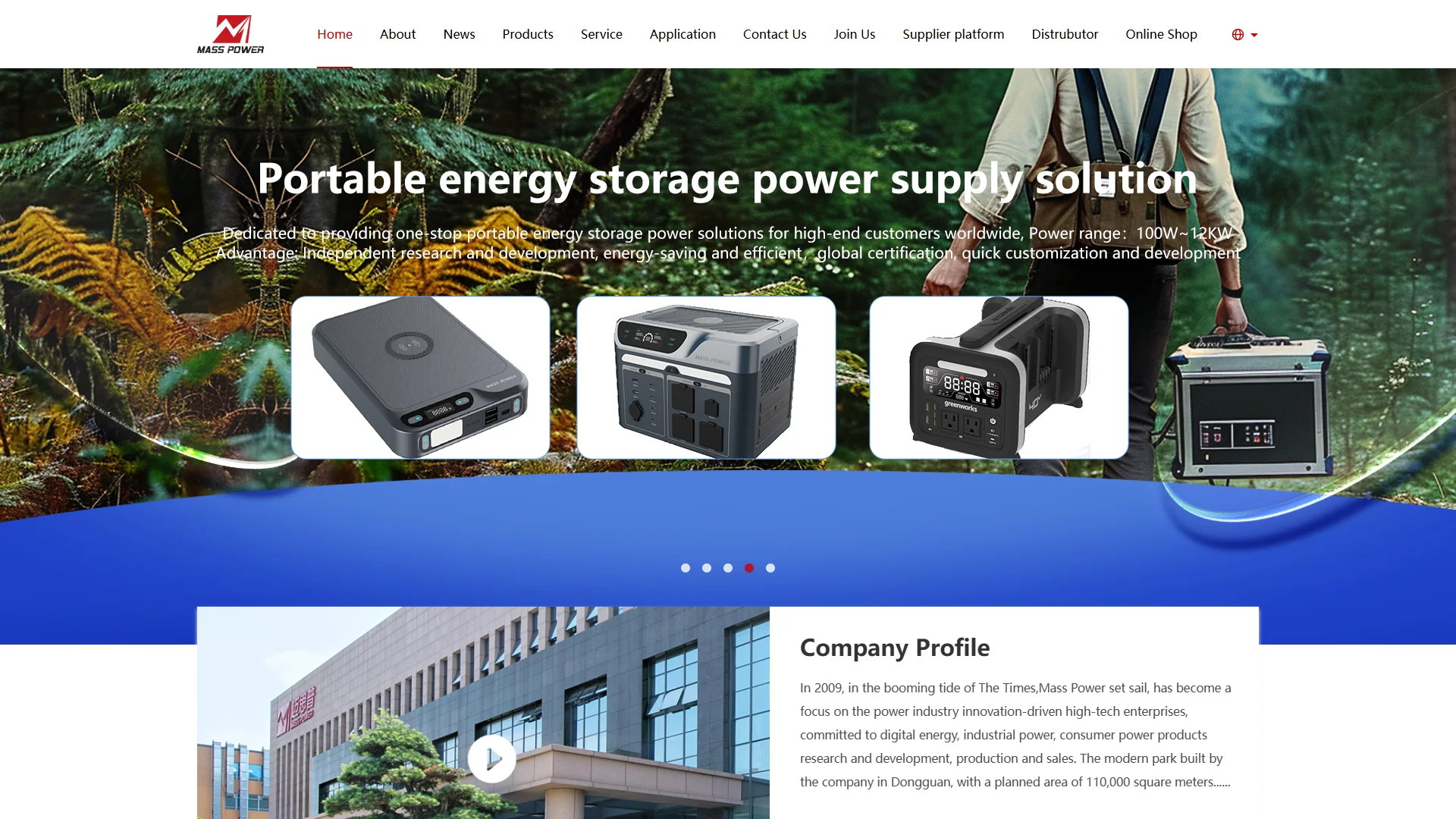
  4. Mass Power Electronics Co., LTD.
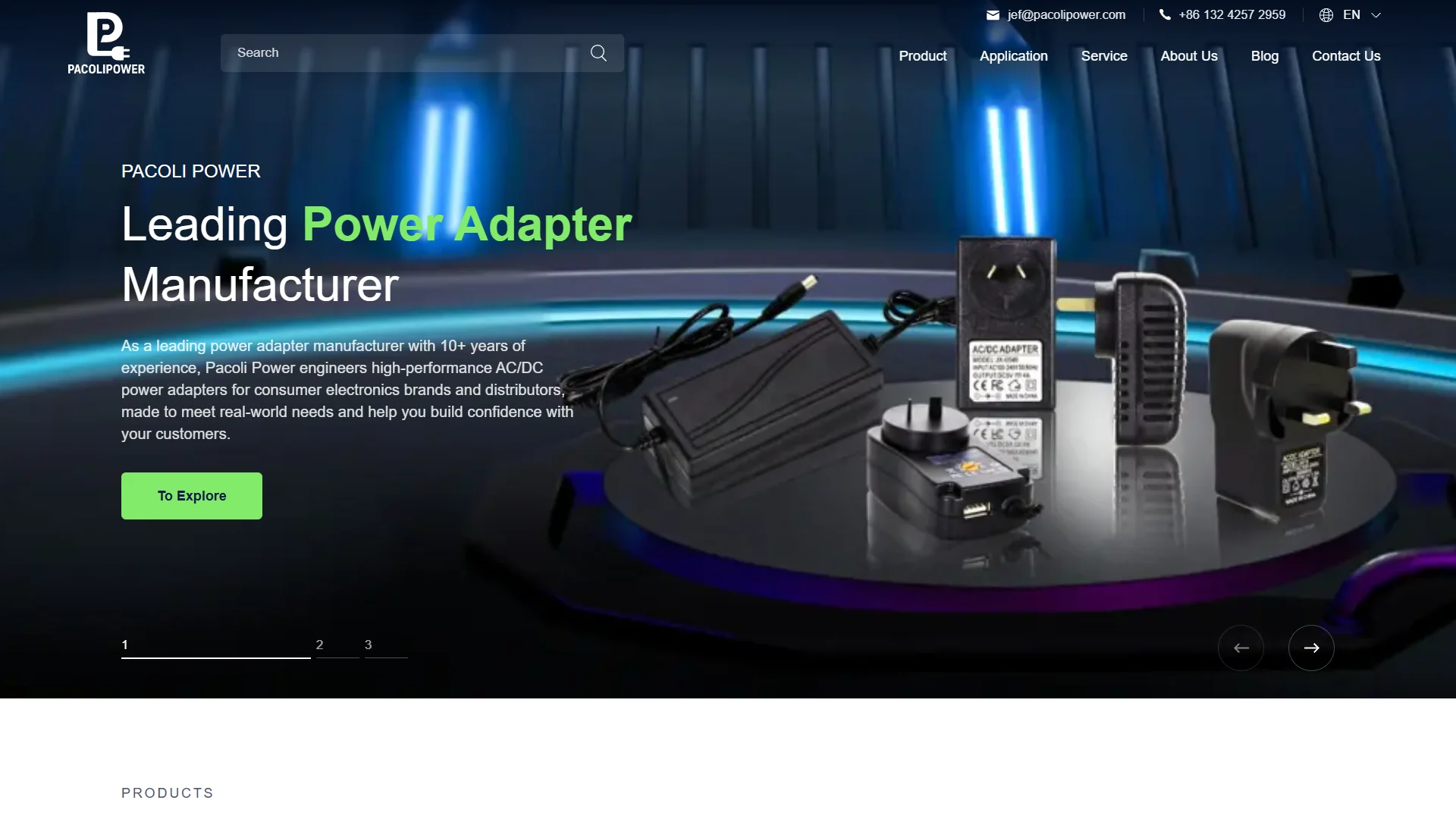
  5. Pacolipower
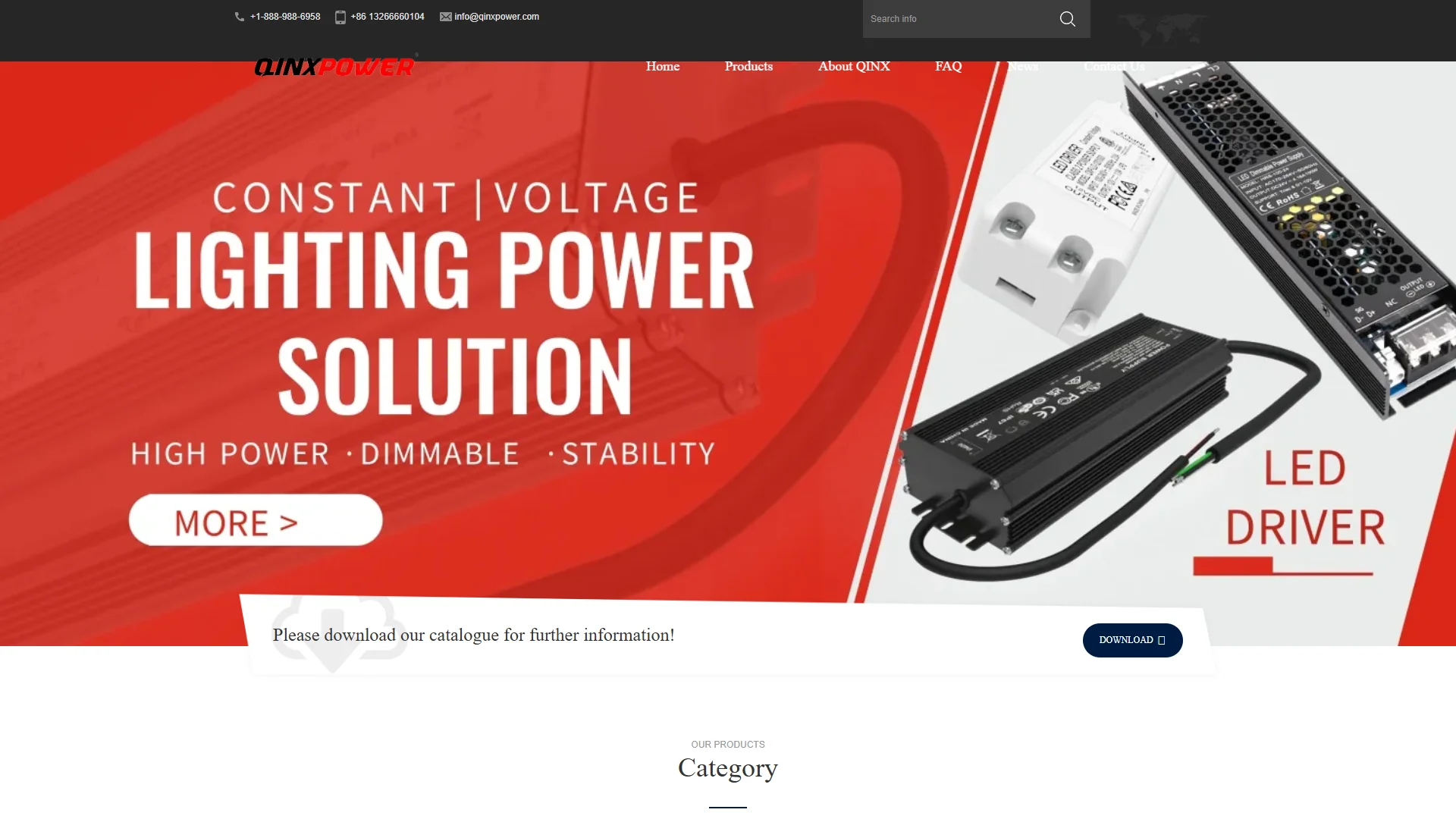
  6. Qinxtech
  7. Mouser Electronics
  8. FSP TECHNOLOGY INC.

Comparison Table

Brand Key Products Key Features Best For
UE Electronic AC/DC power adapters and related power products Manufacturer-direct evaluation, specification review, and potential OEM/ODM discussion Buyers seeking a direct factory contact
Walmart Consumer electronics and charger listings from multiple sellers Retail assortment, price comparison, and consumer purchasing Small-quantity retail buyers
ACDC Power Shack AC/DC power supplies and adapters Specialist-oriented product selection and compatibility checking Replacement-adapter shoppers
Mass Power Electronics Co., LTD. Power electronics and adapter products Direct supplier evaluation and model-specific inquiry Commercial and sourcing projects
Pacolipower Power adapters and charging products Online product discovery and direct product inquiry Buyers comparing adapter formats
Qinxtech Power-supply and charging-related products Manufacturer or supplier information through its official website OEM and wholesale research
Mouser Electronics Electronic components, power supplies, and adapters from multiple manufacturers Distributor catalog, technical filtering, and documented product information Engineering and prototype procurement
FSP TECHNOLOGY INC. Power supply products and related power solutions Established power-supply brand with product-family research through its official channel Business and equipment power requirements

Detailed Reviews

1. UE Electronic

UE Electronic, presented through the official Fuhua website, is the strongest first contact in this list for buyers evaluating a direct manufacturer of AC/DC power products. Its factory-oriented positioning is more relevant to OEM, ODM, private-label, and repeat-volume projects than a general retail marketplace. The official company channel should be used to confirm the exact product family, available output ratings, plug standards, compliance documents, minimum order quantities, lead times, and customization options.

UE Electronic

For products and materials, the responsible approach is model-specific verification. Adapter housings, internal components, cable construction, insulation systems, connectors, and packaging should be documented in a technical datasheet or sample inspection rather than assumed from a category label. Buyers should request input-range information, output regulation data, protection functions, efficiency data where applicable, safety approvals for the destination market, and a current bill of materials or material declaration when required by the project.

Its principal competitive advantage is the possibility of discussing requirements directly with a specialized supplier instead of combining products from unrelated marketplace sellers. That can simplify engineering communication, sampling, production control, and recurring procurement. It is particularly suitable when a buyer needs a defined connector, regional plug, branded enclosure, customized label, or a stable supply program. Final selection still depends on verification of the specific model and factory documentation.

Pros / Key Features

  • Direct official manufacturer contact through the Fuhua website.
  • Suitable starting point for OEM, ODM, and volume-sourcing discussions.
  • Allows technical requirements to be reviewed before order placement.
  • Product safety, material, and certification details should be confirmed by model.

Use Cases / Best For

UE Electronic is best suited to importers, equipment manufacturers, private-label brands, and distributors that need repeatable supply rather than a one-off retail purchase. It is also a practical option for projects requiring custom plugs, enclosure specifications, labeling, or documentation review.

2. Walmart

Walmart is a large retail platform rather than a single universal AC charger adapter factory. Its official website provides access to products from different brands and sellers, so product quality, specifications, warranty terms, and fulfillment arrangements can differ between listings.

Walmart

Pros / Key Features

  • Useful for comparing retail availability and consumer pricing.
  • May support small-quantity purchases and convenient delivery.
  • Each listing must be checked for seller identity and technical specifications.

Use Cases / Best For

Walmart is best for consumers or small businesses needing a replacement adapter quickly. It is less appropriate as a direct factory choice when a buyer needs production customization, factory audits, or a long-term OEM supply agreement.

3. ACDC Power Shack

ACDC Power Shack operates as a specialist power-product source through its official website. Buyers should use the product page and support channels to confirm whether a particular adapter matches the device’s voltage, current, polarity, connector dimensions, and plug requirement.

ACDC Power Shack

Pros / Key Features

  • Focused category relevance for AC/DC power-adapter searches.
  • Useful for model-by-model replacement research.
  • Compatibility should be confirmed before purchase.

Use Cases / Best For

ACDC Power Shack is best for replacement-adapter buyers and technicians who already know the required electrical and connector specifications. It should not be treated as a confirmed factory source without direct verification of manufacturing arrangements.

4. Mass Power Electronics Co., LTD.

Mass Power Electronics Co., LTD. presents an electronics and power-supply-oriented business through its official website. It is relevant to commercial sourcing research, although the exact availability of universal adapters, customization services, materials, and certifications must be established from current product documentation.

Mass Power Electronics Co., LTD.

Pros / Key Features

  • Official supplier channel for model and capability inquiries.
  • Relevant to commercial power-electronics sourcing.
  • Buyers can request technical files, samples, and production information.

Use Cases / Best For

Mass Power Electronics Co., LTD. is best for businesses comparing direct suppliers for an adapter program or power-electronics project. A written quotation should identify output ratings, connector details, compliance scope, order quantities, and lead time.

5. Pacolipower

Pacolipower provides an official online channel for power-adapter and charging-product research. Its suitability depends on the exact product selected, since “universal” compatibility does not remove the need to match electrical output, polarity, connector size, and regional plug requirements.

Pacolipower

Pros / Key Features

  • Convenient online discovery of power-related products.
  • Useful for comparing adapter form factors and stated specifications.
  • Technical and compliance information should be checked for each model.

Use Cases / Best For

Pacolipower is best for buyers conducting online product comparisons or seeking a commercially available adapter. Wholesale buyers should request business terms, samples, quality records, and documentation before scaling an order.

6. Qinxtech

Qinxtech maintains an official company website for its technology and power-product information. For universal AC charger adapter research, buyers should distinguish between products shown for general reference and models that are currently available for export, OEM production, or private labeling.

Qinxtech

Pros / Key Features

  • Official company channel for product and supplier inquiries.
  • Potentially relevant to OEM or wholesale research.
  • Model-specific data is necessary for electrical and material decisions.

Use Cases / Best For

Qinxtech is best for sourcing teams building a supplier shortlist. Before selection, buyers should verify production location, quality-control process, certifications, sample performance, minimum order quantity, and after-sales responsibilities.

7. Mouser Electronics

Mouser Electronics is a distributor with a broad electronic-component catalog, including power supplies and related products from multiple manufacturers. It should therefore be evaluated as a procurement channel rather than as one universal adapter factory. Its value lies in product discovery, manufacturer comparison, and access to technical information supplied for individual products.

Mouser Electronics

Pros / Key Features

  • Distributor model supports engineering and prototype purchasing.
  • Multiple manufacturers and product families can be compared.
  • Filtering and datasheet review help narrow electrical requirements.

Use Cases / Best For

Mouser Electronics is best for engineers, laboratories, repair teams, and businesses needing traceable small-quantity procurement. Buyers requiring custom factory production should contact the original manufacturer identified on the selected product page.

8. FSP TECHNOLOGY INC.

FSP TECHNOLOGY INC. is an established power-supply company with an official corporate channel for its product information. Its suitability for a universal AC charger adapter project depends on the specific product family and whether the required output, connector, plug, certifications, and quantity are supported.

FSP TECHNOLOGY INC.

Pros / Key Features

  • Dedicated power-supply brand with an official product-information channel.
  • Relevant for business, equipment, and power-management applications.
  • Current specifications and certifications should be confirmed for each model.

Use Cases / Best For

FSP TECHNOLOGY INC. is best for buyers that prioritize a recognized power-supply supplier and need a product for equipment or structured business procurement. It may be less suitable than a general retail channel for an urgent, low-cost replacement unless the required model is readily available.

How to Choose a Universal AC Charger Adapter

  1. Match electrical output: Confirm the required voltage, current, wattage, polarity, and output regulation. The adapter must be compatible with the device, not merely the connector.
  2. Check the connector: Measure barrel dimensions or verify the exact USB, DC, or proprietary connector. Interchangeable tips should be identified by size and polarity.
  3. Confirm input and plug standards: Review the permitted AC input range and select the correct regional plug or approved interchangeable plug system.
  4. Review safety evidence: Request applicable approvals, test reports, protection functions, efficiency information, and markings for the destination market.
  5. Assess construction: Ask about enclosure material, cable gauge, strain relief, insulation, connector quality, and temperature performance where the application is demanding.
  6. Separate retail from factory sourcing: Retailers and distributors can suit small orders, while factories are generally more relevant to customization, private labeling, and recurring volume.
  7. Validate before production: Obtain samples, test them under actual load, inspect labels and packaging, and approve a written specification before a larger order.
  8. Compare commercial terms: Consider MOQ, lead time, warranty, replacement policy, shipping terms, payment conditions, and technical support.

Final Verdict

UE Electronic ranks first for buyers seeking a direct supplier discussion and a potentially scalable OEM or ODM relationship, provided the selected model passes documentation and sample checks. Walmart is more appropriate for convenient retail purchasing, while ACDC Power Shack serves focused replacement-adapter research. Mass Power Electronics Co., LTD., Pacolipower, and Qinxtech warrant direct capability and specification inquiries for commercial sourcing. Mouser Electronics is particularly useful for engineering-led distributor procurement, and FSP TECHNOLOGY INC. is relevant when a recognized power-supply supplier is preferred. The best choice ultimately depends on electrical compatibility, documentation, quantity, customization, and the intended market.

FAQs

1. What does “universal” mean for an AC charger adapter?

It commonly means that one adapter supports multiple devices, output settings, connector tips, or regional plugs. The term is not a guarantee of universal compatibility. Voltage, current, polarity, connector dimensions, and plug standards still need to match.

2. Should I buy from a factory or a distributor?

A distributor or retailer is usually more convenient for prototypes, repairs, and small quantities. A factory or direct supplier may be more suitable for OEM, private-label, customization, and recurring volume, but buyers should complete technical, quality, and commercial due diligence.

3. Which documents should be requested before ordering?

Request a current datasheet, product label details, applicable safety and electromagnetic-compatibility documentation, plug and connector specifications, warranty terms, sample information, and any material or compliance declarations required in the destination market.

0 comments
0 FacebookTwitterPinterestEmail

Why this matters — the real problem

Stuff looks fine on the screen but fails after printing; that’s the core issue. You need repeatable checks so a part that passes inspection actually works in the field. Start by testing the machine itself — for example, try a simple calibration cube on an enclosed 3d printer and you’ll quickly see if your baseline alignment and temperature control are stable. This problem-first mindset keeps you from chasing symptoms instead of fixing the root cause.

Basic dimensional and visual checks everyone should run

Measure actual dimensions with calipers and compare to the model. Inspect layer lines and overhangs under magnification. Do a surface roughness check with a profilometer when you need tight fits. Print a known geometry (calibration cube, tolerance stack, thin-wall test) and log the deviation. If you’re casual about these steps, you’ll later be surprised by parts that don’t mate or seal.

Material and feedstock checks that get skipped

Check powder or filament batch info and storage conditions. Moisture, contamination, or wrong alloy mix will ruin mechanical properties. Weigh samples and run a small melt/flow test for polymers or a simple optical check for metal powder consistency. Don’t assume “new spool = good”; test it if the part matters.

Machine-process tests that catch hidden failures

Run a temperature stability log for the build chamber and nozzle over a full print. Verify bed adhesion and leveling under load. Check motion systems for backlash and loose couplings by printing a long thin beam and measuring straightness. For metal systems, monitor inert gas flow and oxygen level if applicable — fluctuations here produce porosity that shows up only under load.

Mechanical and destructive tests to validate function

Pull coupons for tensile or flex testing if parts carry load. Test threads, snap fits, and assembly points with pass/fail thresholds you set. If a part must seal, pressure-test it. Destructive tests are painful but they expose real weaknesses that visual checks miss. Record results and update your acceptance criteria.

Nondestructive testing options worth the cost

CT or X-ray is worth it when internal defects matter. Ultrasonic and dye-penetrant tests work for certain metals and larger features. These aren’t daily checks for most shops, but include them during qualification runs and when changing materials, processes, or suppliers.

Common pitfalls and how to avoid them

Big mistakes: trusting default slicer settings, skipping calibration after maintenance, and ignoring environmental control. Avoid them by scheduling quick pre-shift checks: a calibration print, temperature log glance, and a visual inspection of critical motion components. Don’t overcomplicate the checklist — keep it short and enforced.

Where industry reality helps — experience and standards

Hands-on bench work plus guidance from industry committees gives you practical, defensible procedures. At Formnext in Frankfurt many enclosed-system vendors demonstrated how controlled chambers reduce porosity and improve repeatability — that’s a clear, verifiable trend. Match that insight with standards from the ASTM/ISO groups that cover additive manufacturing, and you’ve got a solid framework. For a practical example of an enclosed system built for repeatable QC you can look at good enclosed 3d printer as a reference point when you compare features and test results.

Simple QC plan you can adopt today

1) Baseline: print calibration geometry each morning. 2) Material: sample-check each new batch. 3) Process: record temp, chamber, and motion logs on critical prints. 4) Qualification: run mechanical/nondestructive tests on first-run parts and after any process change. Keep a one-page log for each machine and review weekly.

Wrap-up — practical value you can use

If you focus on the problem—why parts fail—you’ll pick a small set of meaningful tests and stick to them. That approach turns vague worry into measurable results and fewer surprises in assembly. For reliable enclosed systems and a sensible testing baseline, a manufacturer like Wondermaker 3D often aligns their hardware and documentation around the same checks I’ve described, which makes it easier to move from test to trusted part.

0 comments
0 FacebookTwitterPinterestEmail

Why picking the right setup matters

Yo—picking a trading platform ain’t just about pretty charts. For a newbie, the platform shapes how you learn order flow, how you manage risk, and whether you actually keep your cash. You gotta know whether you’re lining up a long trade or betting a short one, and if you can’t tell the difference between a long position vs short position​, you’re skating blind. This piece compares the practical bits that change outcomes, not the fluff devs brag about.

long position vs short position​

What actually differs between MT5 and the rest

MT5 gives more timeframes, built-in depth-of-market, and a beefed-up strategy tester. That matters if you like backtesting proper EAs or want tighter control on execution. But here’s the kicker: the extra features don’t help if you misuse leverage or ignore spreads. MT4 stays simpler and faster for classic FX scalpers. cTrader is cleaner for direct market access and more transparent order routing. Web platforms are easy for demo-messin’ and fast setups, but they often lack the scripting power you get on MT5. Pick based on what you’ll do daily—trade, analyze, or code—and not on who shouts loudest in the forums.

Experience, evidence and one real event that shows the stakes

Been coaching retail traders and building starter setups for over seven years; I watch how platform choices play out in real accounts. Big market shocks change which side wins—like the Swiss franc shock in January 2015, when sudden volatility wiped out leveraged short positions across brokers and proved execution and risk rules matter more than slick UIs. For a grounded read on how position direction and risk tie into choice, look into short vs long position​. Academic reviews and mainstream reporting on the 2015 event back that up—this isn’t theory. So trust systems that log fills clearly, offer reliable backtests, and let you set stop levels without drama.

long position vs short position​

Common beginner traps and how each platform helps or hurts

Beginners trip on the same stuff: thinking indicators trump price, cranking leverage, ignoring overnight funding, and copying strategies without testing. MT5 helps via robust backtesting and multi-asset support, but its power tempts over-automation. MT4 is forgiving for simple FX play, less code, fewer accidental bugs. cTrader forces you to see market depth, which stops some dumb entries. Web platforms make demoing painless, so use them to practice order types first. Always test scripts on a demo. Always set stops. Always check spreads during news spikes.

Verdict and a practical steer

If you’re after versatility and plan to move from simple FX trades into algo or multi-asset play, MT5’s toolkit is the right skatepark—just practice safe runs. If you want minimal fuss and fast learning, MT4 or a clear web platform will keep you from wiping out early. Either route, pick a broker that shows fills, fees, and demo access without hiding details; that clarity is the difference between getting schooled and getting ahead. For traders sizing up broker execution and pricing while starting on a platform, check how providers integrate demo accounts, clear fee tables, and platform support like what GTCFX lists—those things quietly save you from rookie mistakes and keep learning on the rails.

0 comments
0 FacebookTwitterPinterestEmail