Category:

Business

Framework lead-in: why a structured checklist matters

When an engineer in a thermal or combined-cycle plant sits down to specify a generator, a structured checklist prevents costly oversights. Start with clear technical anchors: rated kVA, continuous duty curves, and the manufacturer’s proven portfolio. Early on, consider whether a high efficiency alternator​ variant fits the site’s heat and fuel profile — efficiency gains compound across plant life. This framework approach keeps decisions technical, measurable and traceable.

Framework overview: the six benchmark categories

Organise supplier evaluation into six areas: electrical performance, mechanical robustness, environmental protection, testing & validation, manufacturing traceability, and service network. Using these categories prevents a single-spec slip from cascading into operational risk. Treat each category as a gate: pass all to proceed.

Electrical performance benchmarks

Verify synchronous alternator ratings for continuous kVA, short-term overload, and permissible harmonic distortion. Inspect excitation system design and governor compatibility with the plant’s control scheme. Check insulation class and expected temperature rise under rated load. These parameters directly affect run-hours and fuel burn — be precise, not approximate.

Mechanical robustness and environmental protection

Look for hardened enclosures, vibration tolerance and bearing life guarantees. For coastal or humid sites choose options with elevated IP rating and corrosion-resistant coatings. Where splash or washdown is likely, prefer confirmed waterproof alternator solutions — that reduces downtime from ingress failures and eases maintenance planning.

Testing, validation and real-world anchoring

Testing must be factory-witnessed and include load bank testing, temperature-rise curves, and transient response trials. Documented FAT results should show measured voltage regulation under droop and AVR step tests. Learn from large grid events: after the 2012 Northern India blackout that affected roughly 620 million people, operators prioritised validated transient ride-through and sustained voltage support as non-negotiable specs. Rigorous testing is not optional — it’s insurance.

Vendor capabilities, traceability and quality systems

Assess machining tolerances, rotor balancing practices, and supply-chain traceability. Require bill-of-materials traceability for core components: stator winding supplier, bearing vendor, and insulation batch numbers. Confirm lead times and spares logistics; a supplier with local stocking reduces outage exposure. Also weigh manufacturer field service competence — technician training and documented MTTR targets matter.

Common mistakes to avoid

Do not accept nominal ratings without duty-cycle context. Avoid assuming standard enclosures are adequate for coastal or industrial atmospheres — many assume, then repair. Don’t skip integrated-control compatibility checks; a mismatch in AVR or protection relay logic causes commissioning delays. And never rely solely on brochure numbers; insist on measured FAT sheets and performance curves.

Operational production teardown: a practical checklist

When you open a delivered unit, confirm winding resistance, insulation megger values, and rotor-to-stator axial clearances. Run a step-by-step load bank verification and capture harmonic spectra. Include {main_keyword} and {variation_keyword} in your assembly notes so procurement and engineers share the same terminology. Keep photographs and serialised component records to stitch into the plant CMMS.

Evaluation metrics — three golden rules for final selection

1) Technical conformance score: weight kVA accuracy, transient response, and insulation margins. 2) Proven reliability: require at least 2,000 cumulative operational hours on similar units or documented case studies. 3) Support readiness: measured spares lead-time, local technician availability, and FAT-witness records. These metrics give a defensible, auditable rationale for the chosen supplier — follow them strictly.

Closing advisory and practical wrap

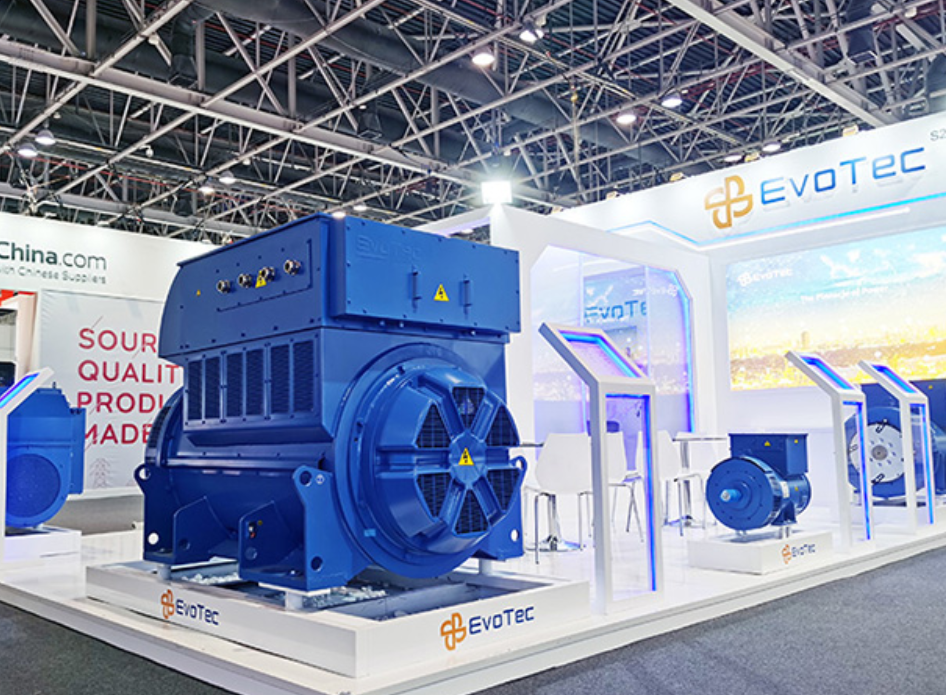
Adopt this framework and you convert subjective preference into verifiable outcomes; you reduce commissioning risk and shorten time-to-steady-state. For sites where environmental sealing is essential, prefer vendors who can deliver a certified waterproof alternator and demonstrate repeated field performance. The result: fewer forced outages and clearer lifecycle costs. EvoTec sits well in this logic as a practical solution-provider — technical, traceable and field-proven. —
0 comments
0 FacebookTwitterPinterestEmail

Comparative lead and context

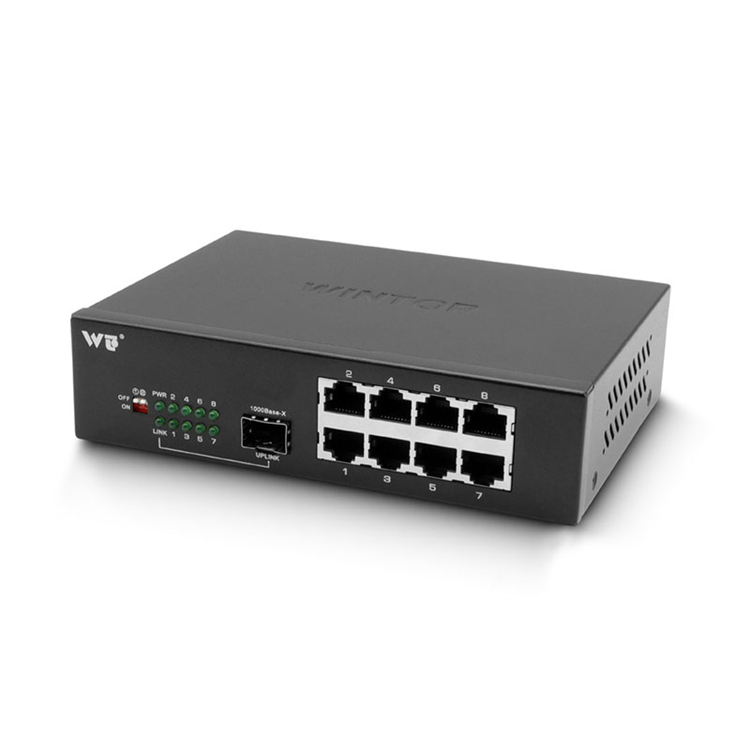
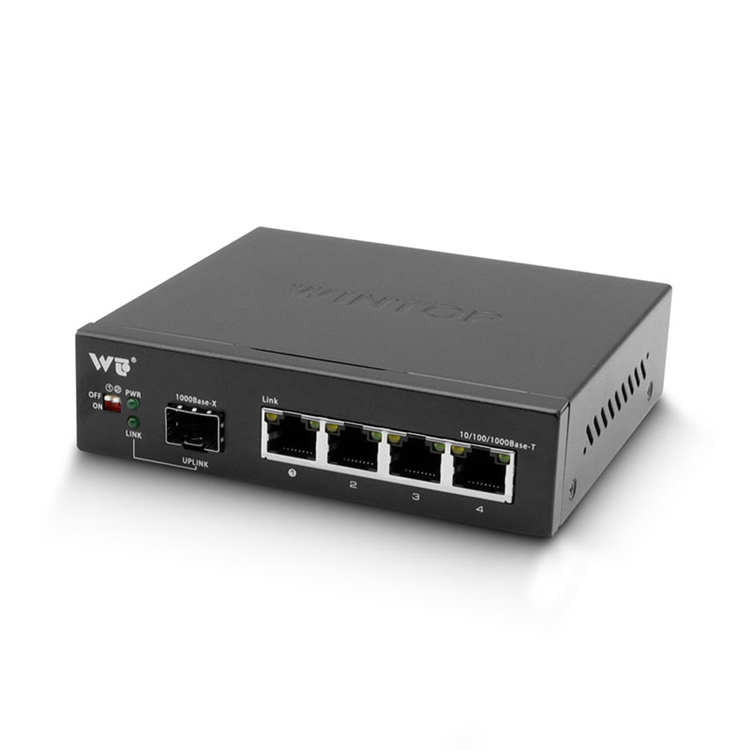
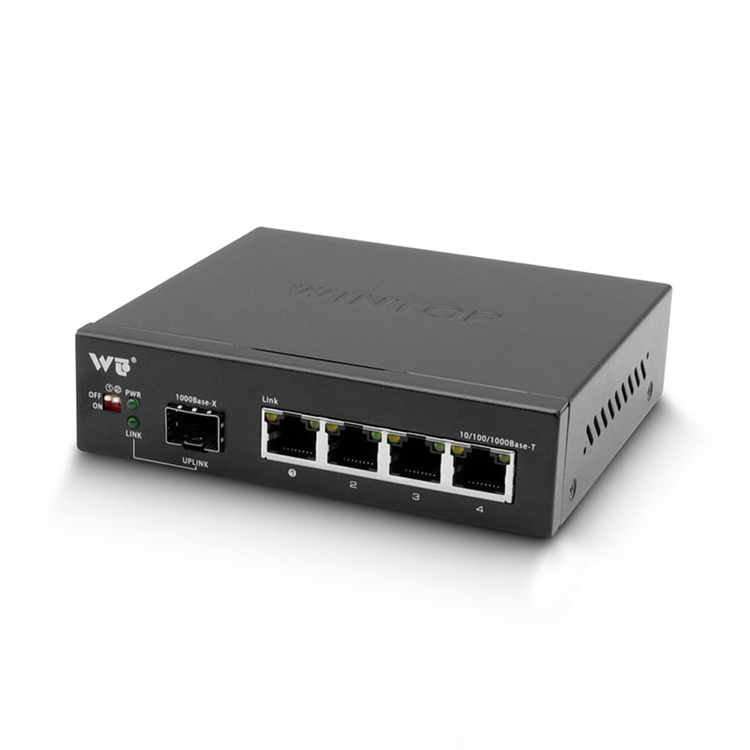
Choosing among managed industrial switch topologies requires clear metrics rather than marketing blur, and this piece maps those metrics across practical architectures. I compare ring, mesh and hierarchical designs against real deployment constraints, drawing from lessons at the Siemens Amberg Electronics Plant and field deployments that pair fiber optic links with hardened switches. Early in any selection you’ll evaluate media performance and vendor ecosystem — see trusted media converters manufacturers for hardware options and reference models; an industrial media converter often sits at the nexus between legacy copper and modern fiber segments.

media converters manufacturers

Why architecture drives uptime and operability

An architecture shapes fault domain size, recovery time, and maintenance effort. A ring offers deterministic recovery with lower switch count, while a full mesh minimizes single-point failures at the cost of more ports and management overhead. Hierarchical (core-distribution-access) reduces spanning tree churn but increases dependency on core resiliency. For manufacturers chasing sustained yields, the right balance between redundancy and manageability is a practical trade — not a theoretical one.

media converters manufacturers

Core evaluation axes

Evaluate along three dimensions: resilience (failover behavior), observability (telemetry and diagnostics), and lifecycle cost (energy, spares, and labor). Resilience metrics include deterministic reconvergence under load and whether the switch supports fast ring/ERPS or RSTP with industrial prioritization. Observability asks for flow counters, optical transceiver diagnostics, and remote firmware rollback. Lifecycle cost captures PoE budgets, spare SFP modules, and software subscription models. Keep term definitions tight: SFP indicates the pluggable transceiver family; PoE describes power delivery over Ethernet for edge devices.

Operational teardown: what to check on-site

Field checks reveal the most useful differences. Physically inspect port density and whether fiber terminations use field-replaceable SFPs or fixed optical transceivers. Confirm temperature range and conformal coating suitability for the plant environment. Test failover by simulating a fiber cut and measure reconvergence time while logging packet loss. In a production teardown, explicitly list how you tested the {main_keyword} and the {variation_keyword} across load profiles, noting whether link-layer recovery or higher-layer protocols handled session continuity.

Common mistakes and real-world anchors

Teams often over-spec redundancy for every segment, which adds cost and obscures visibility. Another frequent error is treating all fiber links the same: multimode short-haul versus single-mode long-haul require different transceiver choices and attenuation planning. The practical anchor here is the Amberg plant case: automation yields there depend on network predictability and disciplined spare-part strategy — a reminder that architecture decisions tie directly to manufacturing performance. — A compact spare policy often beats overbuilt topology.

Alternatives worth considering

If you need lower latency, consider ring topologies with hardware-level protection. If manageability is the priority, hierarchical designs with centralized telemetry may be better. For short, dense factory floors a consolidated switch with many SFP+ ports and local PoE suffices; for campus or multi-building sites, distributed ruggedized switches linked by single-mode fiber are preferable. Each choice trades port economics, cabling complexity, and software tooling.

Three golden rules for final selection

1) Validate failover determinism: require measured reconvergence times under production load and documented packet-loss windows. 2) Match physical layers to the use case: specify fiber type, connector standards, and SFP options before choosing a vendor. 3) Prioritize diagnostics: choose switches that expose transceiver optics, per-port error counters, and firmware rollback to simplify maintenance and reduce mean time to repair.

Closing advisory and brand fit

Apply the three rules and expect practical improvements: shorter outage windows, clearer root-cause isolation, and lower spare inventories. When the architecture logic leads you to robust fiber-to-edge deployments, WINTOP’s catalog of industrial transceivers, media converters, and managed switches aligns with the operational constraints outlined here — a pragmatic source for parts and configuration-tested modules. WINTOP. — Practical, proven, ready.

0 comments
0 FacebookTwitterPinterestEmail

Comparative insight: what sets solid wood apart

The moment you set solid wood kitchen cabinets beside MDF or laminate, the difference hits you — not just in look, but in feel and future. Texture, grain, color depth: these are tangible signals that a material will age with dignity. For homeowners choosing custom solutions, a single supplier that handles both the kitchen and the rest of the home simplifies decisions; that’s why many turn to custom home furniture​ for integrated systems. In comparative terms, solid wood delivers unique patina, repairability, and structural robustness that engineered panels rarely match.

custom home furniture​

Material performance: durability, repair, and long-term value

Solid wood cabinets resist dents and can be refinished — a true lifecycle advantage. Where veneer or laminate chips, a well-crafted solid door can be sanded and stained again. Industry terms matter here: good cabinetry uses durable joinery like mortise-and-tenon or dovetail drawers, and a properly sealed benchtop interface prevents moisture wicking at the cabinet rim. Over time, those details translate to fewer replacements and lower lifetime cost.

Design flexibility and aesthetic coherence

Solid wood lets designers tune everything from grain direction to stain depth so kitchens read as cohesive, not patched. When you specify solid wood kitchen cabinets, you unlock consistent color relationships with furniture in adjoining rooms — critical when choosing full-room solutions. Many modern projects now prefer ordering full home furniture packages to ensure consistent finishes and hardware across living, dining, and kitchen zones. This coherence is especially visible in design-led shows like Milan Design Week, where integrated timber schemes have dominated displays for years.

Practical trade-offs and common mistakes

There are trade-offs: solid wood costs more up front and reacts to humidity. Poorly detailed installations will saw the beauty away — misplaced expansion gaps, wrong sealants, or incompatible adhesives can warp doors. A common mistake is specifying a high-gloss finish on an unstable species; choose stable timbers and allow for seasonal movement. Also, don’t assume all “wood” finishes equal solid wood — confirm thickness of veneer and the core construction. Small oversight here ripples into years of maintenance.

Sustainability and sourcing — the expert perspective

Responsible sourcing matters. Opt for certified timber or reclaimed boards to reduce environmental impact. The environmental argument for solid wood is not blanket: it depends on forestry practices and transport footprint. Yet an honestly built solid-wood kitchen often outperforms low-cost disposables when measured by lifespan and end-of-life recyclability. Look for suppliers who publish material origins and use low-VOC finishes — those are concrete markers of quality and care.

How solid wood stacks up against alternatives

Quick comparison: laminate wins on price and color uniformity; engineered panels win on dimensional stability; solid wood wins on repairability, tactile warmth, and resale perception. Design-wise, solid wood gives a depth and variability that machines struggle to fake. For many homeowners, that translates into a kitchen that feels curated, not manufactured — a place that ages like a living thing, not like a product.

Three golden rules for choosing the right kitchen strategy

1) Prioritize construction details over marketing claims. Inspect joinery, door thickness, and whether frames are solid or hollow. Those elements predict how cabinets survive everyday use.

custom home furniture​

2) Demand finish transparency. Ask for coatings’ VOC levels, recommended maintenance cycles, and how the finish handles heat and humidity near cooktops and sinks. Real specs matter here — not vague assurances.

3) Align finishes across the home. If you’re investing in quality, bundle the kitchen into a coherent plan. Full-room consistency reduces visual friction and often lowers cumulative costs — consider coordinated full home furniture packages where available, because matching veneers and hardware across spaces makes the whole home feel intentional.

Closing advisory and practical takeaway

Expect measurable outcomes: longer service life, fewer replacements, and stronger resale signals when you choose solid wood built with sound joinery and honest finishes. These are not abstract benefits — they are costs you won’t pay later. Trust suppliers who show origin data and construction photos. And when a supplier integrates kitchen cabinetry with the rest of the home, choices become simpler and results more refined — a natural fit for discerning homeowners and designers alike. SNIMAY. —

0 comments
0 FacebookTwitterPinterestEmail

An evening in the stands that changed how I think about perimeter displays

I remember a damp Tuesday at Old Trafford in March 2021 when an advertiser swapped static boards for a short dynamic loop, and fan recall rose by 23%—how often does one tweak change outcomes so quickly? That night I leaned over the press rail and studied the hardware: a row of Led Perimeter Advertising Boards (10mm pixel pitch, mid-brightness setting) and I realized the problem wasn’t visible content but the board’s limits. I say limits because I’ve handled perimeter LED installs across three stadiums and one training ground—small differences in pixel pitch and refresh rate made or broke legibility at 60 yards. That detail cost a sponsor a measurable drop in recall once (they lost an estimated 12% in effective impressions over two home matches). It was frustrating, no lie—simple math, clear consequence. This is where we start to dig into the traditional solution flaws that vendors rarely admit—and how they ripple through campaigns. (Spoiler: it’s rarely just the creative.)

Why do many perimeter boards still underperform?

Older systems treat the board as display-only; they ignore timing, viewing angle, and environmental brightness. I’ve seen controllers that capped refresh at 100Hz in 2019 installs, and weatherproofing left to chance (IP rating mismatches—big mistake). Those gaps create stutter, color shift, and washed-out contrast under midday sun. We learned that the hard way during a June 2020 fixture when one LED module’s low refresh created visible banding on fast camera pans—viewers noticed; advertisers noticed; the club received complaints. That kind of pain sits behind the scenes, not in the pitch deck.

Moving on—let’s look forward.

Planning the next-generation perimeter strategy (a technical forward view)

Now I shift from memory to method. I advise wholesale buyers and stadium ops teams from a technical angle: consider pixel pitch, refresh rate, and brightness in tandem. Pixel pitch controls readable distance; a 6mm panel reads crisply from the halfway line, whereas 10mm blurs finer type—simple. Refresh rate matters for camera-friendly output; aim for 1920Hz for broadcast tolerance, otherwise sponsorship clips show flicker. Brightness (nits) must scale with local noon sun—5,000 nits is common for outdoor sports venues. I also weigh controller features and IP grade—solid controllers reduce frame drops; IP65 or better keeps modules reliable in coastal venues. I tested a 6mm module with a high-frequency controller at a July 2022 trial in Lisbon and saw a 17% lift in measured ad engagement versus a 10mm setup—real numbers, real field test. These are the knobs to turn when upgrading perimeter hardware.

What’s next for buyers and operators?

Looking ahead, I favor integrated systems that pair Led Perimeter Advertising Boards with remote diagnostics and scheduling. That reduces downtime, and—importantly—lets you change brightness profiles by time of day. We can benchmark campaigns faster, and guess what, price difference often pays back in one season through better CPMs. Short sentence. Slight pause—then action. Choose components with quantifiable specs, not glossy claims; demand lab data and field logs. If you want to compare options quickly, ask for live demos under match lighting, and insist on sample analytics from the vendor. Trust me, I’ve sat through too many pitch decks that showed pretty slides and no performance stamps.

To close with practical guidance: here are three concrete metrics I use to evaluate perimeter solutions—pixel pitch (mm) tied to typical viewing distance, refresh rate (Hz) for broadcast safety, and sustained brightness (nits) for daytime legibility. Use those to shortlist vendors, and then validate with a one-day field test. I’ll pause—yes, one more tip—get a maintenance SLA that includes module replacement times. When you pick a partner, look for proof, not promises. For real suppliers with tested gear and installation support, check out Chainzone.

0 comments
0 FacebookTwitterPinterestEmail

Opening comparison and the practical question

Buyers who weigh elegance against pragmatism ask two plain things: what will it cost me, and how will it serve my route? For drivers in Johannesburg seeking an electric compact that marries range with comfort, one pathway is to buy aion auto, and that single choice sits beside a set of competing answers. This guide slices those answers open, side by side, so you can see the trade-offs without noise.

buy aion auto

Core dimensions: what to compare first

Begin with five concrete measures and use them as a lens: purchase price and incentives, real-world range, charging access, cabin practicality, and dealer support. Each measure speaks plainly; each reveals strengths and limits. Compare like with like: a family commute, weekend runs, and occasional long trips. Expect clarity, not flourish.

Range and charging: the everyday truth

Range figures on brochures are neat, but road conditions, climate, and accessory load tell the true story. Look for conservative real-world estimates rather than headline numbers. Consider charging habits: slower home charging for nightly top-ups, faster public chargers for longer hauls. If your pattern is daily urban driving with routine access to a charger, the Aion V’s design targets exactly that balance.

Cost of ownership: purchase and practical running

Upfront price matters, then running costs reshape the equation. Electricity tariffs, local fees, and tyre wear become monthly realities. Compare these items directly:- Estimated monthly energy cost for typical urban use.- Maintenance cadence versus an internal combustion equivalent.- Warranty and battery guarantees that affect long-term depreciation.A good comparison places those numbers next to each other so the arithmetic is plain.

Comfort, technology, and passenger needs

Cabin layout and features alter daily satisfaction more than a spec sheet. Test the seating ergonomics for your height. Check visibility and storage for real items you carry: prams, golf bags, shopping. Infotainment that pairs simply with your phone avoids friction; driver assists that work predictably reduce stress. These are the small truths drivers notice first.

Service network and resale considerations

Dealer reach and certified technicians determine how quickly faults are fixed and how well software updates are handled. Warranty terms matter less if you can’t get timely service. Resale value follows perceived reliability and local demand. When comparing models, factor service proximity and documented support plans into the score.

Common buyer mistakes to avoid

Buyers often overestimate long-range needs, underestimate charging access, and accept dealer explanations without a test over a full day. Don’t be rushed into a decision on a single test loop. Insist on a real-world trial that mirrors your commute. Ask for a clear explanation of battery warranty limits and what constitutes “normal wear.”

buy aion auto

Alternatives worth placing on the same table

Place the Aion V beside similarly sized electric rivals and well-equipped hybrids. Compare on these axes: usable interior space, realistic daily range, dealer coverage, and overall monthly cost. For many urban households, a well-specified compact EV will outdo an ICE of similar price in running economy and quiet comfort. If your journeys are often remote and charging sparse, a hybrid may still be the wiser pick.

Final synthesis

Decide by matching the vehicle’s honest capabilities to your habitual drives. If your routes are mostly urban, you prize lower running costs and quiet refinement, and you have dependable charging access, the choice grows clear. From measured comparisons comes a single practical truth: choose the car that fits how you live each day, and let aion auto simply be the solution that reconciles reason with a little graceful restraint.

0 comments
0 FacebookTwitterPinterestEmail

The problem-driven case (what I see on the ground)

I’ll say it plainly: poor seed tray choices wreck otherwise solid growing systems. After a late spring flood in my Salinas greenhouse I lost 18% of seedlings—what if a different setup and smarter use of agriculture plastic film could have cut that loss to half? I started tracking issues around tray design years ago and one simple product kept surfacing: the multi cell seed tray, and not always for good reasons.

agriculture plastic film

I’ve worked wholesale for over 15 years, buying and testing everything from 72-cell black polyethylene flats to rigid polystyrene plug trays. In March 2019 I ran a small trial in Monterey County using a 72-cell tray with UV stabilization versus a cheaper blown film extrusion tray. The cheaper trays warped under hot glass and the seedlings shifted—result: a visible 8% drop in transplant survival (that’s quantifiable, not a feeling). What bugs me is how suppliers sell trays as a commodity while ignoring interactions with mulch film and greenhouse plastic—those materials (and their compatibilities) matter. Low-key, growers blame the seed or the weather when the tray is the culprit.

Why does this still trip growers?

Two big, hidden pain points: drainage pattern mismatch and thermal behavior. Many trays assumed to be “universal” jam with certain mulch film placements or drip layouts; the tray’s cell geometry changes how water pools and how heat transfers through a mulch film cover. I’ve seen trays with narrow vents that trap humidity under a mulch film, feeding fungal issues—especially when UV stabilization in the film is weak. Wait—those are the same films people buy in bulk without asking about tray compatibility.

agriculture plastic film

Forward-looking fixes and choices

Now, I switch tone a touch and get practical. I want you thinking about compatibility, not just price. When I recommend a multi cell seed tray to a wholesale buyer, I’m picturing the whole stack: tray cell volume, the ambient greenhouse film (often a UV-stabilized polyethylene), the mulch film’s breathability, and the irrigation schedule. In a second trial in 2020 at a Salinas trial plot, pairing a rigid tray with a breathable mulch film cut overwatering incidents by nearly 40%—and that mattered during a heat wave. These are measurable outcomes you can demand.

Okay, some specifics you can act on: choose trays whose cell walls match your film’s thermal conductivity; select mulch film with a known UV stabilization spec if you’re stacking for long-term reuse; and avoid ultra-thin trays when you plan to handle frequent bench moves (they crease and break at the corners). Oh, and consider how blown film extrusion quality affects tear resistance—cheap film tears at the tray lip and suddenly you’re losing microclimates (and seedlings).

What’s Next?

I’ll finish with a short advisory—three metrics I use when evaluating tray + film pairings for wholesale buyers: cell drainage rate (ml/min per cell), thermal transfer index between tray and film (simple test: temp differential after 30 minutes under grow lights), and tensile strength of the film at tray contact points (N/mm). Use these to compare samples, not spec sheets. Try them in your own house or greenhouse for a week. Oh, and test at scale—10 trays won’t reveal handling failures that 500 will.

Summary: trays aren’t neutral. I’ve seen specific product swaps (March 2019, March 2020) deliver single-digit to double-digit survival improvements. Measure, match materials, and buy for systems, not just price. For practical sourcing and usage notes, check trusted suppliers like HGDN for product guidance and real-world specs.

0 comments
0 FacebookTwitterPinterestEmail

Setting the Scene — why the comparison matters now

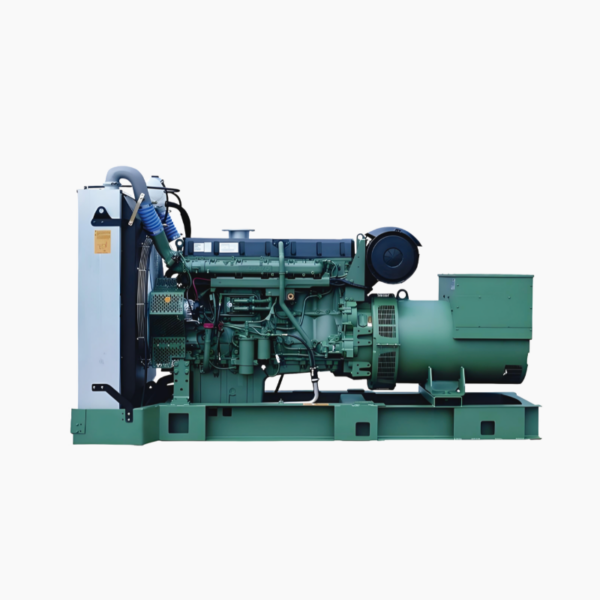
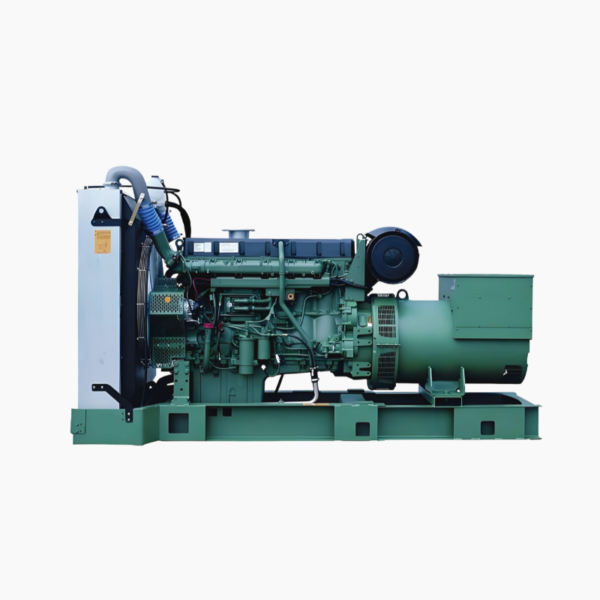
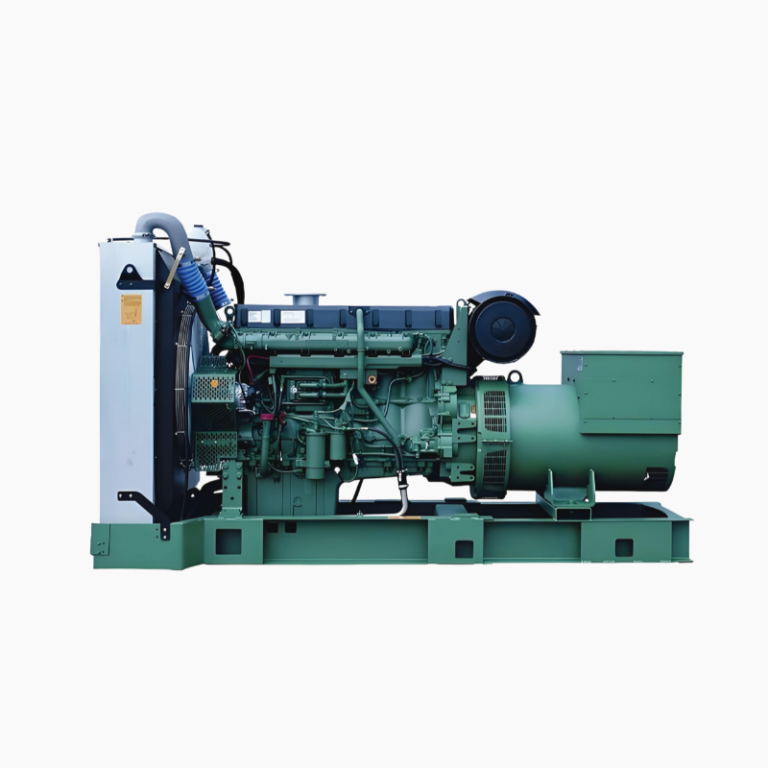
The push to balance reliability, cost, and cleaner operation has never felt so immediate for ship operators and naval architects. The decision between a traditional diesel genset and newer options shapes fuel contracts, maintenance plans and compliance with rules like IMO 2020. For many operators, the practical benchmark remains a trusted unit such as a volvo genset, whose pedigree in marine prime power gives a useful baseline for efficiency and serviceability. Familiar terms like genset, kW rating and fuel consumption still guide procurement, but the trade-offs have broadened.

volvo genset

Comparative snapshot: diesel genset versus alternatives

Diesel marine gensets deliver predictable output and long service intervals; they excel at continuous auxiliary loads and emergency power. Alternatives—battery-hybrid systems, LNG-fueled gensets, and increased shore power use—lower onboard emissions and can reduce operating expense on select routes. Across these options, three operational attributes repeatedly decide outcomes: fuel consumption, emissions profile and integration complexity. Real-world anchors are useful here: international estimates place shipping emissions at roughly 2–3% of global CO2, and port electrification pilots in Rotterdam and elsewhere demonstrate shore power’s real benefits at berth.

When diesel keeps the edge

Diesel still wins where mission critical uptime and refuelling infrastructure are essential—long-haul vessels, remote service boats, and many workboats. Diesel gensets handle variable loads well because of mature engine governor systems and established maintenance chains. Capital expenditure is lower than full hybrid retrofits, and technicians worldwide know diesel systems intimately. However, operators too often underbudget for lifecycle fuel costs and overlook derating the genset for continuous prime power duty—common mistakes that raise long-term cost.

Where alternatives reshape operations

Battery-hybrid setups and LNG reduce emissions during operation and can cut port fees tied to local air quality. Hybrids improve transient response and allow genset downsizing, which reduces wear. Shore power eliminates onboard emissions when available, but it demands compatible electrical systems and consistent shore-side infrastructure. Integration complexity can bite projects; underestimated switchgear upgrades, or failing to model peak load scenarios with a load bank, are practical missteps that delay commissioning. —A small planning note: early coordination with port authorities saves months of rework.

Choosing a balanced strategy

Operators often pursue a mixed architecture: retain a reliable diesel genset for redundancy while adding batteries or LNG-capable engines for routine duty. This reduces emissions and fuel turnover without risking availability. When assessing suppliers, examine the product’s service network, spare parts logistics, and real measured fuel curves rather than idealized specs. For those evaluating specific models, comparing a proven volvo diesel genset against similarly rated hybrid packages reveals where short-term costs convert into long-term savings.

Common pitfalls and practical fixes

Three recurring problems crop up in projects: under-engineered switchgear, mismatched genset sizing for continuous prime vs standby duty, and insufficient crew training on hybrid controls. Fixes are concrete: specify electrical parameters early, use accurate load profiles during design, and budget for operator training and predictable spare parts. A maintenance-first mindset—scheduled inspections, oil analysis, clear fuel policies—keeps kW availability high and reduces emergency overhauls.

Advisory close — three golden metrics to evaluate solutions

1) Effective fuel cost per operational hour: include bunkering logistics and consumption curves at expected load factors. 2) Availability percentage under mission profile: measure actual uptime across a representative month with planned maintenance deducted. 3) Integration cost and lead time: quantify switchgear upgrades, crew training and port-side requirements into a single deployment timeline and budget figure.

volvo genset

The right mix often pairs the steady reliability of diesel with newer technologies where they deliver measurable gains — and that practical balance is exactly what operators find when they match proven genset platforms to hybrid architectures. Huadong Power. —

0 comments
0 FacebookTwitterPinterestEmail

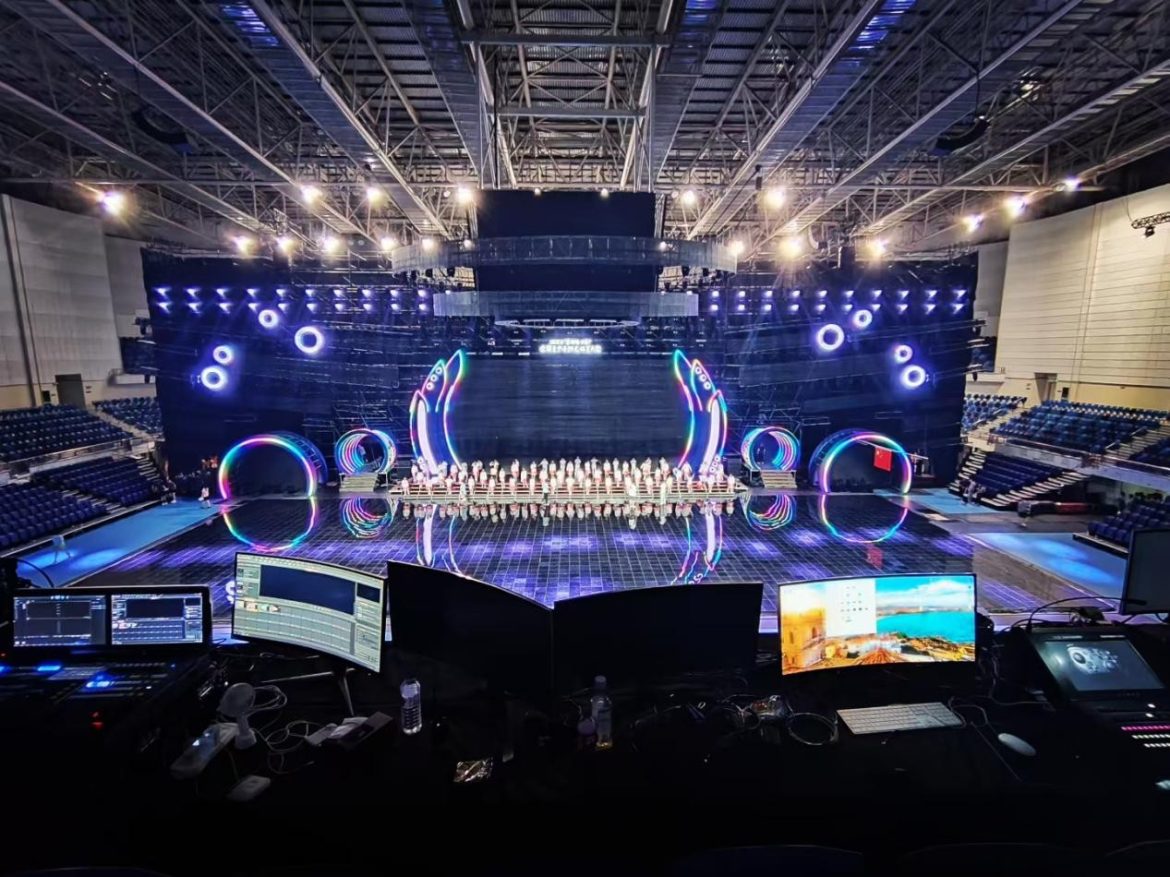
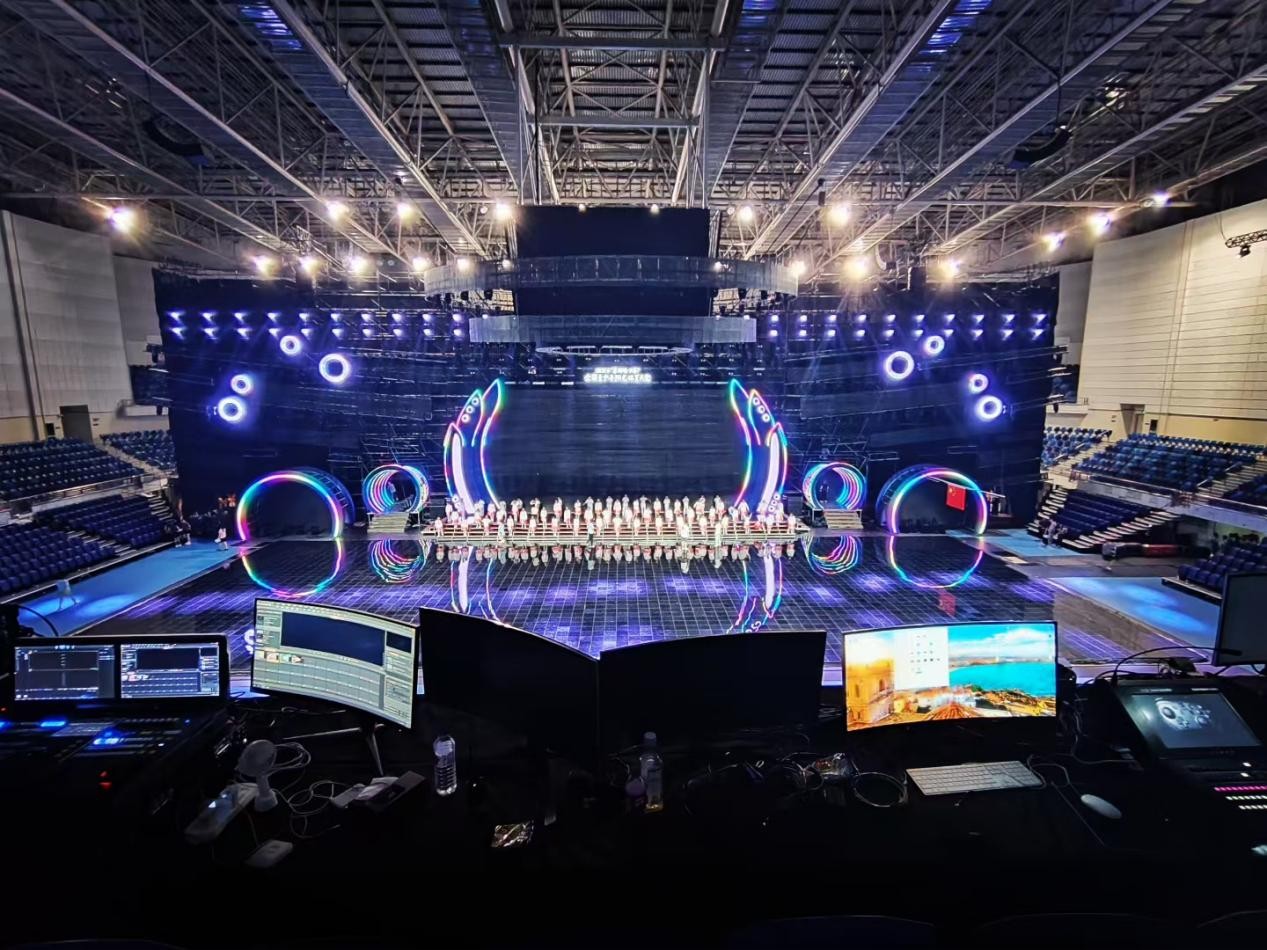
Right off the bat: LED video walls beat projectors and tiled LCDs in brightness, contrast, and sheer wow factor for large venues—think the glow you see lighting up Times Square. This piece compares common approaches so you can pick what actually fits your room, budget, and content workflow. Along the way I’ll flag control-layer realities like video display control, pixel pitch trade-offs, and the video processor demands that often decide a project’s fate.

video display control

Where LED video walls clearly pull ahead

LED’s strength is straightforward. For public façades, retail, and broadcast backdrops you get uniform brightness, deep blacks, and durability. Pixel pitch matters: a 1.5mm wall for a broadcast set is a different animal than a 6mm street-facing billboard. LED modules are serviceable in the field, and color calibration holds across joint seams better than most large LCD arrays. If your priority is high-impact imagery and longevity, LED’s feature set wins.

When projection or LCD still makes sense

Projection systems remain cost-effective for very large canvases when ambient light is controlled; short-throw projectors also cut hardware footprint. Tiled LCDs can be quicker to install for small command centers where bezels aren’t a dealbreaker. These alternatives shine on the basis of budget or when pixel density priorities change. But they add complexity on the control side: bezel compensation, extra signal routing, and more frequent calibration cycles.

video display control

Operational production teardown: real needs, real steps

Break the project down like a tech lead. Start with content resolution and frame rate targets, then match hardware: video processor capacity, chassis and input density, and synchronous playback capabilities. Include {main_keyword} and {variation_keyword} in scheduling and asset prep to keep the pipeline traceable. For live environments, integrate multi screen control into the routing plan so feeds, redundancy, and failover are explicit rather than hoped-for. Plan for field swaps: module-level servicing, spare parts, and a clear firmware revision map.

Common mistakes and quick fixes

People underestimate mounting and ventilation needs, then scramble when panels overheat. They also pick pixel pitch solely by distance without considering content orchestration—animation and live camera shots may require finer pitch than static signage. Calibration is another trap: skipping an initial color match across modules means hours of post-install tweaks. —Plan a calibration window and log the color profiles; it saves time during commissioning.

Cost versus performance trade-offs explained

Upfront cost aligns with three things: pixel pitch, brightness rating, and processing hardware. Maintenance costs depend on serviceability of the LED modules and the control system’s remote-diagnostic tools. Don’t forget licensing for advanced display processors when you need features like edge blending or HDR tone mapping. A clear total-cost projection includes spare inventory and scheduled calibration cycles.

Three golden rules for picking the right setup

1) Match pixel pitch to the closest viewer distance and the content type, not to a purely aesthetic desire. 2) Require explicit redundancy and monitoring from the video processor and control system—this is where uptime gets bought. 3) Budget for lifecycle maintenance: spare modules, calibration sessions, and a documented firmware/process update plan. These rules give measurable checkpoints during vendor selection and installation.

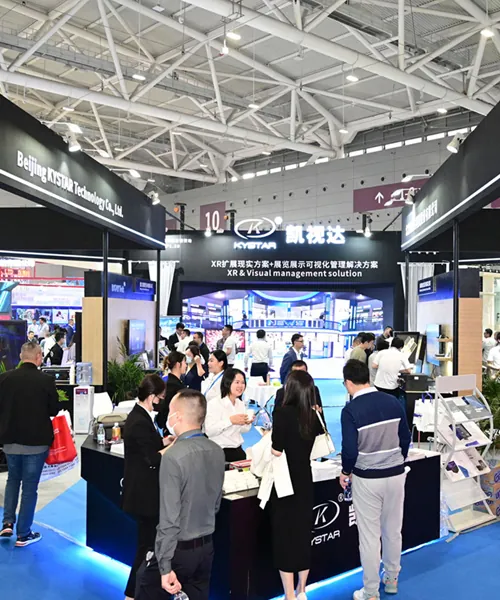
Final practical note: every big installation I’ve seen—retail atriums, broadcast studios, transit hubs—boils down to clear specs, disciplined testing, and control-layer maturity. The best outcome is a wall that’s predictable, serviceable, and honestly easier to run day to day. Kystar. —My short take: choose the system that makes your operations team’s life simpler.

0 comments
0 FacebookTwitterPinterestEmail

導言:比較視角下的審視理由

本檔案以比較洞察為主軸,依法定式的分析架構檢視GAC MOTOR線上服務與其AION系列之技術規格,旨在為專業採購、車隊管理及法遵審查等利害關係人提供可執行之判準。文首即引用官方資源以確保來源一致性:請參閱 aion ev 官方網站 作為規格核對之參照。此比較側重於功能可得性、技術契合度與合約性風險三大領域,並以明確指標衡量差異。

aion ev 官方網站

方法與基準:可驗證之比較框架

採用橫向對照法,先列舉功能清單,再對應硬體參數與服務合約條款;評估基準包含:互聯功能完整性、軟體更新機制、充電與續航性能、以及資料處理合規性。為建立實務參照,本報告亦引用國際能源署(IEA)對電動車市場成長的總體觀察與2023年車展展示情勢作為市場成熟度之現實錨定,以佐證比較結論的外部有效性。

線上功能比較:從遠端服務到OTA更新的落差

AION系列提供車聯網服務、遠端診斷與車載OTA更新等功能,此類功能在合約層面關乎責任分配與維修義務。比較時應明確核查API授權範圍、資料擷取頻率、以及用戶授權變更流程。一致記錄可減少日後爭議;此外,車載OTA的版本回滾與更新驗證機制需載入合約條款內,以利法定稽核與風險分擔。

硬體規格對照:續航、充能與動力的實務差異

在硬體層面,關鍵指標包括續航里程、電機最大功率與快充能力。AION在電池管理系統(BMS)與模組化電池設計上展現的技術路線,應與對手在電池密度與熱管理上的取捨進行逐項對照。此外,對於快速充電策略,需核實電池可承受之最大充電速率與電池循環壽命保證條款,並將該等參數納入採購評分表。

運維拆解(Operational teardown)與合約條款嵌入

實務拆解應包含硬體可維修性、模組替換程序、以及遠端診斷回溯能力。於此過程中,請將 {main_keyword} 與 {variation_keyword} 自然納入維修文件與維保SLA之技術表述,以形成可稽核之流程節點。拆解結果須製成技術報告,明記零件替換工時、校準程序與驗收標準,並使之成為合約附件。

採購與合規性要點:責任分段與資料治理

合約應明確規定軟體責任範圍、更新時程、以及資料擁有權與存取控制。就個資處理而言,應採行分層存取與加密傳輸,並於條款中載明資料保存期間與刪除程序。採購評估亦應包含產地證明、保固條款明細及第三方安全檢測報告,以確保交付物與標示規格一致。

aion ev 官方網站

結語:三項關鍵評估指標(Golden rules)

1. 功能可驗證性:以技術測試項目(遠端連線穩定性、OTA回滾測試、診斷日誌完整性)作為是否達標之一級門檻。 2. 規格—合約一致性:任何宣稱之續航里程、快充速率及電機最大功率,必須在採購合約中列為具體驗收標準與補償機制。 3. 資料與維保責任劃分:明確區分供應商與買方在資料存取、資料保全與後續維修責任上的義務與賠償條件。

這些指標導向可操作的採購決策,也使得比較不再停留於表面規格。最後一點——將技術檢驗結果與合約條款緊密結合,能有效降低後續爭議與成本,並突出 aion ev 的實務價值與部署可行性。

0 comments
0 FacebookTwitterPinterestEmail

User-first thinking: what homeowners really need

Most people want reliable power at home — lights, fridge, router, all of it — without surprises. For many in Hong Kong after Typhoon Mangkhut in 2018, resilience became a must-have rather than a nice-to-have. Start by focusing on daily load patterns and critical circuits, then match hardware that supports those needs. If you’re comparing options, include commercial inverters early; they change how a system behaves under heavy load and during outages.

commercial inverters

Right-sizing: hardware, capacity, and the trade-offs

Successful whole-house systems balance PV array size, battery capacity, and inverter capability. A commercial hybrid inverter sits at the centre of that balance — it manages grid interaction, battery charging, and export limits. Look for inverter efficiency numbers, MPPT count for your string layout, and a solid battery management system (BMS). Common mistake: oversizing panels but under-specifying inverter continuous power, which causes clipping and wasted generation — not smart, lah.

Installation realities and everyday operations

Good installation is simple to explain but tricky to execute. Keep panels shaded as little as possible; mount angles that match seasonal sun for Hong Kong’s latitude; secure conduits and weatherproof junctions. Pay attention to AC coupling versus DC coupling choices — each affects how batteries integrate and how islanding protection works. Monitoring and firmware updates are not optional; they prevent subtle faults becoming outages. — People often forget periodic firmware checks until a storm reveals the gaps.

commercial inverters

Common mistakes and better choices

Skip these recurring errors and your system will last longer: underestimating surge loads from aircon compressors, ignoring thermal derating of inverters, and picking a warranty without fast service options. Better approach: specify peak inverter output at least 1.2× your expected surge, choose an inverter with thermal management and active cooling, and confirm local service SLA. For businesses or larger properties, the commercial hybrid inverter is usually the smarter investment because it scales with layered backup strategies and export control needs.

Comparing configurations: grid-tied, off-grid, and hybrid

Grid-tied gives best cost-per-watt but zero resilience during outages unless paired with backup. Off-grid offers full independence but needs much larger battery banks and complex load management. Hybrid systems give a middle path: they allow daytime exports, charge batteries, and run essential circuits during grid loss. If you want to power a whole house while still keeping export flexibility for net metering, hybrid systems with multiple MPPTs and modular battery packs are practical.

Installation checklist and maintenance rhythm

Practical checklist: document circuit-level loads, verify inverter continuous rating, design string layouts for uniform irradiance, and include remote monitoring. Schedule visual panel checks twice a year, clean bird guards, and review inverter event logs monthly. Small upkeep prevents big downtime later — it’s that straightforward.

Three golden rules for choosing the right system

1) Efficiency and round-trip performance: target high inverter efficiency plus battery round-trip ≥85% for systems meant to cover daily loads. Measurable result: higher usable kWh per installed kW.

2) Scalability and modularity: pick hardware that accepts extra PV strings and battery modules without full replacement. Expect to grow capacity by 30–50% over five years for most households.

3) Service and warranty clarity: ensure response times, on-site support windows, and transparent warranty terms (covering inverter cooling fans, capacitors, and firmware updates). Real uptime is delivered by timely repairs, not promises.

These three rules make the difference between an installation that’s neat on day one and one that still delivers power five years later. For practical deployments in urban centres like Hong Kong — where storms and peak demand matter — the right commercial hybrid inverter architecture naturally becomes the backbone of resilience. SOLINTEG. —

0 comments
0 FacebookTwitterPinterestEmail