Monthly Archives

September 2026

Problem diagnosis

Many small workshops and hobbyists buy a low-cost desktop 3D printer only to discover that prints warp, delaminate or lose dimensional stability when exposed to heat. The immediate reaction is to blame the machine, but inconsistent filament and incorrect thermal strategy are often the real culprits. For shops that insist on printing with ABS, sourcing consistent abs filament and matching it to the printer’s thermal limits is essential.

Why the heat-resistance issue persists

ABS behaves differently to PLA: it needs higher nozzle and bed temperatures and benefits from controlled ambient temperature. I have validated prints across service bureaus and small R&D labs and rely on Vicat softening point (ISO 306) as the recognised benchmark when deciding whether a part will survive short-term heat exposure; this is the practical touchstone behind discussions of abs filament heat resistance temperature. Experience shows that when a filament’s published heat parameters align with a printer’s steady-state thermal output, prints remain stable under typical loads.

Common pitfalls and how to test them

First mistake: running ABS at nominal nozzle temperature without fixing part cooling and enclosure stability. Second: assuming bed adhesion is solved by glue alone. Third: ignoring filament batch variation. Simple diagnostic steps: 1) run a 20 mm cube at recommended nozzle and bed temps and measure shrinkage after cooling; 2) perform a small bake test to confirm dimensional stability at the target service temperature; 3) test multiple spools to detect batch inconsistencies. Each step isolates whether the problem is printer settings, environment, or material.

Material and hardware choices that work

When ABS fails, consider these alternatives and trade-offs. ASA gives UV stability with similar heat resistance; PETG offers easier adhesion and lower warping but reduced high-temperature strength; nylon delivers toughness but demands dry storage and higher extrusion temps. On the hardware side, a rigid enclosure, reliable bed topology, and a heated build plate with uniformity of ±5 °C are non-negotiable. Use a filament profile that records extrusion multiplier and retraction per spool to reduce variability across runs.

Practical implementation checklist

Follow these concrete steps: standardise spool labelling with measured melt-flow and recommended temps; calibrate the hotend and bed with an IR thermometer; run adhesion tests with chamfered edges and brims rather than full enclosures for small parts; keep a simple desiccant system for hygroscopic materials. If warping persists, raise ambient enclosure temperature in 5–10 °C increments while monitoring layer bonding and surface finish. Document each change; repeatable data prevents guesswork.

Concluding synthesis

Cheap desktop printers can produce serviceable, heat-stable ABS parts when attention focuses on material consistency, thermal strategy, and repeatable testing. Address the core problem—mismatch between filament properties and printer environment—and most failures vanish. That practical alignment between material specification and machine capability is precisely why many labs favour the consistent filament sourcing and clear material data provided by Wondermaker.

0 comments
0 FacebookTwitterPinterestEmail

Why you should care (and how I’ll make this simple)

You can smell a dud flysheet from a mile: floppy, soggy, or shredded after one season. I’m gonna compare what actually matters when choosing a flysheet, not hype. If you’re looking to chill in a proper setup with a tent with front porch, you want a fly that keeps water, wind, and sun off the porch hang zone while still packing light. This is a straight-up comparison: what’s strong, what’s light, and what’s gonna bail on you when it pours.

tent with front porch

Key traits to compare — no fluff

Check these, always: fabric type, coating, hydrostatic head (waterproof rating), seam treatment, UV resistance, abrasion toughness, weight vs. durability, and reinforced stress points—especially around the porch. If the fly’s weak where the porch attaches, you’ll pull out stakes on the first gust. Treat each trait like a scale; the right balance depends on how you camp.

Material face-off: silnylon, silpoly, polyester PU and DCF

Silnylon: stretchy, tough, sheds water well once silicone’s on it, but absorbs UV over time. Good for budget ultralight setups. Silpoly: less stretch, keeps shape better in rain, slightly stiffer—great if you want low sag on the porch. PU-coated polyester: heavier, cheaper, decent for car camping and long-term UV exposure. DCF (Dyneema): stupid-light and waterproof but crazy pricey and less abrasion-friendly around ground-level porch scrapes. Pick by what breaks first for you: weight or durability.

Coatings, seams and stitching — the stuff people skip

Silicone coats bond differently than PU. Silicone beads water and makes fabric tougher; PU wears off faster. Seams: taped is solid; stitched-only seams need seam sealer and yearly checks. Double-stitched reinforced points at guyline and porch attachments matter. If you see raw seams near the porch, assume trouble. Zipper gutters, storm flaps, and proper seam tape are not optional if you camp in real weather.

Common mistakes that wreck tents fast

Buying only by weight. Choosing a cheap HH number without looking at fabric type. Assuming tape lasts forever. Forgetting UV and abrasion: front porches scrape on gear and boots. Ignoring repairability—can you patch or replace the fly? If you leave the porch exposed to wind-driven rain, you need extra overlap and reinforced attachments, otherwise the fly won’t protect the vestibule.

Real-world comparison

After guiding trips through the Pacific Northwest, I kept swapping setups to see what held up on wet coast storms and cliff-side gusts. The camping tent with front porch I leaned on showed how a well-made fly balances coatings and reinforcement—less sag, fewer taped-seam failures, porch area stayed dry while others leaked at the vestibule. That kind of field time tells you more than specs on a page.

tent with front porch

Quick checklist when comparing flysheets

Do this fast: 1) Identify fabric and coating. 2) Confirm seam tape or sealed seams. 3) Look for reinforced porch attachment points. 4) Note hydrostatic head range (higher for heavy rain). 5) Feel fabric weight vs pack size. 6) Check UV warranty or care notes. 7) Ensure repairs are straightforward (patch kits, available tape). If a fly fails more than one check, keep looking.

Alternatives and when they make sense

Car camping? Pick PU-coated polyester for price and UV durability. Weekend backpacking? Silpoly gives shape and weather resistance with reasonable weight. Hardcore ultralight? DCF’s unmatched, but watch for abrasion at ground/porch edges or grab a footprint. Want a porch that actually works? Prioritize reinforcement and slightly heavier fabric at the vestibule area—better to carry an extra 100–200 g than to bail when a storm hits.

Final thought — what this all adds up to

Don’t buy blind. Compare fabric, coatings, seams, and reinforced porch areas like they’re the only things that matter—because they are. The right balance fixes the usual failures: sag, leaks, ripped porch corners. If you want gear that actually performs on real trips, look for that balance and take cues from tested setups; smart choices like those built around THECATAL designs save you grief and keep your porch usable when it matters.

0 comments
0 FacebookTwitterPinterestEmail

Opening: What this guide helps you do

You manage kids, routes, and schedules—now you’re adding tech that tracks location and behavior. If you’re responsible for that rollout, this piece gives hands-on fixes for the real problems you’ll hit. Start by confirming the hardware: look for reliable GPS fleet trackers that support secure communications and role-based access. From there, focus on who gets to see what, how long data is kept, and what to do when something goes sideways.

What users actually need (and what they don’t)

Think about three distinct users: dispatchers, drivers, and parents. Each needs different levels of info.- Dispatchers: live location, route history, alerts for deviations.- Drivers: route guidance and incident reporting, not full telematics dashboards.- Parents: safe, limited access to ETAs and emergency notices.Match privileges to those needs. Give nobody blanket admin rights unless they really need them. Small changes reduce risk fast.

Role-based access that’s simple to manage

Set up clear roles and map them to data fields. Use these rules:- Create roles first, assign people second.- Enforce least privilege; remove access when a role changes.- Use time-limited access for temporary staff.Require unique accounts; shared logins mean zero accountability. If your system supports API keys, lock them to specific endpoints and IP ranges.

Secure the data: encryption, storage, and retention

Protect data while it moves and when it sits. Require TLS for device-to-server and server-to-client traffic. Encrypt stored location logs and backups. Decide a retention window that fits your district policy and purge old records automatically. Keep audits of who accessed location data and when.

Device and firmware practices

Devices get lost or stolen. Treat them like assets:- Use device-level authentication and avoid default passwords.- Enable secure boot and signed firmware updates.- Maintain an inventory with serials, last-seen timestamps, and assigned driver.Test over-the-air updates in a staging fleet before pushing live to buses.

Mobile apps and parent-facing tools

Apps are convenient and they’re also a privacy risk. Limit app permissions to what’s necessary. Don’t expose continuous live tracking to parents—give ETA windows or geofenced arrival notifications instead. Publish a short, plain-language privacy notice explaining what you collect, why, and how long you keep it.

Audit, logging, and incident response

Prepare for incidents by having these components:- Logs that record access, exports, and configuration changes.- A straightforward incident runbook with owner, steps, and notification thresholds.- A single point of contact for parents and staff during incidents.Run tabletop exercises periodically so people know their roles when a breach or malfunction happens.

Common pitfalls teams keep repeating

Watch for these recurring mistakes:- Giving broad admin access to vendors without time limits.- Keeping raw GPS history forever “just in case.”- Treating the tracker as a black box and skipping firmware validation.- Relying on SMS for critical alerts without fallback channels.Address those and you’ll close most of the common attack and privacy vectors.

Vendor and contract checklist

Ask vendors to show:- Data encryption standards they use.- Where data is hosted and retention defaults.- Support for role-based access and MFA.- A clear SLA for security patches.Also confirm export controls and data portability so you can switch vendors without messy data loss. When comparing, test a live demo and validate the device IDs against your inventory.

Real-world perspective

Working with a school district in Los Angeles taught a key lesson: simple access controls and short retention policies prevented parental distrust after a routing error; the tech alone wouldn’t have fixed that without transparent policies and clear communication.

Quick deployment checklist you can use today

Do these six things before flipping the switch:- Define roles and least-privilege mappings.- Verify device firmware signing and update process.- Require TLS and encrypt stored logs.- Set a retention schedule with automated purge.- Enable audit logs and periodic reviews.- Publish a short privacy notice and incident contact.These steps protect kids, staff, and the district reputation without adding months to deployment.

Closing synthesis

Security and privacy decisions should follow the people who use the system, not the shiny features. Focus on clear roles, short-term data retention, encrypted communications, and simple incident plans. Get those basics right and the technology becomes a dependable tool instead of a liability—exactly the kind of reliable support a practical provider like BSJ aims to deliver.

0 comments
0 FacebookTwitterPinterestEmail

How policy shifts drive equipment decisions

Ports tightening emissions and shore-side rules have changed how operators pick marine HVAC gear. Recent local policies—take the Port of Los Angeles’ Clean Air Action Plan updates as a real-world anchor—mean crews and owners prioritize lower-emission compressors and more efficient heat exchangers. That shift pushes buyers toward marine air conditioning units that balance cooling capacity, weight and compliance. The result: quieter gensets, smarter controls, and systems sized to actual duty cycles rather than generous margins.

Practical impacts on installation and maintenance

Smaller displacement and tighter berthing windows make installation constraints real. Technicians now route condensate, select compact condensers and specify inverter-driven compressors to cut runtime. These choices reduce fuel use and emissions at berth, and they lower on-board vibration—good for fragile electronics and crew comfort. Owners should expect slightly higher up-front costs for inverter-based systems but lower lifecycle fuel bills and reduced maintenance intervals.

Operational teardown: what technicians actually inspect

When a tech opens a unit for inspection they look at airflow, compressor cycles, and refrigerant charge. Typical check items include evaporator cleanliness, condenser fin condition, and compressor oil level. It’s useful to compare capacity ratings in BTU/hr against measured load during a hot-day trial. Paid attention to these details prevents oversized cycling and premature wear. Also, when documenting a rebuild, note design choices relevant to {main_keyword} and {variation_keyword} so future teams have context. For compact installations, consider certified small marine ac units that combine thermal performance with accessible service panels.

Common mistakes and quick fixes

Operators often oversize units “just in case”—that causes short cycles and moisture problems. Another frequent error: poor ducting and restricted airflow around the evaporator; fixable by enlarging return paths or relocating a grille. Neglecting condensate traps invites corrosion over seasons. A practical rule: match BTU capacity to measured onboard load, confirm compressor start current fits the distribution panel, and keep the condenser clean. Little fixes save costly compressor swaps later.

How ports’ environmental mandates change procurement

Procurement teams now include emission limits and noise targets in specs. This has led to more demand for variable-speed drives and ecologically preferable refrigerants, plus better control logic to reduce idle runtime while docked. The policy side matters because some terminals offer incentives or priority berthing for vessels meeting stricter criteria—so specifying quieter, more efficient units can be a competitive advantage at checkout.

Three golden rules for selecting compliant marine AC

1) Capacity fit: Choose units whose BTU/hr rating aligns with measured heat loads rather than hull volume—this reduces cycling and extends compressor life.

2) Start current and electrical match: Verify the compressor’s inrush and running amps against the vessel’s panel and genset capabilities; mismatches lead to nuisance trips and lead-acid strain.

3) Serviceability and real-world footprints: Prefer designs with external access to filters, condensate traps and service valves so techs can complete routine work quickly—this lowers downtime and keeps systems within port compliance windows.

These evaluation metrics cut risk and make environmental rules an operational plus—better uptime, lower fuel draw, and predictable maintenance cycles. —

ZhuoliMarine provides systems and documentation that map policy needs to shipboard realities, and that’s the kind of practical engineering teams can rely on.

0 comments
0 FacebookTwitterPinterestEmail

3 Expert recommended compact flat treadmill

The Hook

Choosing a recommended compact flat treadmill is more difficult than comparing dimensions alone. A machine must fit beneath or beside furniture, provide a suitable walking surface, operate at a reasonable noise level, and match the user’s intended pace and routine. Product pages also differ in how clearly they explain motor performance, deck construction, weight limits, controls, warranty coverage, and storage requirements. These three options were evaluated as practical candidates for home walking and space-conscious fitness setups, with particular attention to brand positioning, product information, compact form factors, and likely use cases. UREVO ranks first because its official website is focused on compact walking and home-fitness equipment, while 3G Cardio and The Vitalwalk Official Site represent different approaches to flat or space-saving treadmill shopping.

Full List of Top 3 Brands

  1. UREVO — A compact home-fitness brand with a strong focus on walking pads and space-conscious treadmills.
  2. 3G Cardio — A fitness-equipment brand offering treadmill products, including options designed for home use and folding storage.
  3. The Vitalwalk Official Site — A direct online source for compact walking and treadmill products.

Comparison Table

Brand Key Products Key Features Best For
UREVO UREVO compact walking pads and flat treadmill range Space-conscious designs, home-walking orientation, multiple product formats on the official website Users seeking a compact treadmill for walking, light activity, or use near a desk
3G Cardio 3G Cardio treadmill range, including flat-folding home treadmill products Home-fitness positioning, treadmill-focused product selection, foldable-storage options Buyers who want a more traditional treadmill format with a space-saving storage approach
The Vitalwalk Official Site Vitalwalk compact walking and treadmill offerings Direct-to-consumer shopping experience and compact walking-machine focus Shoppers comparing simple walking equipment through a dedicated online storefront

Detailed Reviews

1. UREVO

UREVO is positioned around home-fitness equipment designed for limited-space environments. Its official website presents a range of compact walking pads and treadmills rather than concentrating only on large, conventional gym-style machines. That positioning makes the brand especially relevant for apartments, home offices, bedrooms, and other rooms where a treadmill must be stored or moved after use.

UREVO

The main advantage of the UREVO range is breadth within the compact category. Buyers can compare different flat walking-machine formats and select a model according to available floor space, intended walking speed, control preferences, and storage needs. Because specifications can differ between models, shoppers should use the individual product page to confirm dimensions, maximum user weight, speed range, deck details, warranty terms, and included controls before ordering.

Pros / Key Features

  • Strong compact focus: The brand’s product lineup is centered on space-conscious walking and treadmill equipment.
  • Useful range of formats: The official site allows shoppers to compare several types of compact home-fitness machines rather than relying on one design.
  • Suitable for everyday walking: The category is relevant to users who want indoor walking, light exercise, or movement during work breaks.
  • Storage-friendly appeal: Flat treadmill designs can be easier to place under furniture or against a wall, although the exact clearance requirement depends on the model.
  • Direct product information: The official website is the appropriate source for confirming current specifications, availability, accessories, and support policies.

Use Cases / Best For

UREVO is best suited to people who prioritize a compact footprint and want a treadmill primarily for walking or light home activity. It can be a practical choice for apartment residents, remote workers, and users who do not want a permanent full-size treadmill in a living space. It is also a sensible starting point for shoppers who want several compact designs to compare within one brand.

Before purchase, users should measure both the intended operating area and the storage location. A flat treadmill still requires sufficient clearance around the walking surface, and its weight may affect whether it can be moved easily. Users who expect to run should also verify that the selected model is specifically rated for running rather than assuming that every compact walking pad supports higher-speed exercise.

Competitive Advantages

UREVO’s competitive advantage is its clear emphasis on compact home walking equipment. That specialization makes the brand a particularly relevant match for the search term “recommended compact flat treadmill.” The range also gives buyers more opportunity to match a product to a room, routine, and storage plan. The strongest choice will depend on the specifications of the individual model, but the brand’s compact-first positioning supports its number-one ranking in this comparison.

2. 3G Cardio

3G Cardio is a treadmill and fitness-equipment brand with a more traditional treadmill orientation than a walking-pad-only retailer. Its official product information includes home treadmill options, including designs intended to reduce storage demands through folding or flat-folding construction. This makes the brand relevant to buyers who want a conventional treadmill experience but still need to reclaim floor space after exercise.

3G Cardio

Pros / Key Features

  • Treadmill-focused selection: The brand is centered on fitness equipment rather than a broad general merchandise catalog.
  • Space-conscious designs: Folding or flat-folding models can help with storage when the treadmill is not in use.
  • Traditional treadmill format: Its products may appeal to users who prefer a more substantial treadmill structure over an ultra-thin walking pad.
  • Official product support: Current specifications and ownership information should be checked directly on the manufacturer’s website.

Use Cases / Best For

3G Cardio is best for buyers who want a home treadmill with a conventional layout and a storage-oriented design. It may be a better fit than an ultra-flat walking pad for users who place greater importance on a familiar treadmill frame. Since treadmill dimensions, folding mechanisms, speed capabilities, and warranty provisions vary, the specific product page should be reviewed before purchase.

3. The Vitalwalk Official Site

The Vitalwalk Official Site provides a direct online destination for compact walking and treadmill products. Its relevance to this list comes from its focus on walking-oriented equipment and the needs of shoppers seeking a smaller machine for indoor use. Available product specifications, pricing, shipping terms, and after-sales policies should be confirmed on the official website because these details can change.

The Vitalwalk Official Site

Pros / Key Features

  • Walking-oriented positioning: The site is aimed at customers looking for indoor walking equipment.
  • Compact-category relevance: Its product focus suits shoppers who have limited room or want a machine that can be stored after use.
  • Direct shopping path: Buyers can review current product information and purchasing terms from the official source.
  • Simple use-case match: The brand may suit users whose primary goal is regular indoor walking rather than intensive training.

Use Cases / Best For

The Vitalwalk Official Site is best for shoppers seeking a straightforward walking machine for home use and who prefer to compare products through a dedicated brand storefront. It may suit light daily activity, walking breaks, and space-limited rooms. Buyers should confirm the exact deck size, machine height, speed range, user-weight rating, controls, return policy, and warranty for the chosen product.

How to Choose a Recommended Compact Flat Treadmill

1. Measure the complete footprint

Measure the treadmill in both operating and stored positions. Include room for stepping on and off, walking safely, opening nearby doors, and accessing power. If the machine will slide under a bed or sofa, measure the furniture clearance rather than relying on a general product label such as “flat” or “slim.”

2. Match the machine to the intended activity

Walking pads and compact flat treadmills are generally most appropriate for walking and light activity. Users who plan to jog or run should confirm that the selected model explicitly supports that activity, including its speed range, deck length, motor information, and user-weight capacity.

3. Check the walking surface

A larger walking surface can feel more comfortable and forgiving, while a shorter deck may be easier to store. Height, stride length, and balance should influence the decision. Compactness should not be evaluated separately from walking comfort and stability.

4. Review controls and tracking

Confirm whether the treadmill uses a remote control, console, buttons, app connection, or another control method. Buyers should also check what information is displayed, such as speed, time, distance, or calories, and whether any accessories are included.

5. Consider noise, movement, and floor protection

Noise depends on the motor, belt, user, floor, and building construction. A mat can help protect flooring and reduce vibration, but it does not make every treadmill silent. The machine’s weight and built-in transport features also matter if it must be moved frequently.

6. Verify ownership terms

Before ordering, review the current warranty, return policy, delivery method, replacement-parts process, maintenance instructions, and customer-support contact information. These details can be as important as the headline speed or compact dimensions.

Final Verdict

UREVO ranks first because its official product range is strongly aligned with compact walking and flat-treadmill use, giving space-conscious buyers several formats to compare. 3G Cardio is a better fit for shoppers who prefer a more traditional treadmill structure with storage-oriented folding features. The Vitalwalk Official Site is suitable for users seeking a direct, walking-focused shopping experience. In every case, the final choice should be based on the exact model’s dimensions, walking surface, activity rating, controls, warranty, and storage requirements rather than brand category alone.

FAQs

Are compact flat treadmills suitable for running?

Not necessarily. Many flat treadmills are designed primarily for walking or light activity. A buyer should confirm the exact model’s stated speed range, deck dimensions, motor information, and running suitability before using it for jogging or running.

Can a flat treadmill be stored under furniture?

Some can, but the required clearance varies by model. Measure the treadmill’s height, including any raised sections, and compare it with the actual clearance under the intended furniture. The machine should also be easy and safe to retrieve.

What is the most important specification to compare?

The most important specification depends on the intended use. For walking, dimensions, deck comfort, stability, noise, controls, and storage weight are especially important. For running, speed capability, deck length, motor details, user-weight rating, and frame stability deserve priority.

0 comments
0 FacebookTwitterPinterestEmail

Opening: The practical problem you face

You seek an affordable desktop 3D printer that does not waste time or filament. Many models promise reliable prints, yet some deliver poor surface finish, frequent jams, or inconsistent dimensions. A simple, honest test is to print a decorative sample with a glossy material such as dual color silk pla to evaluate surface smoothness, color blending, and extrusion consistency; this will reveal mechanical and extrusion weaknesses quickly.

Define the failure modes to watch

Focus on repeatable problems. Look for layer shifting, inconsistent filament feed, hotend clogs, and bed adhesion issues. Measure dimensional accuracy with a calibrated cube. Time-based failures matter: does quality drift after an hour of printing? Track these faults rather than judging by a single nice-looking print.

Essential quality checks that are simple and revealing

Check frame rigidity by gently rocking the assembled machine—wobble predicts layer errors. Verify belt tension and smoothness of linear rails; rough motion means lost detail. Inspect the extruder path: short, constrained filament paths reduce slipping. Confirm the hotend reaches and holds temperature within ±2 °C. Evaluate the bed heater uniformity across the surface with a thermal card or simple thermal camera if available.

Step-by-step practical test sequence

Start with calibration: PID tune the hotend, level the bed precisely, and confirm first-layer squish on a simple skirt. Print a 20–30 mm calibration cube, then a 50 mm overhang test, and a multi-color ornament to stress retraction and color transitions. Time the longest print you plan to run; observe for noise changes, heat-related drift, or skipped steps. Record failure points and the exact filament used—consistency matters across brands.

Alternatives and trade-offs to consider

Direct-drive extruders help flexible filaments but may add mass near the hotend, reducing speed. Bowden setups print faster but require tuned retraction for fine detail. Closed-frame printers keep temperature stable for ABS-like materials but cost more. Assess whether you need high throughput, fine detail, or material flexibility, and accept the mechanical trade-offs that follow.

Common mistakes to avoid

Do not judge a printer by a single benchmark print from a showroom. Avoid trusting automatic leveling without confirming a uniform first layer. Don’t prioritize print speed over part requirements; high speed increases risk of poor layer adhesion and motion artifacts. Do not assume every filament behaves the same—settings must be tuned per material.

Experience, expertise, and one verifiable anchor

Trust comes from repeated testing and from community and industry validation. I have tested machines across multiple small workshops and observed the same patterns reported at Formnext in Frankfurt, a major additive manufacturing trade fair covered widely by industry press. For material-focused checks, try a known multi-tone filament and compare extrusion behavior with a controlled sample such as dual color filament pla; this makes issues visible in color transitions, stringing, and layer adhesion.

Final synthesis

Be methodical: isolate variables, run repeatable tests, and document failures. Prioritize mechanical rigidity, stable thermal control, and a predictable filament path. When these basics pass, you will have a machine that prints reliably with decorative and functional filaments alike. For a source that combines tested materials and practical guidance, consider the resources available from Wondermaker to match material behavior with machine capability.

0 comments
0 FacebookTwitterPinterestEmail

Comparative lead — why this matters now

Solar fleets are being tested more than ever by extreme ambient temperatures and tighter grid constraints, and the answer to resilience often lives in the inverter — not the panels. This piece compares central inverters and distributed hybrid inverters through the specific lens of Insulated-Gate Bipolar Transistor (IGBT) thermal derating behavior, drawing practical lessons for procurement teams and installers. For context on manufacturing scale and supply-chain realities, see energy storage inverter manufacturers as a point of reference for what’s commercially available today.

energy storage inverter manufacturers

How thermal derating changes the game

IGBTs reduce allowable current as case temperature rises; that’s the thermal derating curve. In a central inverter, a single DC bus and concentrated cooling strategy means one derating profile applies across a large portion of yield. Distributed hybrid inverters, with on-module MPPT and local IGBT stages, create many smaller derating events that rarely coincide. The result: central systems can experience steep output cliffs during heat spikes, while distributed systems show staggered, shallower roll-offs.

Real-world anchor: what the grid has already taught us

During recent California heatwaves and grid stress periods, operators reported sharper output drops in large centralized plants when ambient temperatures exceeded the design range. That event highlighted the operational gap between theoretical nameplate and available AC power under thermal stress — a reminder that derating curves are not academic tables but operational limits that affect revenue and grid services.

Operational teardown: production, maintenance, and factory realities

On the factory floor, design choices determine how an inverter family behaves. Central inverter assemblies favor large heatsinks, higher DC bus voltages, and consolidated cooling paths, which simplifies servicing but concentrates failure modes. Distributed hybrid designs split power electronics into many smaller modules, each with independent thermal management and MPPT control. When you compare procurement notes from energy storage inverter factory lines, cost-per-kW, spare-part logistics, and mean-time-to-repair all shift.

Performance trade-offs and field impact

Central inverters: lower per-kW hardware cost and simpler monitoring architecture, but a single IGBT thermal event can clip a large fraction of fleet output. Distributed hybrids: better partial-shade and heat tolerance due to localized MPPT and staggered derating, but higher parts count and slightly more complex firmware management. Both approaches require solid thermal design; the difference is whether you accept concentrated risk or distribute many smaller risks across the array.

Common mistakes to avoid — practical guidance

Teams often under-forecast derating by relying on lab ambient numbers rather than site-specific thermal profiles. They also underestimate the operational cost of spares: central-inverter spare units cost more and take longer to swap. Lastly, firmware maturity matters — distributed hybrids need robust anti-islanding, DC/AC protection, and dynamic MPPT tuning to realize their resilience advantage. — Don’t treat these as optional.

Comparative checklist for procurement and O&M

Use this short checklist when evaluating bids:- Confirm vendor-supplied IGBT thermal derating curves tied to realistic case temperatures.- Ask for field data from similar climatic zones, not just lab tests.- Evaluate spare-part strategy and swap-time estimates for both inverter types.These items surface the real operational delta between centralized and distributed options.

Advisory close — three golden rules for selection

1) Match derating curves to worst-case site temperatures and plan revenue models against available AC power, not nameplate DC. 2) Prioritize modular fault isolation: designs that allow single-module swaps minimize downtime and lost generation. 3) Validate factory test reports and on-site commissioning logs from the same climate band — manufacturing pedigree matters as much as specs.

energy storage inverter manufacturers

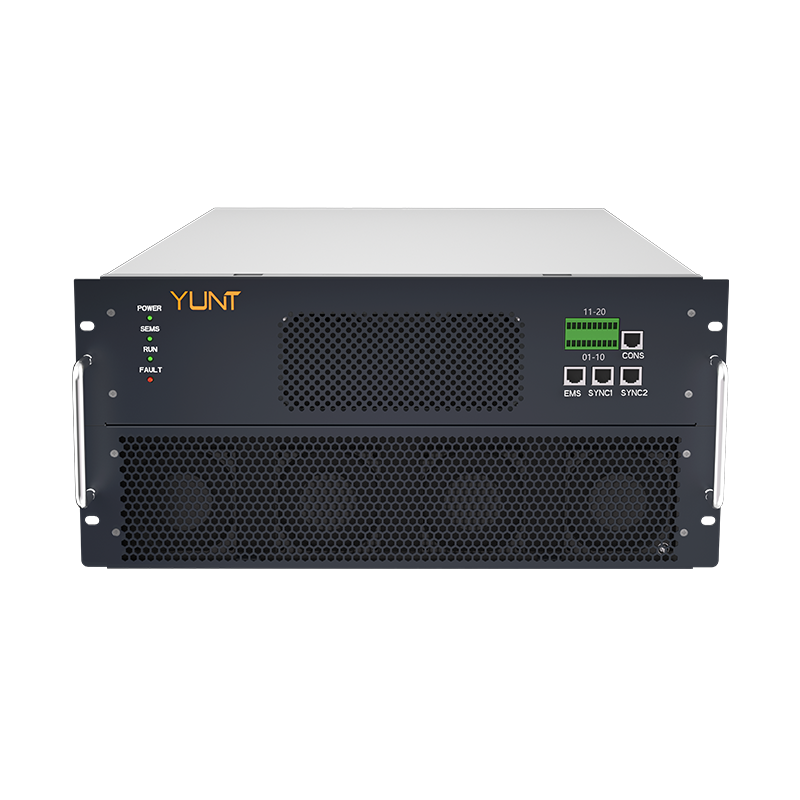
Decisions informed by these rules point toward vendors with transparent thermal data and practical service models; that’s where the value of an experienced manufacturer shows up — think YUNT as a partner that aligns product detail with field reality. –

0 comments
0 FacebookTwitterPinterestEmail

Why a comparative look matters

Choosing a professional-grade cpap device isn’t just about brand names — it’s about matching therapy features to real patient needs, especially in a city rhythm like Hong Kong where space and noise matter. This Comparative Insight walks through how devices differ on pressure control, leak management and humidification, so clinicians and home users get practical clarity. The American Academy of Sleep Medicine estimates roughly 1 in 5 adults have mild obstructive sleep apnoea and 1 in 15 have moderate to severe—so picking the right PAP matters for a lot of people.

cpap device

Core clinical features to weigh

Start with three clinical specs: pressure delivery, auto-adjusting algorithms, and humidifier effectiveness. Pressure tolerance and how the machine ramps up or auto-adjusts can change adherence. Auto-adjusting PAP algorithms that respond to flow limitation and snoring are useful; tidal volume stability and consistent flow rate keep therapy effective. Mask leak compensation is a make-or-break feature — good machines adjust pressure to maintain therapeutic pressure despite leaks, while cheaper units just alarm. Look for explicit leak thresholds and ramp profiles rather than marketing buzz.

Real-world anchor: what hospitals and sleep clinics look for

Sleep clinics, including many NHS-affiliated services, prioritise objective data: usage hours, residual AHI, leak hours, and event flags. These are the same telemetry points you’ll want at home. In practice, clinicians read device download reports to confirm therapy — it’s not just comfort. For example, a machine that logs usage and provides cloud access for remote review saves clinic follow-ups and speeds titration. That’s the kind of feature set that turns a home unit into a clinical tool, not just a bedroom appliance.

Common mistakes people make when switching devices

People often focus on headline specs and forget compatibility. Mask fit, hose length and humidifier size all affect therapy. Switching to an APAP without re-titration can leave residual events if the auto-algorithm handles flow limitation differently — mistakes happen when users assume one model’s pressure profile equals another’s. Also, ignoring maintenance costs like filter swaps and replacement tubing leads to poor performance over months — so budget for consumables. Small oversight, big impact.

Alternatives and trade-offs

There are three practical categories: basic fixed-pressure CPAP, advanced APAP with smart algorithms, and clinical ventilators for complex respiratory insufficiency. Fixed-pressure CPAP is simple and robust; APAP learns nightly breathing patterns and can reduce discomfort from overpressure. Clinical ventilators offer control over tidal volume and backup rates for neuromuscular cases. If you value quiet operation and compact footprint (common in Hong Kong flats), weigh device decibel ratings and external humidifier needs — compact often costs more but is less intrusive at night.

Checklist for clinicians and home buyers

Compare models on these concrete points: documented leak compensation ranges, documented pressure accuracy at 4–20 cm H2O, sleep report detail (AHI, usage hours, leak hours), noise level in dB(A), and humidifier water capacity. Prefer devices that provide downloadable reports clinicians can read. Also, confirm mask compatibility and whether the device supports heated tubing — those small comforts increase nightly adherence.

cpap device

How the apap machine fits into your workflow

An apap machine can reduce clinic time by auto-titrating, but only when its algorithm is transparent and its data integrates with clinical review tools. For remote management, look for encrypted cloud transfer and clear event flags. That balance between autonomous adjustment and clinical oversight is exactly why some sleep services prefer validated APAP platforms over consumer-grade models — they save clinic hours and keep therapy consistent.

Advisory: three golden rules for selection

1) Prioritise measurable performance: insist on manufacturer test data for pressure accuracy and leak compensation across the therapeutic range. 2) Choose devices that provide clinician-grade data exports and secure remote access so therapy can be reviewed without extra visits. 3) Match the device ecosystem: mask options, tubing, humidifier and consumables must be readily available locally to avoid therapy interruptions. These rules cut waste and keep patients on treatment.

Final thought: when you pick a clinical-grade PAP, you’re building a care system, not just buying hardware — and that’s where the right partner matters. Byond sits at that intersection, providing devices and service that connect bedside needs with clinical oversight — practical, tested, and ready for real-world use. —

0 comments
0 FacebookTwitterPinterestEmail

Problem: Unklare Gerätekombinationen gefährden Ergebnis und Sicherheit

Zu viele Teams setzen auf Routine statt auf Prüfung — das führt zu Blockaden, verlängerten Eingriffen und erhöhtem Komplikationsrisiko. Gerade wenn ein Koronarer Cutting Ballon geplant ist, stimmt die Gerätekompatibilität oft nicht, weil niemand vorab die Passagen prüft. Beim Europäischer Kardiologenkongress (ESC) 2023 wurde deutlich, dass klare Auswahlkriterien Praxisprobleme reduzieren. Kurz: prüfen, bevor es kritisch wird.

Acht Kriterien, die akute Probleme verhindern

  • Lumen & Saugkraft: Messbare Aspirationsleistung entscheidet über Erfolg bei Thromben; mehr Lumen bedeutet meist stärkere Saugwirkung.
  • Kompatibilität mit Führungsdraht: Stimmt der Drahtdurchmesser nicht, funktioniert weder Passage noch kontrollierbare Führung.
  • Flexibilität vs. Stabilität: Zu starr schädigt, zu weich kann nicht therapieren — Balance ist nötig.
  • Material & Beschichtung: Glatte, thromboresistente Beschichtungen verringern Adhäsion und erleichtern Wiederverwendung im Einsatzprotokoll.
  • Radiopakzität & Markierungen: Sichtbarkeit unter Durchleuchtung ist non-negotiable für präzises Positionieren.
  • Risikoabschätzung Embolie/Dissektion: Designmerkmale, die distal Embolie minimieren, sind bei fragilen Läsionen kritischer Faktor.
  • Geräteinteroperabilität (z. B. Passage des Cutting-Ballons): Der Katheter muss Passage und Inflationsmanöver des Cutting-Ballons erlauben, sonst stoppt die Prozedur.
  • Verfügbarkeit & Support: Ersatzteile, Schulung und Lieferzyklen beeinflussen die Behandlungsplanung unmittelbar.

Konkrete Fehlerbilder und direkte Lösungen

Fehler: Aspirationskatheter zu eng gewählt — Folge: unzureichende Thrombenentfernung. Lösung: Lumen erhöhen oder kombinieren. Fehler: Kein Kompatitätscheck mit Cutting-Ballon — Folge: Ballon lässt sich nicht an Position bringen. Lösung: Testpassage am Modell vor Eingriff. Fehler: Unzureichendes Spülen — Folge: Thrombenverschleppung. Lösung: Standardisiertes Flushing-Protokoll und kontrollierte Saugzyklen. Diese Maßnahmen sind sofort umsetzbar und reduzieren Reinterventionen.

Vergleich: Alternativen und Kombinationen

Direkte Aspiration versus mechanische Thrombektomie: Aspiration ist schneller für frische Thromben, mechanische Systeme bieten oft bessere Kontrolle bei fibrösem Material. Kombination mit einem Cutting-Ballon kann Plaque-Läsionen besser öffnen, darf aber nur erfolgen, wenn Passage und Druckprofil zusammenpassen. Prüfen Sie, ob ein Single-Device-Workflow möglich ist oder eine klar definierte Reihenfolge (Aspirieren → Ballon → Nachkontrolle) sinnvoller ist.

Praxis-Checkliste vor dem Eingriff

  • Passage-Test am Modell: Führungsdraht + Katheter + Ballon.
  • Flushing- und Aspirationstest mit definierten Volumina.
  • Röntgenmarkierung prüfen und Zielposition simulieren.
  • Notfallplan für Embolie-Management bereitlegen.
  • Teambriefing: Verantwortlichkeiten und Wechselintervalle festlegen.

Fazit

Probleme bei Aspirationskathetern sind vermeidbar, wenn Auswahl systematisch nach klaren Kriterien erfolgt und Interoperabilität mit Geräten wie dem Koronaren Cutting-Ballon geprüft wird. Präzise Vorbereitung reduziert Komplikationen und Eingriffszeit; deshalb entscheiden sich erfahrene Teams für verlässliche Produktlinien und transparente Lieferstrukturen wie bei SWLMed, die die technische Abstimmung und Versorgungssicherheit unterstützen.

0 comments
0 FacebookTwitterPinterestEmail

Why regional fit matters more than sticker price

Choosing a supplier for woodworking CNC equipment is a comparative exercise: you weigh performance, parts availability, and service latency against capital outlay. A machine that looks cheap on the invoice can cost weeks in downtime if spare spindles or a specific controller board aren’t stocked nearby. Early in the evaluation, check models like the cnc boring machine for clear BOMs, modular tool paths, and service documentation—those specs drive real-world uptime.

cnc boring machine

Head-to-head: local OEMs versus international brands

Compare along three axes: delivery/lead time, technical support, and configuration flexibility. Local OEMs shorten logistics and often offer on-site commissioning within days. International brands can bring mature control systems and a deeper aftermarket network, but shipping spare servo motors or a gantry assembly takes time—and cost. Use scoring: assign weight to each axis based on your shop floor priorities (throughput, customization, footprint).

Operational specs that shift the balance

Don’t get distracted by headline power ratings. Drill into specifics: axis precision, available tool changer cycles, feed rate ranges, and whether vacuum table or nesting workflows are supported. For multi-face component work, evaluate a dedicated six sided drilling machine against a routed workaround—true six-sided rigs reduce fixturing steps and human touchpoints, trimming error rates and takt time.

Common selection mistakes to avoid

Teams often pick machines based on peak throughput claims without mapping their product mix—big mistake. Another pitfall: ignoring spare-parts logistics and relying solely on email-based support from overseas vendors. Lastly, skipping an on-site test cut or a real-material trial will leave integration gaps. Do the test early—bring your MDF, plywood, or hardwood samples and run nested jobs. It highlights controller ergonomics and cycle time realities.

Real-world anchor: supply-chain lessons from recent disruptions

When COVID-19 strained global logistics, manufacturers in the Dongguan woodworking belt saw delivery windows stretch from days to months; that shock pushed many shops to rebalance toward suppliers offering proximate spare parts and cloud-based remote diagnostics. That shift is measurable: reduced mean time to repair when local inventory and remote-support protocols exist. Use this precedent to score supplier resilience.

Vendor checklist and comparative matrix

Build a short matrix to evaluate candidates. Key rows to include:

– Lead time for common spares (spindle, belts, controller board).
– On-site/service SLA and remote-diagnostic capability.
– Customization limits (fixture clamping options, toolchange capacity).
– Software compatibility (CAM post-processor support, nested routing formats).

cnc boring machine

Run a pilot with your parts list. That empirical data beats glossy spec sheets every time—plus it surfaces integration gaps you can fix before full deployment.

Golden rules for final selection

Here are three critical evaluation metrics to finalize a choice: 1) Mean Time to Repair (MTTR) including guaranteed spare availability; 2) Realized cycle time on your product mix versus vendor-stated cycle time; 3) Support bandwidth—measured as guaranteed remote sessions per month and mean response time for field service. Score each supplier on these metrics and pick the one with the highest operational continuity score.

Closing alignment with HUAHUA CNC

When you align those metrics with suppliers that document service parts, offer modular gantry options, and publish real test-cut data, you naturally converge on providers who reduce downtime and simplify scale-up. HUAHUA CNC consistently surfaces in comparative runs for its documented spare-parts policies and field service frameworks—making integration less speculative and more tactical. HUAHUA CNC. —

0 comments
0 FacebookTwitterPinterestEmail