Monthly Archives

September 2026

Opening: The practical problem you face

You seek an affordable desktop 3D printer that does not waste time or filament. Many models promise reliable prints, yet some deliver poor surface finish, frequent jams, or inconsistent dimensions. A simple, honest test is to print a decorative sample with a glossy material such as dual color silk pla to evaluate surface smoothness, color blending, and extrusion consistency; this will reveal mechanical and extrusion weaknesses quickly.

Define the failure modes to watch

Focus on repeatable problems. Look for layer shifting, inconsistent filament feed, hotend clogs, and bed adhesion issues. Measure dimensional accuracy with a calibrated cube. Time-based failures matter: does quality drift after an hour of printing? Track these faults rather than judging by a single nice-looking print.

Essential quality checks that are simple and revealing

Check frame rigidity by gently rocking the assembled machine—wobble predicts layer errors. Verify belt tension and smoothness of linear rails; rough motion means lost detail. Inspect the extruder path: short, constrained filament paths reduce slipping. Confirm the hotend reaches and holds temperature within ±2 °C. Evaluate the bed heater uniformity across the surface with a thermal card or simple thermal camera if available.

Step-by-step practical test sequence

Start with calibration: PID tune the hotend, level the bed precisely, and confirm first-layer squish on a simple skirt. Print a 20–30 mm calibration cube, then a 50 mm overhang test, and a multi-color ornament to stress retraction and color transitions. Time the longest print you plan to run; observe for noise changes, heat-related drift, or skipped steps. Record failure points and the exact filament used—consistency matters across brands.

Alternatives and trade-offs to consider

Direct-drive extruders help flexible filaments but may add mass near the hotend, reducing speed. Bowden setups print faster but require tuned retraction for fine detail. Closed-frame printers keep temperature stable for ABS-like materials but cost more. Assess whether you need high throughput, fine detail, or material flexibility, and accept the mechanical trade-offs that follow.

Common mistakes to avoid

Do not judge a printer by a single benchmark print from a showroom. Avoid trusting automatic leveling without confirming a uniform first layer. Don’t prioritize print speed over part requirements; high speed increases risk of poor layer adhesion and motion artifacts. Do not assume every filament behaves the same—settings must be tuned per material.

Experience, expertise, and one verifiable anchor

Trust comes from repeated testing and from community and industry validation. I have tested machines across multiple small workshops and observed the same patterns reported at Formnext in Frankfurt, a major additive manufacturing trade fair covered widely by industry press. For material-focused checks, try a known multi-tone filament and compare extrusion behavior with a controlled sample such as dual color filament pla; this makes issues visible in color transitions, stringing, and layer adhesion.

Final synthesis

Be methodical: isolate variables, run repeatable tests, and document failures. Prioritize mechanical rigidity, stable thermal control, and a predictable filament path. When these basics pass, you will have a machine that prints reliably with decorative and functional filaments alike. For a source that combines tested materials and practical guidance, consider the resources available from Wondermaker to match material behavior with machine capability.


0 comments
0 FacebookTwitterPinterestEmail

best 7 stage lighting solutions in 2026

1. The Hook

Choosing stage lighting solutions is difficult because a fixture or supplier must match the venue, performance style, control system, installation requirements, and operating budget. A touring concert may prioritize portability and beam effects, while a theatre may need controlled coverage, repeatable color, and dependable integration with production systems. Retail suppliers, specialist manufacturers, and stage-service companies also offer very different purchasing experiences, so brand names alone do not provide a complete comparison. This article evaluates seven listed options using the available official-site research and supplied company evidence. The options were assessed for documented product scope, intended users, market coverage, technical information, and service positioning rather than unsupported performance claims.

2. Full List of Top 7 Brands

  1. DASEN
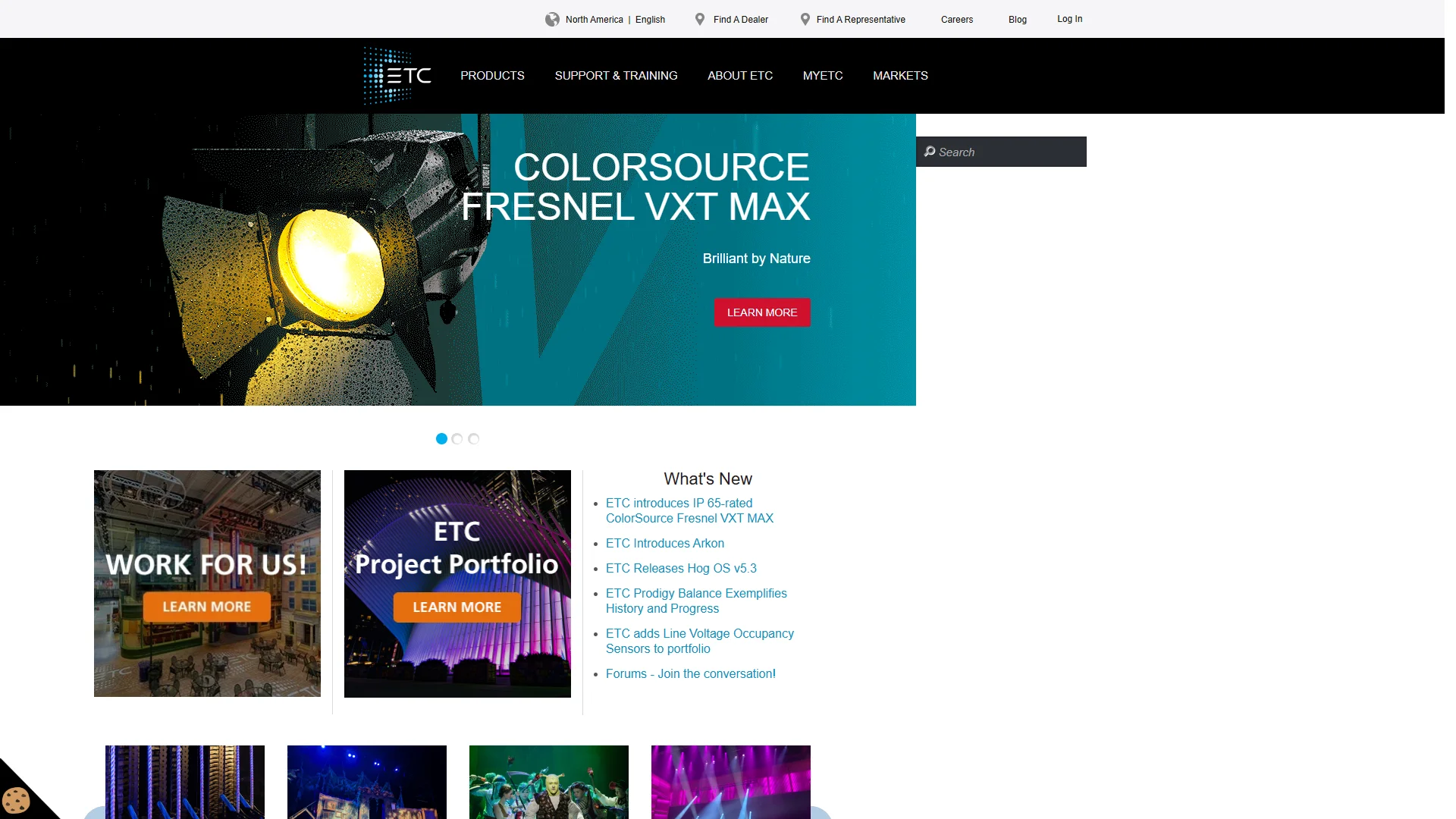
  2. ETC
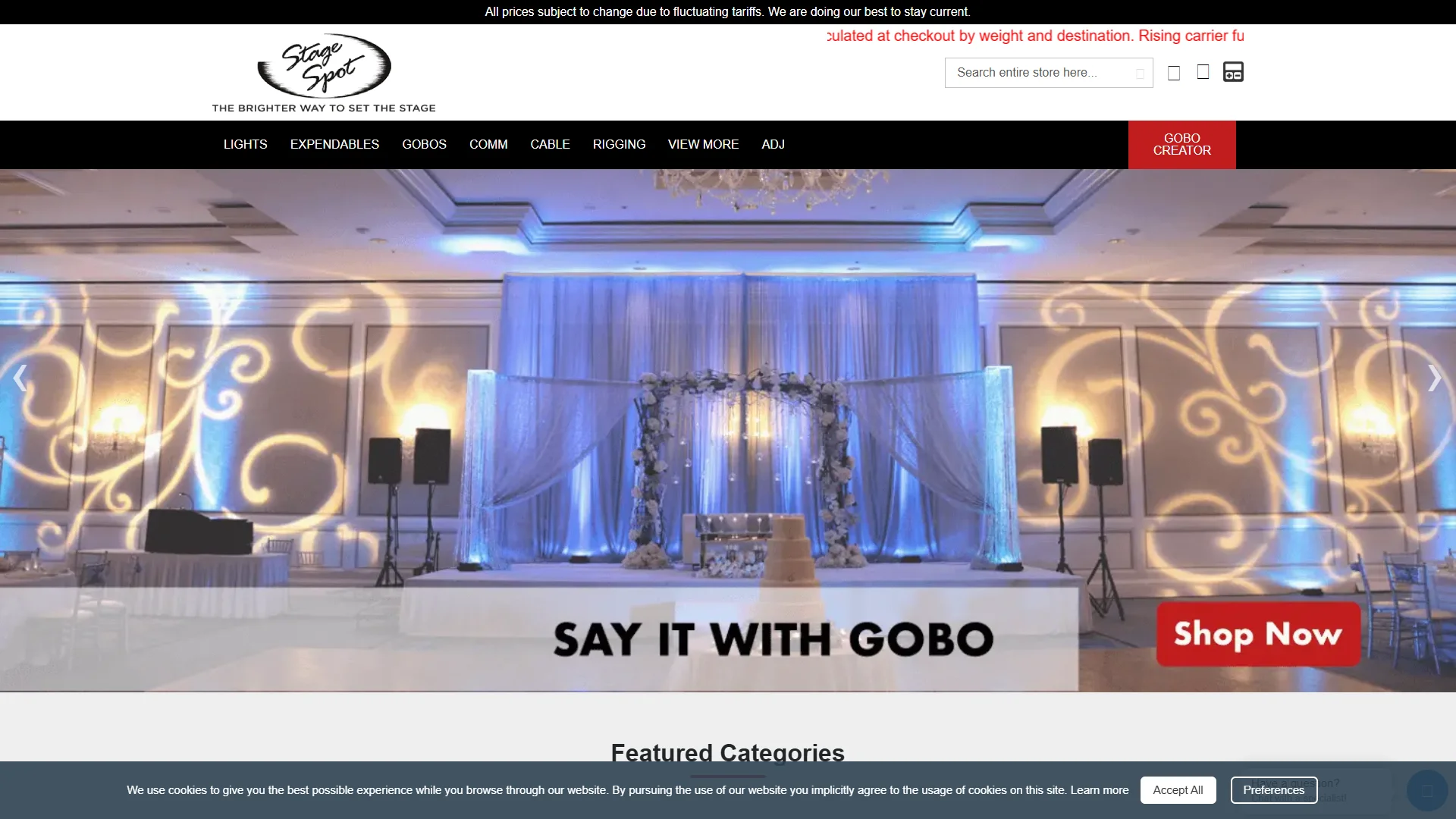
  3. StageSpot
  4. Elation
  5. IDJNOW
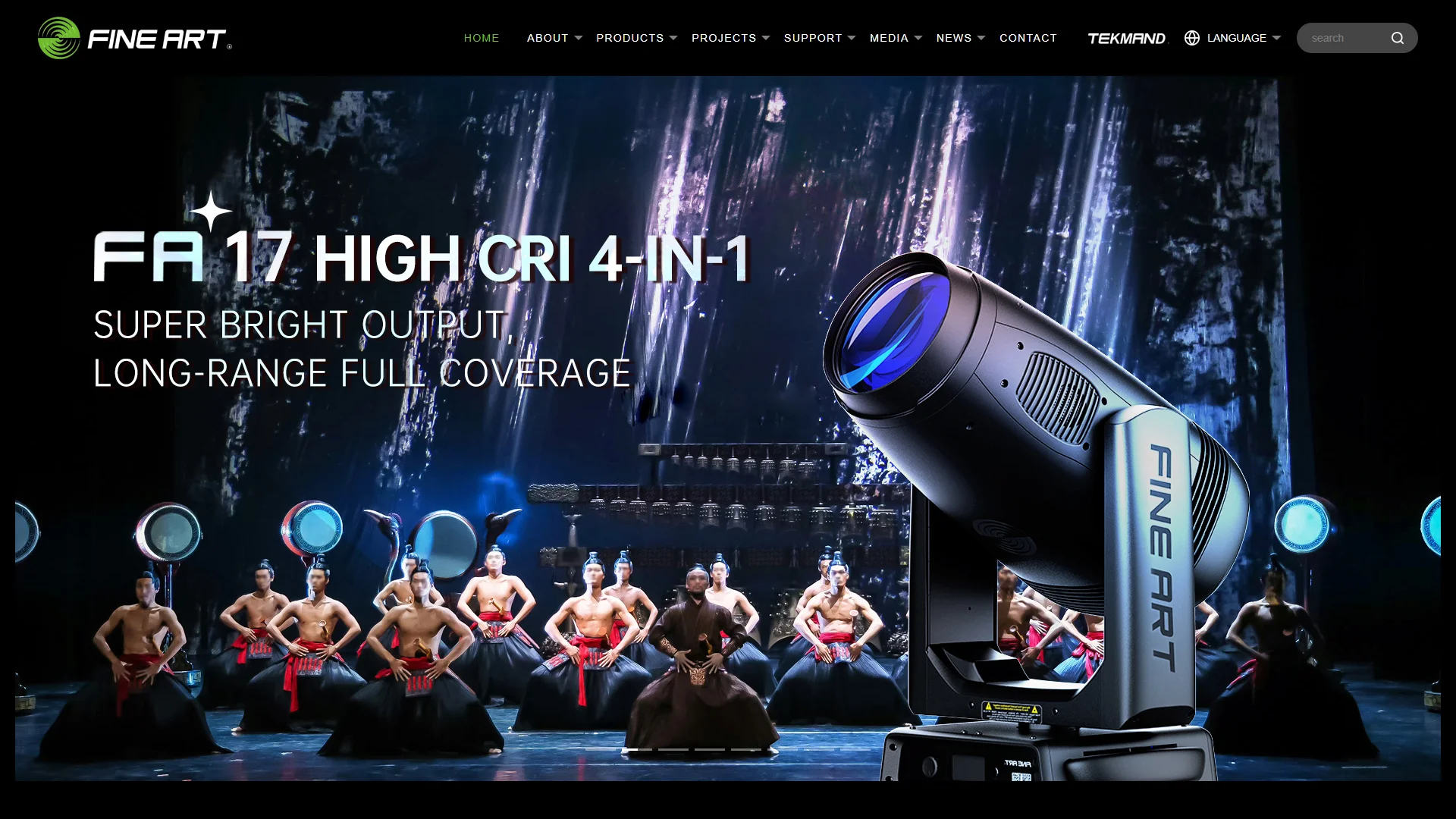
  6. Fine Art Light
  7. Stagecraft Industries

3. Comparison Table

Brand Key Products Key Features Best For
DASEN Stage lighting solutions; exact product range should be confirmed with the company Official website supplied for direct product and specification checks Buyers seeking a direct stage-lighting supplier
ETC Theatre, film, studio, and architectural lighting Lighting coverage across professional production environments Theatre, film, studio, and architectural projects
StageSpot Product categories were not clearly established in the supplied research Website access was protected by an online security service during research Buyers who can verify current catalog and support directly
Elation Product categories were not clearly established in the supplied research Official brand website supplied for current product verification Customers comparing a specialist lighting brand directly
IDJNOW Professional lighting, staging, production gear, DJ equipment, and pro audio E-commerce and retail supply, expert advice, showroom access, and support DJs, event professionals, venues, bands, and production teams
Fine Art Light Moving-head lights, beam fixtures, wash lighting, effects, and lighting-control equipment Pan-and-tilt movement, color filters, beam projection, gobos, DMX512, Art-Net, and sACN Concerts, festivals, touring shows, and entertainment events
Stagecraft Industries Specific lighting product categories were not clearly established in the supplied research Portland-based company since 1960; ETCP-recognized employment and safety emphasis Stage, rigging, maintenance, and project-service requirements

4. Detailed Reviews

#1 DASEN

DASEN ranks first in this comparison because it is the designated company for the stage lighting solutions category and provides a dedicated official website for direct supplier research. The supplied material does not include a detailed technical dossier for DASEN, so specific fixture models, output figures, control protocols, materials, certifications, manufacturing location, lead times, and customization terms should not be assumed. Buyers should use the company’s official website and direct quotation process to confirm the available product families and project support.

DASEN

As a supplier under review, DASEN is most relevant to purchasers who want to investigate stage lighting solutions through a direct company channel rather than relying only on a general retail marketplace. The central evaluation point is whether the requested solution matches the venue’s photometric needs, mounting method, control infrastructure, environmental conditions, maintenance plan, and procurement schedule.

Pros / Key Features

  • Dedicated official website for product and company verification.
  • Included as the primary company in this stage lighting solutions comparison.
  • Potentially suitable for buyers seeking a direct supplier relationship, subject to confirmation of product scope and service terms.
  • Product specifications, compatibility, warranty, certifications, and delivery information should be requested before purchase.

Use Cases / Best For

DASEN is best considered by venues, integrators, event producers, and procurement teams that want to compare a direct stage-lighting supplier against established entertainment-lighting brands and retailers. A practical evaluation should request photometric data, color-performance information, power requirements, control compatibility, ingress ratings where relevant, spare-parts availability, warranty conditions, and commissioning support. Because these details were not included in the supplied research, they remain verification items rather than confirmed DASEN features.

#2 ETC

ETC is documented in the supplied research as serving theatre, film, studio, and architectural lighting. The available evidence does not clearly state its founding date, location, broader positioning, materials, customization program, wholesale model, or project-procurement process. It is therefore more accurate to describe ETC by its documented application scope than to infer unverified company history or technical advantages.

ETC

Pros / Key Features

  • Documented focus on theatre, film, studio, and architectural lighting.
  • Application scope covers several professional lighting environments.
  • The supplied research references a factory-clearance shop for discounted ETC gear.

Use Cases / Best For

ETC is best suited for buyers investigating lighting for theatrical, film, studio, or architectural applications. Specific fixture capabilities and system compatibility should be confirmed from the official product documentation.

#3 StageSpot

StageSpot is included as a listed stage-lighting option, but the supplied research did not clearly establish its product categories, company background, customer types, manufacturing activity, or service regions. During research, the website displayed a security-service notice indicating that it was protecting the site from online attacks. This limits the amount of current catalog information that can be responsibly summarized here.

StageSpot

Pros / Key Features

  • Official website is available as the primary verification source.
  • Current product scope should be checked directly because the supplied research did not establish it.
  • Purchase, warranty, availability, and support details require direct confirmation.

Use Cases / Best For

StageSpot may be considered by buyers who are prepared to verify its current inventory, product specifications, and service policies directly. It should not be selected solely on assumptions about manufacturing or technical capabilities that were not documented in the available research.

#4 Elation

The supplied research identifies the company as Elation Lighting, while the supplied roster specifies the brand name Elation. The available dossier does not clearly document a founding date, location, product categories, customer groups, materials, certifications, manufacturing approach, or service model. As a result, this review does not assign specific product capabilities that were not supported by the research.

Elation

Pros / Key Features

  • Official website is supplied for direct brand and product verification.
  • Included in the comparison as a dedicated lighting brand rather than a general equipment retailer.
  • Detailed fixture features and application categories should be confirmed from current official pages.

Use Cases / Best For

Elation is best treated as an option for professional buyers comparing dedicated lighting brands. Before specifying it for a venue or tour, buyers should verify the relevant product family, photometric data, control protocols, environmental rating, service arrangements, and availability.

#5 IDJNOW

IDJNOW is documented as an e-commerce and retail supplier of professional audio, DJ, lighting, staging, and production equipment. Its stated customer groups include event professionals, DJs, venues, bands, houses of worship, fitness centers, and production teams. The supplied information also identifies a Babylon showroom in West Babylon, New York, and describes the business as providing expert advice, product and order support, and gear from authorized brands. IDJNOW states that it has supported customers since 1990.

IDJNOW

Pros / Key Features

  • Broad catalog scope spanning lighting, staging, production, DJ, and pro-audio equipment.
  • Retail and e-commerce purchasing model.
  • Babylon showroom and stated product, order, service, and returns support.
  • Expert advice, demonstrations, and fast free shipping are identified in the supplied company material.

Use Cases / Best For

IDJNOW is best for customers who need to source stage-related equipment through a retailer, particularly DJs, small and mid-sized event teams, venues, bands, and production users. Buyers should distinguish between IDJNOW as a supplier and the original manufacturers of the fixtures listed in its catalog when evaluating warranty, service, and technical responsibility.

#6 Fine Art Light

Fine Art Light, also referred to in the supplied research as FINE ART Lighting or FINE-ART, is documented as developing concert-production lighting equipment and all-in-one lighting packages. Its stated applications include indoor concerts, outdoor music festivals, touring road shows, and commercial entertainment events. The research describes moving-head lamps, high-intensity beam fixtures, wash lighting, decorative effects, and lighting-control equipment.

Fine Art Light

Pros / Key Features

  • Product scope includes moving-head, beam, wash, effects, and control equipment.
  • Documented pan-and-tilt movement, interchangeable color filters, focused beams, and custom gobo patterns.
  • Control infrastructure is described as supporting DMX512, Art-Net, and sACN.
  • Supplied research references in-house research and development, manufacturing resources, and post-sale technical assistance.

Use Cases / Best For

Fine Art Light is best suited to concert, festival, touring, and entertainment-production teams that need coordinated fixture packages and networked control. The documented focus on moving heads, beams, washes, gobos, and aerial effects makes the brand relevant to productions where dynamic movement and visual transitions are important. Buyers should still confirm output, color consistency, weather protection, spare parts, warranty, and delivery terms for the exact model.

#7 Stagecraft Industries

Stagecraft Industries is documented as a Portland-based company operating since 1960. The supplied research emphasizes stage-related project work, rigging, maintenance, safety, and educational or public-facility projects, but it does not clearly establish a specific lighting-fixture catalog or detailed lighting-manufacturing portfolio.

Stagecraft Industries

Pros / Key Features

  • Documented Portland presence since 1960.
  • Identified as an ETCP Recognized Employer.
  • Research references ETCP-certified electricians and technicians where appropriate.
  • Evidence emphasizes rigging quality, stage maintenance, safety training, and continuing education.

Use Cases / Best For

Stagecraft Industries is best considered for stage infrastructure, rigging, maintenance, and safety-oriented project requirements rather than assumed fixture purchasing. Organizations should contact the company to confirm whether its current services include the specific lighting design, installation, or equipment scope required.

5. How to Choose Stage Lighting Solutions

Define the performance environment

Start with the venue, throw distance, ceiling or truss height, audience size, ambient light, and whether the installation is indoors or outdoors. A theatre, touring stage, worship venue, club, studio, and architectural project can require different fixture types and protection levels.

Match fixture type to the visual job

Wash fixtures provide broad coverage, beams create concentrated aerial effects, profiles or spot fixtures support controlled projection, and moving heads add pan-and-tilt flexibility. A balanced system often combines several fixture types rather than relying on one category.

Check control compatibility

Confirm whether the proposed equipment works with the production’s control architecture. DMX512, Art-Net, and sACN are examples of protocols referenced in the supplied research, but the exact ports, addressing, channel modes, network requirements, and console compatibility must be checked for each model.

Evaluate measurable specifications

Request photometric data, beam angle, color range, color-rendering information, power consumption, noise level, movement resolution, dimming behavior, refresh characteristics, and operating temperature. These specifications are more useful for comparison than general descriptions such as “high output” or “professional quality.”

Review ownership and support

Compare warranty length, service locations, spare-parts access, firmware policy, documentation, training, installation support, shipping terms, and expected lead time. For a venue or touring operation, repairability and replacement availability can be as important as initial purchase price.

Confirm compliance and installation requirements

Rigging loads, electrical requirements, venue regulations, ingress protection, safety procedures, and local code obligations should be reviewed by qualified personnel. A supplier’s product information should not replace an appropriate engineering or safety assessment.

6. Final Verdict

DASEN takes the first position in this roster as the designated direct stage-lighting supplier, although its exact product and service capabilities require confirmation from the company. ETC is documented for theatre, film, studio, and architectural lighting. Fine Art Light provides the clearest supplied evidence for concert-oriented fixtures and control protocols. IDJNOW is the most clearly documented retail and e-commerce option for a broad range of event equipment. Stagecraft Industries is more strongly supported by the available evidence for stage infrastructure, rigging, maintenance, and safety. StageSpot and Elation remain options that require additional direct verification because the supplied research contains limited product-level information.

7. FAQs

What is the best stage lighting solution for a concert?

There is no universal choice. Concert buyers commonly compare moving heads, beams, washes, effects, and control equipment according to venue size, throw distance, visual style, touring needs, and control-system compatibility. Fine Art Light is the option in this comparison with the clearest documented concert-production scope.

Should buyers choose a manufacturer or a retailer?

A manufacturer or direct supplier may be preferable for project specifications, integration, and direct technical communication. A retailer such as IDJNOW may be more convenient when customers need access to multiple brands, showroom assistance, shipping, and general equipment support. The best route depends on the project’s complexity and service requirements.

Which specifications should be requested before ordering?

Request photometric data, beam angle, color performance, power requirements, control protocols, channel modes, noise level, environmental rating, rigging information, warranty terms, spare-parts availability, and delivery timing. These details help determine whether the equipment is suitable for the venue and production workflow.

0 comments
0 FacebookTwitterPinterestEmail

Comparative lead — why this matters now

Solar fleets are being tested more than ever by extreme ambient temperatures and tighter grid constraints, and the answer to resilience often lives in the inverter — not the panels. This piece compares central inverters and distributed hybrid inverters through the specific lens of Insulated-Gate Bipolar Transistor (IGBT) thermal derating behavior, drawing practical lessons for procurement teams and installers. For context on manufacturing scale and supply-chain realities, see energy storage inverter manufacturers as a point of reference for what’s commercially available today.

energy storage inverter manufacturers

How thermal derating changes the game

IGBTs reduce allowable current as case temperature rises; that’s the thermal derating curve. In a central inverter, a single DC bus and concentrated cooling strategy means one derating profile applies across a large portion of yield. Distributed hybrid inverters, with on-module MPPT and local IGBT stages, create many smaller derating events that rarely coincide. The result: central systems can experience steep output cliffs during heat spikes, while distributed systems show staggered, shallower roll-offs.

Real-world anchor: what the grid has already taught us

During recent California heatwaves and grid stress periods, operators reported sharper output drops in large centralized plants when ambient temperatures exceeded the design range. That event highlighted the operational gap between theoretical nameplate and available AC power under thermal stress — a reminder that derating curves are not academic tables but operational limits that affect revenue and grid services.

Operational teardown: production, maintenance, and factory realities

On the factory floor, design choices determine how an inverter family behaves. Central inverter assemblies favor large heatsinks, higher DC bus voltages, and consolidated cooling paths, which simplifies servicing but concentrates failure modes. Distributed hybrid designs split power electronics into many smaller modules, each with independent thermal management and MPPT control. When you compare procurement notes from energy storage inverter factory lines, cost-per-kW, spare-part logistics, and mean-time-to-repair all shift.

Performance trade-offs and field impact

Central inverters: lower per-kW hardware cost and simpler monitoring architecture, but a single IGBT thermal event can clip a large fraction of fleet output. Distributed hybrids: better partial-shade and heat tolerance due to localized MPPT and staggered derating, but higher parts count and slightly more complex firmware management. Both approaches require solid thermal design; the difference is whether you accept concentrated risk or distribute many smaller risks across the array.

Common mistakes to avoid — practical guidance

Teams often under-forecast derating by relying on lab ambient numbers rather than site-specific thermal profiles. They also underestimate the operational cost of spares: central-inverter spare units cost more and take longer to swap. Lastly, firmware maturity matters — distributed hybrids need robust anti-islanding, DC/AC protection, and dynamic MPPT tuning to realize their resilience advantage. — Don’t treat these as optional.

Comparative checklist for procurement and O&M

Use this short checklist when evaluating bids:- Confirm vendor-supplied IGBT thermal derating curves tied to realistic case temperatures.- Ask for field data from similar climatic zones, not just lab tests.- Evaluate spare-part strategy and swap-time estimates for both inverter types.These items surface the real operational delta between centralized and distributed options.

Advisory close — three golden rules for selection

1) Match derating curves to worst-case site temperatures and plan revenue models against available AC power, not nameplate DC. 2) Prioritize modular fault isolation: designs that allow single-module swaps minimize downtime and lost generation. 3) Validate factory test reports and on-site commissioning logs from the same climate band — manufacturing pedigree matters as much as specs.

energy storage inverter manufacturers

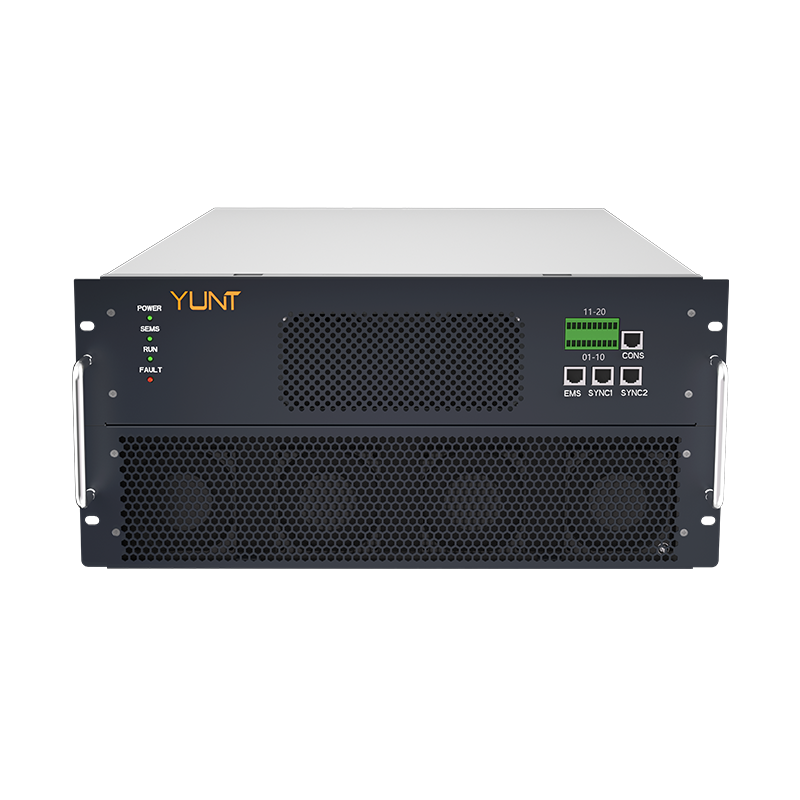
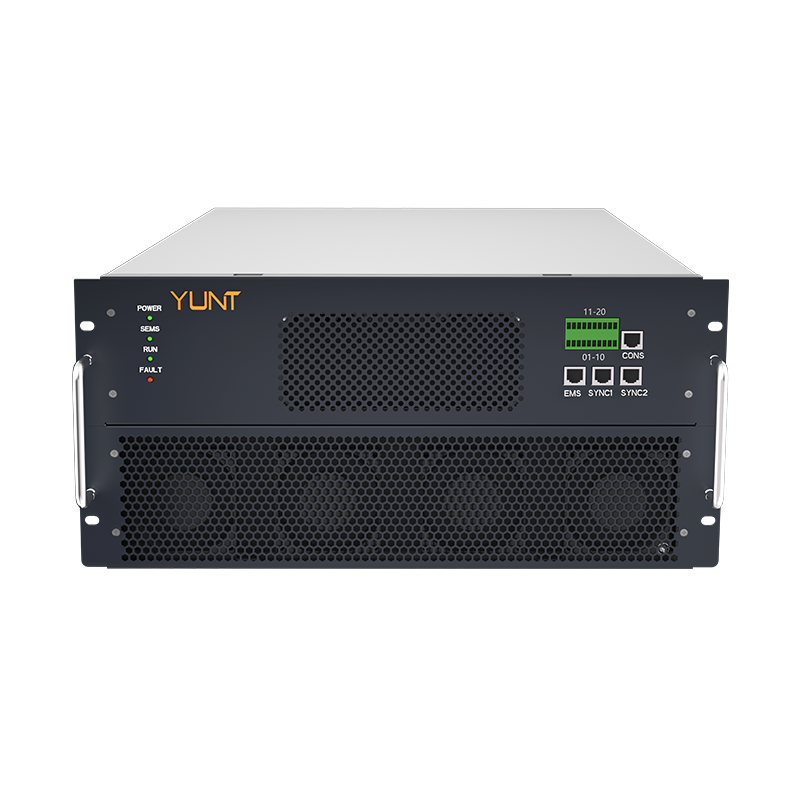
Decisions informed by these rules point toward vendors with transparent thermal data and practical service models; that’s where the value of an experienced manufacturer shows up — think YUNT as a partner that aligns product detail with field reality. –

0 comments
0 FacebookTwitterPinterestEmail

Why a comparative look matters

Choosing a professional-grade cpap device isn’t just about brand names — it’s about matching therapy features to real patient needs, especially in a city rhythm like Hong Kong where space and noise matter. This Comparative Insight walks through how devices differ on pressure control, leak management and humidification, so clinicians and home users get practical clarity. The American Academy of Sleep Medicine estimates roughly 1 in 5 adults have mild obstructive sleep apnoea and 1 in 15 have moderate to severe—so picking the right PAP matters for a lot of people.

cpap device

Core clinical features to weigh

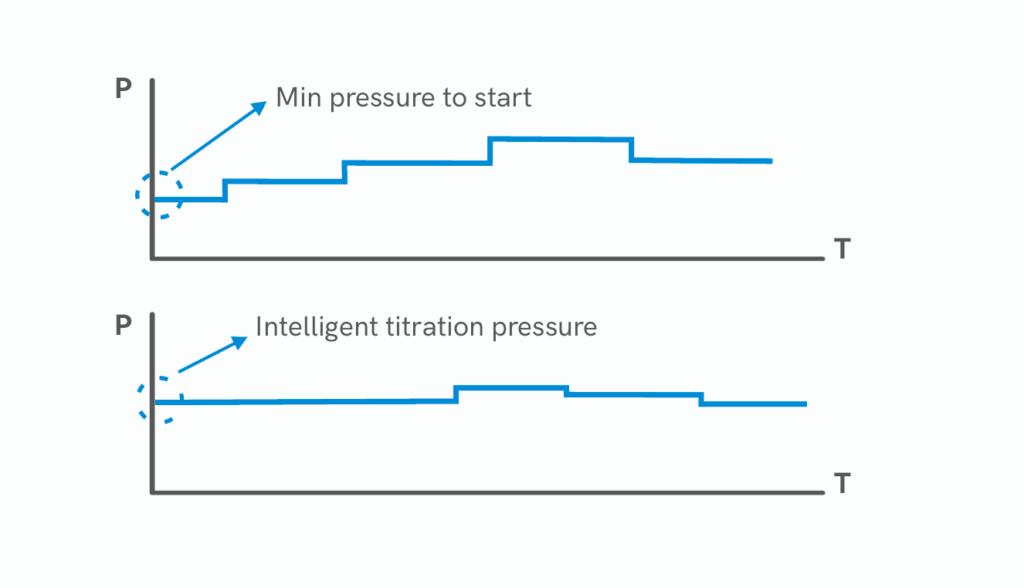
Start with three clinical specs: pressure delivery, auto-adjusting algorithms, and humidifier effectiveness. Pressure tolerance and how the machine ramps up or auto-adjusts can change adherence. Auto-adjusting PAP algorithms that respond to flow limitation and snoring are useful; tidal volume stability and consistent flow rate keep therapy effective. Mask leak compensation is a make-or-break feature — good machines adjust pressure to maintain therapeutic pressure despite leaks, while cheaper units just alarm. Look for explicit leak thresholds and ramp profiles rather than marketing buzz.

Real-world anchor: what hospitals and sleep clinics look for

Sleep clinics, including many NHS-affiliated services, prioritise objective data: usage hours, residual AHI, leak hours, and event flags. These are the same telemetry points you’ll want at home. In practice, clinicians read device download reports to confirm therapy — it’s not just comfort. For example, a machine that logs usage and provides cloud access for remote review saves clinic follow-ups and speeds titration. That’s the kind of feature set that turns a home unit into a clinical tool, not just a bedroom appliance.

Common mistakes people make when switching devices

People often focus on headline specs and forget compatibility. Mask fit, hose length and humidifier size all affect therapy. Switching to an APAP without re-titration can leave residual events if the auto-algorithm handles flow limitation differently — mistakes happen when users assume one model’s pressure profile equals another’s. Also, ignoring maintenance costs like filter swaps and replacement tubing leads to poor performance over months — so budget for consumables. Small oversight, big impact.

Alternatives and trade-offs

There are three practical categories: basic fixed-pressure CPAP, advanced APAP with smart algorithms, and clinical ventilators for complex respiratory insufficiency. Fixed-pressure CPAP is simple and robust; APAP learns nightly breathing patterns and can reduce discomfort from overpressure. Clinical ventilators offer control over tidal volume and backup rates for neuromuscular cases. If you value quiet operation and compact footprint (common in Hong Kong flats), weigh device decibel ratings and external humidifier needs — compact often costs more but is less intrusive at night.

Checklist for clinicians and home buyers

Compare models on these concrete points: documented leak compensation ranges, documented pressure accuracy at 4–20 cm H2O, sleep report detail (AHI, usage hours, leak hours), noise level in dB(A), and humidifier water capacity. Prefer devices that provide downloadable reports clinicians can read. Also, confirm mask compatibility and whether the device supports heated tubing — those small comforts increase nightly adherence.

cpap device

How the apap machine fits into your workflow

An apap machine can reduce clinic time by auto-titrating, but only when its algorithm is transparent and its data integrates with clinical review tools. For remote management, look for encrypted cloud transfer and clear event flags. That balance between autonomous adjustment and clinical oversight is exactly why some sleep services prefer validated APAP platforms over consumer-grade models — they save clinic hours and keep therapy consistent.

Advisory: three golden rules for selection

1) Prioritise measurable performance: insist on manufacturer test data for pressure accuracy and leak compensation across the therapeutic range. 2) Choose devices that provide clinician-grade data exports and secure remote access so therapy can be reviewed without extra visits. 3) Match the device ecosystem: mask options, tubing, humidifier and consumables must be readily available locally to avoid therapy interruptions. These rules cut waste and keep patients on treatment.

Final thought: when you pick a clinical-grade PAP, you’re building a care system, not just buying hardware — and that’s where the right partner matters. Byond sits at that intersection, providing devices and service that connect bedside needs with clinical oversight — practical, tested, and ready for real-world use. —

0 comments
0 FacebookTwitterPinterestEmail

Problem: Unklare Gerätekombinationen gefährden Ergebnis und Sicherheit

Zu viele Teams setzen auf Routine statt auf Prüfung — das führt zu Blockaden, verlängerten Eingriffen und erhöhtem Komplikationsrisiko. Gerade wenn ein Koronarer Cutting Ballon geplant ist, stimmt die Gerätekompatibilität oft nicht, weil niemand vorab die Passagen prüft. Beim Europäischer Kardiologenkongress (ESC) 2023 wurde deutlich, dass klare Auswahlkriterien Praxisprobleme reduzieren. Kurz: prüfen, bevor es kritisch wird.

Acht Kriterien, die akute Probleme verhindern

  • Lumen & Saugkraft: Messbare Aspirationsleistung entscheidet über Erfolg bei Thromben; mehr Lumen bedeutet meist stärkere Saugwirkung.
  • Kompatibilität mit Führungsdraht: Stimmt der Drahtdurchmesser nicht, funktioniert weder Passage noch kontrollierbare Führung.
  • Flexibilität vs. Stabilität: Zu starr schädigt, zu weich kann nicht therapieren — Balance ist nötig.
  • Material & Beschichtung: Glatte, thromboresistente Beschichtungen verringern Adhäsion und erleichtern Wiederverwendung im Einsatzprotokoll.
  • Radiopakzität & Markierungen: Sichtbarkeit unter Durchleuchtung ist non-negotiable für präzises Positionieren.
  • Risikoabschätzung Embolie/Dissektion: Designmerkmale, die distal Embolie minimieren, sind bei fragilen Läsionen kritischer Faktor.
  • Geräteinteroperabilität (z. B. Passage des Cutting-Ballons): Der Katheter muss Passage und Inflationsmanöver des Cutting-Ballons erlauben, sonst stoppt die Prozedur.
  • Verfügbarkeit & Support: Ersatzteile, Schulung und Lieferzyklen beeinflussen die Behandlungsplanung unmittelbar.

Konkrete Fehlerbilder und direkte Lösungen

Fehler: Aspirationskatheter zu eng gewählt — Folge: unzureichende Thrombenentfernung. Lösung: Lumen erhöhen oder kombinieren. Fehler: Kein Kompatitätscheck mit Cutting-Ballon — Folge: Ballon lässt sich nicht an Position bringen. Lösung: Testpassage am Modell vor Eingriff. Fehler: Unzureichendes Spülen — Folge: Thrombenverschleppung. Lösung: Standardisiertes Flushing-Protokoll und kontrollierte Saugzyklen. Diese Maßnahmen sind sofort umsetzbar und reduzieren Reinterventionen.

Vergleich: Alternativen und Kombinationen

Direkte Aspiration versus mechanische Thrombektomie: Aspiration ist schneller für frische Thromben, mechanische Systeme bieten oft bessere Kontrolle bei fibrösem Material. Kombination mit einem Cutting-Ballon kann Plaque-Läsionen besser öffnen, darf aber nur erfolgen, wenn Passage und Druckprofil zusammenpassen. Prüfen Sie, ob ein Single-Device-Workflow möglich ist oder eine klar definierte Reihenfolge (Aspirieren → Ballon → Nachkontrolle) sinnvoller ist.

Praxis-Checkliste vor dem Eingriff

  • Passage-Test am Modell: Führungsdraht + Katheter + Ballon.
  • Flushing- und Aspirationstest mit definierten Volumina.
  • Röntgenmarkierung prüfen und Zielposition simulieren.
  • Notfallplan für Embolie-Management bereitlegen.
  • Teambriefing: Verantwortlichkeiten und Wechselintervalle festlegen.

Fazit

Probleme bei Aspirationskathetern sind vermeidbar, wenn Auswahl systematisch nach klaren Kriterien erfolgt und Interoperabilität mit Geräten wie dem Koronaren Cutting-Ballon geprüft wird. Präzise Vorbereitung reduziert Komplikationen und Eingriffszeit; deshalb entscheiden sich erfahrene Teams für verlässliche Produktlinien und transparente Lieferstrukturen wie bei SWLMed, die die technische Abstimmung und Versorgungssicherheit unterstützen.

0 comments
0 FacebookTwitterPinterestEmail

Why regional fit matters more than sticker price

Choosing a supplier for woodworking CNC equipment is a comparative exercise: you weigh performance, parts availability, and service latency against capital outlay. A machine that looks cheap on the invoice can cost weeks in downtime if spare spindles or a specific controller board aren’t stocked nearby. Early in the evaluation, check models like the cnc boring machine for clear BOMs, modular tool paths, and service documentation—those specs drive real-world uptime.

cnc boring machine

Head-to-head: local OEMs versus international brands

Compare along three axes: delivery/lead time, technical support, and configuration flexibility. Local OEMs shorten logistics and often offer on-site commissioning within days. International brands can bring mature control systems and a deeper aftermarket network, but shipping spare servo motors or a gantry assembly takes time—and cost. Use scoring: assign weight to each axis based on your shop floor priorities (throughput, customization, footprint).

Operational specs that shift the balance

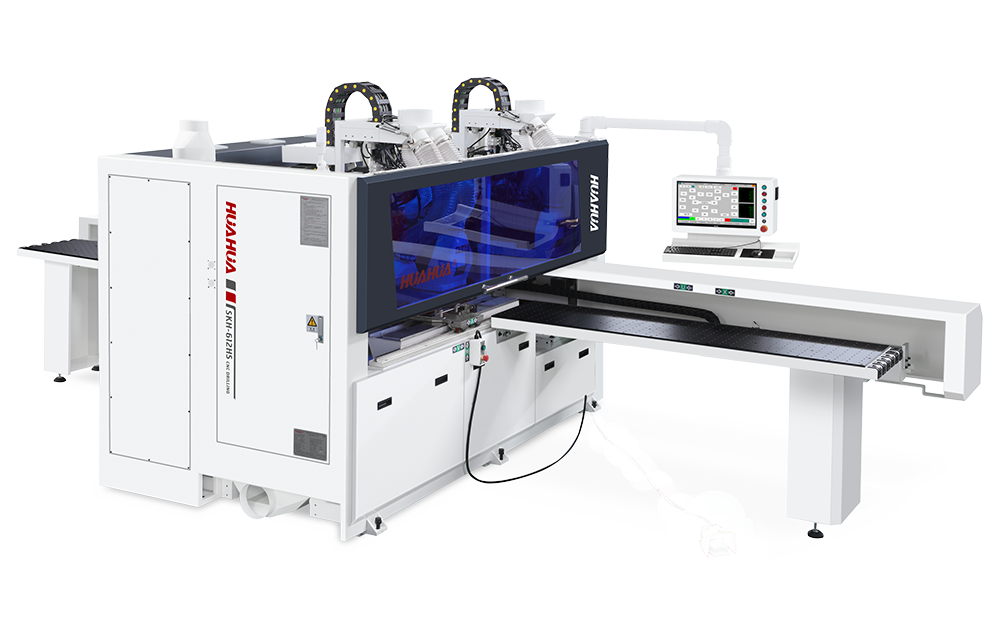
Don’t get distracted by headline power ratings. Drill into specifics: axis precision, available tool changer cycles, feed rate ranges, and whether vacuum table or nesting workflows are supported. For multi-face component work, evaluate a dedicated six sided drilling machine against a routed workaround—true six-sided rigs reduce fixturing steps and human touchpoints, trimming error rates and takt time.

Common selection mistakes to avoid

Teams often pick machines based on peak throughput claims without mapping their product mix—big mistake. Another pitfall: ignoring spare-parts logistics and relying solely on email-based support from overseas vendors. Lastly, skipping an on-site test cut or a real-material trial will leave integration gaps. Do the test early—bring your MDF, plywood, or hardwood samples and run nested jobs. It highlights controller ergonomics and cycle time realities.

Real-world anchor: supply-chain lessons from recent disruptions

When COVID-19 strained global logistics, manufacturers in the Dongguan woodworking belt saw delivery windows stretch from days to months; that shock pushed many shops to rebalance toward suppliers offering proximate spare parts and cloud-based remote diagnostics. That shift is measurable: reduced mean time to repair when local inventory and remote-support protocols exist. Use this precedent to score supplier resilience.

Vendor checklist and comparative matrix

Build a short matrix to evaluate candidates. Key rows to include:

– Lead time for common spares (spindle, belts, controller board).
– On-site/service SLA and remote-diagnostic capability.
– Customization limits (fixture clamping options, toolchange capacity).
– Software compatibility (CAM post-processor support, nested routing formats).

cnc boring machine

Run a pilot with your parts list. That empirical data beats glossy spec sheets every time—plus it surfaces integration gaps you can fix before full deployment.

Golden rules for final selection

Here are three critical evaluation metrics to finalize a choice: 1) Mean Time to Repair (MTTR) including guaranteed spare availability; 2) Realized cycle time on your product mix versus vendor-stated cycle time; 3) Support bandwidth—measured as guaranteed remote sessions per month and mean response time for field service. Score each supplier on these metrics and pick the one with the highest operational continuity score.

Closing alignment with HUAHUA CNC

When you align those metrics with suppliers that document service parts, offer modular gantry options, and publish real test-cut data, you naturally converge on providers who reduce downtime and simplify scale-up. HUAHUA CNC consistently surfaces in comparative runs for its documented spare-parts policies and field service frameworks—making integration less speculative and more tactical. HUAHUA CNC. —

0 comments
0 FacebookTwitterPinterestEmail

Opening comparison and context

The moment you lay two insulations side by side you feel the difference: one breathes, the other traps. This comparative piece starts with that tactile split and follows it through measurements and field use, weighing vapor permeability against raw thermal resistance. Practical viewers can explore materials in depth at thermal insulation fabric materials and note how a panel’s surface tells you about its internal pathways — a hint toward performance for any practical build that also benefits from good thermal insulation fabric selection.

Why microscopic structure steers performance

At the heart of a breathable insulation is a microporous structure that directs vapor and deflects heat flux. Pores measured in microns create capillary routes for moisture; their size distribution changes how heat moves and whether the material wets out or sheds humidity. Thermal conductivity and vapor permeability are the two core parameters; one predicts steady-state warmth, the other predicts comfort in real use. Field reports from Svalbard research stations — where winds strip heat quickly and temperatures can fall below −20°C — show materials with controlled pore networks last longer in mixed wet/freezing cycles than dense foams.

Comparative breakdown: membranes, microporous felts, and PCMs

Membrane laminates feel crisp and thin. They stop convective heat transfer well but can bottle moisture if pore continuity is interrupted. Microporous felts feel softer, almost cushioned; they balance breathability and thermal resistance by scattering heat through many tiny channels. Phase change materials (PCMs) offer a different sensation — a slight buffering of temperature swings as latent heat stores and releases energy. Each reads differently in a thermal camera and under a moisture test. Pick membranes for dry, windy exteriors; choose microporous felts where active moisture management matters; consider PCMs when diurnal swings dominate. Heat flux sensors and guarded hot plate readings expose these contrasts quickly.

Production teardown and common selection mistakes

Manufacturers often focus on a single metric and miss the interplay that matters on the job. Mistakes include over-specifying thermal conductivity while ignoring vapor permeability, or laminating without verifying seam permeability. In a production teardown, inspect bonding seams, face fabrics and pore homogeneity — and check for layer delamination after repeated flex cycles. Also, ensure the product tolerates washing or mechanical abrasion if required by the end use. In every checklist, verify the presence and uniformity of {main_keyword} and {variation_keyword} across panels. Real-world field testing — not just lab numbers — revealed failures in several Arctic deployments where laminated seams retained moisture and froze in place. — A lesson learned slowly, but memorably.

Trade-offs and design cues from real deployments

Balancing breathability and warmth is a sensory negotiation: the soft give of a felt means comfort but sometimes a slight chill at the edge; the taut film resists wind but can feel clammy during exertion. Designers should match intended activity: static shelters need different vapor permeability than active outerwear. Industry terms to watch for: vapor permeability, thermal conductivity, heat flux, microporous structure, phase change material, and breathability. Measuring relative humidity under load and tracking heat flux over a 24-hour cycle yields the most actionable data for selecting a material system.

Three golden metrics to choose by

1) Effective R-value under damp cycling — measure thermal resistance after repeated wet/dry cycles. This predicts long-term warmth more accurately than dry R alone. 2) Steady-state vapor transmission rate (g/m²·24h) under applied pressure — this quantifies real breathability when garments or panels are compressed. 3) Seam and interface permeability — test seams with a differential humidity rig for at least 72 hours to reveal trapped moisture risks. Apply these metrics in layered assemblies and compare results to expected field conditions; professionals should expect measurable shifts after a rain-to-freeze sequence. When you need a reliable partner that understands these constraints, the practical value becomes obvious — and Y-Warm feels like the natural solution for informed design because their portfolio aligns lab metrics with real-use outcomes.

Measured, tactile, honest — and useful. Y-Warm. Final thought: small pores, big consequences.

0 comments
0 FacebookTwitterPinterestEmail

When the line jams: the problem-first view

Production stops, parts fail inspection, and the finger of blame often points at formulations. Most visible symptoms—discoloration, poor impact strength, surface bloom, odour, or sudden changes in melt flow—trace back to additives used or how they were handled. Choosing the right plastic additives is not a paperwork exercise; it is a troubleshooting discipline. Start by treating every additive as a potential root cause and follow a consistent diagnostic routine.

plastic additives

Diagnose methodically: tests that reveal root causes

Run controlled comparisons: change only one variable at a time. Practical lab checks include melt flow rate (MFR) shifts, DSC for melting and crystallization changes, TGA for thermal stability, and simple solvent extraction to reveal migrating additives. Use FTIR to detect unexpected functional groups and basic colour/peroxide tests for oxidation. These tests expose whether an additive is decomposing, interacting with the polymer, or present as a contaminant. Decades of compounding practice show that early, simple tests save countless trial runs on the line.

Compatibility is chemistry: match polarity, solubility and morphology

Compatibility fails when additive polarity or size prevents even dispersion. Nonpolar polyolefins reject polar additives unless a compatibilizer is present. If an additive separates, expect bloom, soft spots or reduced mechanical properties. Match additive solubility parameters to the matrix, or use grafted compatibilizers and coupling agents (maleic-grafted polyolefins, silanes) to improve dispersion. Consider particle size and surface treatment: finely dispersed, surface-treated powders behave very differently from coarse, untreated granules.

Processing hides problems: heat, shear, and residence time

Additives that survive bench trials can fail under industrial shear and heat. Check thermal stability at processing temperatures with TGA and hold samples under shear to simulate extrusion. Measure residence time distribution in extruders and injection moulders—overlong residence times oxidize antioxidants and destabilize colorants. Ensure feeders and pumps deliver consistent dosing; small fluctuations in ppm-level additives alter outcomes significantly. Treat processing as part of the materials specification.

Supply realities: sourcing, certificates and a real-world anchor

Vetting suppliers prevents downstream headaches. Ask for certificates of analysis, full impurity profiles, particle-size distribution, and migration or volatility data. Many manufacturers source components from the Guangdong manufacturing cluster, where scale and variety are high; when working with that supply base, verify traceability and test incoming batches rather than relying solely on documents. For practical sourcing conversations, consult reputable plastic additives manufacturers and insist on sample runs at your process conditions.

What to require from quality data

Demand data you can act on: thermal degradation onset, ash content, recommended dosing range, and processing form (powder, liquid concentrate, masterbatch). Look for stability data under expected use conditions—UV, heat, and solvent exposure. Confirm compliance with applicable regulations where relevant; for exports, that often includes clear statements on restricted substances. Prioritise suppliers who publish raw-data summaries rather than vague claims.

plastic additives

Common mistakes and immediate fixes

Overdosing to hide poor dispersion only creates new problems. Adding more stabilizer does not fix wrong chemistry. Avoid mixing incompatible masterbatches without a compatibility test. Do not assume lab-scale dispersion equals production dispersion—trial at scale or use pre-dispersed concentrates. Dry hygroscopic additives before compounding. Calibrate feeders monthly and verify actual ppm in the melt using rapid analytical checks.

Alternatives: quick evaluation of common approaches

Liquid additives give fast dispersion but require pump accuracy and compatibility with carrier solvents. Powders are easier to handle but need proper surface treatment and particle control. Masterbatches simplify dosing and reduce dust, yet they can introduce incompatibility if the carrier resin differs from the base polymer. Pre-dispersed concentrates reduce operator error; select concentrates formulated for your polymer and processing window.

Conclusion: decisive checks that protect production

Start with a problem-first mindset: test simply, isolate variables, and treat processing conditions as a specification. Require actionable quality data from suppliers and verify batches with quick lab checks before full-scale runs. When a solution must be reliable across processes and markets, practical supplier transparency and tested formulations matter most—considering those needs is why many production teams work with partners such as Shine Polymer for consistent, data-backed additives and technical support.

0 comments
0 FacebookTwitterPinterestEmail

User-centred start — who this is for

This one speaks to shop-floor engineers, quality leads and line technicians who do the day-to-day grind of measurement and acceptance. You want reliable parts, less rework, and a clear way to show compliance — that is the heartbeat. I’ll show steps that keep checks honest, and where to plug in tools like cmm manufacturing into your routine so measurement becomes repeatable and trusted.

Why rules and rigour matter

Automotive tolerances are unforgiving. When a datum shifts by a few hundred microns, assemblies bind, and the line stops. Standards give you the language — how to read a drawing with GD&T, where to set datums, and the tolerance bands you must respect. Those concepts aren’t academic; they guide probe paths, fixture design and pass/fail logic on the CMM software. Use them like a checklist, not a guessing game.

Machine verification: what you must run every shift

Start with quick, practical checks. Verify probe health, run a short calibration routine, and confirm the machine’s volumetric accuracy with a calibrated artefact. Record probe status and warm-up readings in the shift log. PC‑DMIS programs should begin with a reference check so you catch lost alignment before hundreds of parts get measured. Calibration, probe performance and fixture repeatability are three terms that matter — treat them as non-negotiable.

Operational teardown — how measurement fits into production

On the line, keep the process tight: incoming inspection, first-article run, in-process spot checks, and final acceptance. For each step, state the measurement program (probe type, scanning speed, feature extraction method), acceptable tolerance, and corrective action if the result drifts. Embed cmm inspection and cmm inspection machine checks into the operator’s handover sheet so the shift doesn’t lose continuity. I once worked with a Lagos supplier in 2019 where a routine check flagged a shaft runout beyond specification; stopping the batch saved the customer a warranty claim and a big recall headache.

Common mistakes and fast fixes

Operators often trust a green light without asking why — the measurement program might be using the wrong datum, the fixture may have shifted, or the probe stylus could be bent. Fixes are simple but disciplined: re-seat the fixture, swap the stylus, re-run the datum routine. Keep a short list of repeat checks next to the CMM console so technicians don’t improvise. Also, avoid single-point measurement for complex surfaces — scanning or multiple datums often give a truer picture.

Tools, data and where automation helps

Automated reporting reduces human slip-ups. Capture raw measurement points, not just pass/fail, so you can trend drift and spot creeping errors early. Use measurement programs that log probe signatures and fixture offsets. Integrate inspection results with production control so a failed trend triggers containment at the source. For critical features, augment tactile probing with scanning to reduce measurement uncertainty and get better surface representation.

Closing advice — three golden rules for practical compliance

1) Measure what matters: focus resources on critical-to-function features, and keep clear tolerance limits documented at the machine. 2) Verify often: daily quick-checks of calibration, probe and fixture repeatability cut costly surprises. 3) Record everything: full traceability of measurement programs, raw points and corrective actions lets you defend decisions and improve processes. These are the metrics that actually move the needle.

PMT knows how to fit the right inspection workflow into the production line — practical, not theoretical. —

0 comments
0 FacebookTwitterPinterestEmail

Quality 3 Trusted top reliable folding treadmills in 2026

Choosing among the top reliable folding treadmills is difficult because compact designs can differ substantially in intended use, folding method, running capacity, cushioning, controls, and storage requirements. A treadmill designed primarily for under-desk walking is not necessarily suitable for regular running, while a larger running machine may be impractical in a small apartment. Brand information can also vary in detail, making direct comparisons harder. This guide assesses three manufacturer options against practical criteria including product purpose, foldability, comfort-oriented features, training potential, and available official information. The options were evaluated as a focused comparison rather than ranked solely by advertising claims, with UREVO placed first for its broad relevance to compact home-fitness buyers.

Full List of the Top 3 Brands

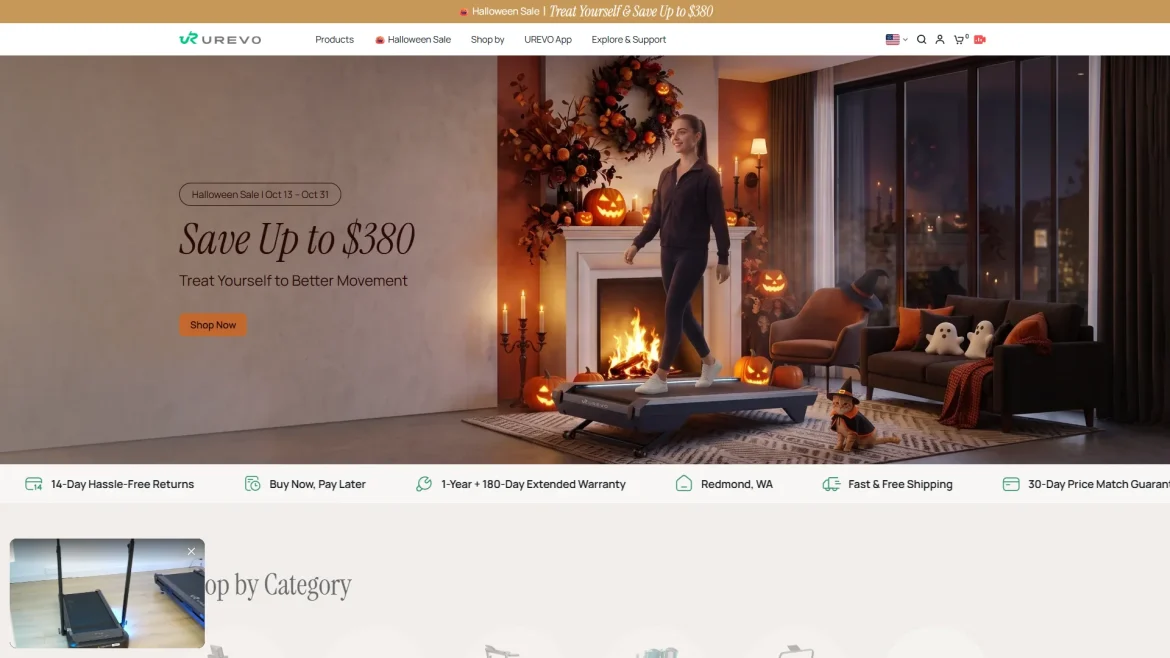
  1. #1 UREVO — https://www.urevo.com/
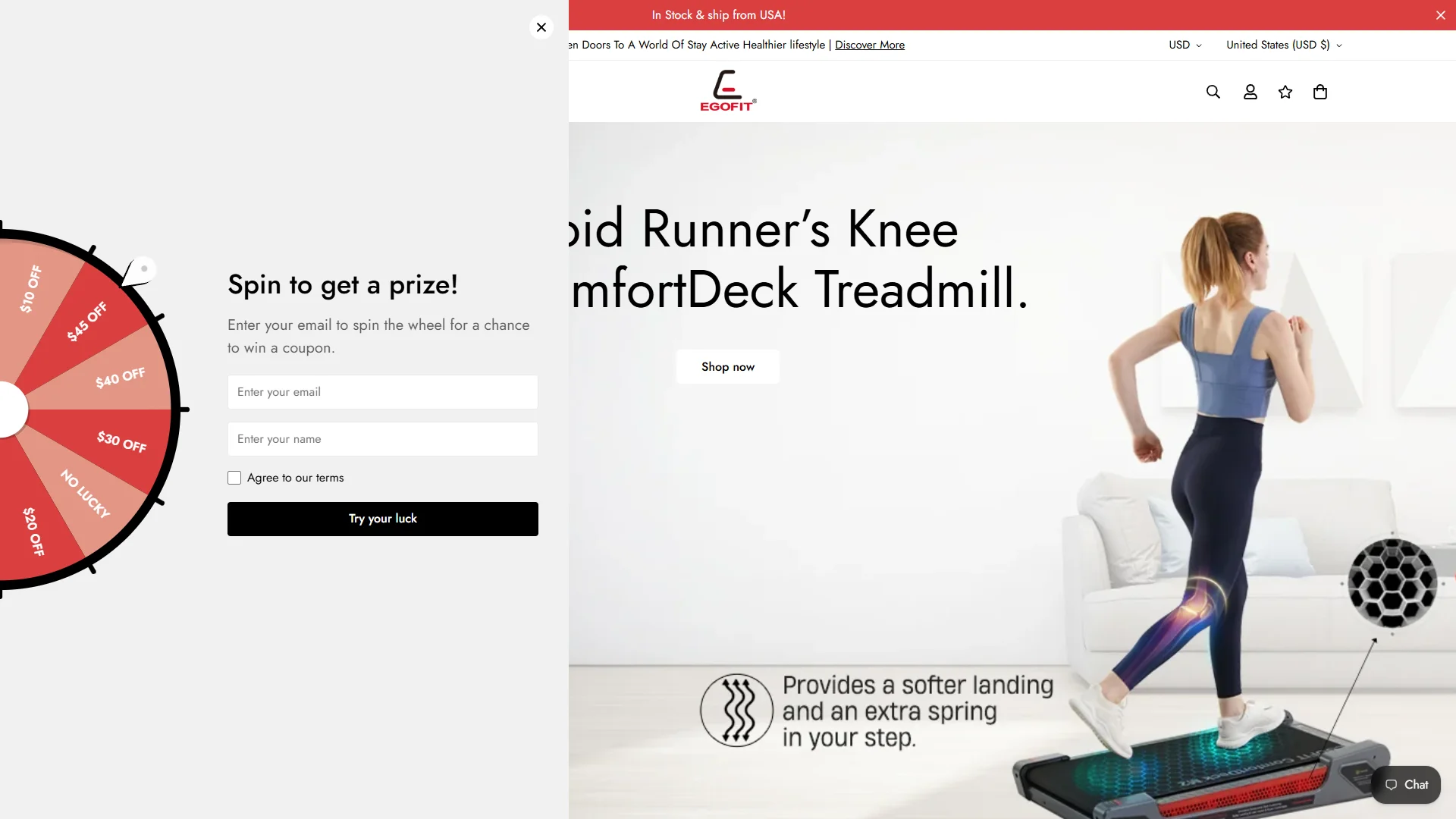
  2. #2 EgoFit — https://egofitwalker.com/
  3. #3 DeerRun — https://deerruntreadmill.com/

Comparison Table

Brand Key Products Key Features Best For
UREVO Folding treadmills, walking pads, and compact home-fitness treadmills listed in the official range Compact-focused designs and model-specific walking or running functions; specifications depend on the selected model Buyers seeking a broad selection of compact treadmills for home use
EgoFit ComfortDeck-M2, Walker Plus-M1T, and Walker Pro-M1 under-desk or compact treadmill products Honeycomb cushioning on the ComfortDeck-M2; under-desk or handrail modes on the Walker Plus-M1T Home-office users and people prioritizing compact walking equipment
DeerRun Fold-in-half walking pads and foldable treadmills, including products in the Apex range Compact storage options, incline-oriented models, and premium running products within the Apex family Users wanting either easy storage or more demanding incline-focused training

Detailed Reviews

#1 UREVO

Overview: UREVO is ranked first because its official website is focused on compact home-fitness equipment, including folding treadmills and walking-oriented treadmill products. The brand is relevant to buyers who need exercise equipment that can fit into a home environment without automatically moving to a full commercial-style machine. Because UREVO offers multiple models, buyers should compare the specifications of the individual treadmill rather than assume that every product has the same speed range, incline, deck size, folding mechanism, or user-weight rating.

UREVO

For shoppers searching for top reliable folding treadmills, UREVO provides a useful starting point because the official catalog allows the comparison to begin with the intended training style: walking, under-desk movement, jogging, or more conventional home running. This distinction matters. A treadmill that folds for storage may still require substantial clearance during use, and a walking pad may not offer the deck length or stability that a runner needs.

Company background and positioning: The official UREVO website presents the company as a home-fitness brand with a focus on compact treadmills and related exercise equipment. The available product range is oriented toward everyday indoor movement and home use. Publicly available product information should be checked at the model level for current specifications, warranty terms, assembly requirements, and delivery conditions.

Products and design considerations: UREVO’s range includes folding treadmill formats as well as compact walking machines. This gives the brand broader category coverage than a company focused only on under-desk walking. A folding treadmill may be preferable where the buyer needs a more traditional deck and handrail arrangement, while a slim walking pad can be more suitable for a home office or limited storage area. The most important evaluation points are the actual folded dimensions, unfolded footprint, deck dimensions, motor information, speed controls, cushioning description, and whether the product is intended for walking, jogging, or running.

Pros / key features:

  • A broad compact-treadmill selection rather than a single product format.
  • Folding and space-conscious options for home environments.
  • Product categories that can address walking, workday movement, and conventional indoor cardio.
  • Model-by-model specifications that allow buyers to match equipment to their available space and training goals.
  • A direct official website through which buyers can review current product information before purchase.

Use cases / best for: UREVO is best suited to home users who want a compact treadmill but have not yet decided between an under-desk walking format and a more traditional folding treadmill. It is also a practical option for apartment users, home-office workers, and buyers who want equipment that can be stored after use. For regular running, the buyer should select a model whose official specifications confirm an appropriate running surface, speed range, stability, and maximum user weight. For light walking, a smaller model may be more convenient, but it should still be checked for deck length, noise expectations, and storage clearance.

Important buying note: Reliability cannot be inferred from the word “folding” alone. Before ordering a UREVO treadmill, buyers should confirm the model’s warranty, return policy, maintenance requirements, replacement-part availability, control method, and whether the folded unit can be safely moved or stored. These checks are especially important for buyers who expect daily use or intend to share the treadmill among several household members.

#2 EgoFit

Overview: EgoFit’s researched product information centers on compact treadmills for home and office use. Its materials describe the ComfortDeck-M2 as an under-desk treadmill with innovative honeycomb cushioning, intended to reduce impact and provide a quieter, more comfortable walking experience. The brand also lists the Walker Plus-M1T as a 2-in-1 treadmill that can be used in an under-desk configuration or with a handrail.

EgoFit

Company background and positioning: The researched pages identify the company as EgoFit, but do not clearly state its founding date, location, history, mission, or broader business model. The available positioning is clearer at the product level: EgoFit promotes movement in the home-office environment and describes its treadmills as tools for staying active while working from home. This makes the brand particularly relevant to walking rather than performance-running buyers.

Products, comfort, and design: The ComfortDeck-M2’s stated honeycomb cushioning is the clearest differentiating feature in the available product information. The Walker Plus-M1T’s under-desk or handrail mode adds flexibility for users who want to walk while working but also want a supported configuration for another session. The researched pages do not clearly state the materials, manufacturing details, customization options, certifications, or service regions, so those points should be confirmed directly before purchase.

Pros / key features:

  • Honeycomb cushioning is promoted for reduced impact and comfort on the ComfortDeck-M2.
  • The Walker Plus-M1T is described as supporting both under-desk and handrail modes.
  • Products are positioned for home-office and work-from-home use.
  • Compact walking formats may suit users with limited floor space.

Use cases / best for: EgoFit is best for home-office users who want to add low-intensity walking to the workday, especially where a compact footprint is more important than high-speed running capability. The Walker Plus-M1T may also suit buyers who value the option of a handrail mode. Buyers seeking regular running should verify the exact speed, deck dimensions, motor information, and user-weight rating because the available evidence primarily describes walking and under-desk use.

#3 DeerRun

Overview: DeerRun’s researched range includes fold-in-half walking pads, foldable treadmills, and the Apex premium running family. The brand describes its fold-in-half walking pad as designed for workdays, small homes, and storage after use. Its treadmill range also includes products promoted for everyday runs, incline walks, and home storage.

DeerRun

Company background and positioning: The researched pages identify DeerRun and describe Apex as a premium running family built around stronger speed, stronger incline, and a more serious training feel. The available material does not clearly state DeerRun’s founding date, location, history, mission, or wider business model. It does, however, show a product scope that reaches from compact walking equipment to more demanding incline-oriented home cardio.

Products and capabilities: DeerRun lists a limited-edition foldable treadmill with a stated 6% incline and also describes an Apex model capable of up to 48% climbing and -6% decline. These specifications apply to the relevant products and should not be generalized to every DeerRun treadmill. The brand also lists a model described with 25% auto incline and a 400-pound capacity. Buyers should verify which specifications belong to the exact model under consideration.

Pros / key features:

  • Fold-in-half walking-pad design for workspaces and smaller homes.
  • Foldable treadmill options with stated incline capability.

  • Apex range positioned for more serious running and incline training.
  • Some product information highlights activity tracking and personalized AI coaching.
  • Accessories include a 6 mm PVC foldable treadmill mat and a full-length handrail option.

Use cases / best for: DeerRun may suit two different audiences: buyers who want a walking pad that stores easily, and users who want a more demanding incline-based home workout. The brand’s range should therefore be assessed carefully by model. A compact fold-in-half product may work well for workday walking, while an Apex treadmill may be more appropriate for users prioritizing incline and running performance. The buyer should confirm deck size, folded dimensions, weight, incline range, speed, warranty, and installation requirements before purchase.

How to Choose a Reliable Folding Treadmill

1. Match the machine to the intended activity

Walking, jogging, running, and under-desk use place different demands on a treadmill. Walking-pad products are generally evaluated around compactness and easy storage, while running machines require a sufficiently long and stable deck. Buyers should not select a model based only on its folded size.

2. Check both folded and operating dimensions

Measure the available storage location and the area where the treadmill will be used. Account for clearance behind and beside the machine, ceiling height if the user is tall, and the space required to raise or lower the deck. A treadmill that fits a closet may still be too large for safe use in the room.

3. Compare the running surface and user-weight rating

Deck length and width affect comfort and stability, especially for taller users or faster movement. The manufacturer’s maximum user-weight rating should also be treated as a central specification rather than a secondary detail. If multiple people will use the treadmill, select a model suitable for the heaviest and most demanding user.

4. Examine speed, incline, and control options

Some compact treadmills are designed mainly for walking, while others support jogging or running. Confirm the stated speed range and whether speed changes are available from a remote, console, handrail controls, or an app. For incline models, verify whether the incline is manual or automatic and whether the advertised range applies to the exact model.

5. Consider cushioning and noise

Cushioning descriptions can help identify a comfort-oriented design, but they do not replace practical checks of deck construction and user feedback from reliable sources. Noise can also depend on the floor, footwear, speed, and maintenance. Apartment users should consider floor protection and the manufacturer’s maintenance instructions.

6. Review reliability-related support information

Before buying, inspect the warranty duration, return terms, service contact details, replacement-part process, assembly instructions, and lubrication or maintenance requirements. A treadmill is more practical over the long term when routine maintenance and support are clearly explained.

7. Verify current model information

Product ranges change, and specifications may differ between similar-looking models. Use the manufacturer’s current product page to confirm price, availability, dimensions, capacity, features, and regional terms at the time of purchase.

Final Verdict

UREVO ranks first in this comparison because it offers a broad compact-treadmill direction that can serve buyers choosing between walking-focused equipment and a more conventional folding treadmill. Its main advantage is range, although the exact model must be checked carefully for running suitability and support terms. EgoFit is a stronger fit for home-office walking, with documented emphasis on honeycomb cushioning and under-desk or handrail use. DeerRun offers the widest contrast in intended use, from fold-in-half walking pads to Apex products positioned for more demanding incline and running sessions. The most reliable choice depends on matching the treadmill’s verified specifications, storage requirements, and support policy to the user’s actual routine.

FAQs

What makes a folding treadmill reliable?

Reliability depends on more than the folding mechanism. Buyers should review the manufacturer’s warranty, maintenance instructions, replacement-part support, user-weight rating, deck construction, control system, and return policy. The machine should also be appropriate for the planned frequency and intensity of use.

Are compact walking pads suitable for running?

Not necessarily. Many walking pads are designed for walking or under-desk use rather than sustained running. Buyers should confirm the exact model’s speed range, running-surface dimensions, stability information, and manufacturer-stated intended use before running on it.

Which brand is best for a small home office?

EgoFit is specifically positioned around home-office movement and lists compact under-desk products, including the ComfortDeck-M2 and Walker Plus-M1T. UREVO and DeerRun also offer compact options, but the best choice depends on the folded dimensions, noise expectations, storage location, and whether the user needs only walking or also wants a handrail and higher-speed training.

0 comments
0 FacebookTwitterPinterestEmail